

Grip Strength by Age: What’s Normal After 50?
Grip strength is one of the simplest ways to monitor overall physical function as you age. It does not just reflect how hard you can squeeze. It can also reveal changes in muscle function, hand health, recovery capacity, and daily independence.
For adults over 50, tracking grip strength by age can be surprisingly useful. A small decline may be normal over time, but a sharper drop can signal reduced muscle performance, poor recovery, or a need for more targeted strength work. That is why many families, rehab users, and health-conscious adults now use a digital dynamometer to check their baseline grip strength at home.
What is normal grip strength by age?
Normal grip strength by age generally declines gradually after age 50, with men usually recording higher values than women. Healthy aging adults often maintain functional grip strength well into their 60s and 70s, but consistent tracking matters more than a single result because trends reveal decline earlier than guesswork.
Grip strength varies based on:
-
Age
-
Sex
-
Dominant vs. non-dominant hand
-
Body size
-
Activity level
-
Injury history
-
Neurological or musculoskeletal conditions
In practical terms, there is no single “perfect” number for everyone. What matters is whether your result falls within a functional range for your age and whether it stays stable over time.
General grip strength pattern with age
Most adults follow a similar trend:
-
Grip strength peaks in early to mid-adulthood
-
It begins to decline gradually with age
-
The decline often becomes more noticeable after 50
-
Inactivity, arthritis, stroke recovery, tendon issues, or hand pain can accelerate that decline
This is why periodic testing is more useful than relying on subjective feelings like “my hands seem weaker lately.”
Why does grip strength decline with age?
Grip strength declines with age because muscle mass, neuromuscular efficiency, tendon resilience, and recovery capacity all tend to decrease over time. The process is often gradual, but illness, inactivity, joint pain, or nerve compression can make the loss happen faster.
Aging does not automatically mean severe weakness. However, several factors can contribute to lower readings:
Muscle loss
Age-related muscle loss, often associated with sarcopenia, can reduce force output in the hands and forearms.
Lower physical activity
If daily life involves less lifting, carrying, pulling, or resistance training, grip strength often drops with use.
Joint and tendon issues
Conditions like arthritis, tendonitis, or carpal tunnel syndrome may reduce both comfort and squeezing force.
Slower recovery
Older adults may recover more slowly from strain, illness, surgery, or inactivity, which can affect test results.
How do you measure grip strength accurately at home?
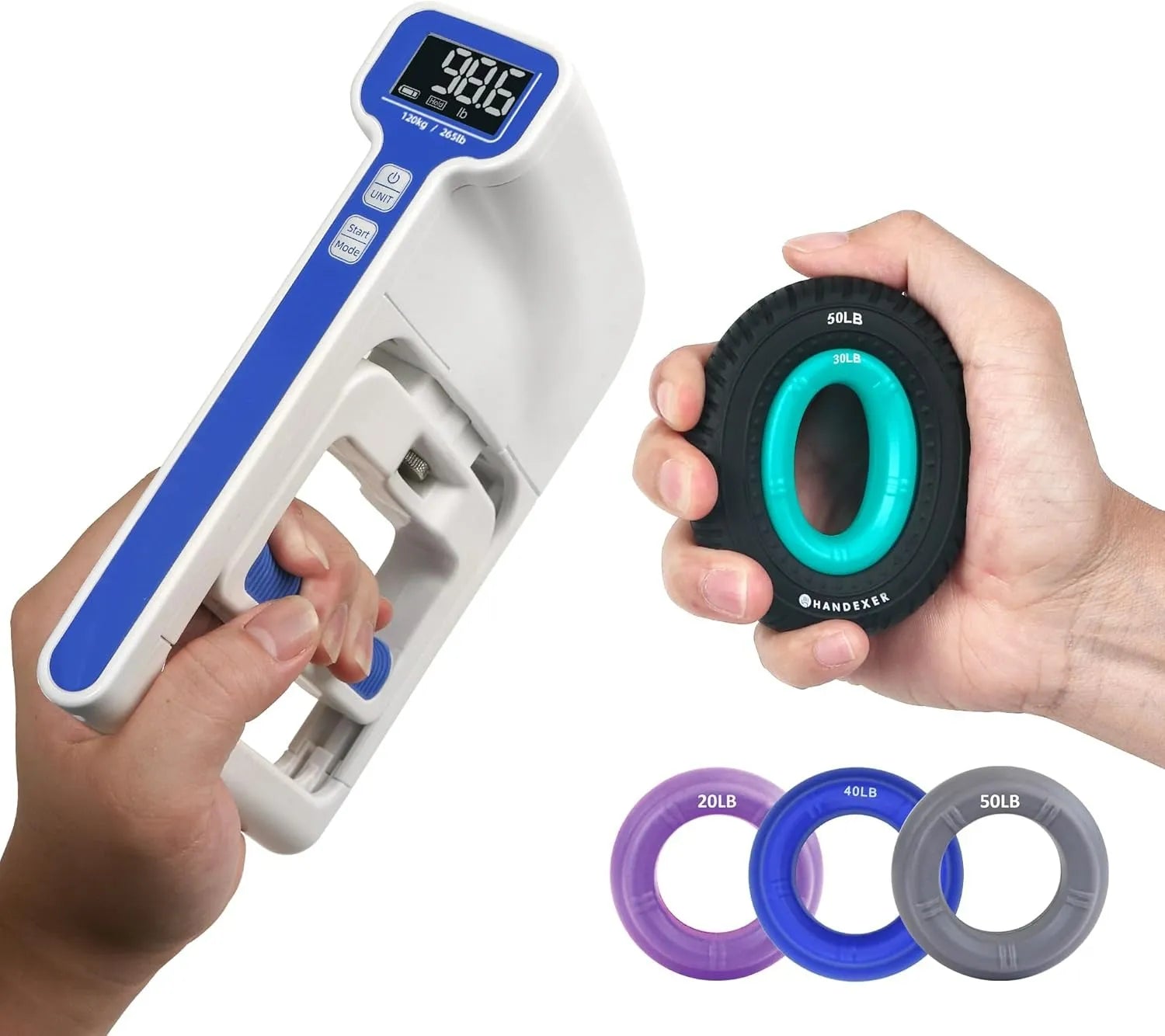
To measure grip strength accurately at home, stand or sit upright, hold the dynamometer at your side with your elbow slightly bent or at a standard testing angle, squeeze as hard as possible for a few seconds, and record the best of two to three trials per hand.
For more reliable results:
-
Test at the same time of day
-
Use the same hand position each session
-
Perform 2–3 trials per hand
-
Rest briefly between attempts
-
Track both hands separately
Consistency matters more than intensity alone. A digital device is especially useful because it removes the guesswork of analog readings and makes it easier to compare results week to week. For readers who want a simple way to monitor grip strength at home, a digital dynamometer can make tracking much more consistent.
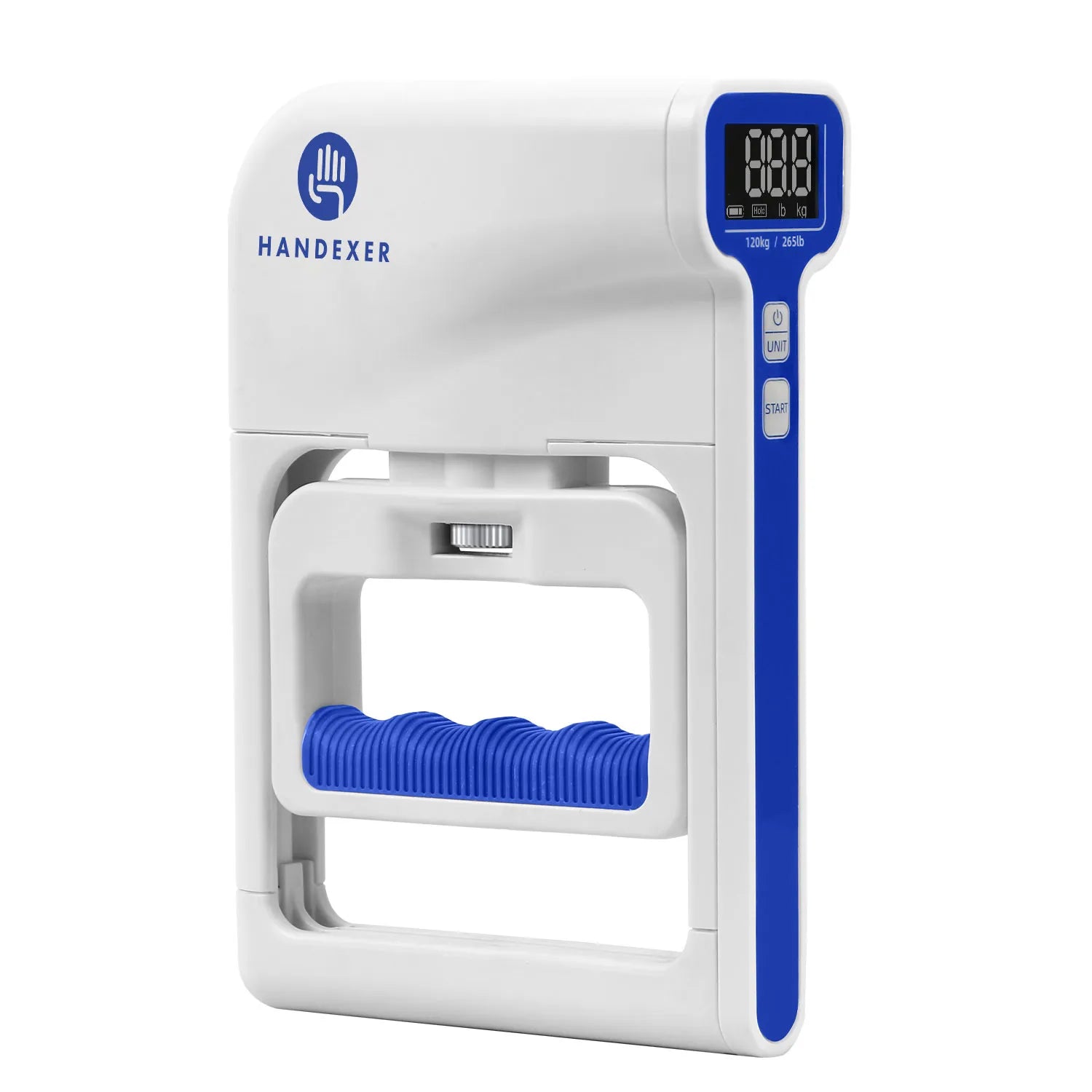
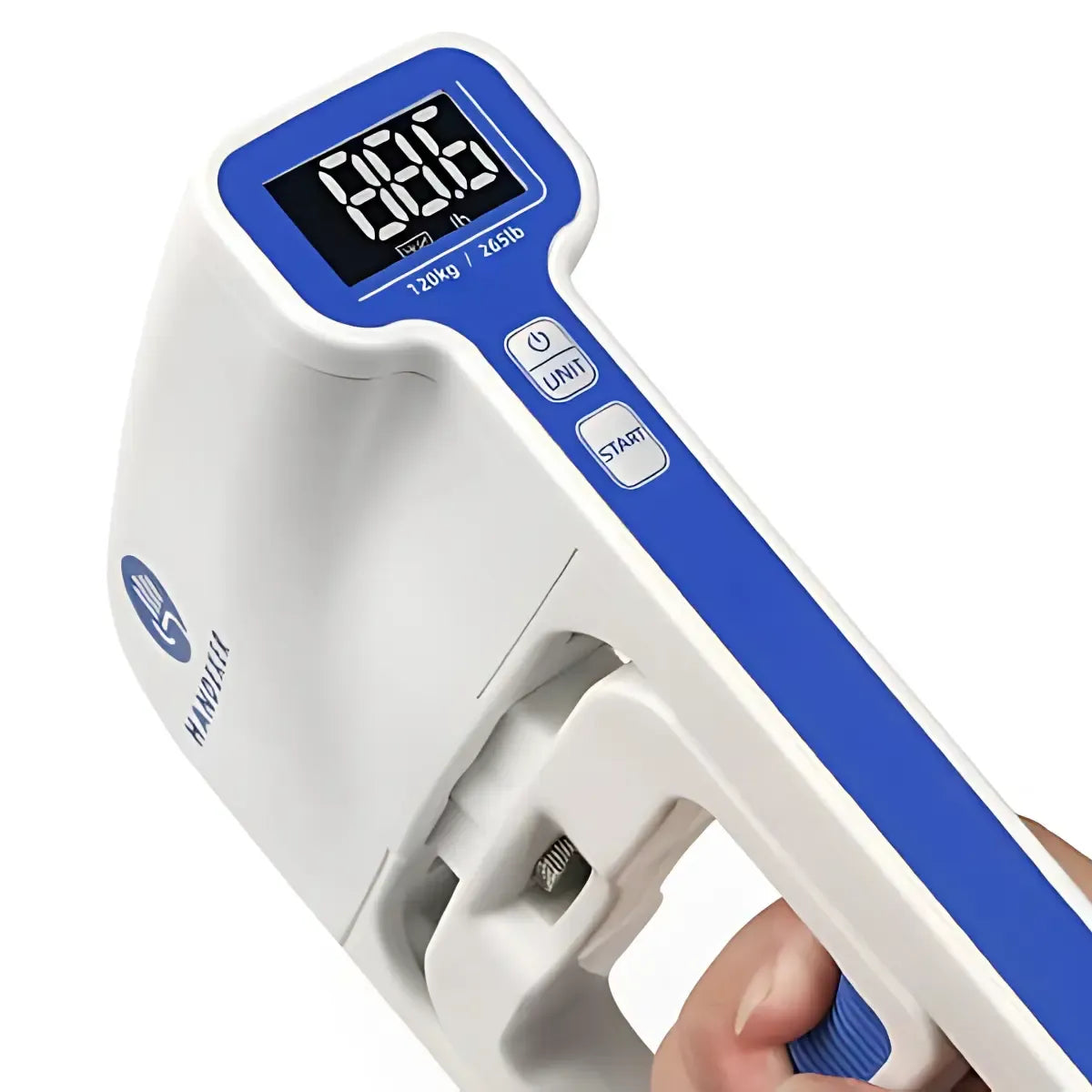
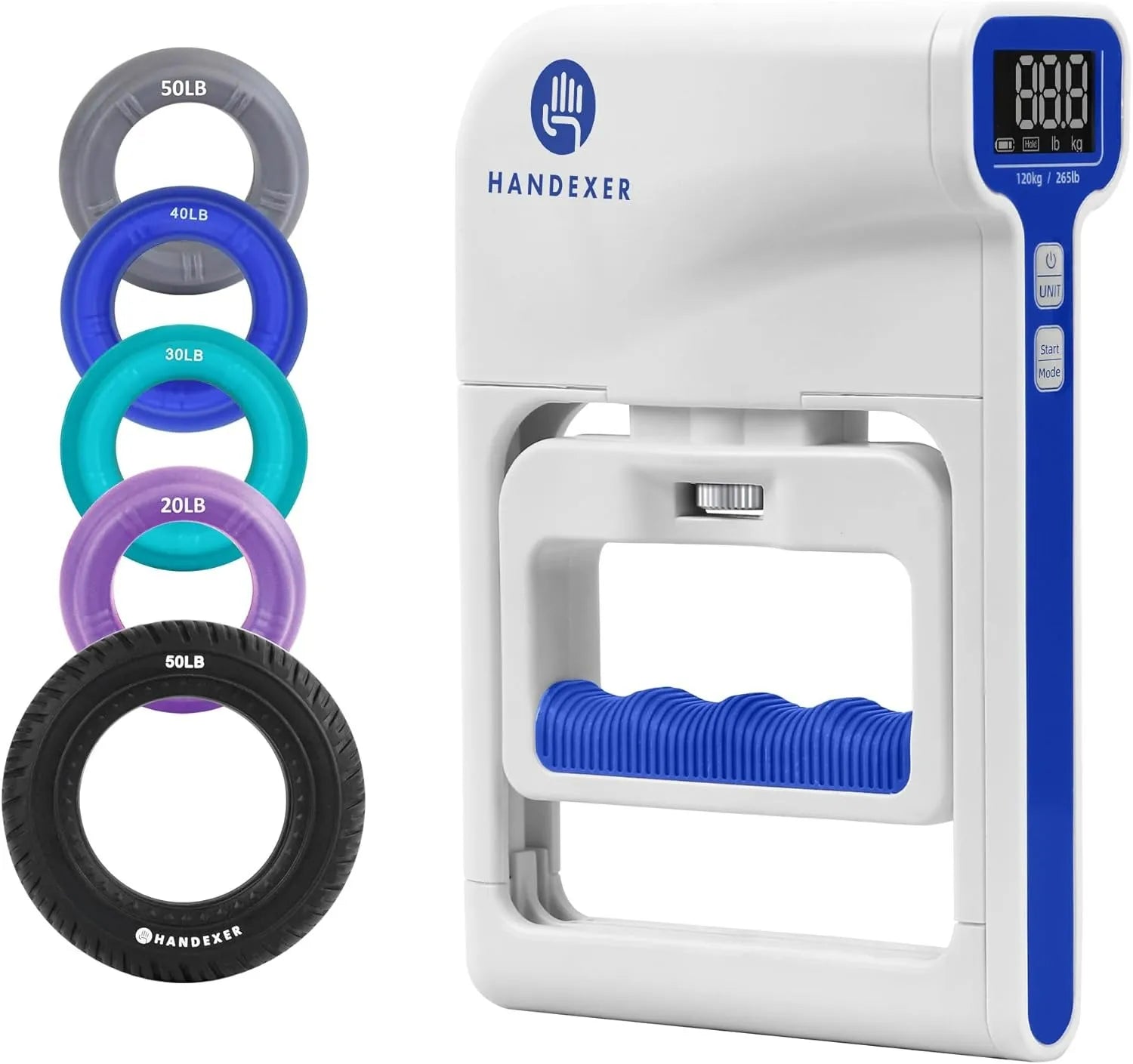
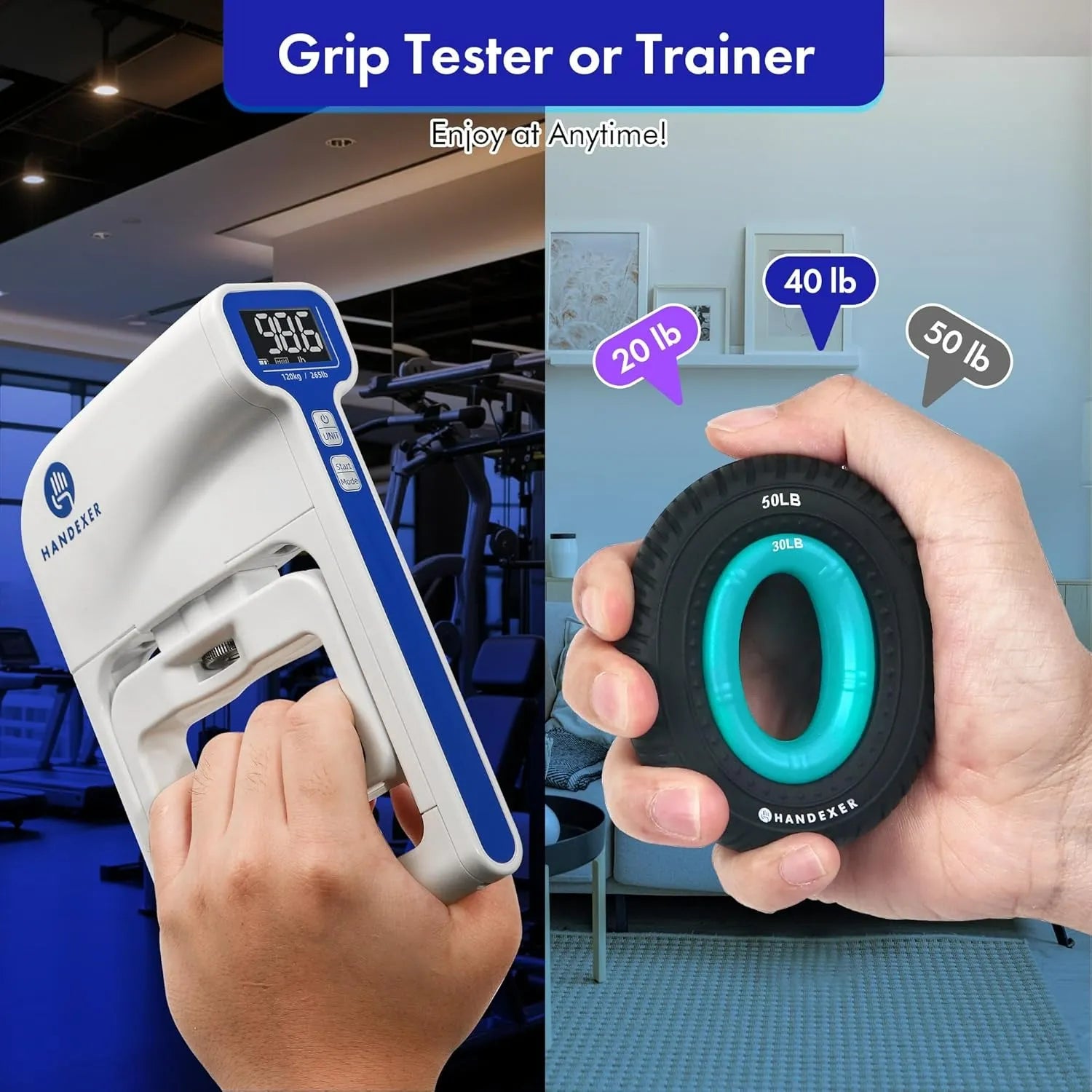
A tool like the Handexer dynamometer is well suited for this because it combines:
-
High capacity up to 265 lb / 120 kg
-
Precise digital tracking
-
User profiles for age and gender
-
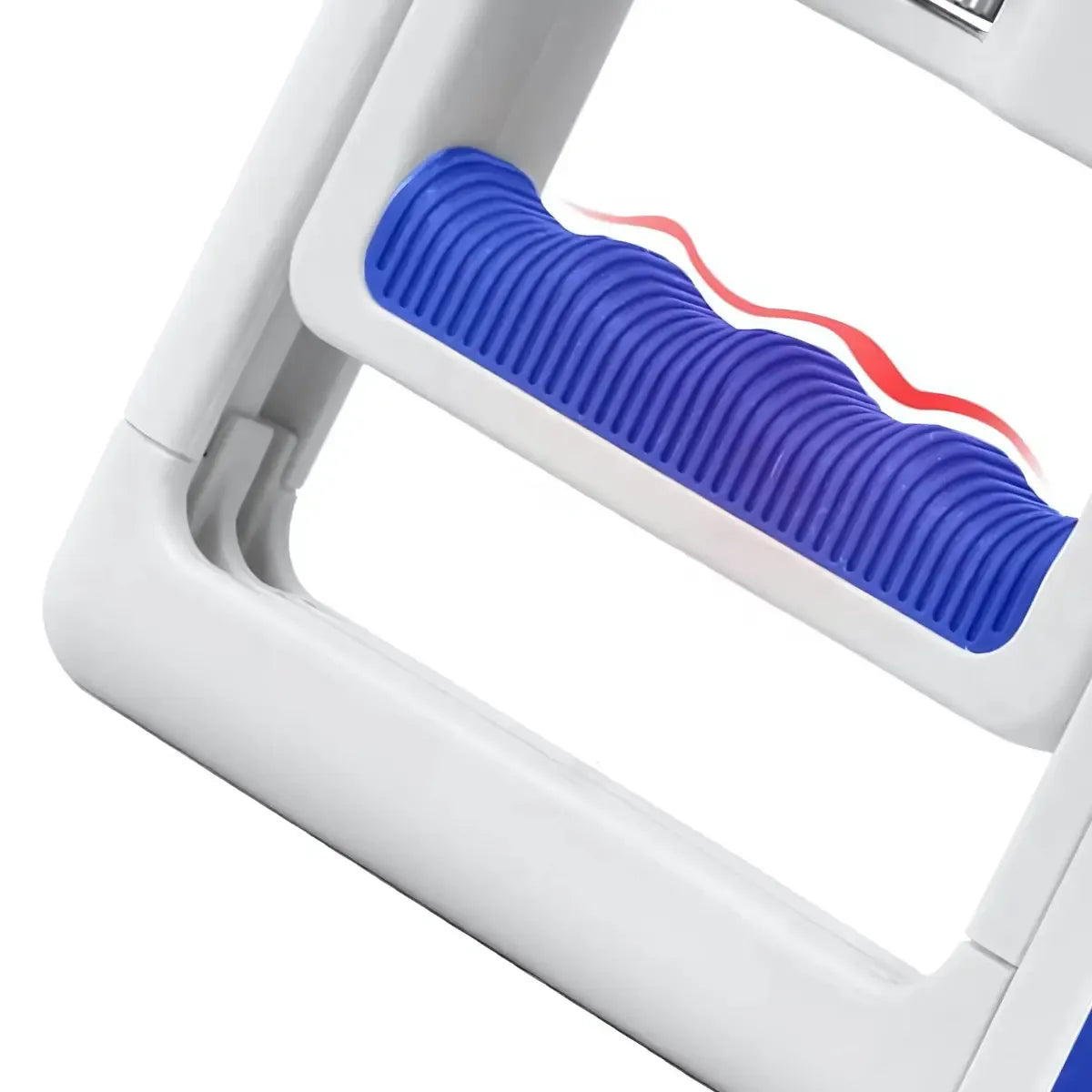
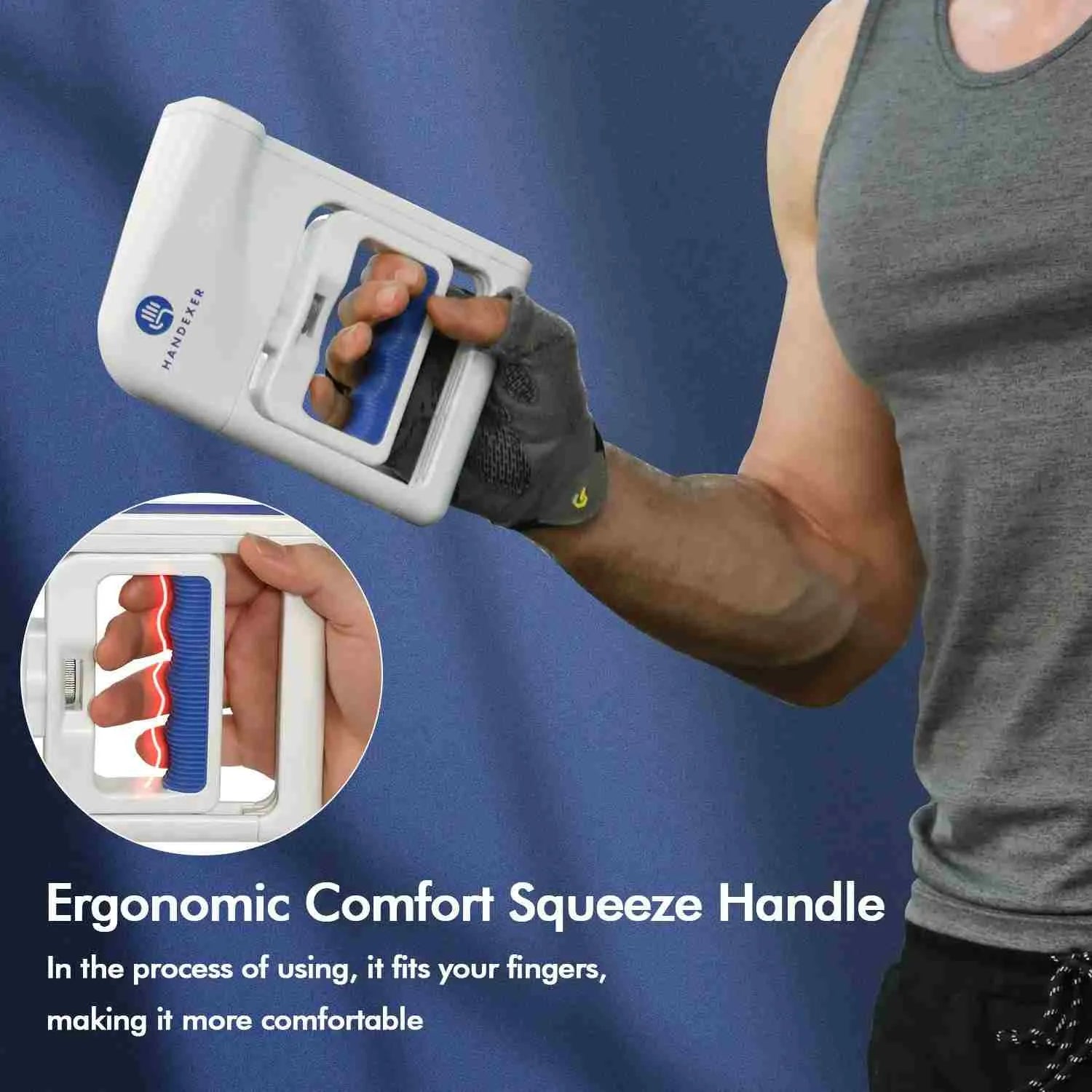
Ergonomic design for repeated testing
That makes it practical for adults who want to monitor your recovery progress or simply track healthy aging at home.
What grip strength number should adults over 50 pay attention to?
Adults over 50 should pay attention less to one isolated score and more to whether their reading is steadily dropping, clearly uneven between hands, or too weak for daily tasks like opening jars, carrying bags, or holding objects securely.
Watch for these patterns:
-
A noticeable year-over-year decline
-
One hand much weaker than the other without a known reason
-
Pain during gripping
-
Sudden drops after illness or injury
-
Trouble performing routine household tasks
A single low reading is not always alarming. Fatigue, soreness, or poor technique can affect the result. But repeated low or declining readings deserve attention, especially when paired with functional difficulty.
How often should seniors test grip strength?
Most seniors and adults over 50 can test grip strength once per week or once every two weeks. That frequency is enough to monitor meaningful trends without over-testing or letting day-to-day fluctuations create confusion.
A practical schedule looks like this:
-
General wellness tracking: every 2 weeks
-
Strength training phase: once per week
-
Post-rehab or recovery monitoring: 1–2 times per week under guidance
-
Family health check-ins: once per month for long-term trend tracking
The goal is not obsessive testing. The goal is creating a clear record over time.
Can grip strength be improved after 50?
Yes, grip strength can often be improved after 50 with regular resistance work, better hand use in daily activity, and structured monitoring. Progress may be slower than in younger adults, but measurable improvement is still realistic for many people.
Helpful strategies include:
-
Carrying weighted bags safely
-
Dead hangs or supported hangs where appropriate
-
Resistance band work
-
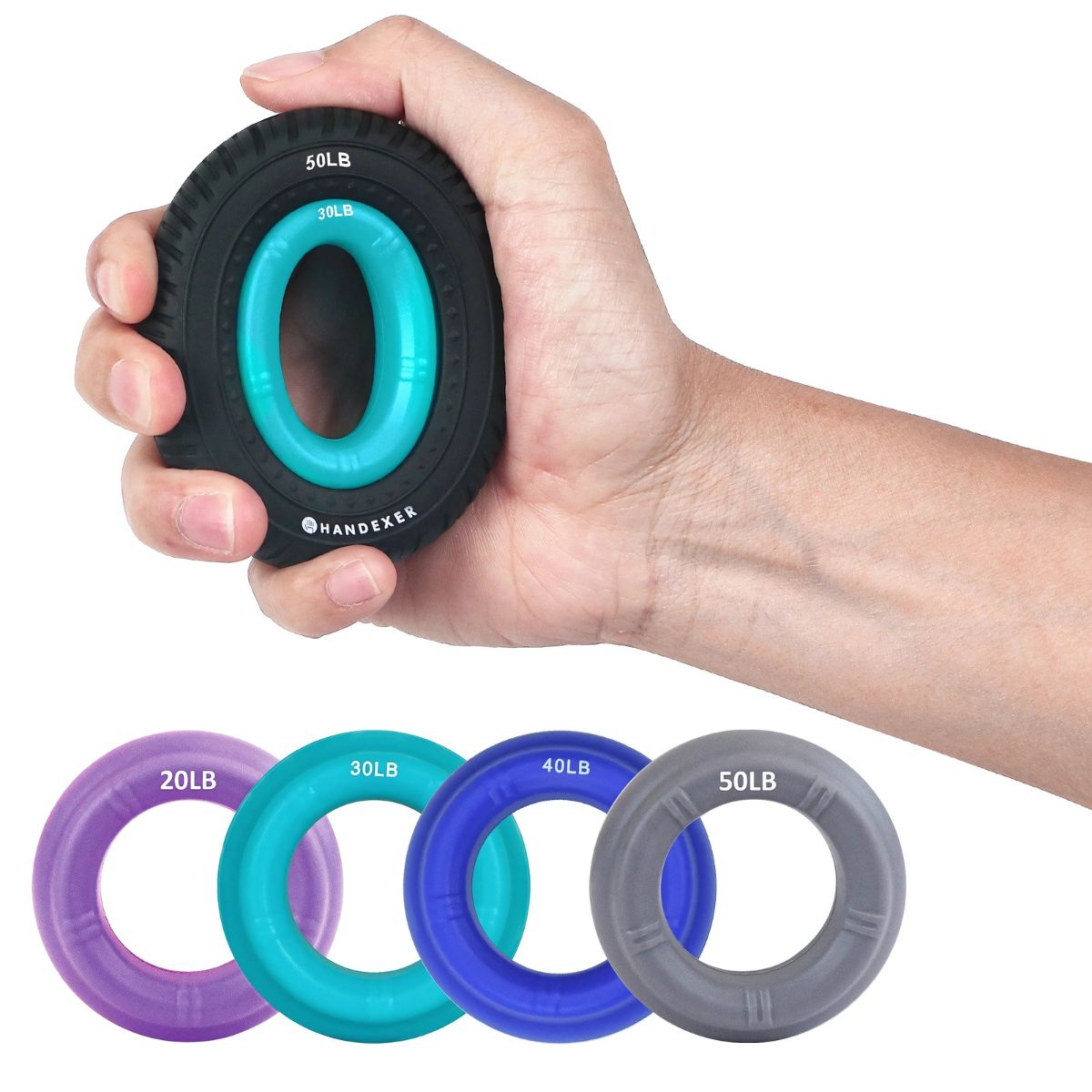
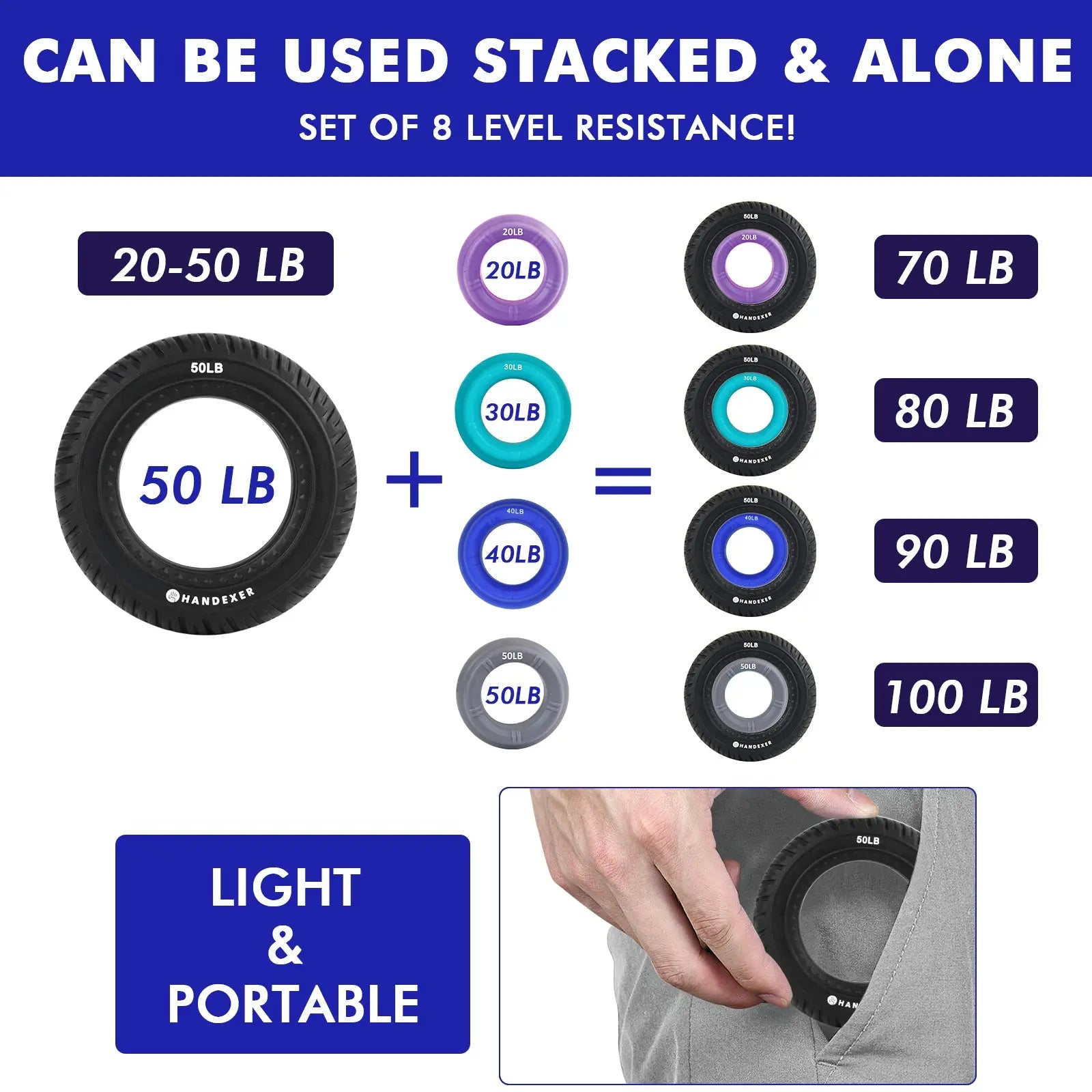
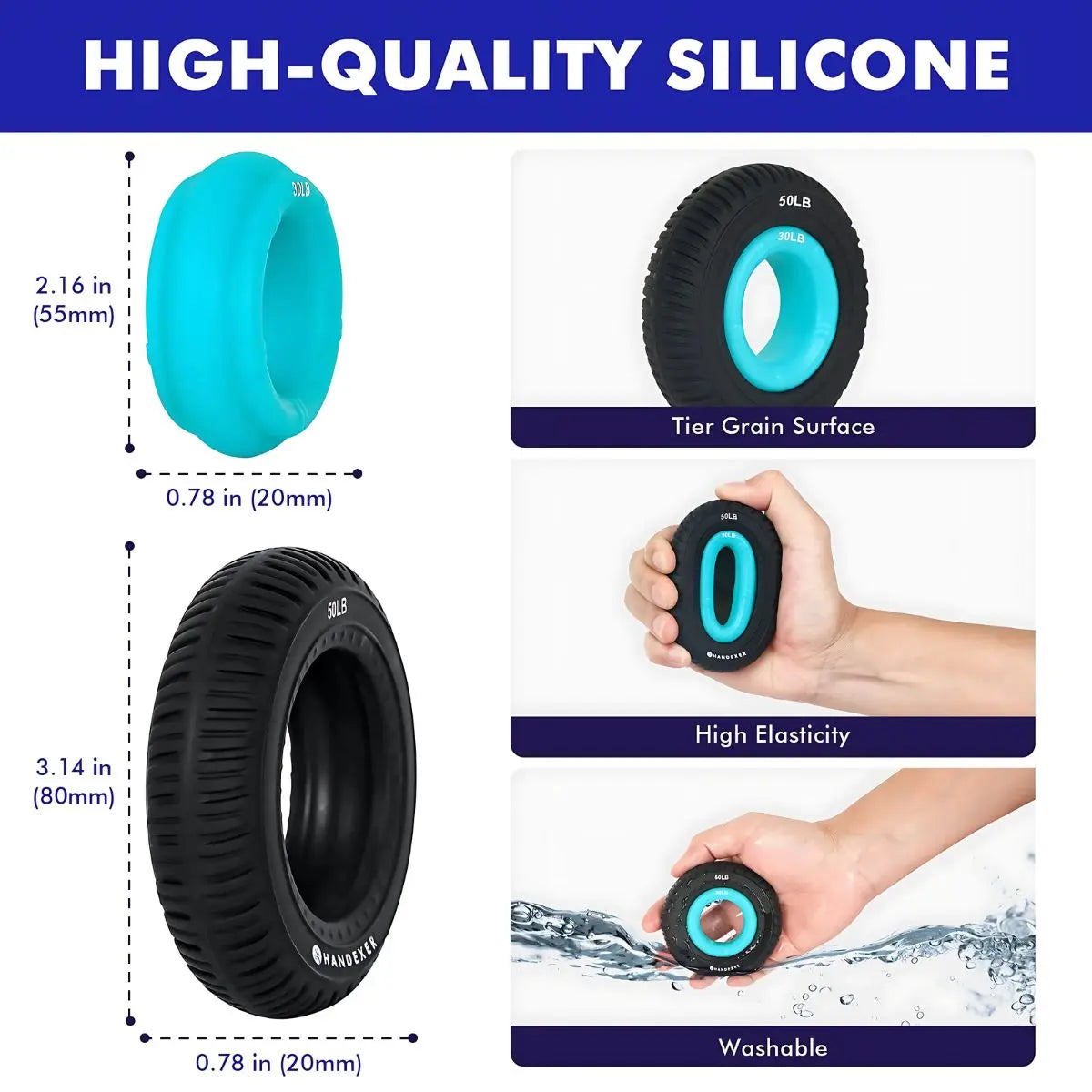
Hand grippers used with control
-
Putty or rehab exercises for finger and thumb strength
-
General upper-body strength training
For adults recovering from pain or reduced function, the first goal may not be “maximum force.” It may be restoring safe, functional hand use. In those cases, a digital dynamometer becomes valuable because it validates whether the plan is actually working.
Why tracking matters more than guessing
Many people notice weakness only after it begins affecting daily life. By then, they may already be compensating with the other hand, avoiding certain tasks, or reducing activity without realizing it.
Tracking gives you earlier visibility. Instead of asking, “Do my hands feel weaker?” you can compare actual numbers over time.
This is especially useful for:
-
Adults over 50 monitoring healthy aging
-
Families checking in on parents or grandparents
-
Rehab patients rebuilding hand function
-
Data-driven users who want objective progress markers
A digital dynamometer turns grip strength into a measurable health metric. You are not relying on memory or vague impressions. You are using numbers to guide decisions.
Final thoughts
Grip strength by age is not just a fitness curiosity. For adults over 50, it is a practical way to monitor function, independence, and physical resilience. A gradual decline can be normal, but an untracked decline can be easy to miss.
The most useful approach is simple: establish a baseline, test consistently, and watch the trend. When you can measure clearly, you can respond earlier, train smarter, and age with better awareness.
That is exactly why many users choose to track their grip strength progress with a reliable digital tool instead of guessing where they stand.
FAQ
1. What is a good grip strength for a 60-year-old?
A good grip strength for a 60-year-old depends on sex, body size, health status, and activity level. Rather than focusing on one universal number, it is more useful to compare your result to age-based ranges and monitor whether your strength is stable over time.
2. Does grip strength really decrease with age?
Yes. Grip strength usually declines gradually with age due to changes in muscle mass, nerve function, joint health, and recovery capacity. The decline is often modest at first, which is why regular measurement is useful.
3. How can I test grip strength at home?
You can test grip strength at home with a digital hand dynamometer. Perform two to three squeezes per hand using consistent posture and technique, then record the best result for comparison over time.
4. Can seniors improve grip strength?
Yes. Many seniors can improve grip strength through resistance training, hand exercises, rehab drills, and consistent use of the hands in daily life. Tracking results helps confirm whether the program is effective.







Share:
How to Interpret & Improve Your Grip Strength Score (2026 Action Guide)
Average Grip Strength by Age and Gender: What’s Normal and How to Improve It