

When people think about healthy aging, they usually focus on heart health, mobility, or bone strength. Far fewer think about grip strength. But in reality, grip strength can reveal more than many people expect.
It is not just about how hard you can squeeze. Grip strength is closely connected to hand function, daily independence, recovery capacity, and overall physical resilience. That is why it has become an increasingly useful metric in conversations about aging well.
At Handexer, we believe hand health should be clear, measurable, and actionable. Healthy aging should not rely on guesswork. It should start with understanding your current function, tracking change over time, and improving with purpose.
For many adults, grip strength is one of the simplest ways to begin.
Want a clearer picture of your current hand health?
Measure your baseline and start tracking your progress today.
What Grip Strength Really Tells You About Your Health
Grip strength is often treated as a simple number, but it reflects much more than hand power alone. Producing force through the hand depends on muscle function, nerve coordination, joint stability, and overall physical condition working together.
That is what makes grip strength meaningful. It is not just a fitness stat. It can act as a practical indicator of function.
As people age, physical changes often happen gradually. Strength declines are not always obvious at first. Daily tasks may still feel manageable, even while underlying function is shifting. That is why grip strength can be useful: it gives users a visible, repeatable way to monitor change before it becomes impossible to ignore.
This is especially relevant for adults who want to stay independent, for people rebuilding function after setbacks, and for anyone who wants a more structured way to understand hand health at home. [hand health assessment tools]
Why Grip Strength Matters More as You Age
Healthy aging is not only about living longer. It is about maintaining the ability to move, hold, carry, stabilize, and perform daily tasks with confidence.
That is where grip strength becomes especially valuable.
Your hands are involved in countless everyday actions—opening containers, carrying bags, preparing meals, supporting balance, and maintaining control during movement. When hand strength and function begin to decline, the impact often shows up in quality of life long before people think of it as a “hand issue.”
Grip strength gives people a practical way to monitor this part of aging. It helps turn vague feelings like “my hands do not feel as strong as they used to” into something measurable.
For Handexer, this matters because hand health should not be viewed as a narrow gym metric. It should be understood as part of broader functional wellbeing. That is why our approach is not just about strength. It is about assessment, purposeful improvement, and more confident recovery.
Grip Strength Is an Indicator, Not a Guarantee
One important clarification: grip strength is a useful indicator, but it is not a guarantee of longevity or perfect health.
A stronger grip does not automatically mean someone will age well in every way. And simply training grip alone does not solve every functional problem. But grip strength can provide valuable feedback.
Think of it as a signal.
When your grip strength is stable or improving, it may suggest that your routine, recovery, and overall physical conditioning are supporting function well. When it declines over time, that change may be worth paying attention to.
This is exactly why measurement matters. A useful metric is not valuable because it sounds impressive. It is valuable because it helps people make better decisions.
That framing also fits Handexer’s brand logic: not hype, not vague motivation, but clearer self-understanding and more structured progress.
Why Measuring Your Grip Strength Baseline Matters
You cannot meaningfully improve what you do not measure.
For many people, hand decline happens quietly. It does not feel urgent at first. But over time, small losses in strength, stability, or control can become more noticeable in daily life.
A baseline gives you a starting point. It tells you where your current hand function stands today so you can track whether it is improving, staying stable, or declining.
This matters for several types of users:
- adults who want to age more proactively
- people monitoring recovery progress
- home users who want clearer functional feedback
- active individuals who prefer measurable progress over guesswork
Without a baseline, hand health stays abstract. With a baseline, it becomes visible.
That is why Handexer’s role should not be limited to “selling a device.” The real role is helping users understand their hand status more clearly and take the next step with confidence.
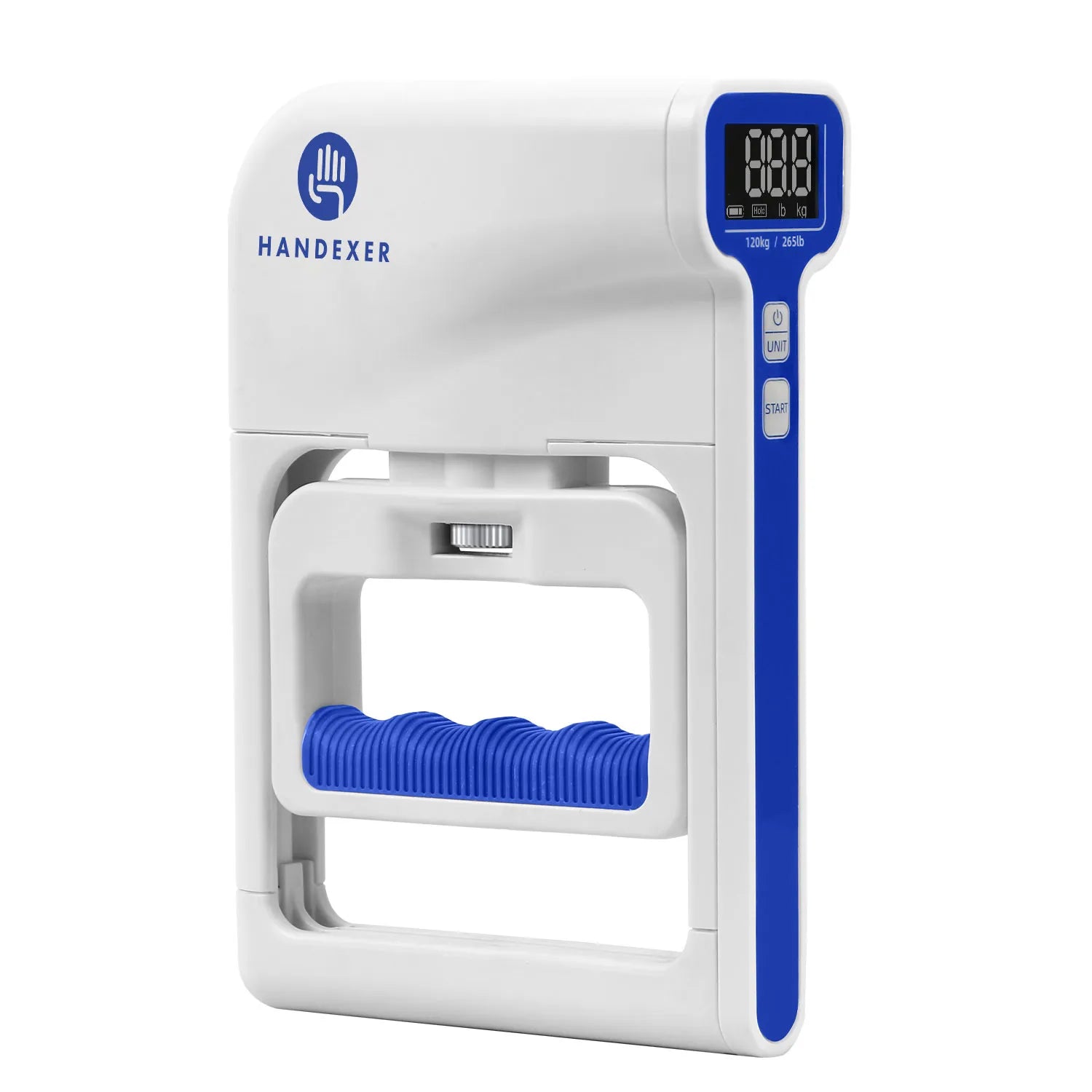
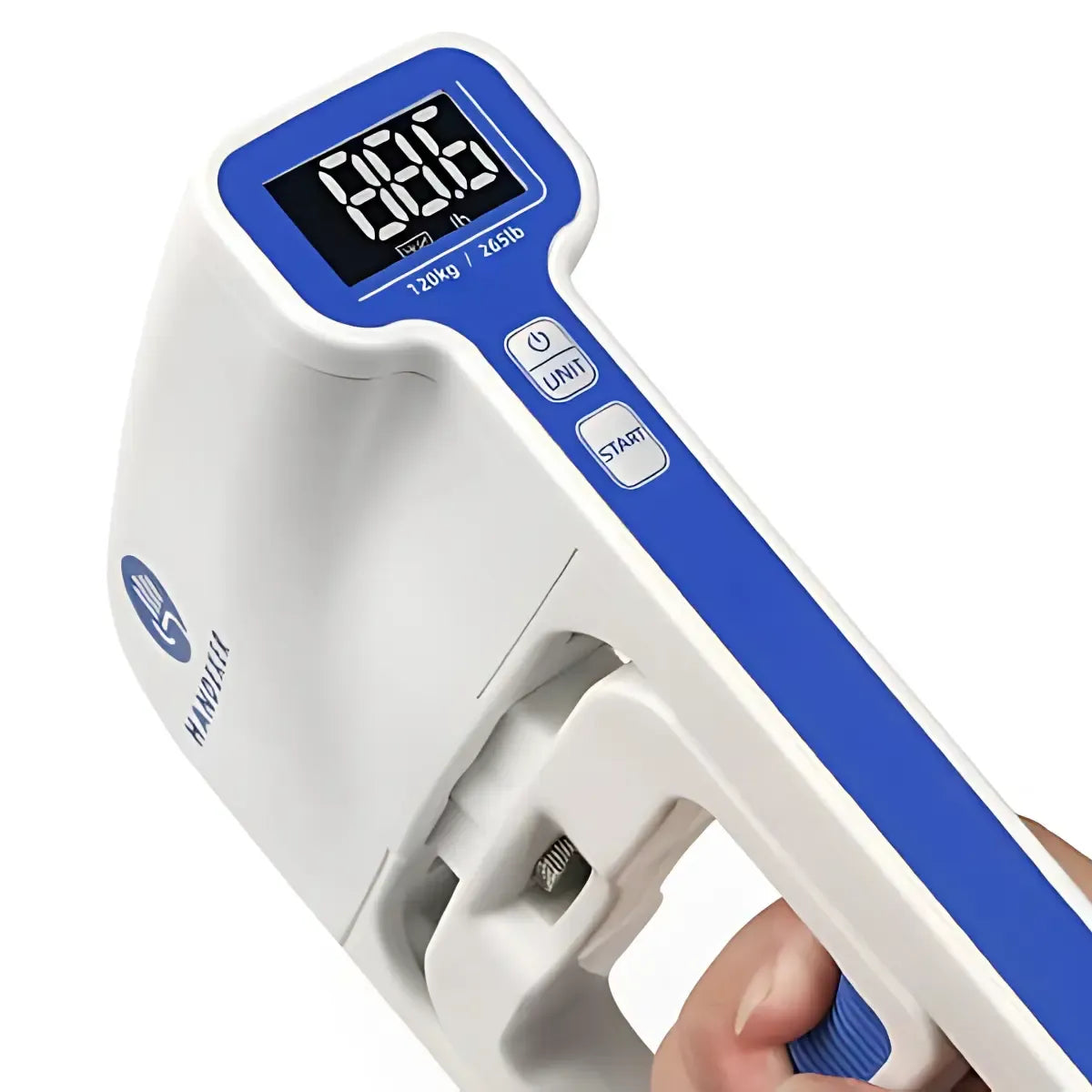
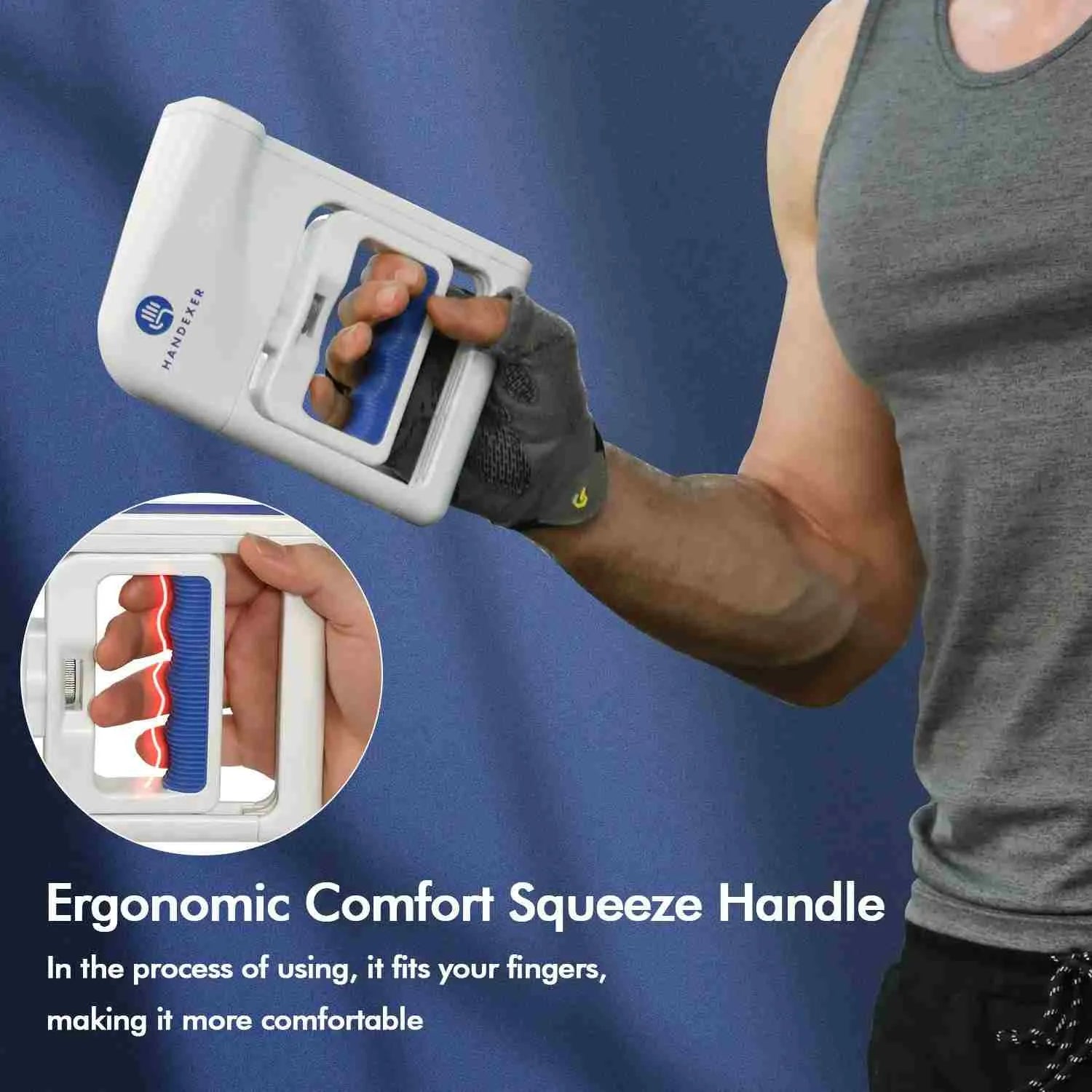
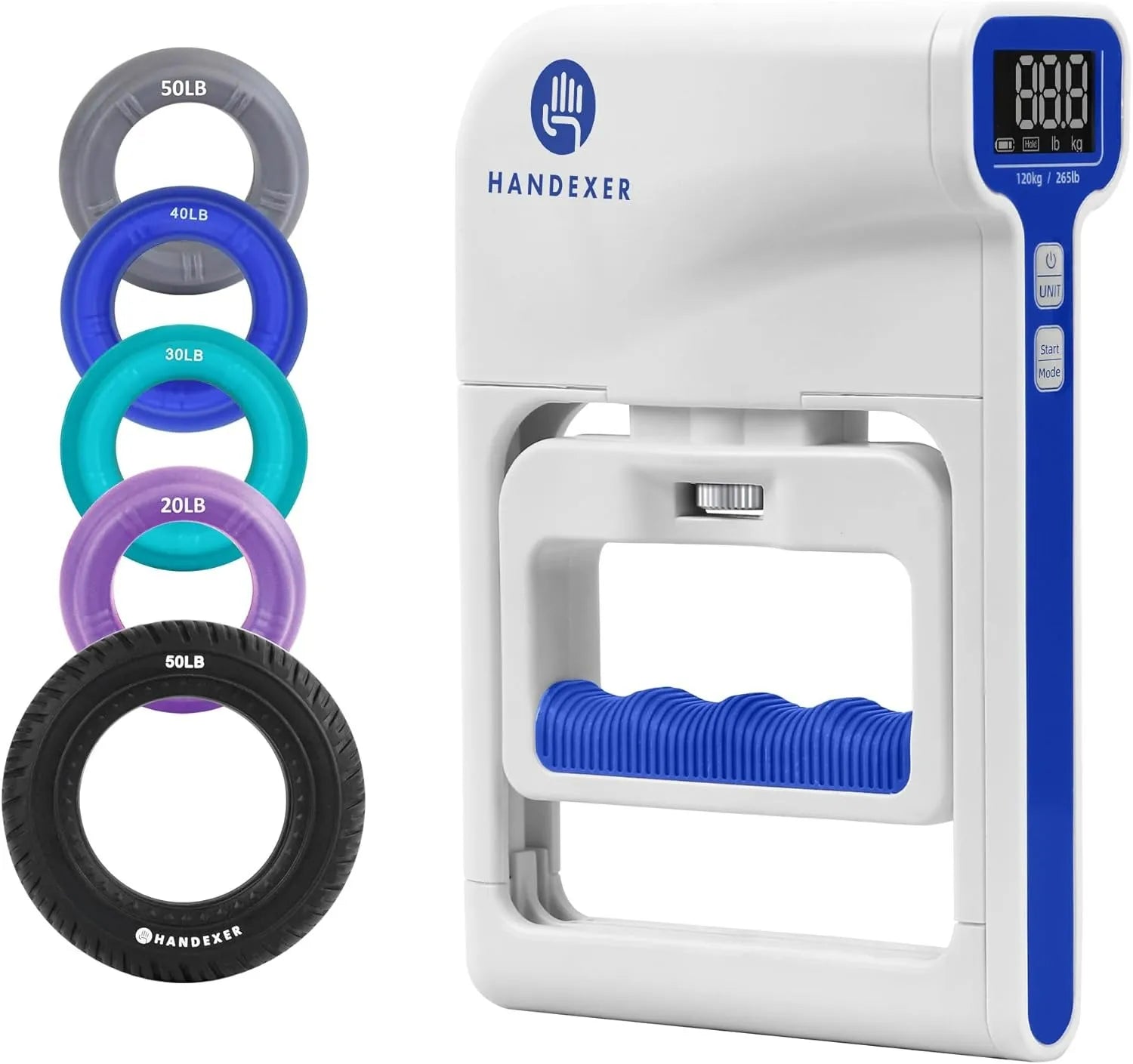
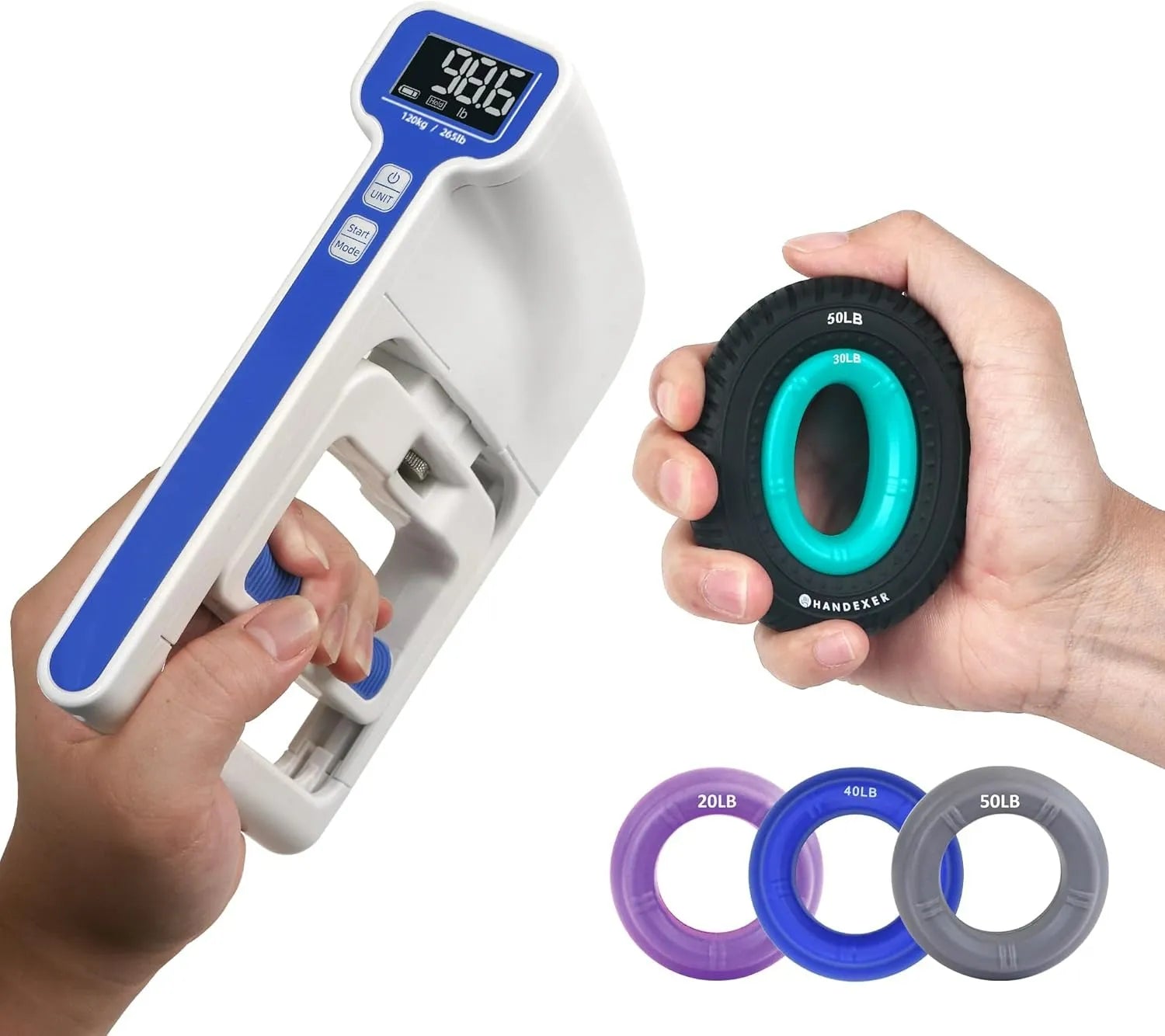
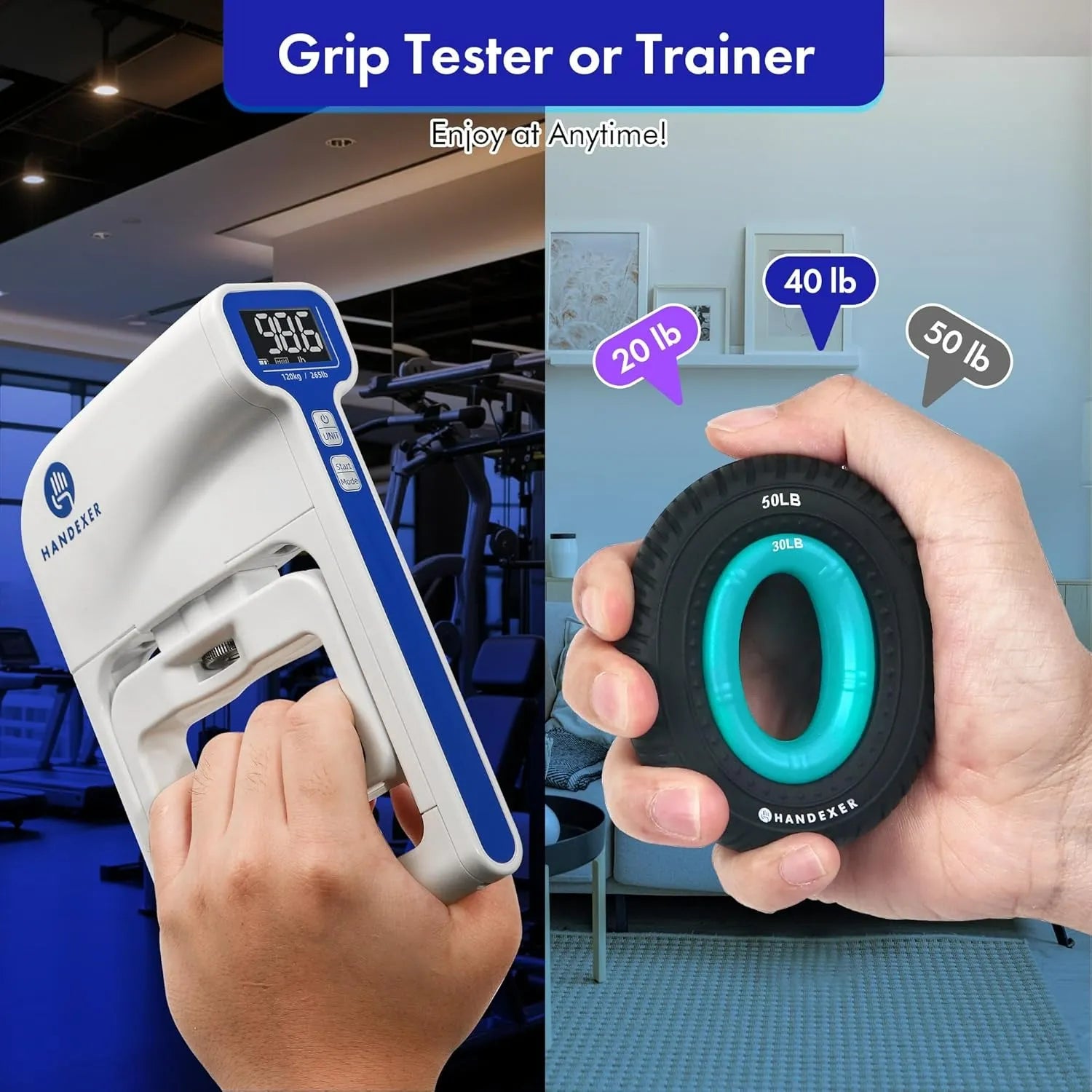
Ready to stop guessing? Use a Handexer digital grip strength tool to establish your baseline at home.
How to Measure Grip Strength at Home
Measuring grip strength at home can be simple, as long as you stay consistent.
1. Use a clear, reliable measuring tool
Choose a grip strength device that gives a readable result and can be used repeatedly under the same conditions.
2. Keep your testing conditions similar
Try to measure at the same time of day, with similar posture and hand position. Consistency makes your results more meaningful.
3. Take multiple attempts
Do two or three attempts for each hand. Record either the highest value or your average, depending on how you want to track progress.
4. Log your results
Write down the date, the reading, and any useful context such as soreness, fatigue, or recovery stage.
5. Recheck at regular intervals
For many adults, testing once per month is enough to reveal useful trends without overreacting to daily fluctuations.
The goal is not to obsess over one number. The goal is to create a useful reference point.
That is where a hand health brand should add value: not just by giving users a reading, but by helping them build a repeatable habit of assessment and progress tracking.
How to Improve Hand Function with Purpose
Once you know your baseline, the next step is to improve with intention.
Many people make the mistake of treating hand strength as a random squeezing exercise. But better results usually come from a more purposeful approach.
Prioritize function, not just force
Grip matters, but hand health is broader than one motion. Real improvement often involves support for stability, control, coordination, and useful everyday function.
Train consistently
A simple, repeatable routine is often more effective than occasional intense effort. Progress comes from consistency.
Respect recovery
Improvement does not only come from training harder. It also comes from allowing tissues and movement patterns time to adapt, especially for older adults or recovery-focused users.
Reassess over time
Measurement turns effort into evidence. If your hand strength improves after a structured routine, you have proof that your process is working.
This is where Handexer’s brand proposition becomes practical: measure clearly, train with purpose, and recover with confidence. That is not just a slogan. It is the intended user journey.
Why Tracking Progress Matters More Than One-Time Testing
One test tells you where you are. Tracking tells you where you are going.
That distinction matters.
A single grip strength reading can be useful, but long-term tracking is where the real value appears. It helps users identify trends, notice improvement, and respond earlier when function starts to change.
This is especially important for:
- healthy aging users monitoring gradual decline
- recovery users rebuilding strength and confidence
- home users who want objective feedback
- caregivers or family members supporting parents or loved ones
Tracking also shifts hand health from a vague concern into a manageable process. Instead of wondering whether things are improving, users can see real movement over time.
That is why Handexer should continue to position itself not only around assessment, but also around progress visibility.
Start with one baseline test. Then turn it into a progress habit with Handexer.
Who This Is For
Grip strength tracking is not only for athletes or clinics. It can be useful for a much broader group of people.
Adults focused on healthy aging
If your goal is to stay strong, capable, and independent for longer, grip strength is a practical metric to monitor.
Recovery users
If you are rebuilding function after injury, surgery, inactivity, or discomfort, tracking can help make recovery more visible and less uncertain.
Home users who want clearer health feedback
Some people simply want better ways to understand changes in hand function without relying on guesswork.
Strength-focused users
Grip strength still matters in training contexts, but it should be framed as one part of functional progress, not the entire story.
Why Handexer Is Different
Handexer is not meant to be seen as just another grip gadget.
We are building a professional hand health brand designed to help users assess, improve, and restore hand function with more clarity. That means moving beyond one-off measurements and focusing on something more useful: visible progress, better function, and greater confidence over time.
Our role is not simply to help users squeeze harder. It is to help them understand what their hands are telling them, train more purposefully, and stay more proactive about function at home.
That is why Handexer fits naturally into healthy aging, recovery progress, and everyday hand health tracking—not just strength training.
Final Thoughts
Grip strength is more than a number. It is a useful signal of function, resilience, and physical capability over time.
As you age, staying proactive matters. Measuring your grip strength is one small action that can create a much clearer picture of your hand health and your progress.
The goal is not just to test once. The goal is to measure clearly, improve with purpose, and restore function with confidence.
That is the difference between owning a device and using a system that helps you understand, improve, and track your hand health over time.
FAQ
Is grip strength really related to healthy aging?
Yes. Grip strength is widely used as a practical indicator of physical function, especially in aging-related health discussions. It is not the only metric that matters, but it can provide useful insight into strength, resilience, and daily function.
How often should I test my grip strength?
For most adults, once a month is a practical starting point. This gives you enough data to spot trends without becoming overly focused on minor short-term fluctuations.
Can I measure grip strength at home?
Yes. With a reliable digital tool and consistent testing conditions, grip strength can be measured at home in a clear and repeatable way.
Is grip strength only for athletes?
No. Grip strength tracking can be useful for healthy aging users, recovery users, home users, caregivers, and anyone who wants a clearer view of hand function.
What should I do after measuring my baseline?
After measuring your baseline, the next step is to track changes over time and support progress through purposeful training, recovery habits, and regular reassessment.






Share:
Is Decreased Grip Strength an Early Sign of Arthritis? 5 Warning Signs You Need to Test at Home
How to Rebuild Hand Strength After Injury (Step-by-Step Recovery Guide)