

You struggle to open a stubborn jar and think, “It’s just tightly sealed.” Or your hands feel unusually tired after carrying groceries, and you assume, “I’m just exhausted today.”
But here’s the truth: grip strength decline is often silent. By the time you notice it in daily tasks, your hand strength may already have dropped significantly.
Reduced grip strength can be an early sign of joint issues like osteoarthritis or rheumatoid arthritis.But how can you tell if it’s fatigue or real weakness? You can’t rely on feeling alone.
Why Your Perception Isn’t Reliable
The human brain is highly adaptive. Even if your grip strength drops by 5–10%, you may not notice it.
You unconsciously adjust how you hold objects or rely more on your other hand without realizing it.
According to the Mayo Clinic, decreased grip strength is an important indicator of hand function and may be linked to arthritis. But because the decline is gradual, it’s difficult to truly “feel” the change.
You can’t reliably judge whether your condition is improving or worsening by intuition alone—and you may miss the early window for intervention.The only reliable way to track changes is through objective measurements.
5 Early Warning Signs of Hand Arthritis
If you notice any of the following signs, stop relying on guesswork—you need a measurable baseline.
1. Prolonged Morning Stiffness
Do your fingers feel stiff or “locked” when you wake up?
Mild stiffness can be normal, but if it lasts more than 30 minutes and only improves with movement, it may indicate underlying joint inflammation.
2. “Invisible” Grip Strength Loss
This is one of the most deceptive signs.
You may simply feel like your handshake is weaker or that small objects are harder to hold.But by the time you notice weakness, the actual strength loss may already be significant.
The best approach is to perform regular at-home grip strength testing to detect early decline before it affects your daily life.
3. Pain During Daily Activities
Do you feel a dull ache or sharp discomfort while typing, lifting, or gripping objects?
Early joint stress often appears as repetitive-use soreness that improves with rest.
4. Unexplained Swelling or Warmth
Inflammation doesn’t always cause severe pain.
Sometimes it shows up as:
- a “puffy” feeling in the fingers
- warmth around the joints
- subtle loss of flexibility
5. Loss of Fine Motor Control
Early joint changes don’t just affect strength—they also affect precision.
If tasks like buttoning clothes, writing, or picking up coins suddenly feel clumsy, your hand function may already be declining.
Don’t Rush Into Training—Start With Assessment
If you notice any of the above symptoms, your first instinct might be to grab a stress ball and start squeezing.But blindly training without understanding your condition can actually make things worse.
As Harvard Health notes, resistance training is beneficial for joint health—but only when it is properly guided and monitored.
You can’t improve what you don’t measure.And you can’t tell whether inflammation is improving or worsening without data.Before trying to fix the problem, you need to know exactly where you stand.
Step 1: Stop Guessing, Start Measuring
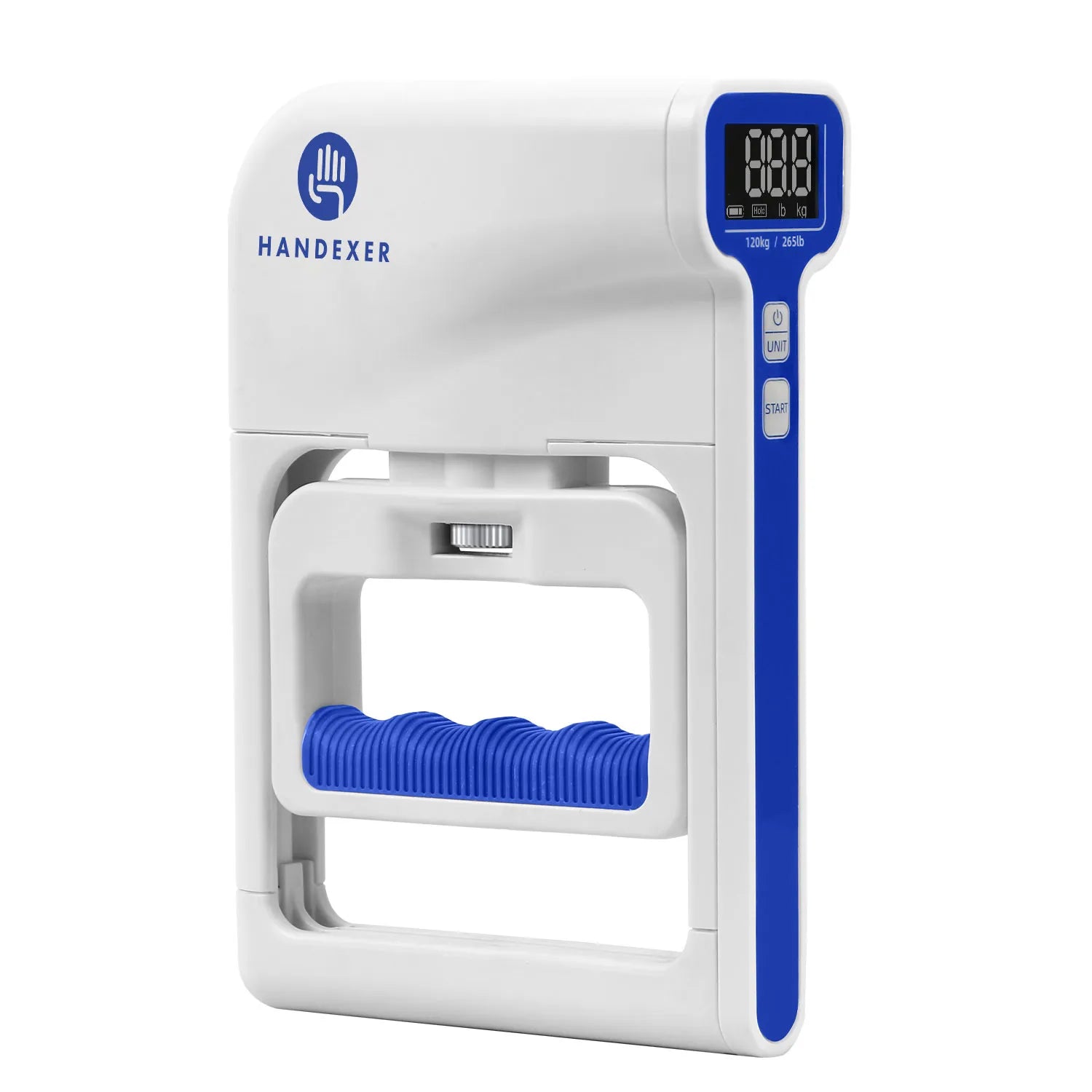
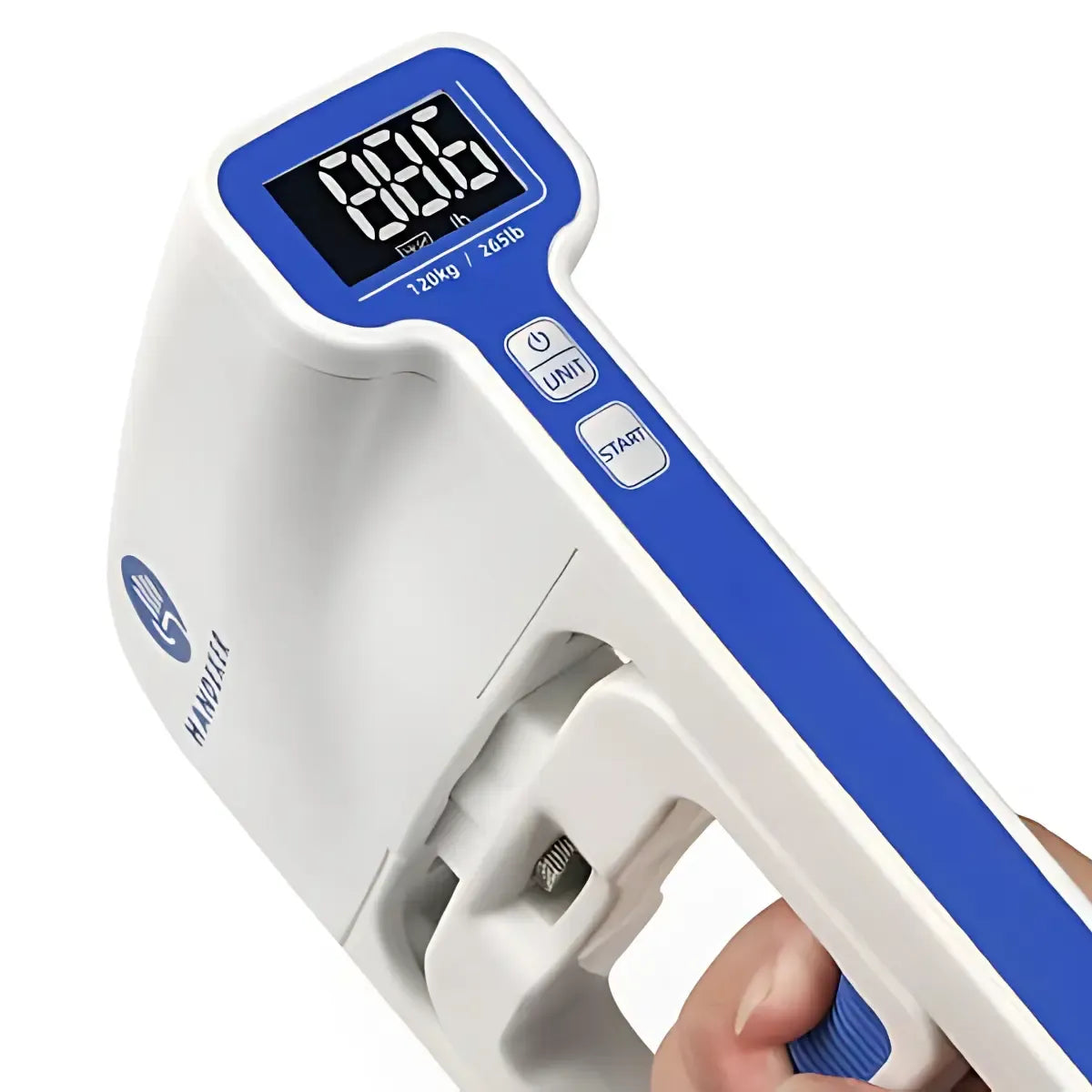
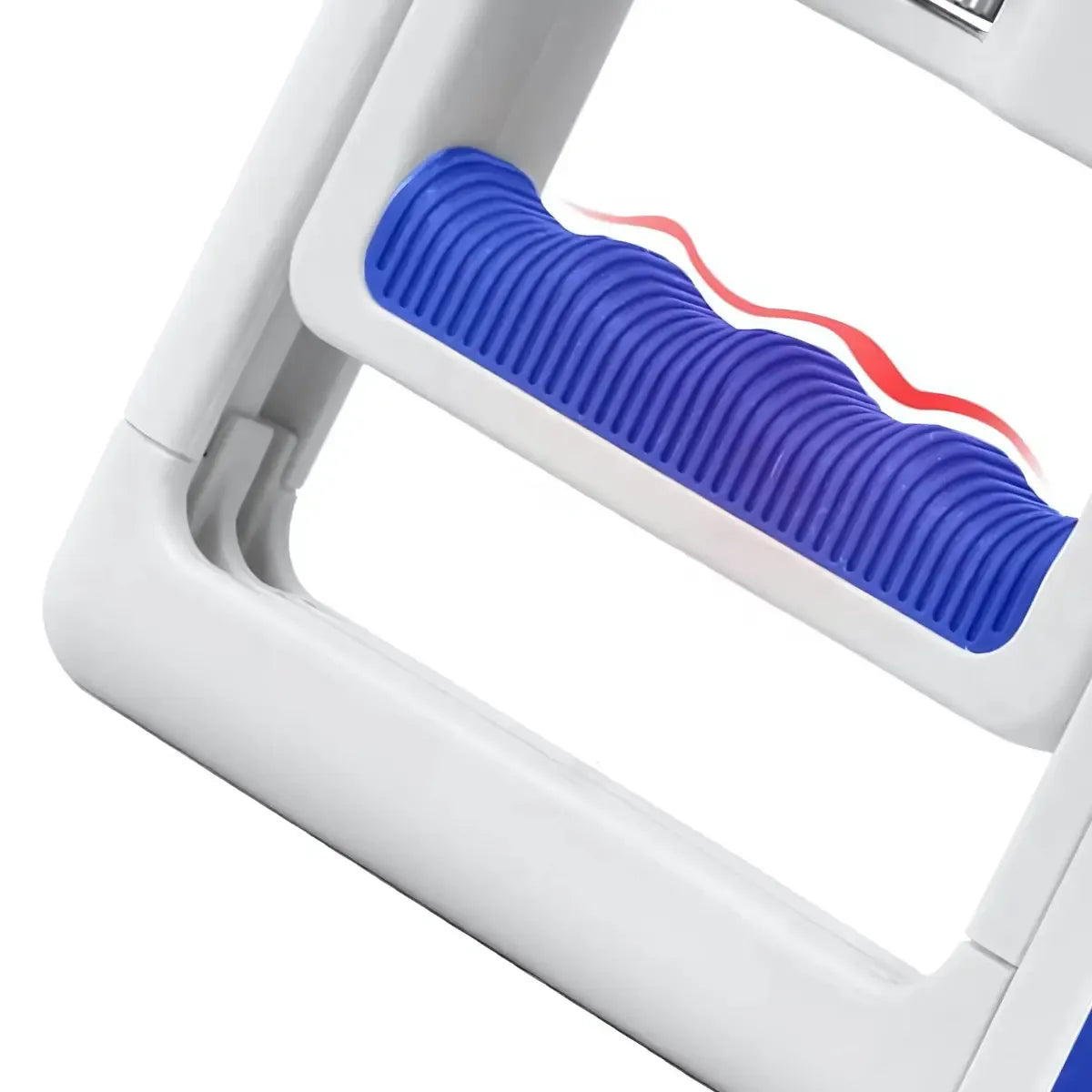
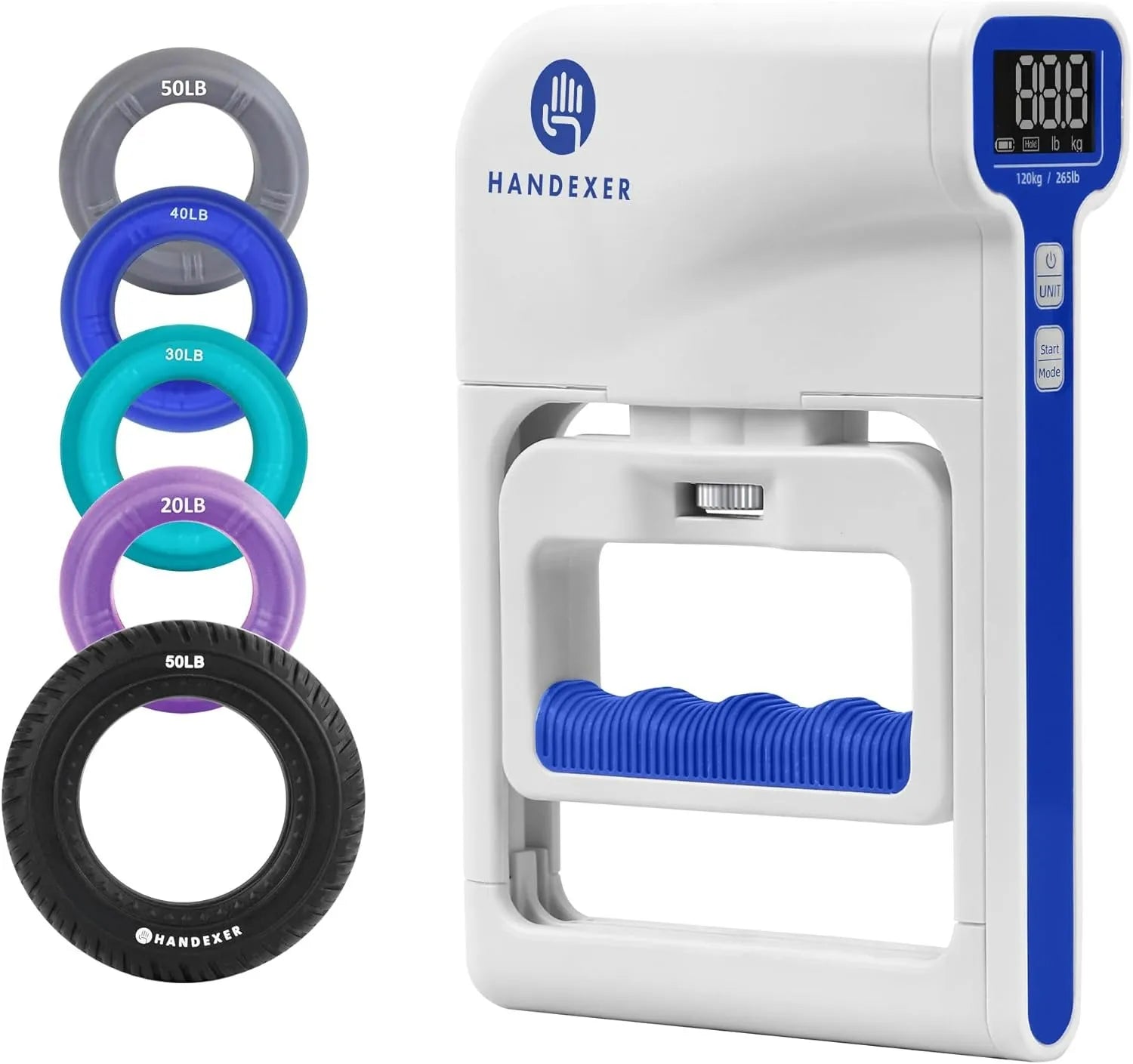
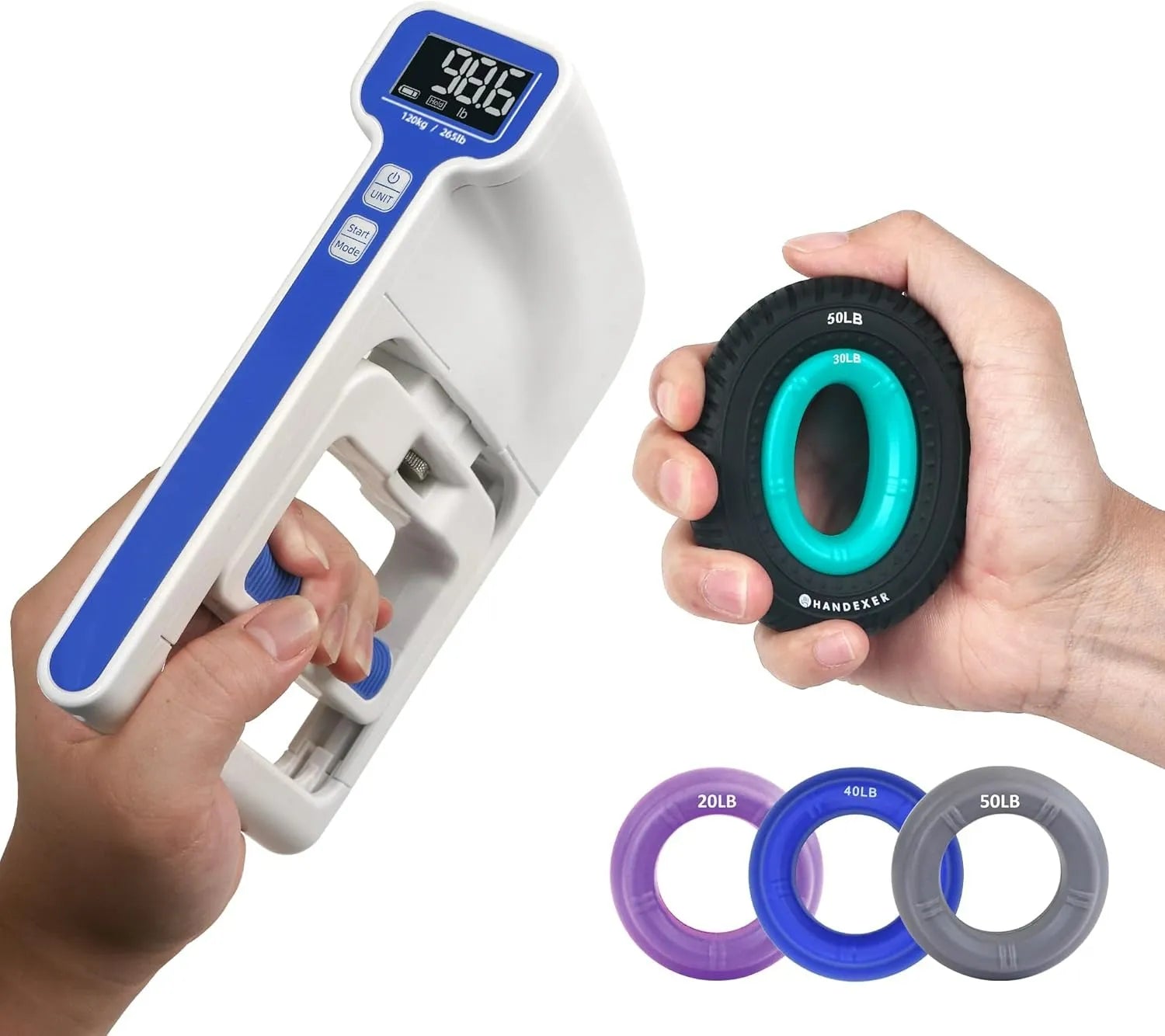
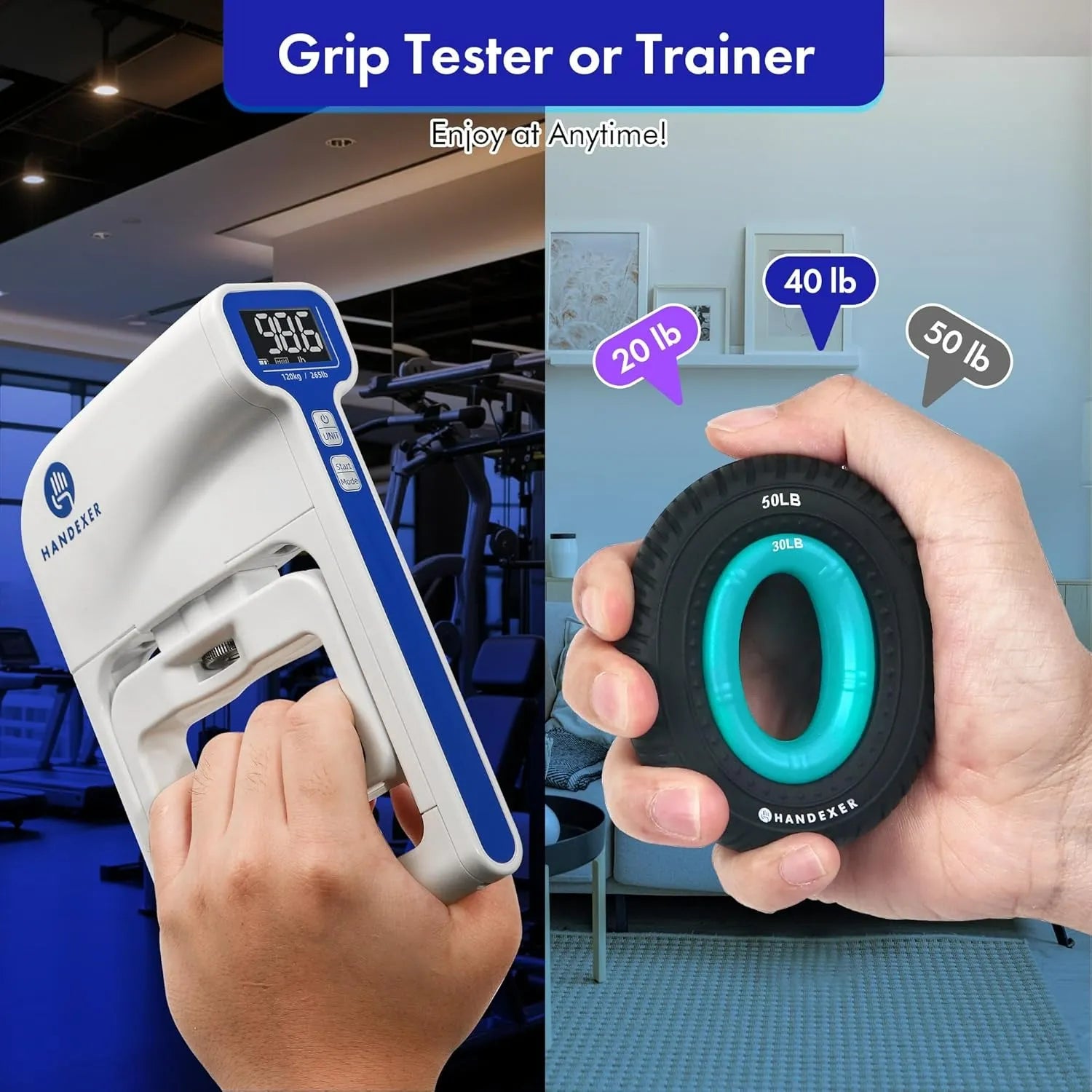
The most effective way to protect hand health is to use a digital hand dynamometer.
Once used mainly in clinical settings, it is now widely available for home use.It provides precise readings of your grip strength.
By tracking results over time:
- Measure once per week
- Watch for consistent downward trends
- Use real data instead of subjective feelings
If your grip strength is declining, you now have objective evidence to seek medical advice early.
Step 2: Train Based on Data, Not Guesswork
Once you have measurable results, you can train more effectively:
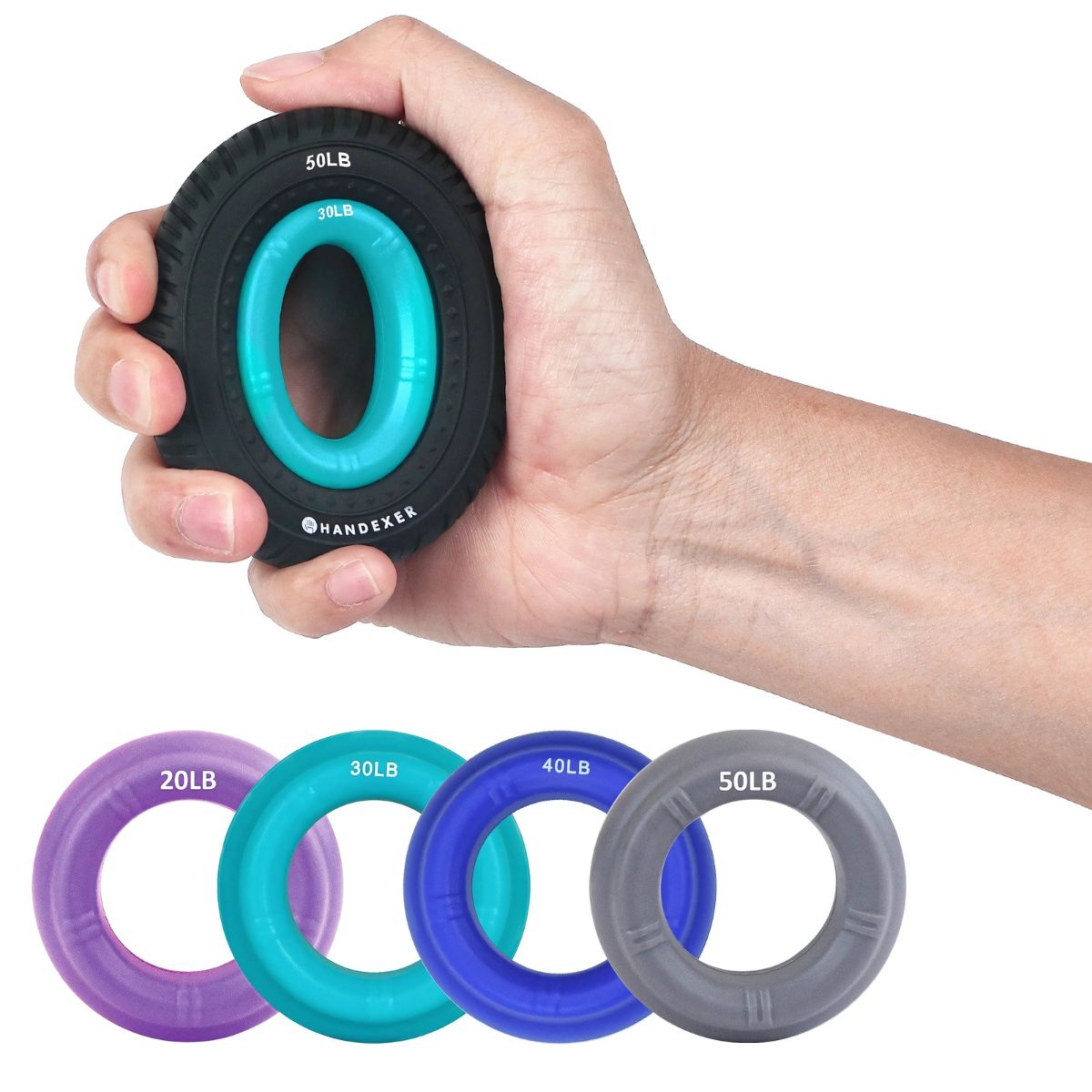
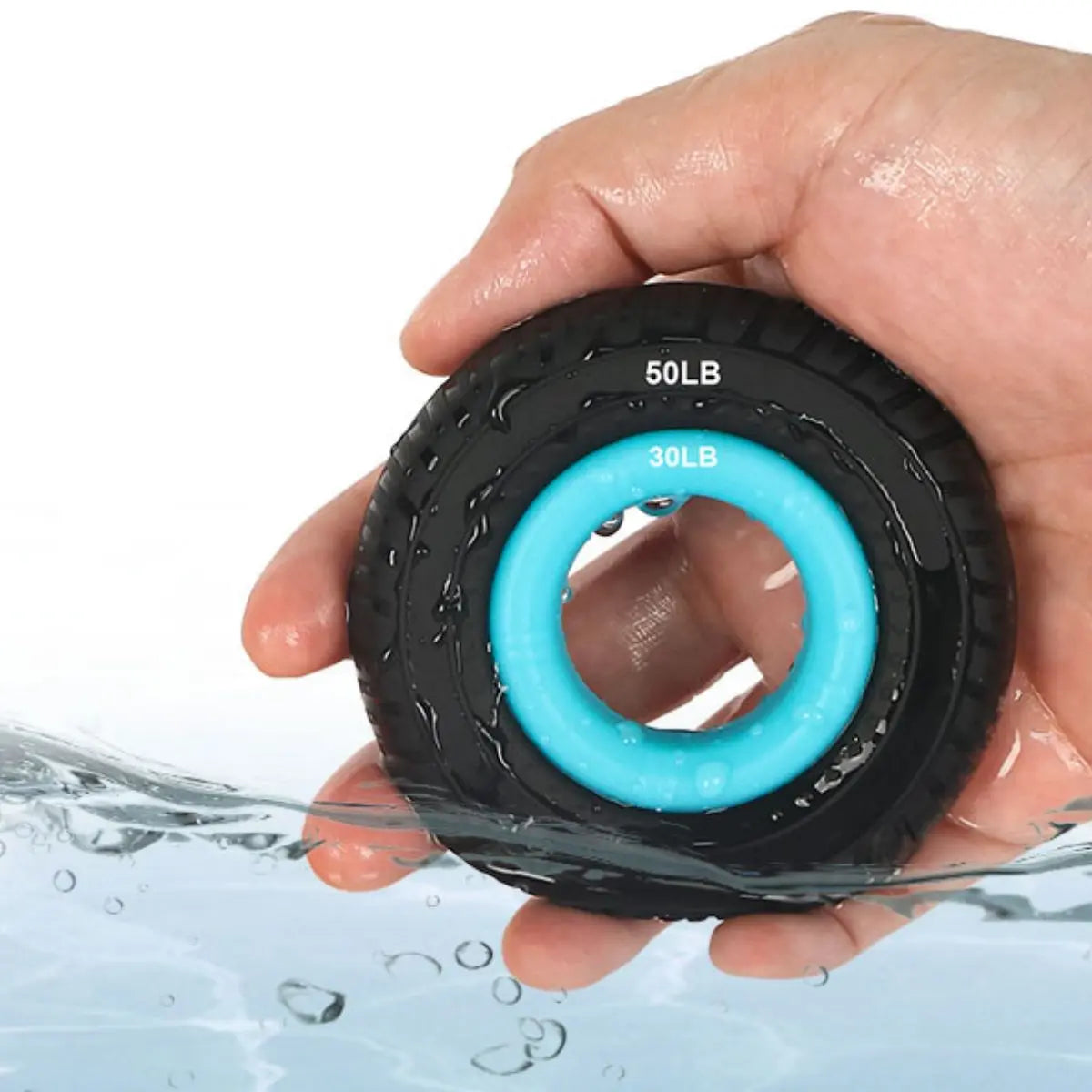
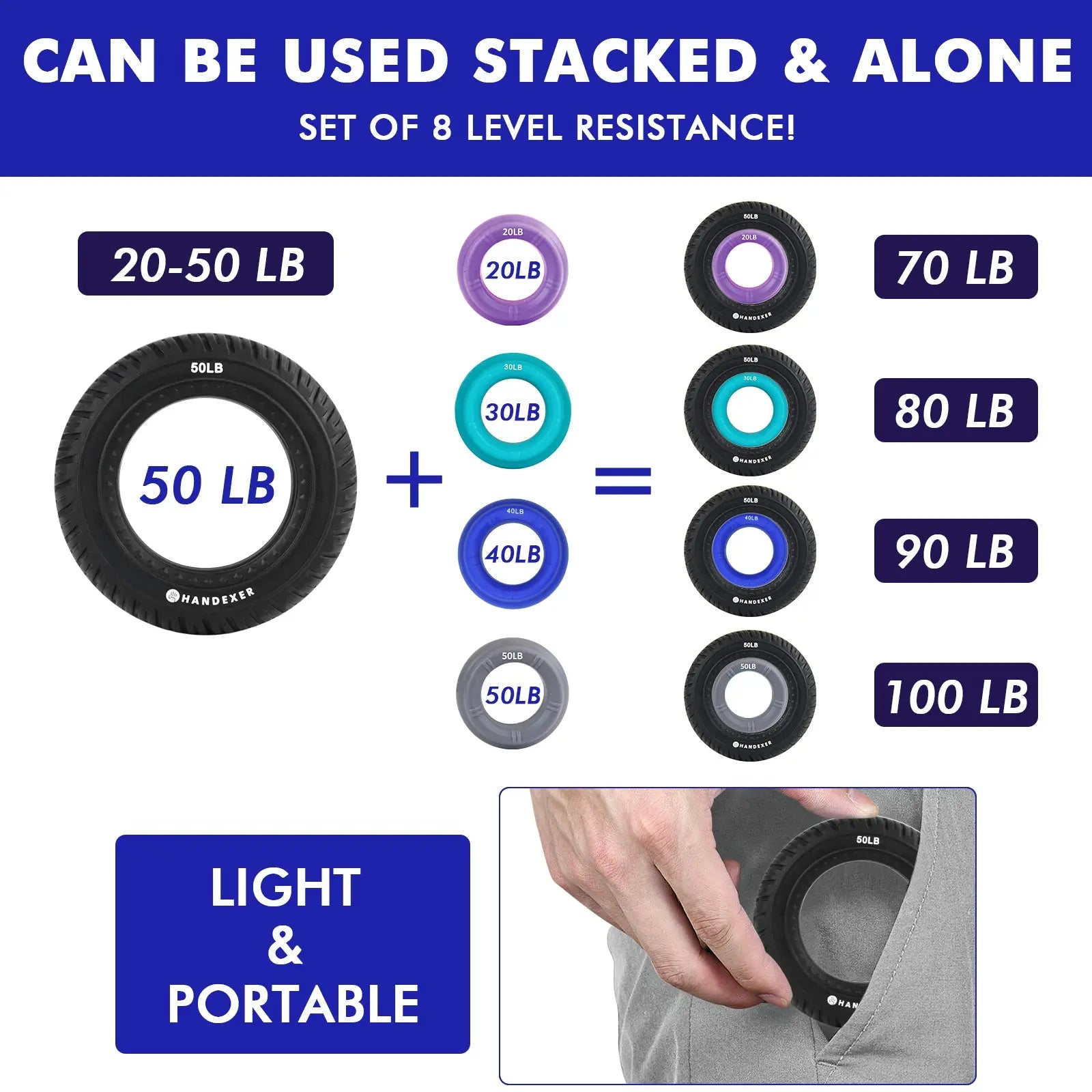
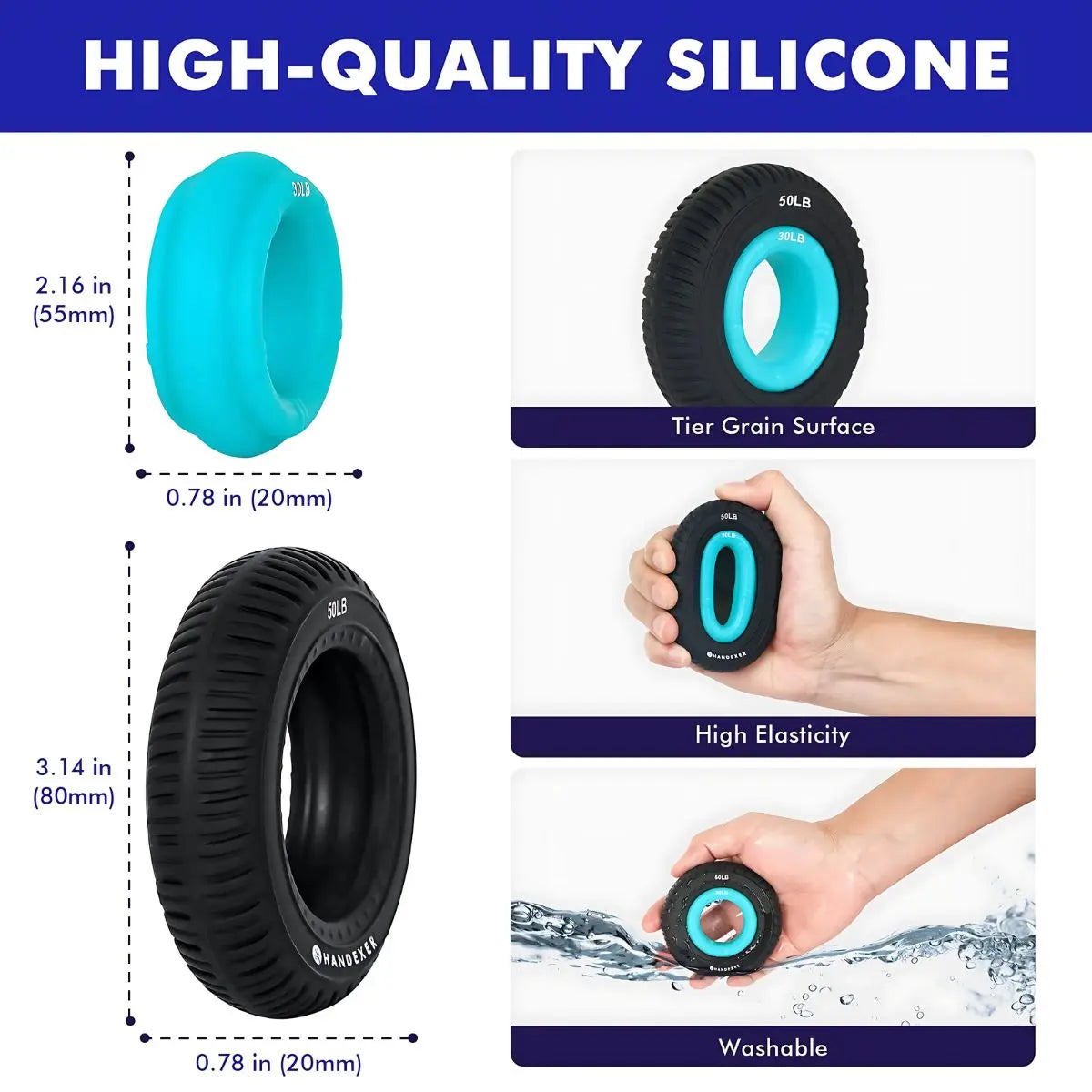
- Use different tools such as Silicone Grip Ring and finger resistance bands to activate different muscle groups
- Train consistently—5 minutes daily is more effective than occasional intense sessions
- Avoid overtraining—if your measured strength drops after exercise, it’s a clear sign to rest
Don’t Wait Until You Can’t Open a Jar
Grip strength is not just a fitness metric—it is one of the simplest and most reliable indicators of overall musculoskeletal health and aging.
Don’t wait until pain becomes severe or objects start slipping from your hands.Subjective feelings can be misleading—but data doesn’t lie.
Start measuring your grip strength today and take control of your hand health before problems progress.
FAQ
1. Is decreased grip strength always caused by arthritis?
Not always. It can also be caused by fatigue, nerve issues, or overuse. However, it is an important early warning sign to monitor.
2. How can I improve grip strength at home?
You can use grip trainers, perform hand exercises, and use tools like grip rings and stress balls for daily training.
3. How often should I measure my grip strength?
Measuring once or twice a week is ideal to track meaningful changes over time.
4. What is a healthy grip strength level?
It varies by age and gender. A reference chart can help you understand your baseline and track progress.







Share:
Grip Strength After Stroke: Safe Recovery Guide
Why Grip Strength Matters for Healthy Aging: Measure, Improve, and Restore Hand Function