
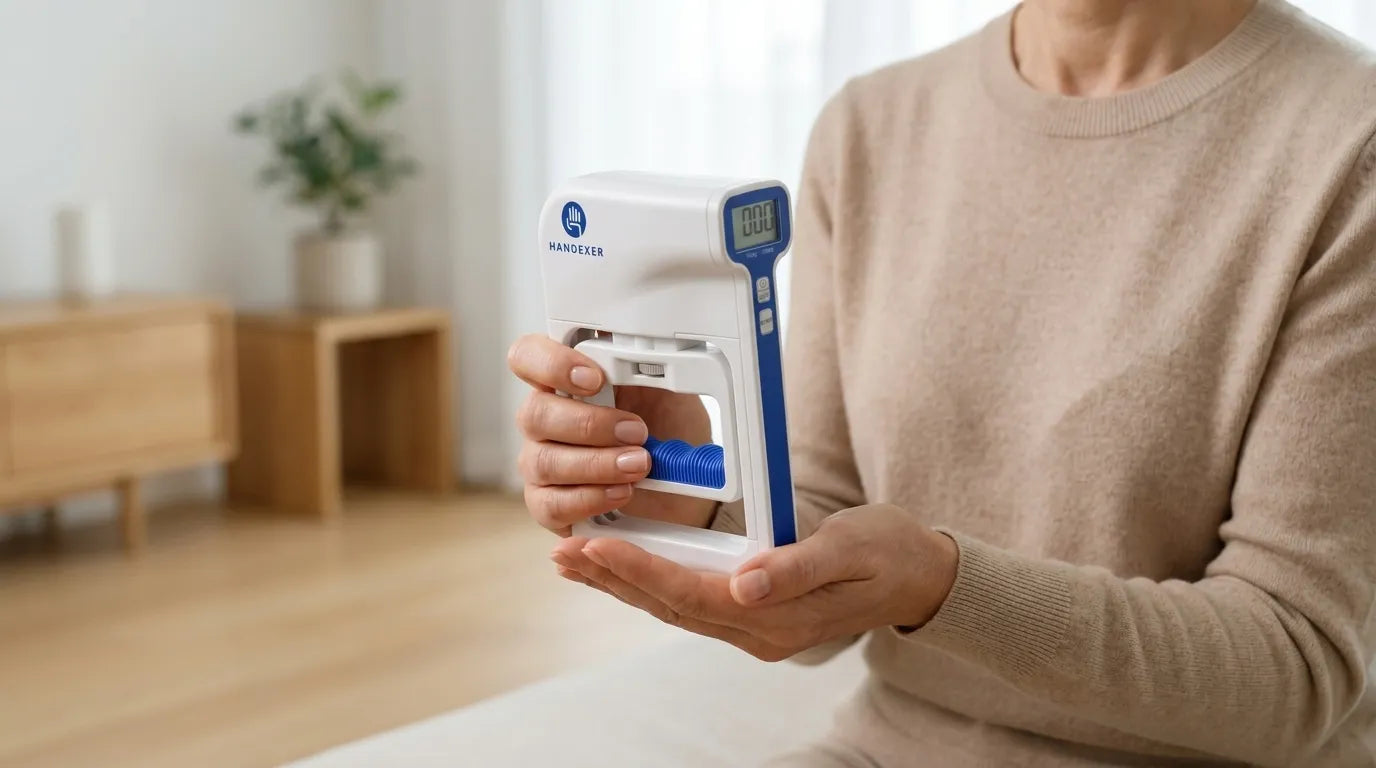
It is a common story: years ago, you took a bad fall, caught yourself with your dominant hand, and brushed it off without seeing a doctor. Fast forward to today, and that same hand just doesn’t feel right. It fatigues faster than the other, aches after repetitive tasks, and feels like it is permanently stuck at 80% capacity.
Lingering weakness from an old hand or wrist injury can affect everything from functional fitness to simple daily chores. When you realize your hand strength has been compromised, the natural instinct is to try and strengthen it immediately. However, diving straight into heavy grip training can easily lead to re-injury.
At Handexer, we believe that hand health is not just about raw grip strength—it is about functional recovery. Rebuilding your hand strength safely requires a structured approach: assessing your baseline, training with purpose, and tracking your progress. Here is how to navigate your recovery journey with confidence.
Why Hand Strength Loss Happens After Injury
After an injury, strength loss isn’t just about weaker muscles.
It’s also caused by:
- Reduced mobility
- Poor circulation
- Decreased neuromuscular activation
- Pain-related movement limitations
👉 This is why simply “waiting” is often not enough.Without active recovery, these issues can slow progress significantly.
How Long Does It Take to Recover Hand Strength?
Recovery time varies depending on injury severity and duration:
- Mild strain or overuse: 2–4 weeks
- Moderate injury: 4–8 weeks
- Post-surgical or severe injury: 8–12+ weeks
- Chronic or old injuries: several months of consistent training
The key variable is not just time—it is consistency and training quality.
A 3-Phase Hand Rehabilitation Framework
A structured approach prevents re-injury and ensures steady progress.
Step 1: Assess Your Current Hand Function (Stop Guessing)
Many people describe their condition as:“My injured hand feels about 20% weaker.”
But perceived weakness is not the same as measurable weakness.
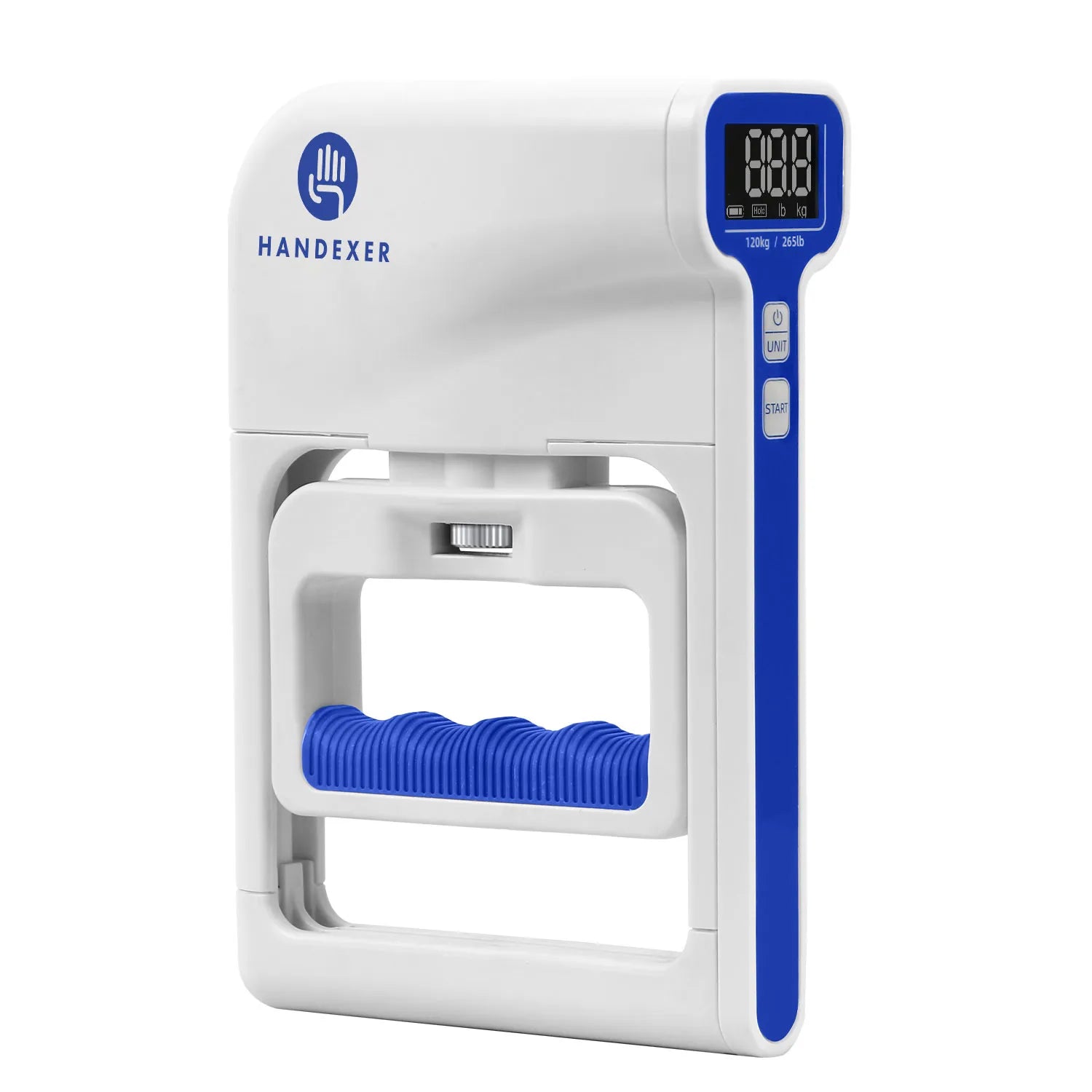
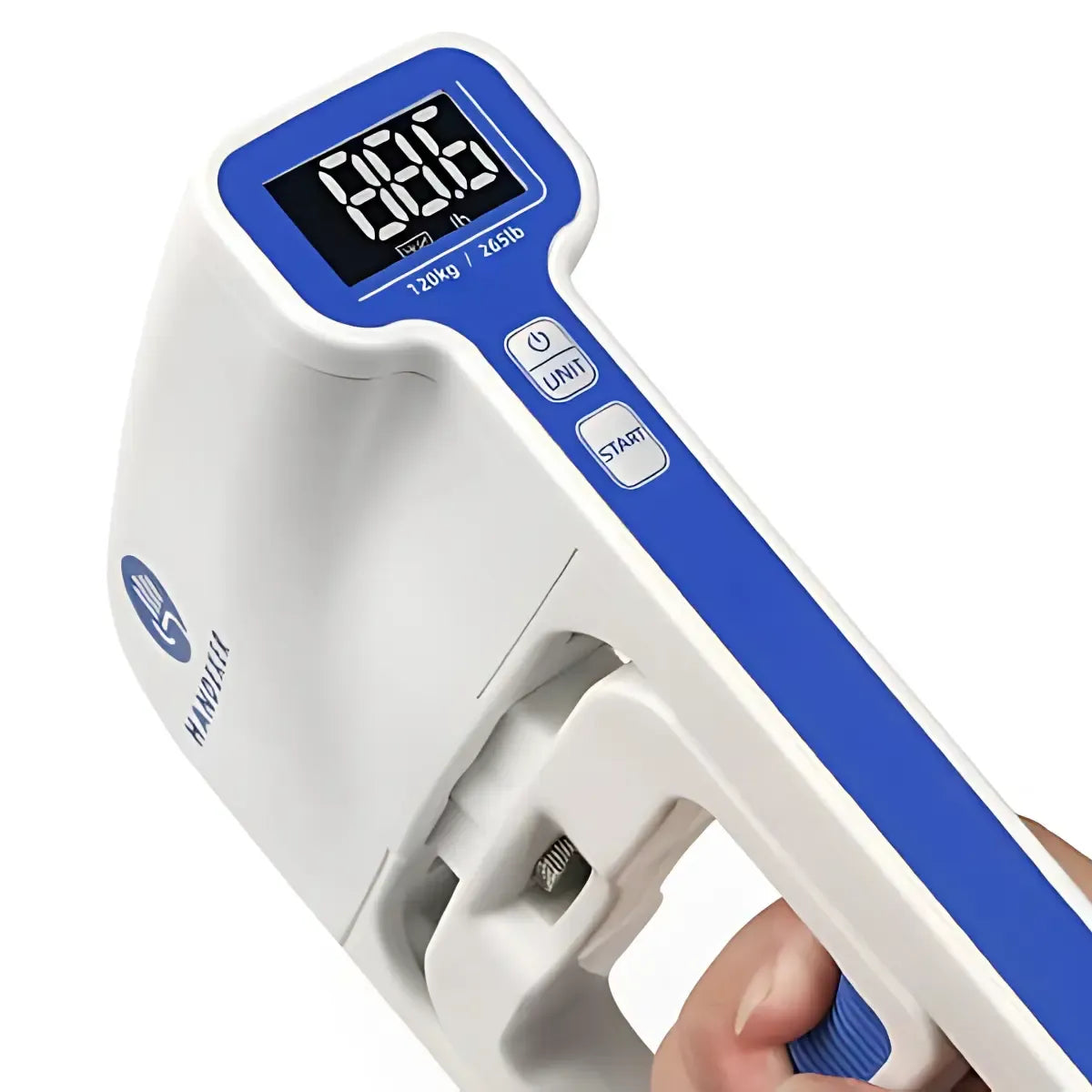
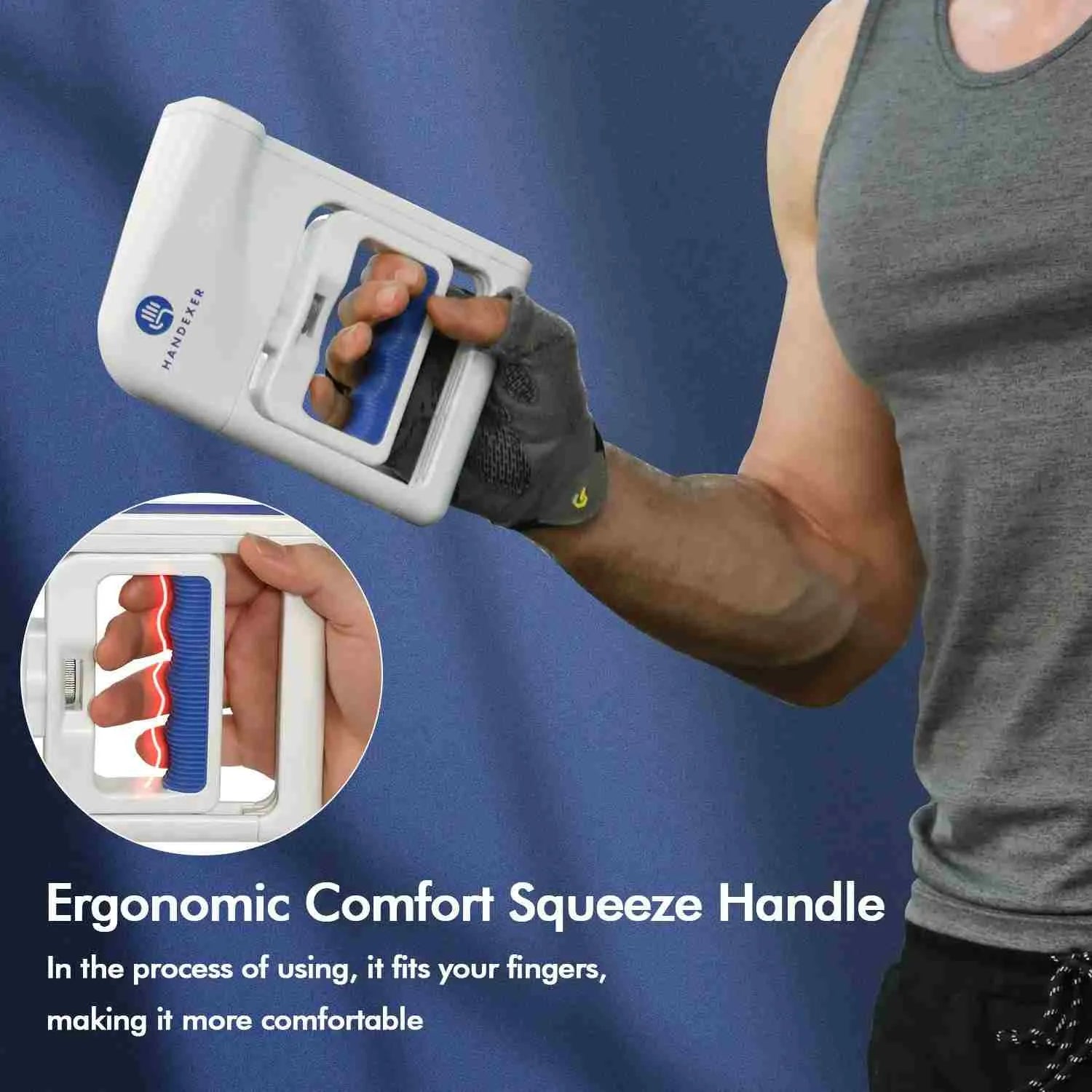
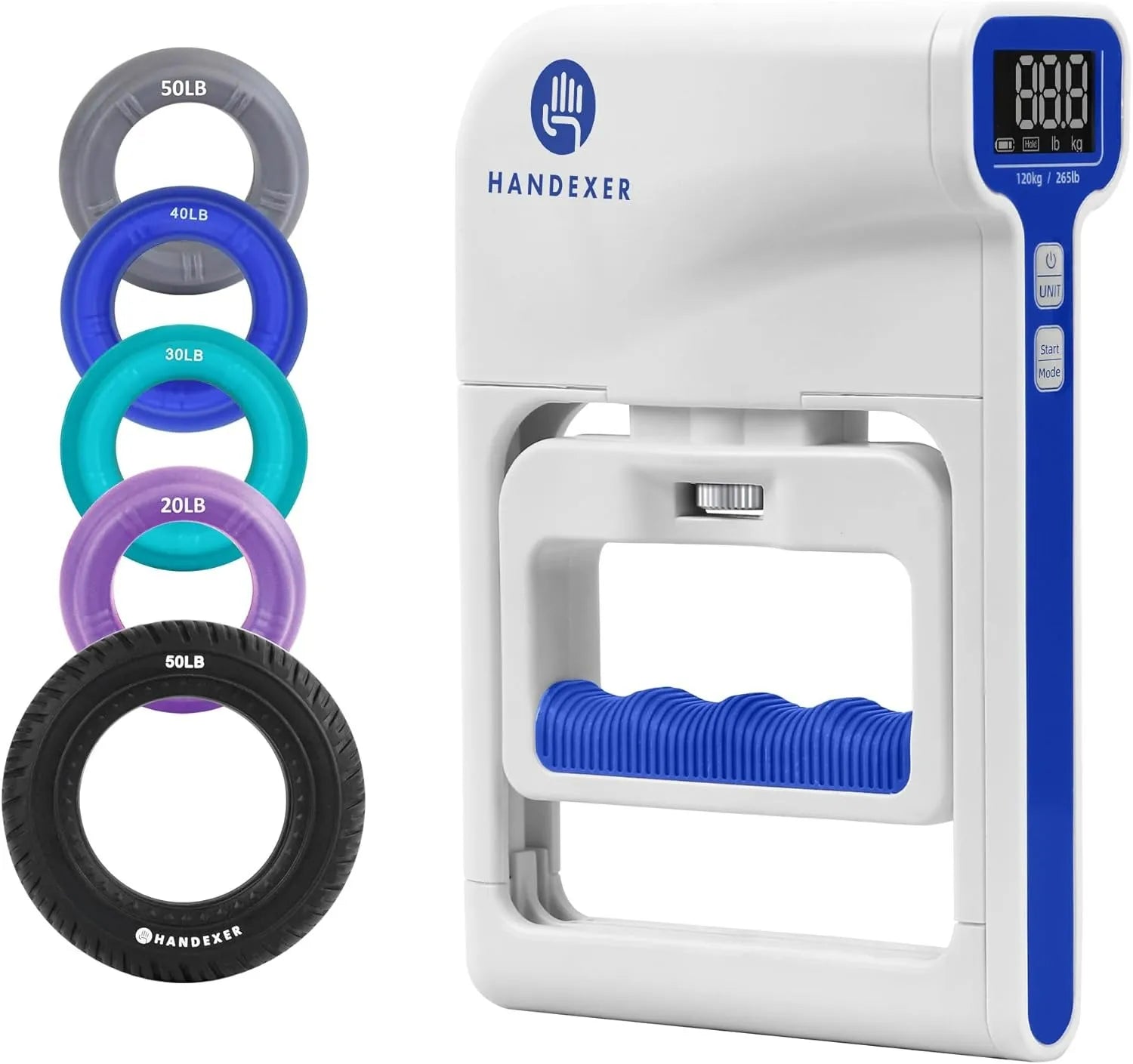
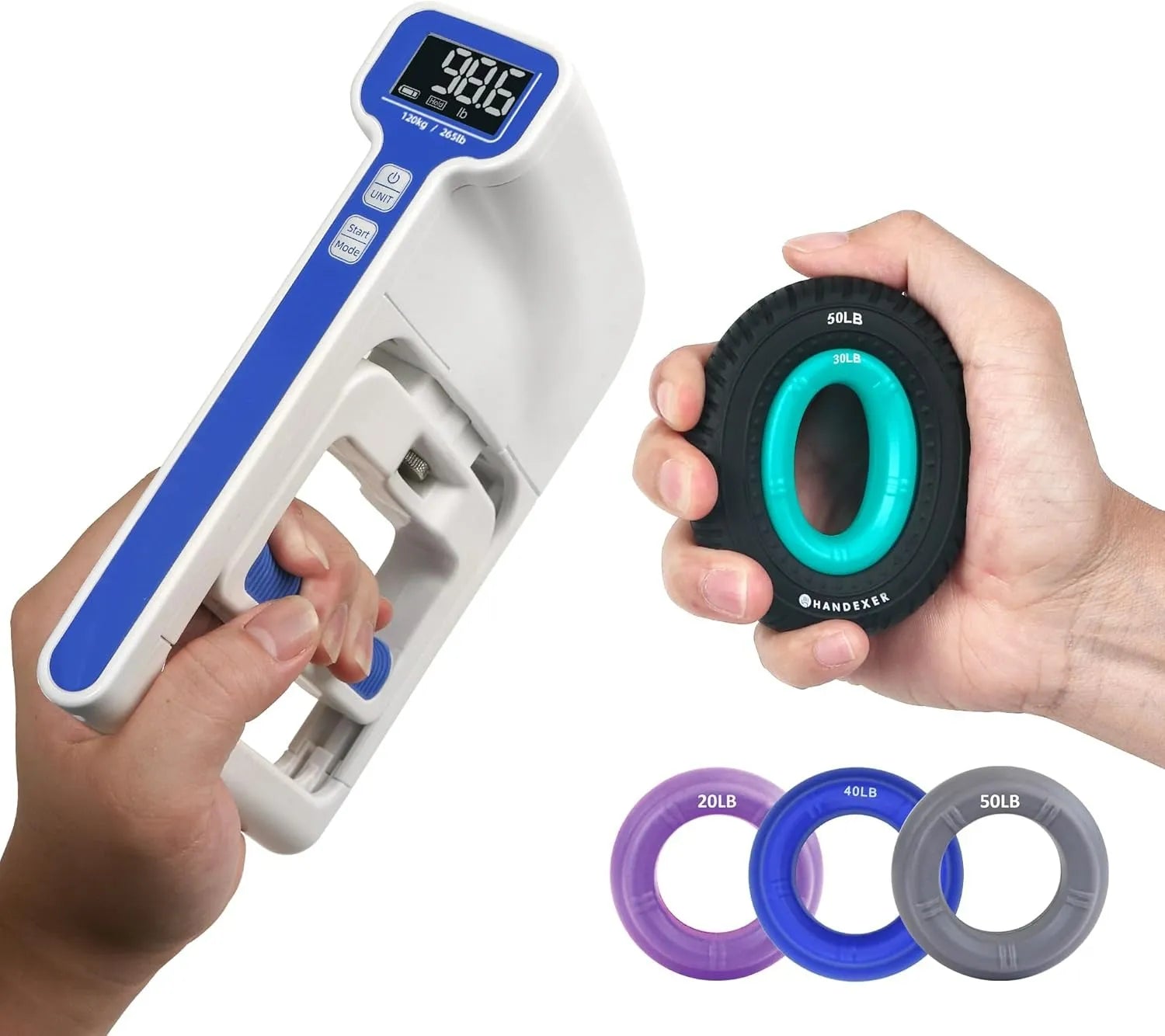
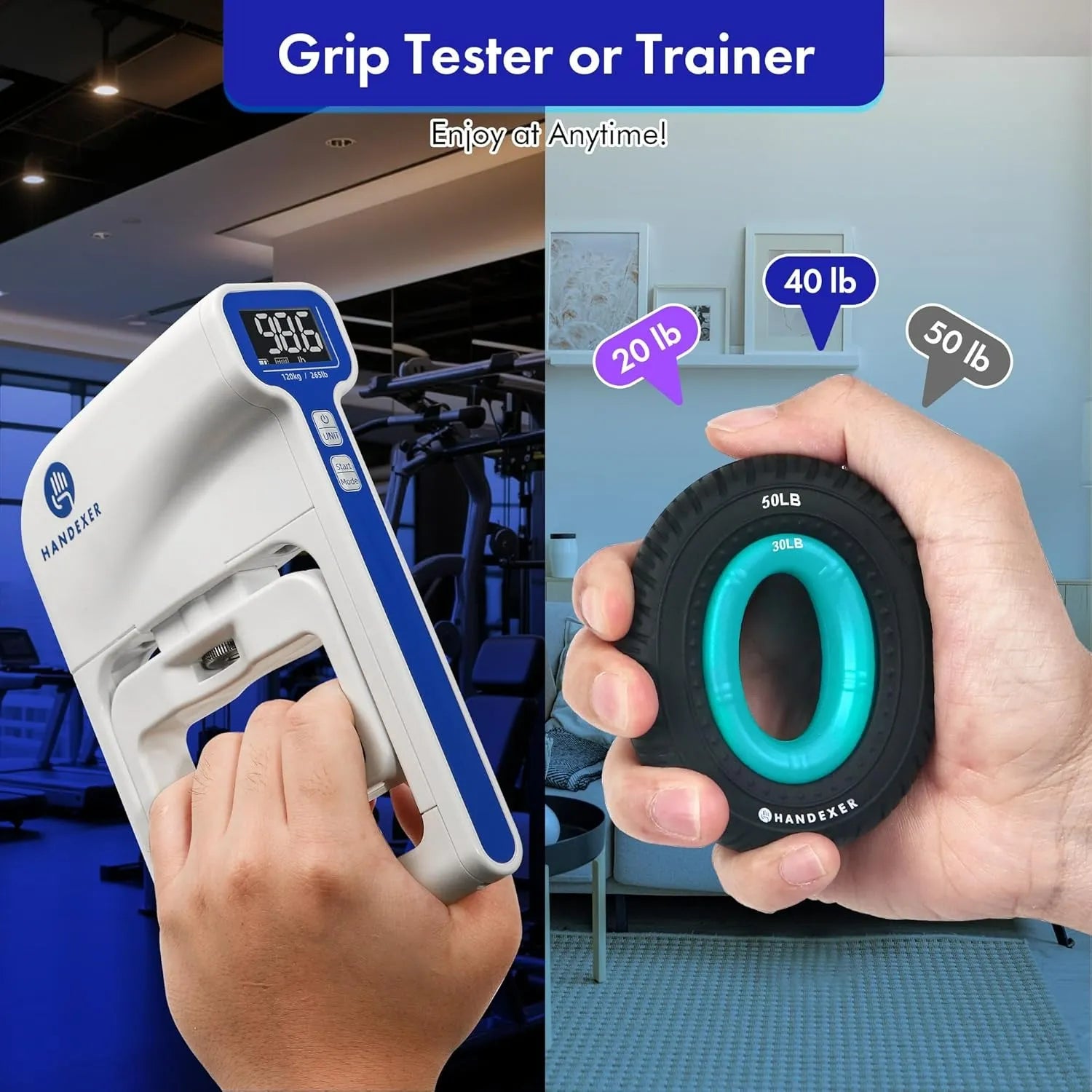
You cannot improve what you do not measure.That is why the first step in recovery is establishing a clear, objective baseline. A digital hand dynamometer allows you to accurately measure grip strength in both hands.
This gives you:
- A precise strength gap between hands
- Insight into endurance vs peak force differences
- A clear starting point for structured recovery
Without measurement, recovery is guesswork. With measurement, it becomes a plan.
👉 To begin properly, establish your baseline using a digital dynamometer before starting training.
Step 2: Train with Purpose (Safe, Progressive Recovery)
Once you know your baseline, it is time to rebuild. The biggest mistake people make during hand rehabilitation is training too heavy, too fast.
Rebuilding hand function requires a patient, progressive approach. Your goal is not to set a new personal record; your goal is to restore function safely.
-
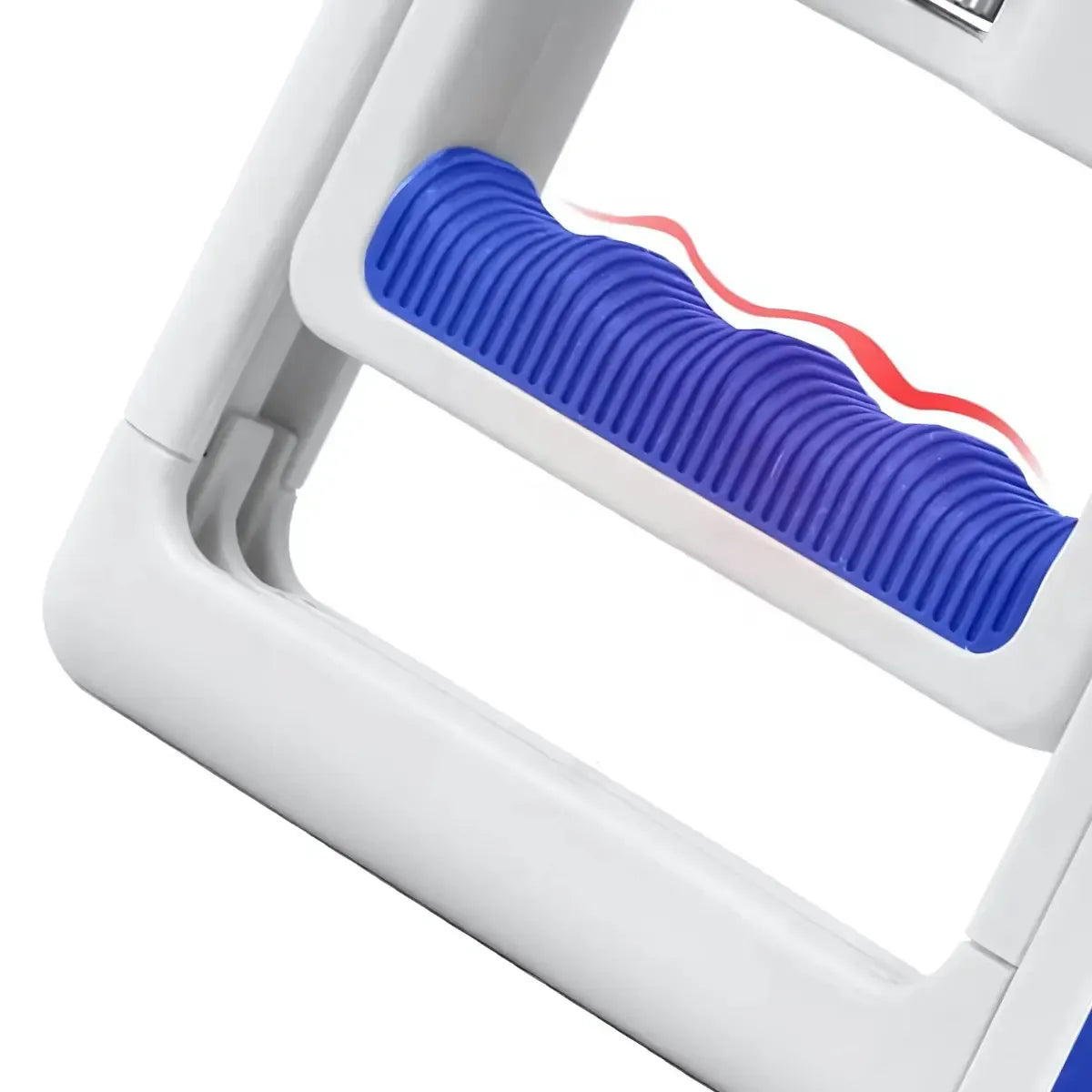
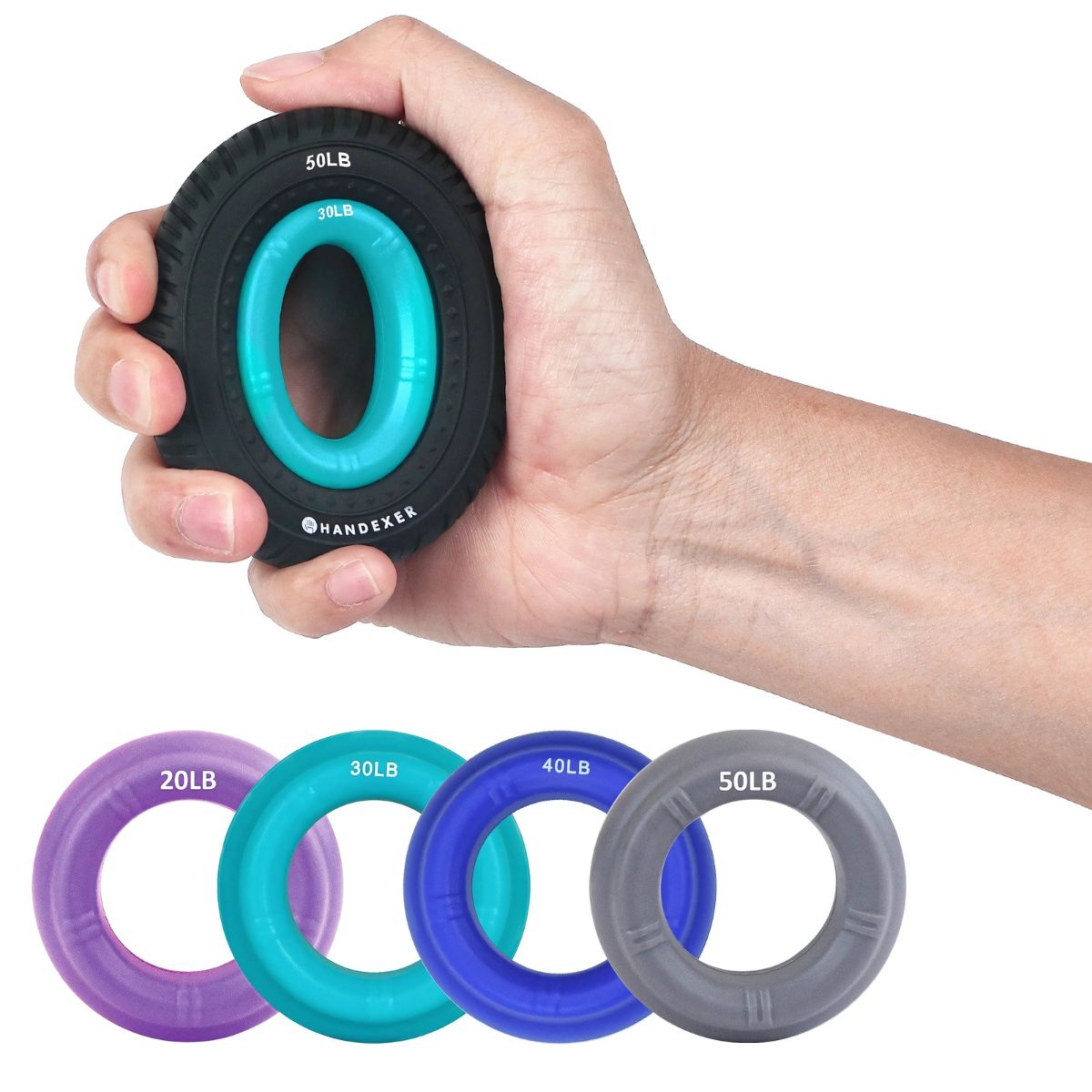
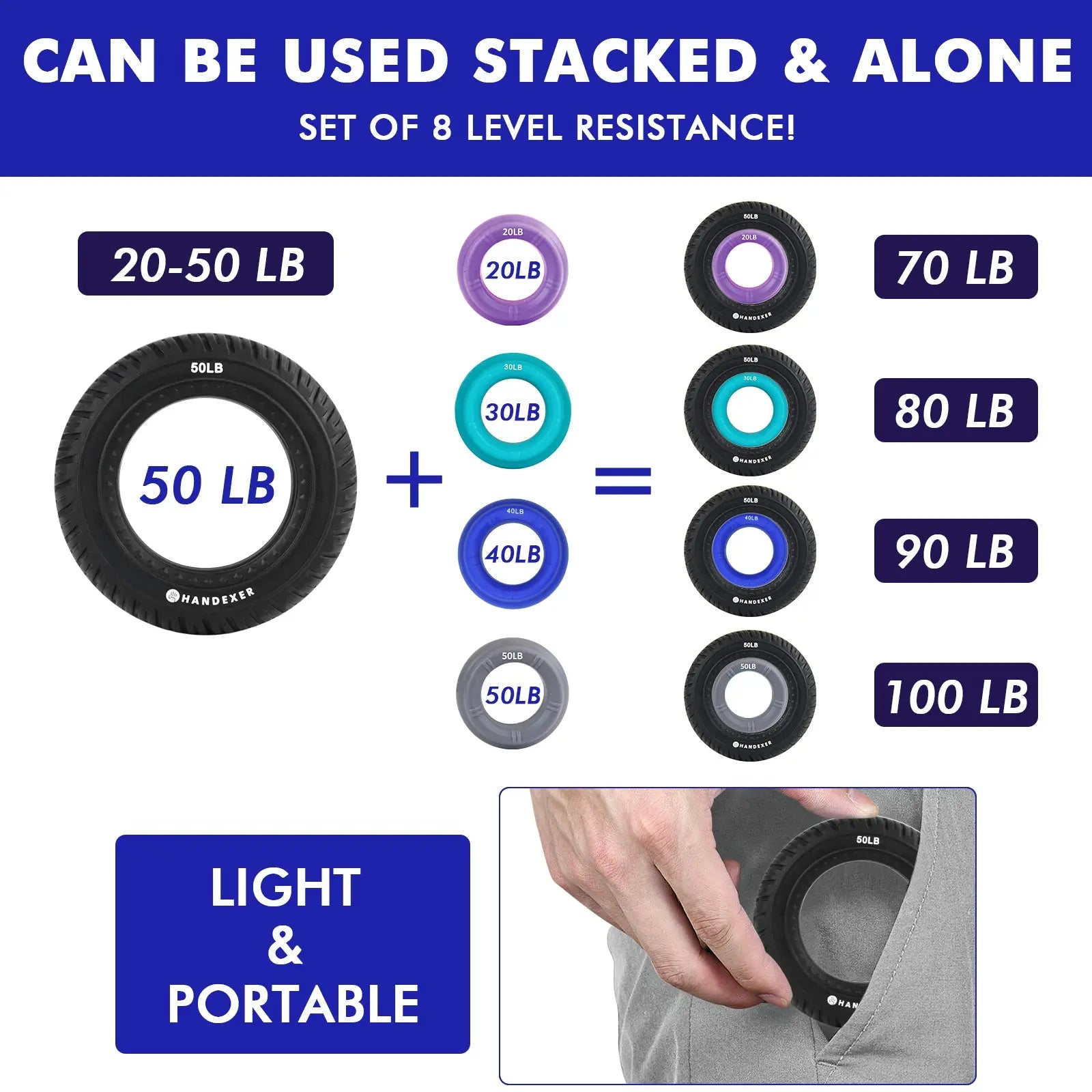
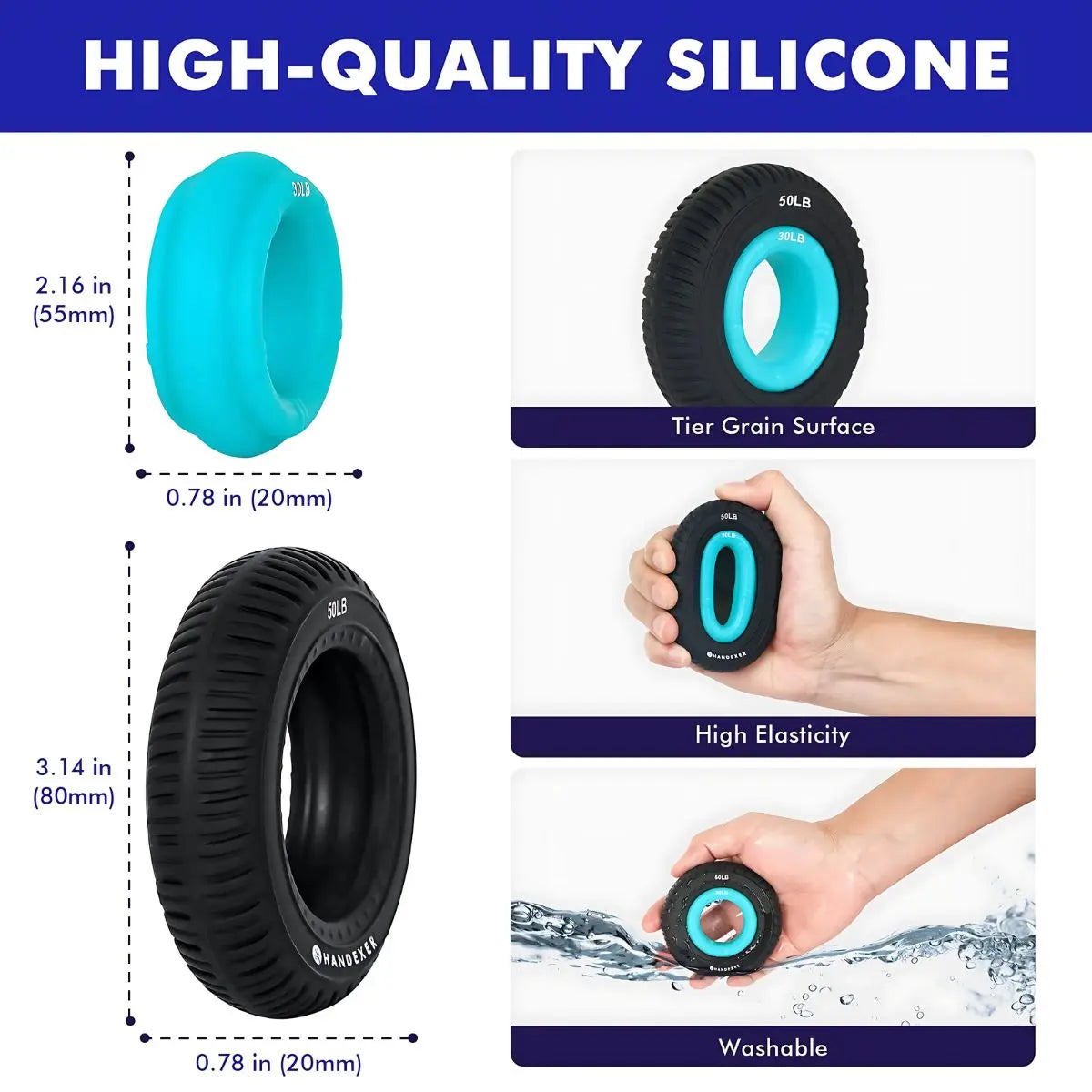
Start with Low Resistance: Use adjustable hand training tools that allow you to set the resistance at a highly manageable level. This ensures you are stimulating the muscles and tendons without overloading them.
-
Focus on Endurance over Max Force: If your injured hand fatigues quickly, focus on sustained, low-intensity holds rather than quick, heavy squeezes.
-
Train Both Sides: Do not neglect your healthy hand. Continue to train it, but use it as the benchmark for your injured hand to catch up to.
-
Include Finger Extension: A healthy hand requires balance. If you only train your squeezing (flexion) muscles, you risk creating tendon imbalances. Incorporate finger extension exercises to support complete hand health.
Train with purpose. Every session should have a specific goal, whether that is holding a light resistance for 10 seconds longer or smoothly completing a full range of motion without discomfort.
Step 3: Track Your Progress to Build Confidence
One of the biggest challenges in recovery is perception.Because improvements are small and gradual, it often feels like nothing is changing.
Tracking removes this uncertainty.By measuring your grip strength weekly and recording results, you make progress visible:
- 40 lbs → 45 lbs → 50 lbs
- Small gains become meaningful milestones
- Training becomes motivating instead of discouraging
👉 What you can measure, you can improve with confidence.
Conclusion: Recovery is a Measurable Journey
Rebuilding hand strength after an old injury does not have to be a guessing game. By taking a structured approach, you protect your hand from further strain while steadily working your way back to full function.
Remember the Handexer philosophy: Measure clearly, train with purpose, and recover with confidence.
Whether you are recovering from an old sports injury, an accidental fall, or general age-related wear and tear, understanding your hand health is the first step toward reclaiming it.
👉Stop guessing and start recovering. Explore Handexer’s professional assessment and recovery tools today to take control of your hand health journey.
FAQ
1.How long does it take to rebuild hand strength after an injury?
The timeline for rebuilding hand strength varies greatly depending on the severity and age of the injury. Mild strains can improve in a few weeks, while chronic, old injuries may take several months of consistent, purposeful training to see significant functional recovery. Always follow your medical provider's timeline.
2.Is it normal for one hand to be weaker after an old injury?
Yes. Even after the initial pain subsides, a hand that has suffered an injury often loses muscle mass and neurological efficiency due to underuse. It is very common to experience a noticeable strength gap between your dominant and non-dominant hand post-injury.
3.Can I use hand grippers for injury rehabilitation?
Yes, but they must be used carefully. Avoid heavy, non-adjustable grippers that force you to exert maximum effort. Instead, opt for adjustable training tools that allow you to start with very light resistance, ensuring you rebuild your hand strength progressively and safely.






Share:
Why Grip Strength Matters for Healthy Aging: Measure, Improve, and Restore Hand Function
Are Hand Grippers Effective?The Truth About Building Real Hand Function