
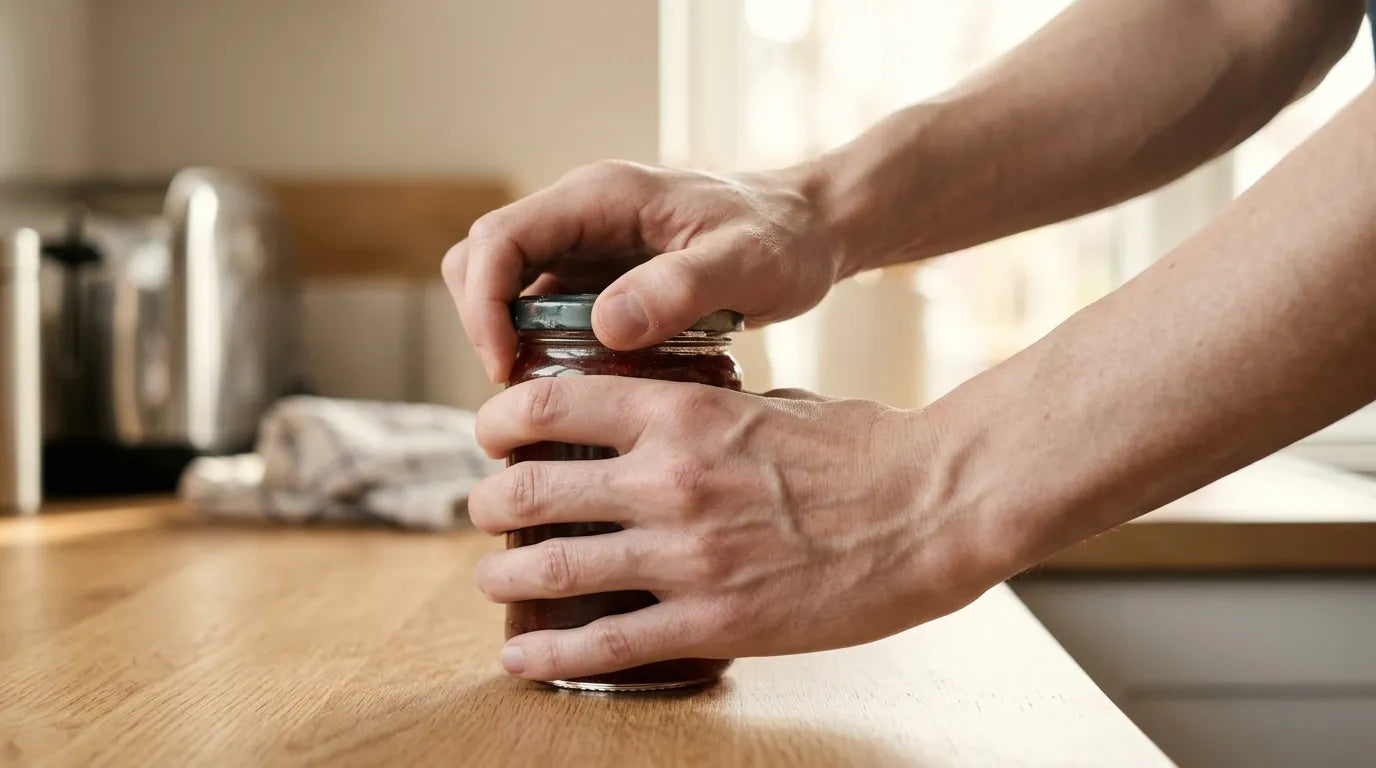
Have you ever struggled to twist open a stubborn jar lid? Or felt an unexpected wave of fatigue and soreness just from carrying your grocery bags?Many of us dismiss these moments as "just having a bad day" or simply being "not naturally strong." But what if this isn't just about a tight lid?
According to research published in leading medical journals like The Lancet and JAMA, grip strength is not merely a measure of arm power—it is a vital sign of your overall health.
When your grip weakens, your body is sending a critical signal: it is time to intervene before simple daily tasks become a source of frustration and physical pain.
Why Grip Strength Declines
Grip strength rarely declines randomly. In most cases, it is the result of multiple underlying physiological and lifestyle factors gradually accumulating over time.
1. Sarcopenia (Age-Related Muscle Loss)
From as early as your 30s, the body begins to lose muscle mass and fast-twitch fibers. This process—known as sarcopenia—first affects the small muscles of the hands and forearms, making grip weakness one of the earliest visible signs of functional aging.
2. Modern Sedentary Lifestyle
Prolonged hours of typing, scrolling, and touchscreen use create repetitive low-load movements without meaningful resistance. Over time, the neuromuscular system adapts downward, reducing the ability to generate sustained force.
3. Vitamin D Deficiency and Nutritional Gaps
Vitamin D is essential for muscle contraction and neuromuscular signaling. Deficiency, especially when combined with insufficient protein intake, can lead to reduced strength, increased fatigue, and slower recovery.
4. Nerve Compression or Neurological Strain
Conditions such as carpal tunnel syndrome, cervical nerve compression, or peripheral neuropathy can interfere with signal transmission between the brain and hand muscles. Early signs often appear as subtle weakness or reduced endurance rather than pain.
5. Joint Inflammation and Degeneration
Chronic inflammation or early-stage arthritis in the wrists or fingers can limit force output even before obvious swelling or pain appears, often leading to compensatory movement patterns that further reduce grip efficiency.
The Hidden Cost of a Weak Grip
Why should you care about grip strength beyond the kitchen? From a kinesiology perspective, your hands are the bridge between your brain’s intent and the physical world.
-
Neuromuscular Decoupling: In our modern, screen-driven lives, our hands are often stuck in repetitive, shallow motions. The deep flexor muscles in your forearms begin to "hibernate," causing the nerve-muscle connection to weaken. This is why you feel shaky or weak when trying to perform tasks that require sustained force.
-
The Domino Effect of Compensation: When your grip fails, your body compensates. Your shoulders, elbows, and wrists are forced to take on loads they weren’t designed for. Over time, this "compensatory stress" is a leading driver of chronic issues like tennis elbow, wrist inflammation, and poor posture.
-
The Loss of Independence: The most subtle, yet damaging, consequence is the psychological toll. Losing the ability to easily perform everyday tasks creates a sense of helplessness. Whether you are a fitness enthusiast hitting a plateau or someone who simply wants to maintain independence as you age, restoring your grip is about reclaiming your autonomy.
Your Path to Strength: The Science-Based Solution
Awareness is the first step, but how do you build strength safely and effectively? You don't need a gym membership to reverse this. Studies prove that just 5 minutes of progressive, consistent grip training per day can increase your strength by 15-25% in as little as 8-12 weeks.
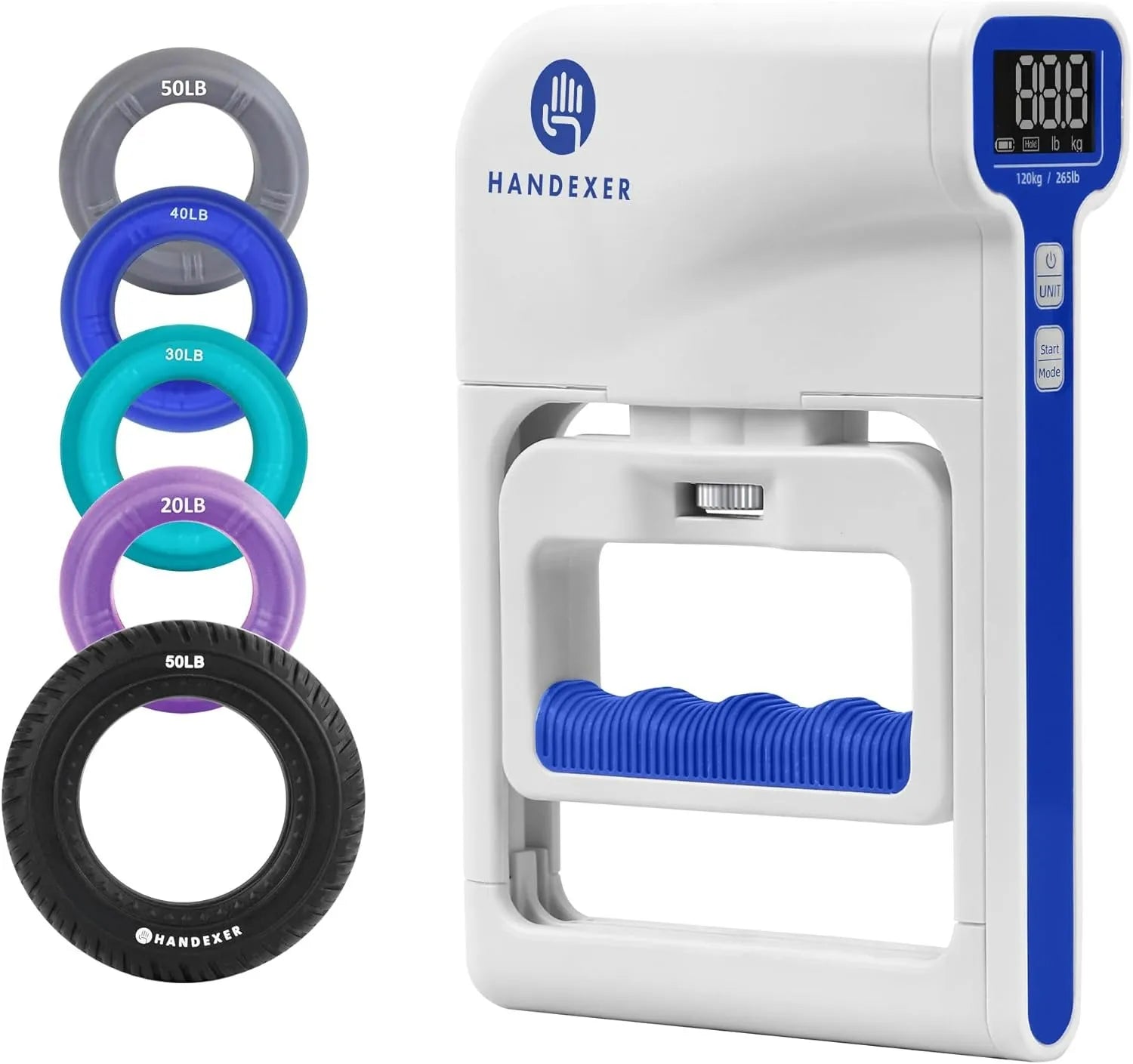
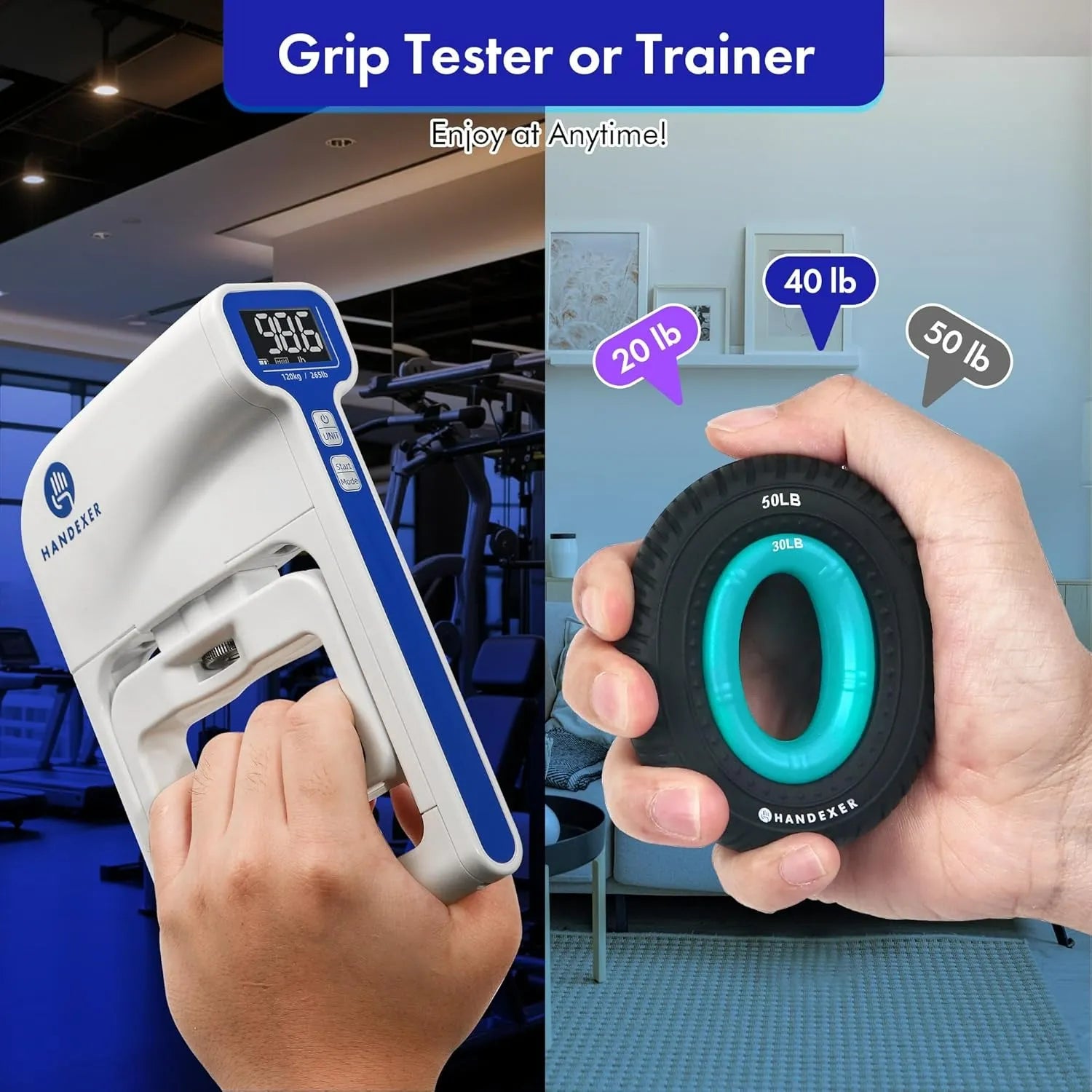
1. The All-in-One Starter Kit: Handexer Grip Strength Tester & Trainer Set
Best for: Those ready to take a data-driven approach to their health.
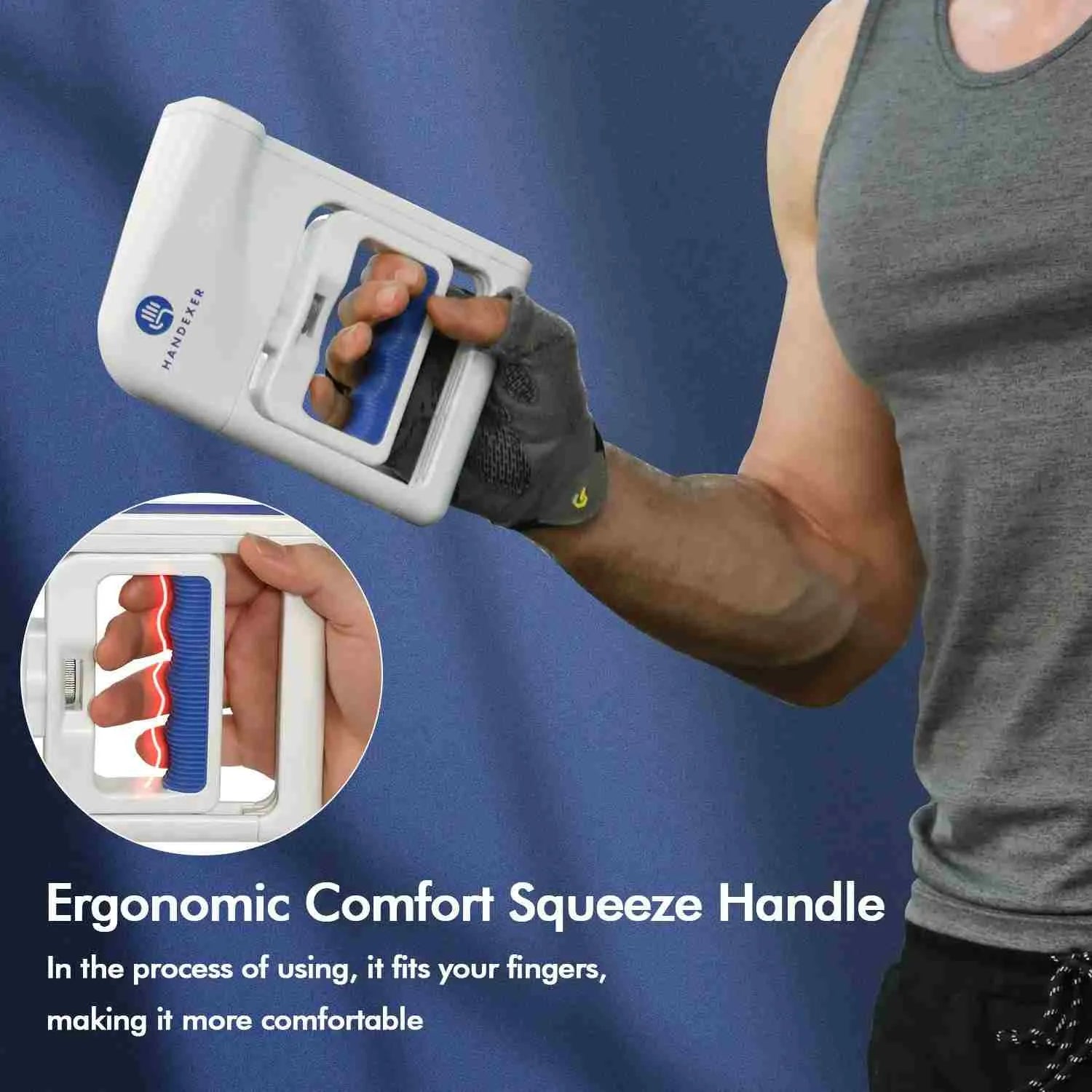
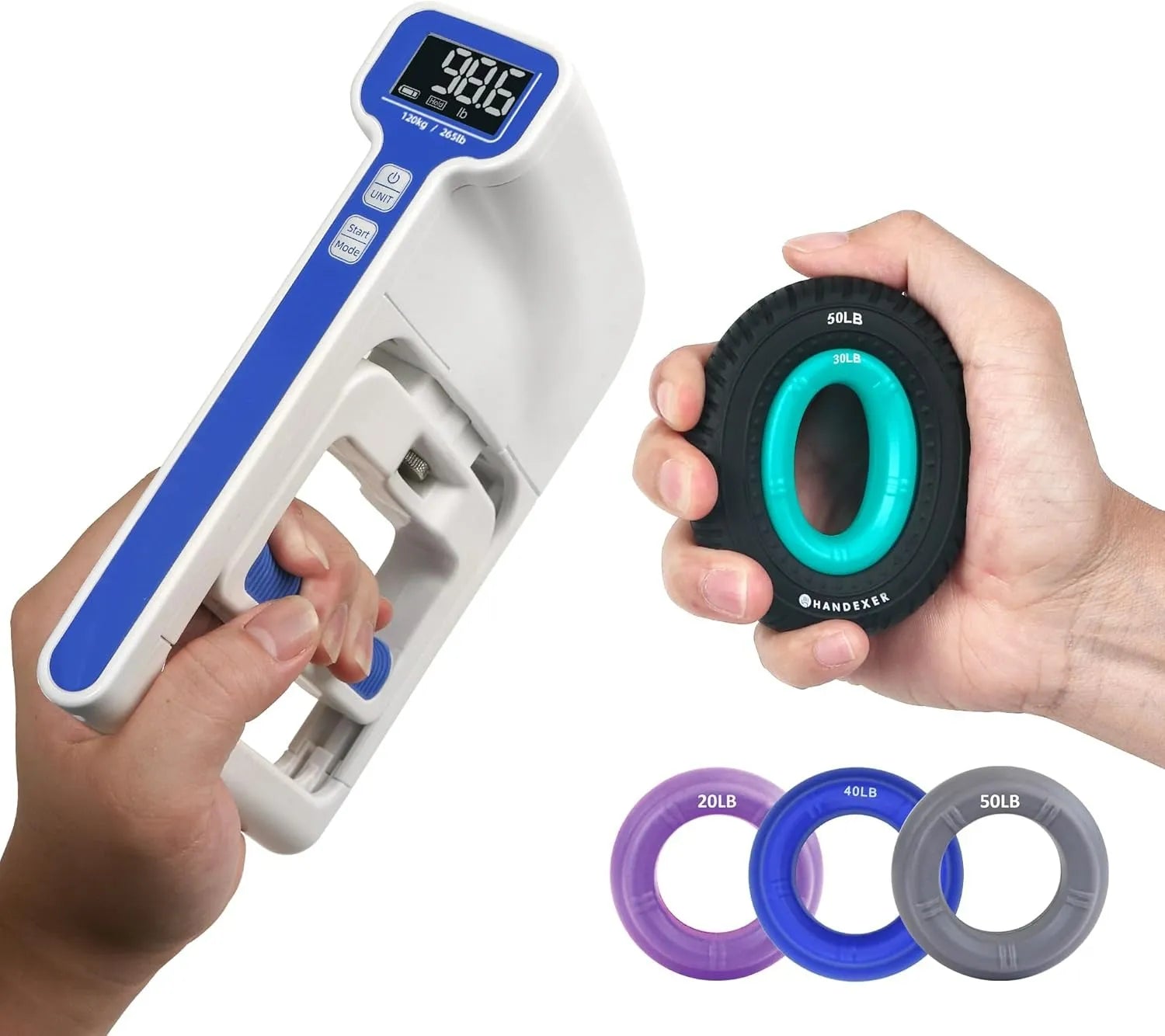
You cannot improve what you do not measure. This comprehensive set bridges the gap between assessment and action. It includes our precision digital tester to establish your baseline and a variety of resistance rings to ensure you are building strength every single day.
$45.99
Start your recovery journey2. High-Precision: Handexer Digital Grip Strength Tester
Best for: individuals who prioritize data, post-rehabilitation monitoring, or those tracking specific strength gains.
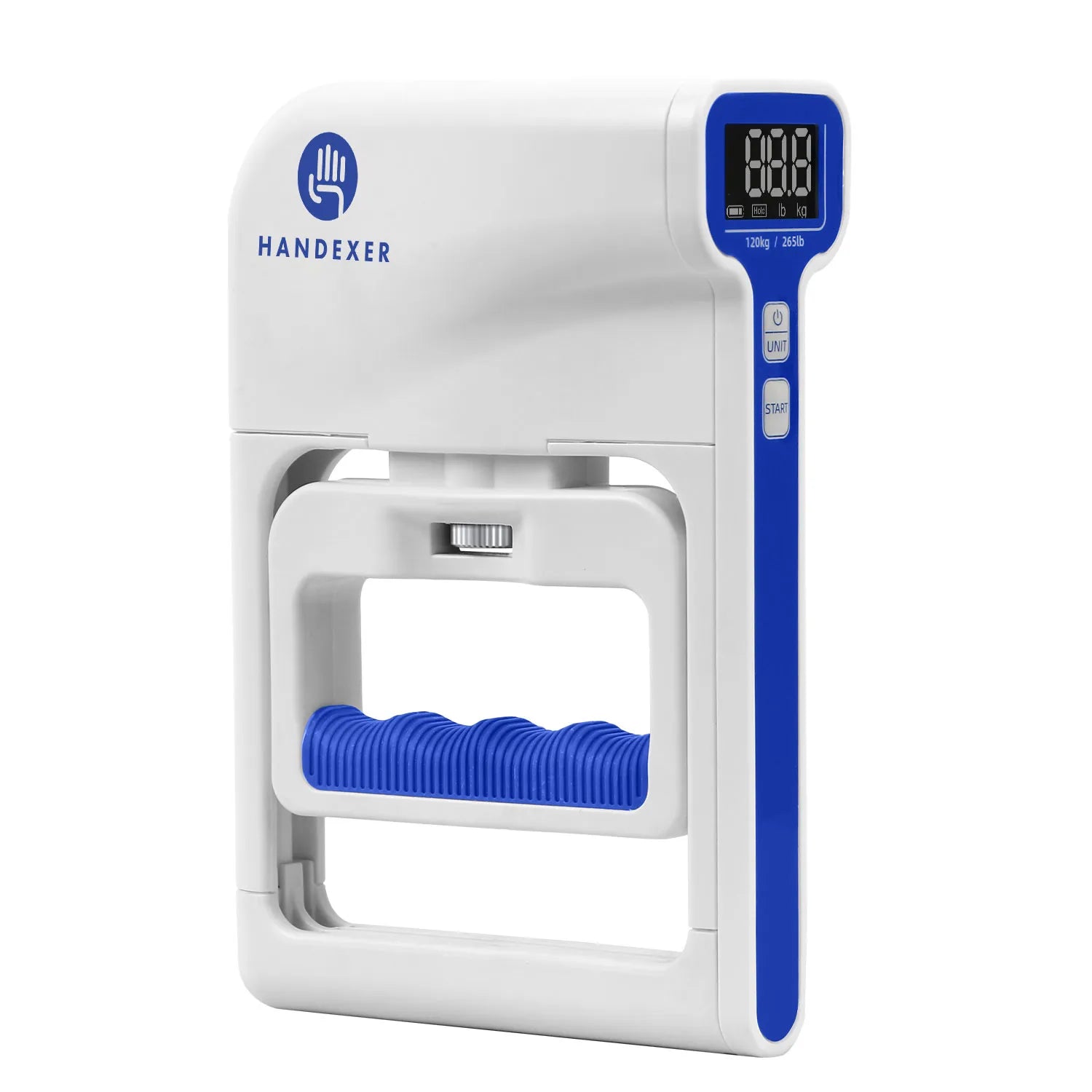
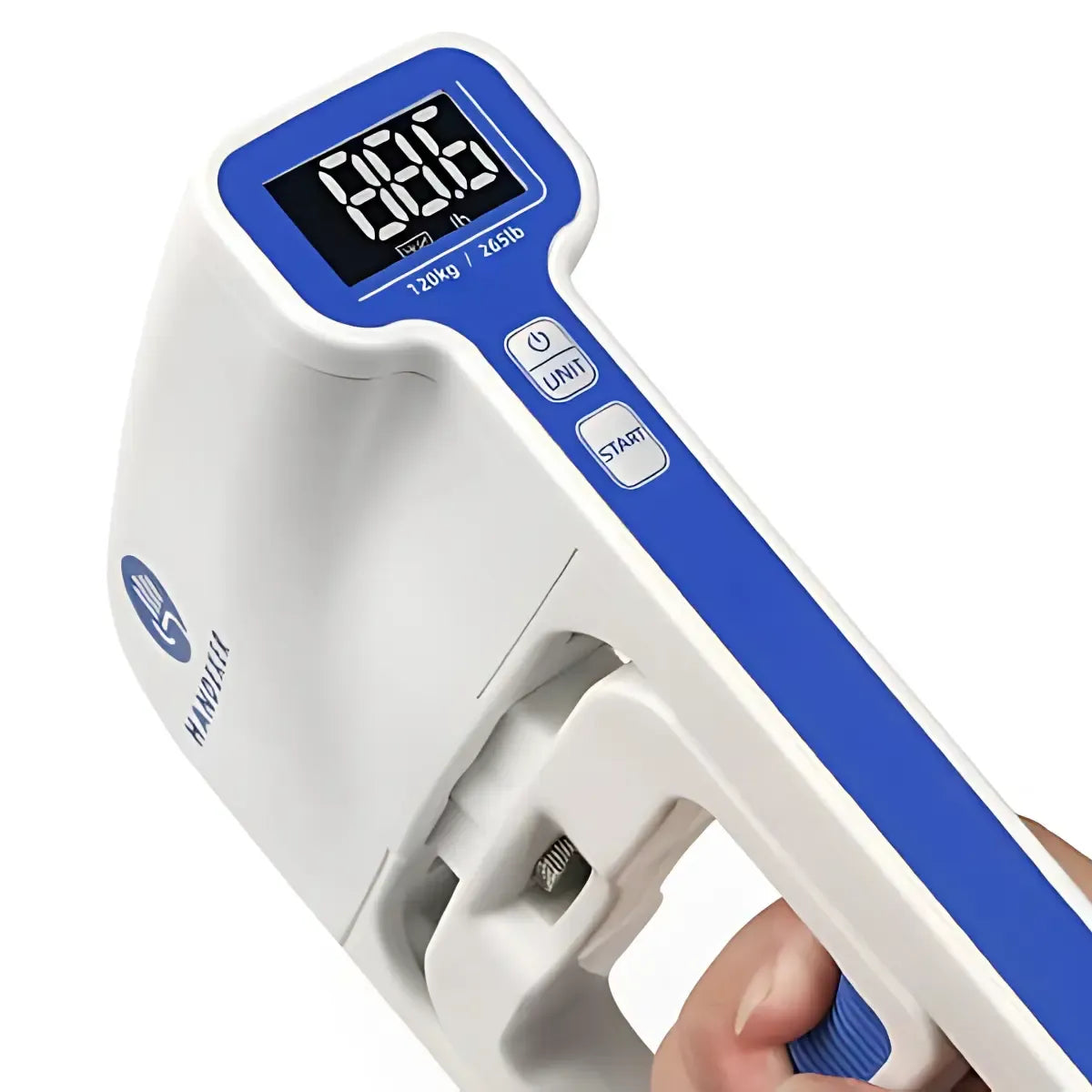
In strength training, precision is everything. Our tester is FDA Registered and built to provide laboratory-grade accuracy. With a maximum capacity of 265lb / 120kg and a sensitivity of 0.2lb / 0.1kg, it provides the objective data you need to see exactly how far you’ve come.
$39.99
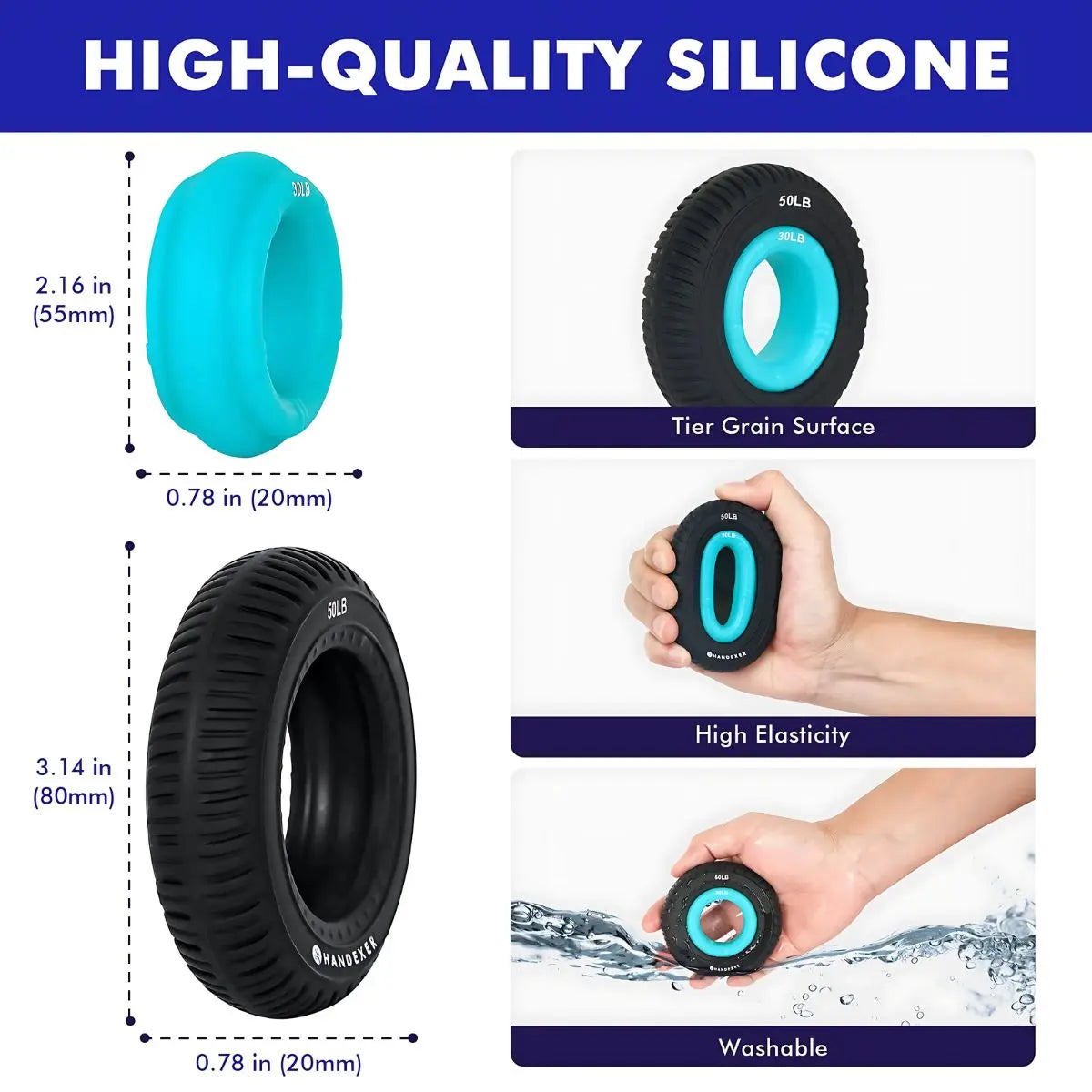
Measure your grip strength3. The Ultimate Progressive Trainer: Hand Strengthener Grip Ring Set
Best for: Improving grip, dexterity, and endurance.
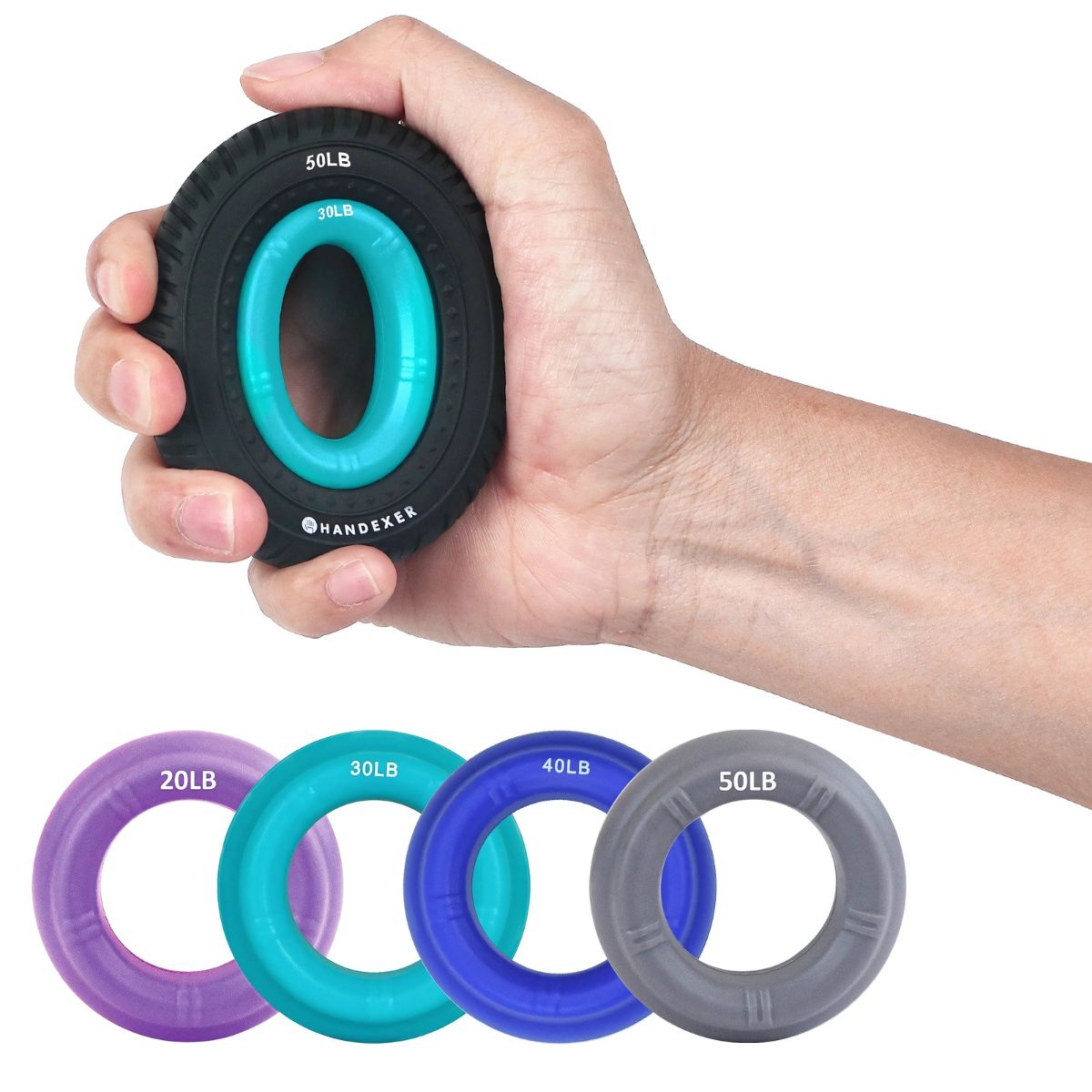
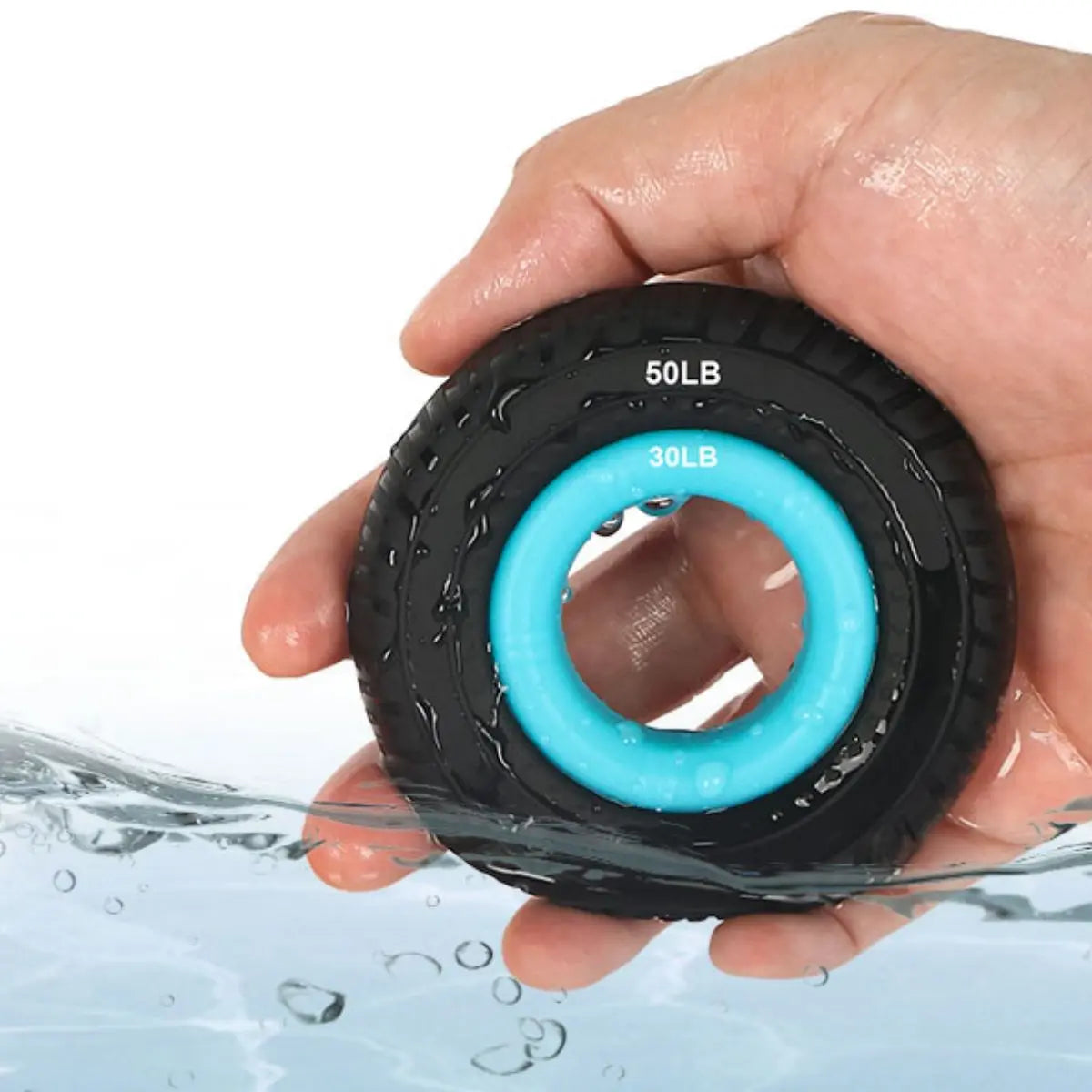
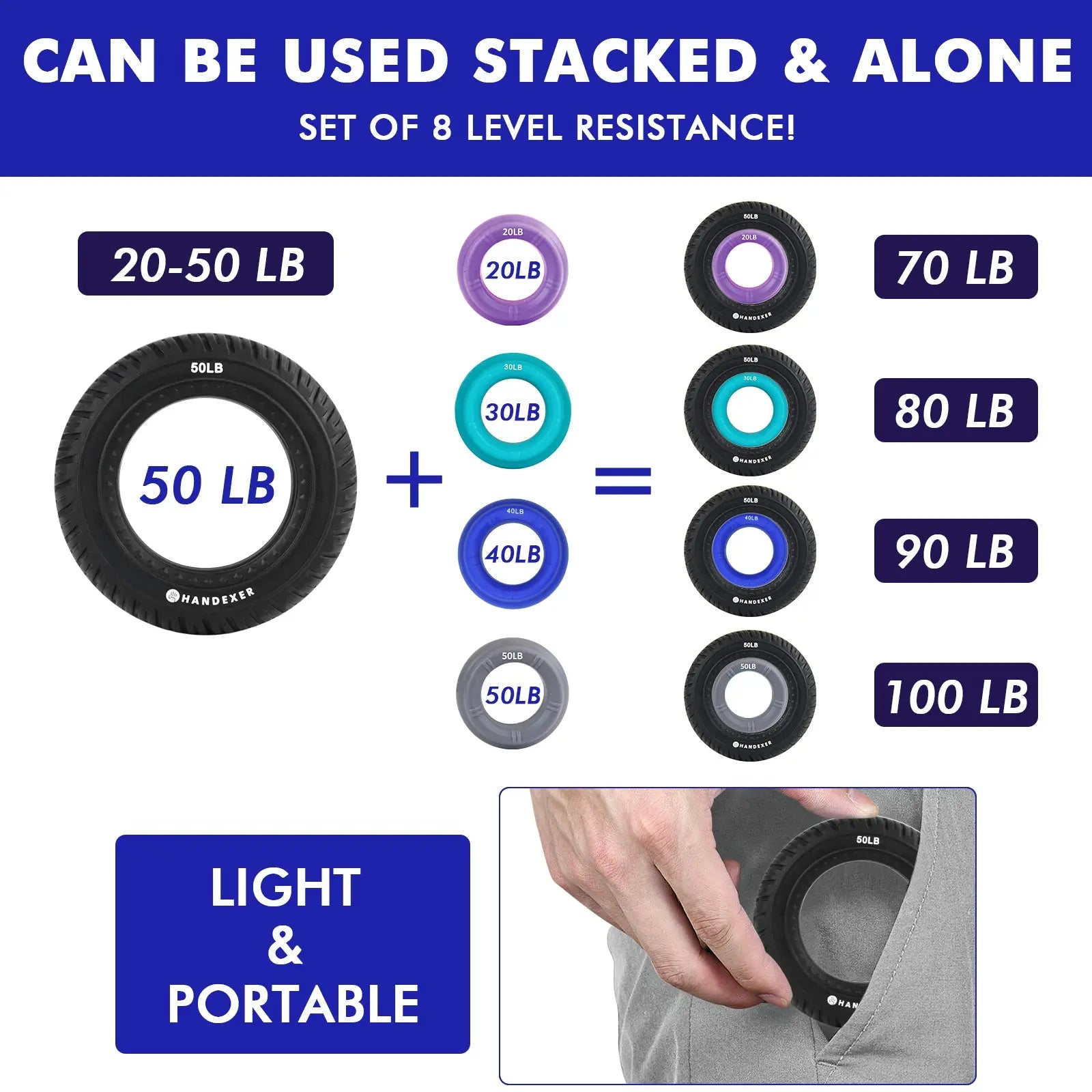
Progressive overload is the golden rule of muscle development. Our rings feature an intelligent, stackable design that offers 8 distinct levels of resistance. Crafted from durable silicone with a non-slip tire tread texture, these rings provide the perfect grip even during the most intense sessions.
$19.99
Build your grip strengthFrequently Asked Questions
Q: I’m not an athlete; is this suitable for me?
A: Absolutely. Grip strength is a fundamental health marker. Whether you struggle to open jars, spend long hours typing at a desk, or want to help prevent age-related muscle loss, our tools are designed to improve everyday functionality for people of all ages.
Q: Why do I need a digital grip tester instead of just squeezing a stress ball?
A: A stress ball provides resistance, but it doesn’t give you feedback. Our Digital Tester lets you track your progress in real time with 0.2 lb precision. Seeing your numbers improve is a powerful psychological motivator that helps you stay consistent.
Q: How often should I train to see results?
A: Consistency beats intensity. Most users notice noticeable improvements in hand endurance within 3–4 weeks by training just 5–10 minutes per day. Because our rings are portable, you can train while watching TV or working at your desk.
Q: Are these grip rings suitable for people with wrist or hand discomfort?
A: While our products are excellent for building strength, if you have an existing injury or chronic medical condition, we recommend consulting your physician before starting any new training program. Our FDA-registered Tester is often used by physical therapists to help patients monitor their recovery safely.
Don’t Let Weakness Steal Your Independence
That jar isn't just a container—it’s a test of your future quality of life. The good news? Grip strength is one of the most "reversible" aspects of aging.
Whether you are 50 or 80, you can regain the ability to open your own jars and hold your own weight. You don't have to wait for the next jar to defeat you.






Share:
What 90 Days of Grip Strength Training Actually Changes (Before & After Results)
Grip Strength Training: Is It Overrated? What Most People Get Wrong