
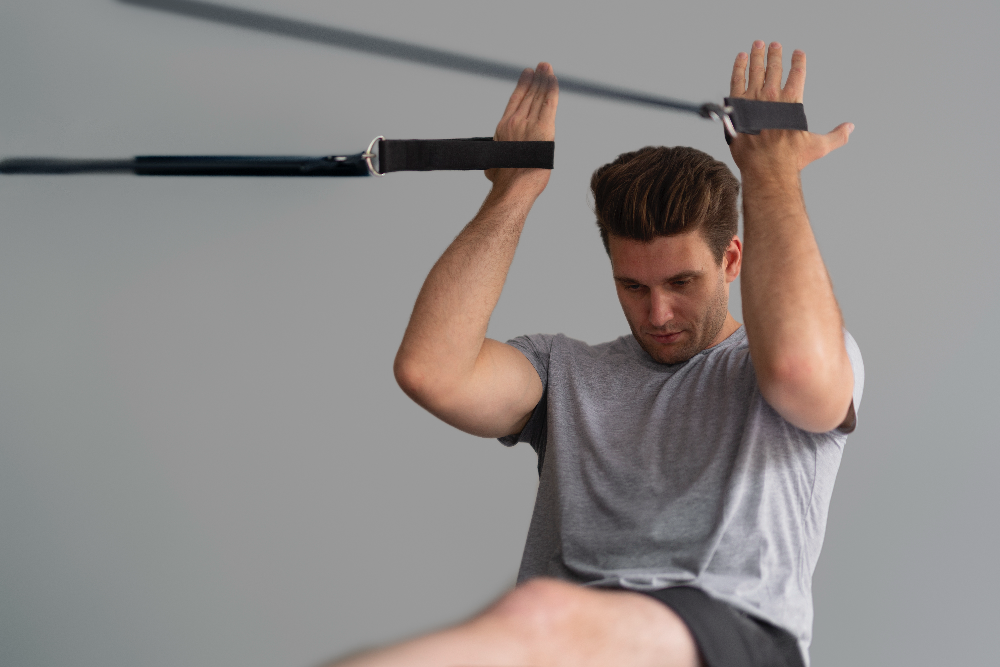
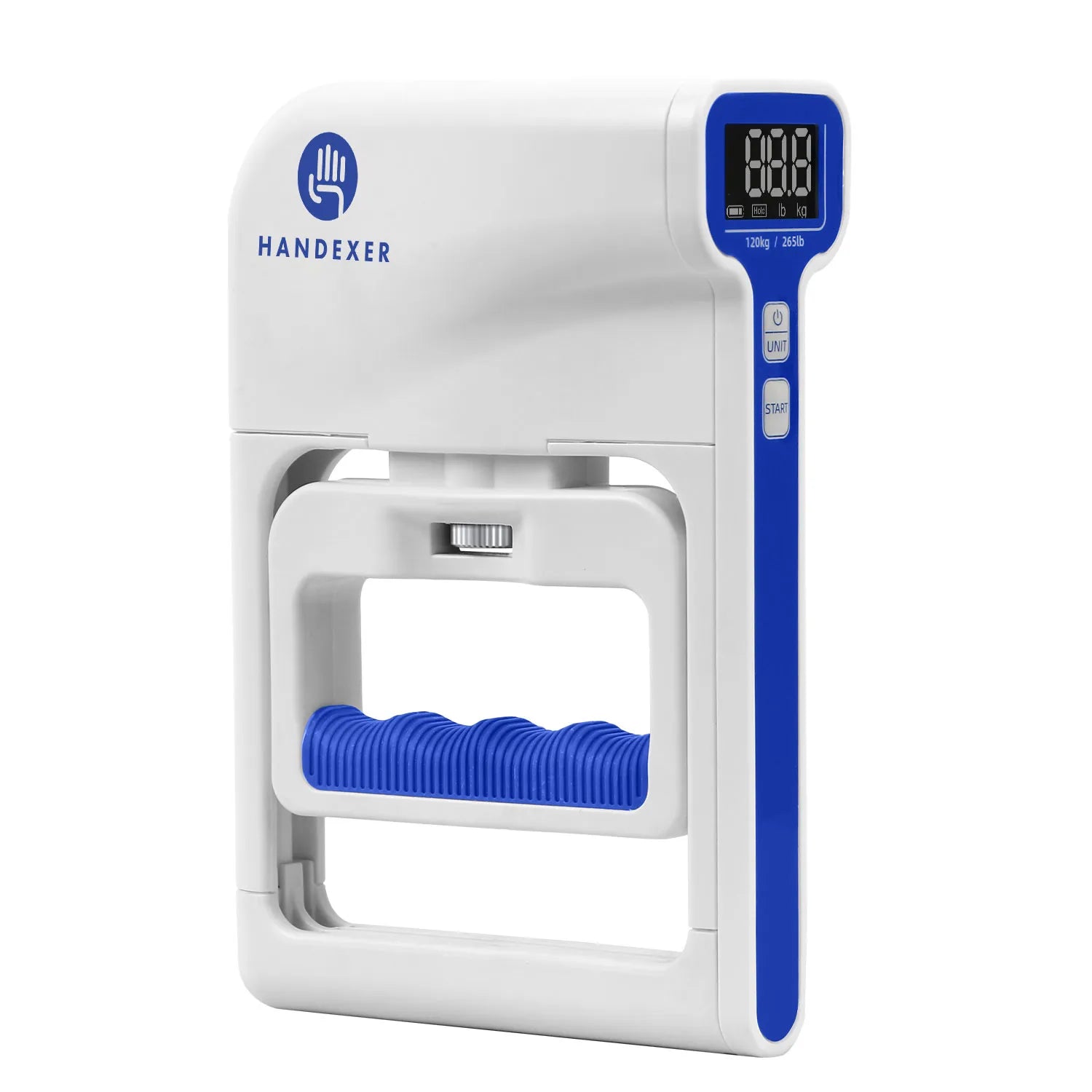
Hand grip trainers are excellent tools for building grip strength, a key component in sports like rock climbing, weightlifting, tennis, and even playing musical instruments. But despite their simplicity, many people misuse these tools — which can cause slow progress or injury. Want to maximize your results? Read on for the 7 most common mistakes and practical fixes.
1. Overtraining Your Hands
One of the biggest mistakes beginners make with grip trainers is overtraining. Doing too many repetitions or using them every day can cause muscle fatigue, tendon strain, or overuse injuries.
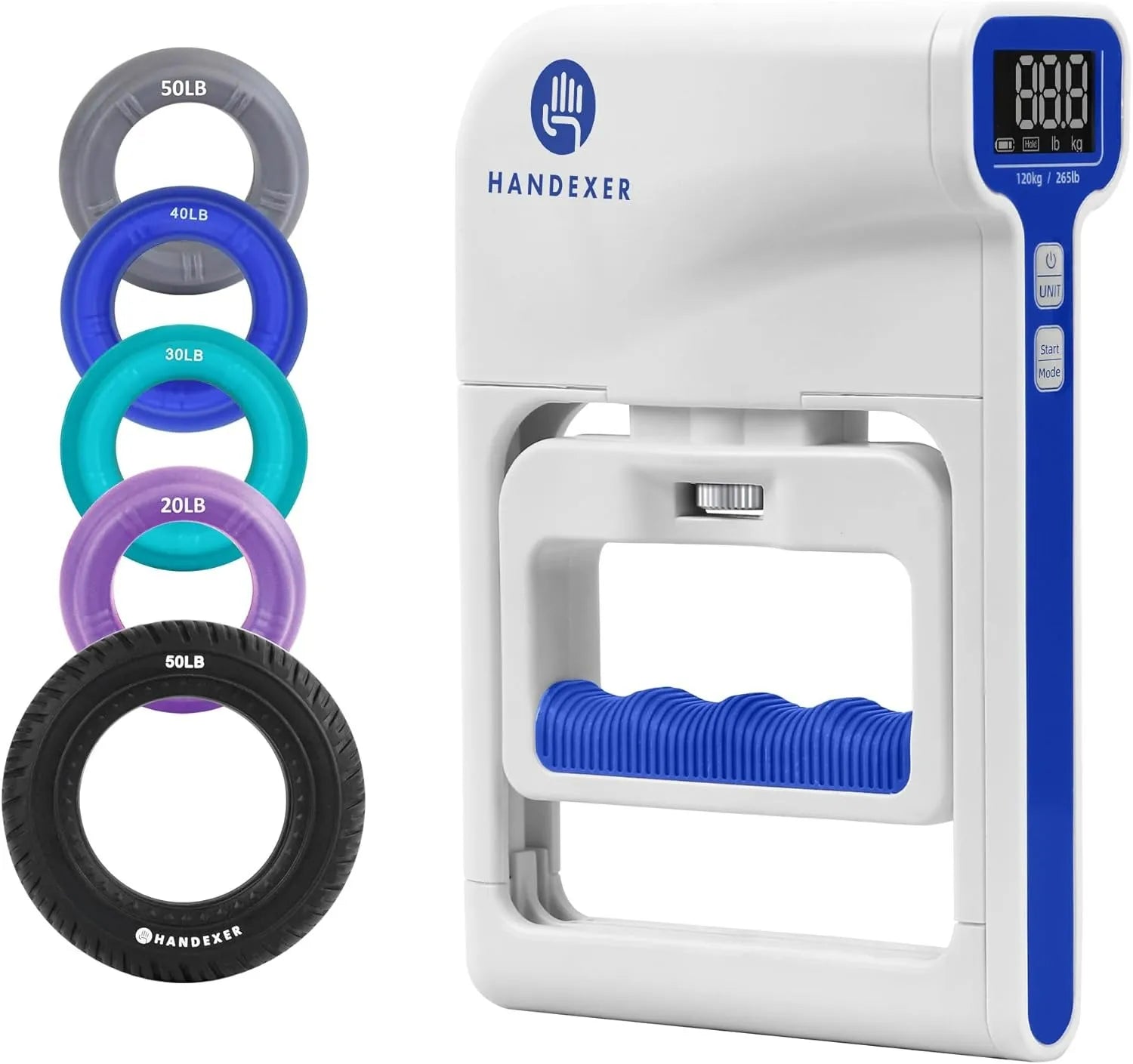
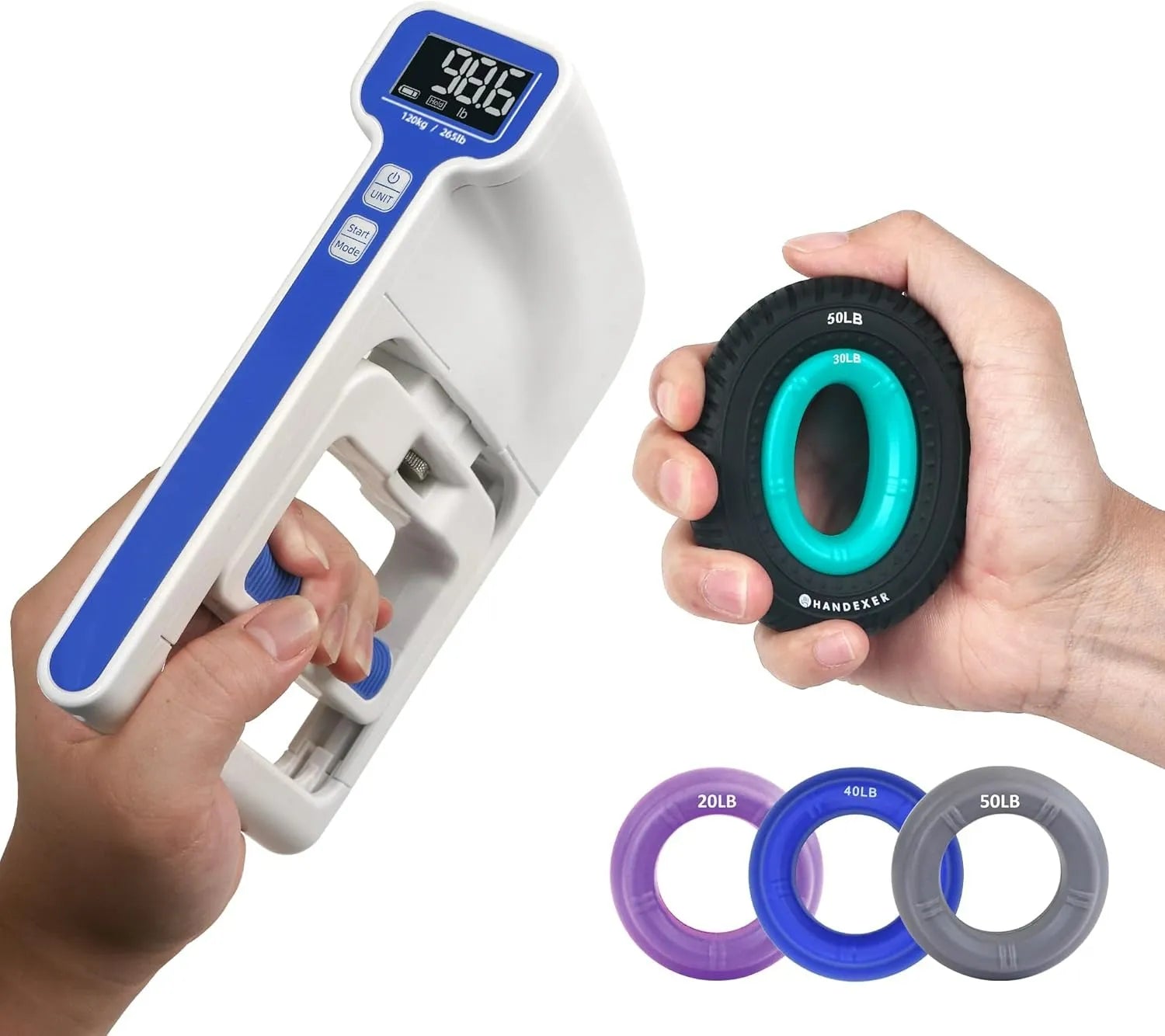
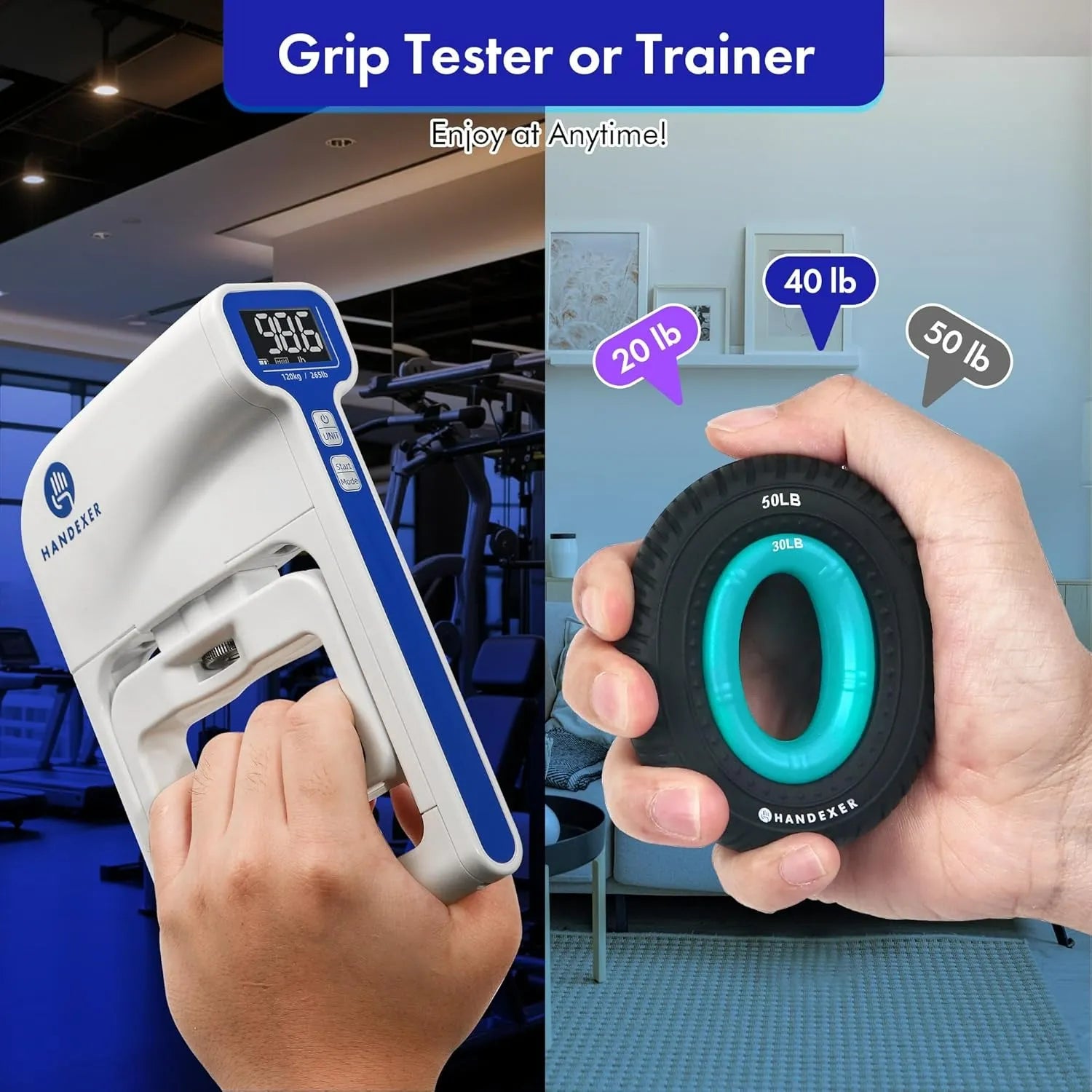
2. Using Incorrect Technique
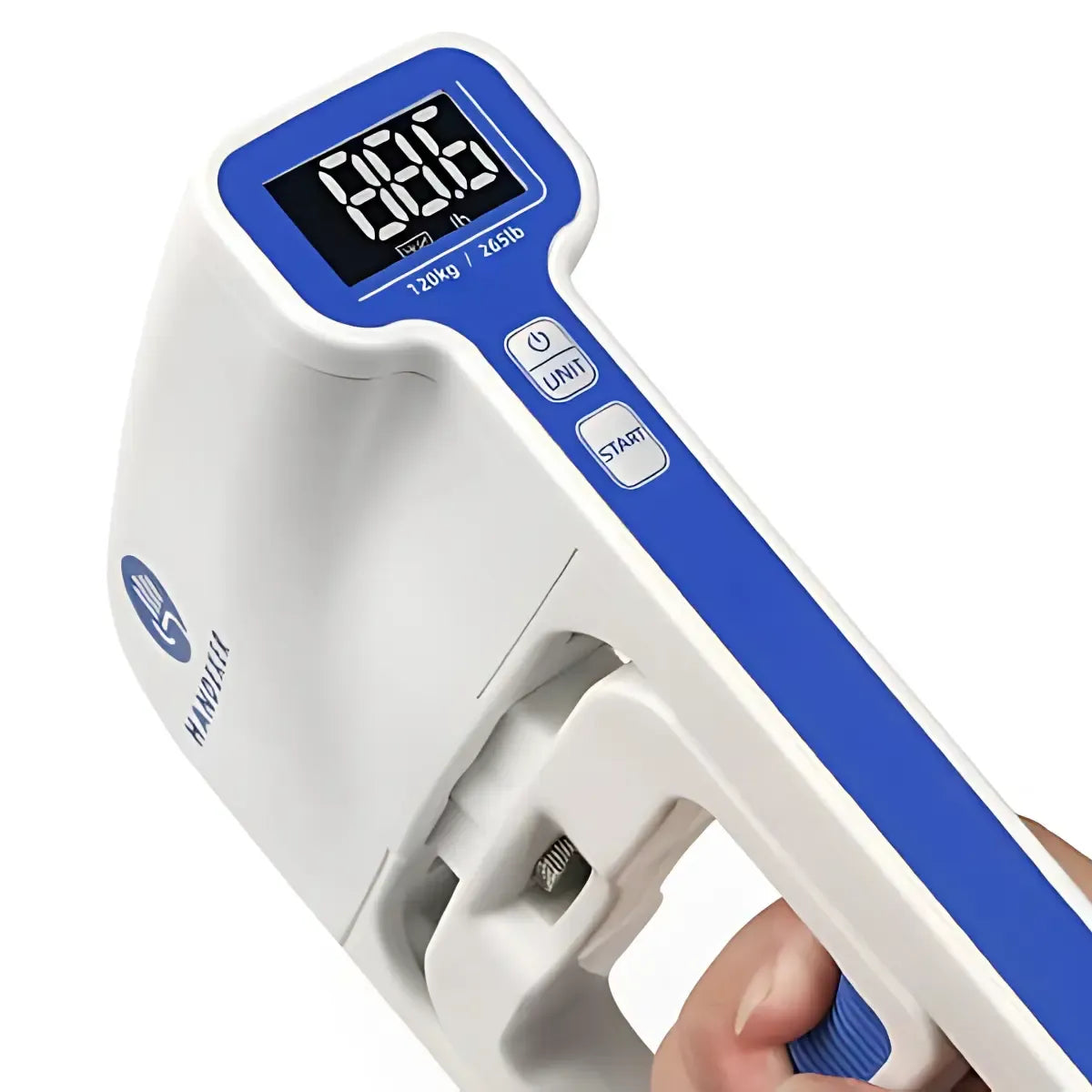
Good hand grip trainer form matters. Holding the device at an awkward angle can place excess stress on your wrist and palm. Maintain a neutral wrist and apply force evenly across all fingers to build functional strength.
- Keep your wrist straight (neutral).
- Press evenly with all fingers — don’t favor the thumb or index finger.
- Use slow, controlled repetitions rather than explosive squeezes.
3. Ignoring Progressive Overload
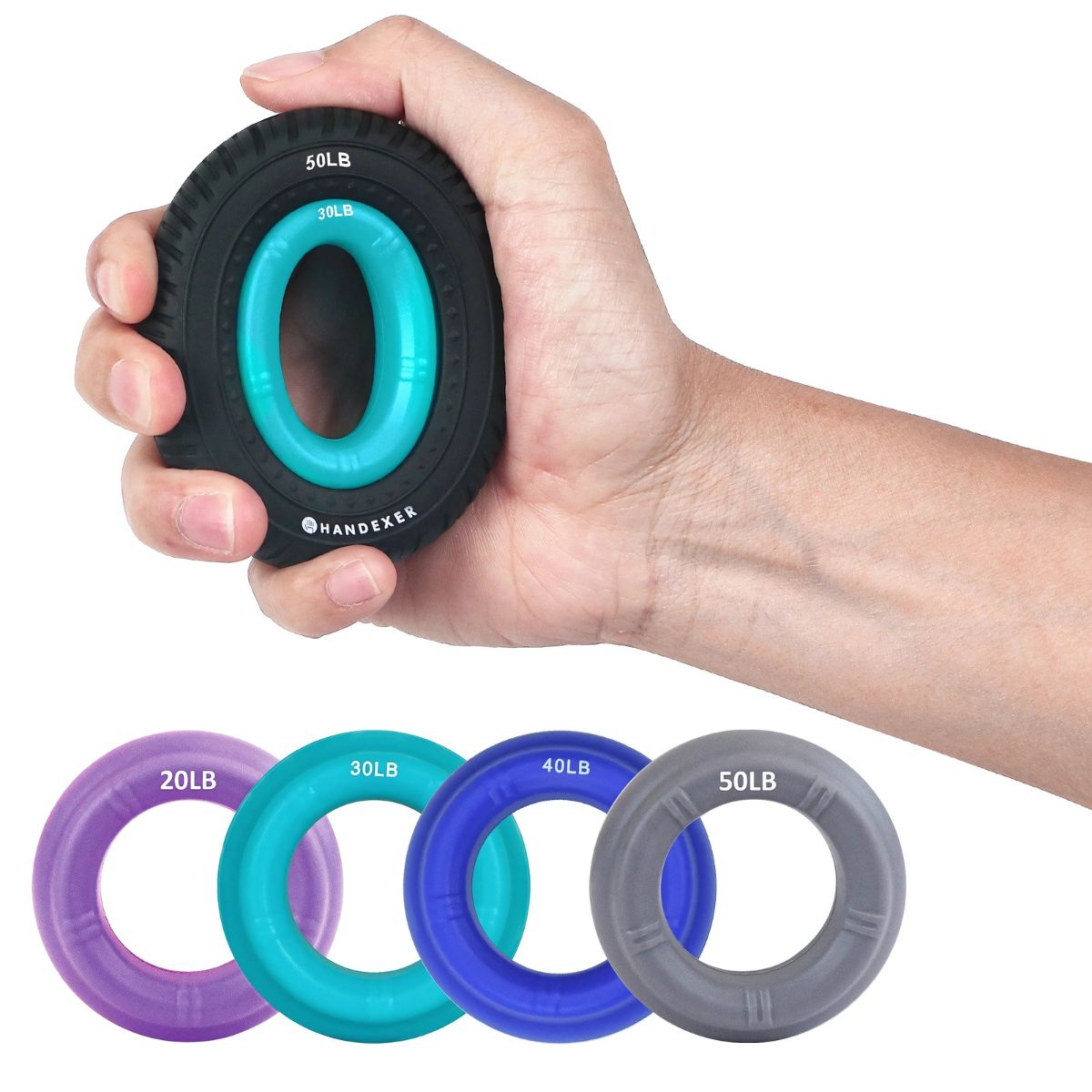
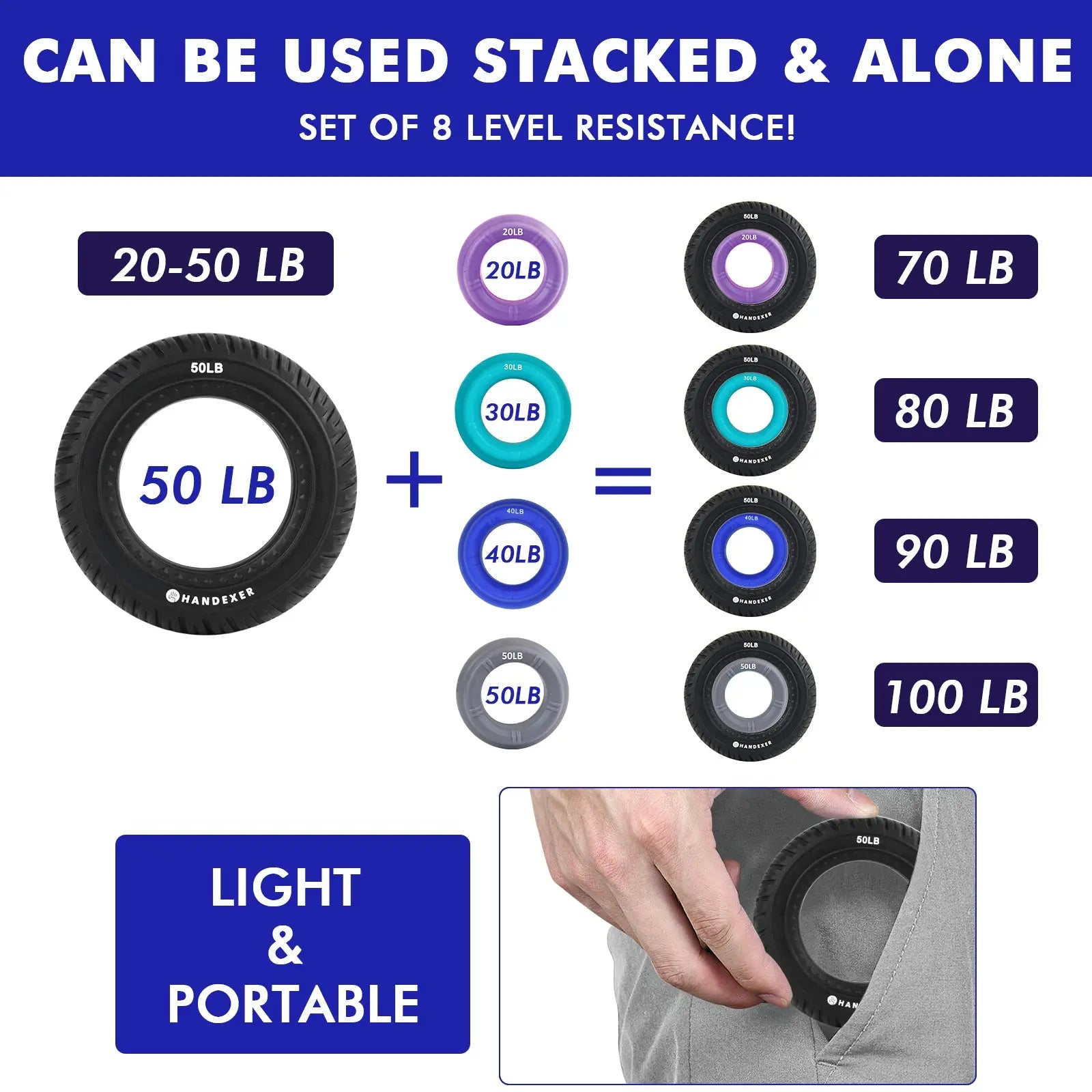
If you’ve been using the same resistance for months, your progress will plateau. Grip strength improves when you increase challenge gradually over time.
4. Training Only Grip, Not the Whole Forearm
Grip is supported by multiple muscles in the forearm and hand. If you only squeeze a grip trainer, you risk imbalanced development.
- Include wrist curls and reverse wrist curls.
- Do finger extension exercises (with rubber bands) to balance flexor training.
- Add pronation/supination drills for functional strength.
5. Skipping Warm-up and Cool-down

Warming up increases blood flow and range of motion; cooling down helps recovery. Skipping these steps raises injury risk.
6. Inconsistent Training Routine
Using a grip trainer sporadically makes tracking progress difficult and slows results. Consistency beats intensity when building a new strength base.
7. Ignoring Pain or Discomfort
Pain is a warning sign. Continuing to train through pain can lead to tendinitis or nerve irritation.
Quick Routine Example (Beginner)
- Warm-up: 3 minutes wrist/finger mobility
- Session: 3 sets x 8–12 controlled squeezes (moderate resistance)
- Accessory: 2 sets wrist curls + 2 sets finger band extensions
- Cool-down: 3 minutes stretching/massage
Final Thoughts
Avoiding these common hand grip trainer mistakes will help you build grip strength more safely and effectively. Combine proper technique, progressive overload, balanced forearm work, and a consistent plan to see real gains. Remember — it’s not just how hard you squeeze, it’s how smart you train.







Share:
Hand Grip Exercise Benefits for Health and Performance
Grip Training Tips for Rock Climbers and Bouldering Beginners