

Grip strength is more than just a number. It can reflect hand function, recovery progress, training adaptation, and overall physical condition. But one of the most common questions people ask is simple:
How often should you measure grip strength?
The short answer is:
- General health tracking: once every 2–4 weeks
- Strength training or performance goals: once per week
- Rehab or post-injury monitoring: 2–3 times per week, if recommended by a professional
- Older adults tracking hand function: once every 2–4 weeks
- Daily testing: usually not necessary unless part of a structured rehab plan
In most cases, testing too often is not better. Grip strength naturally changes from day to day depending on fatigue, sleep, soreness, stress, hydration, and recent activity. A consistent testing schedule usually gives more useful data than frequent random checks.
This guide explains how often to measure grip strength, when to test, how to track changes correctly, and how to avoid misleading results.
Why Tracking Frequency Matters
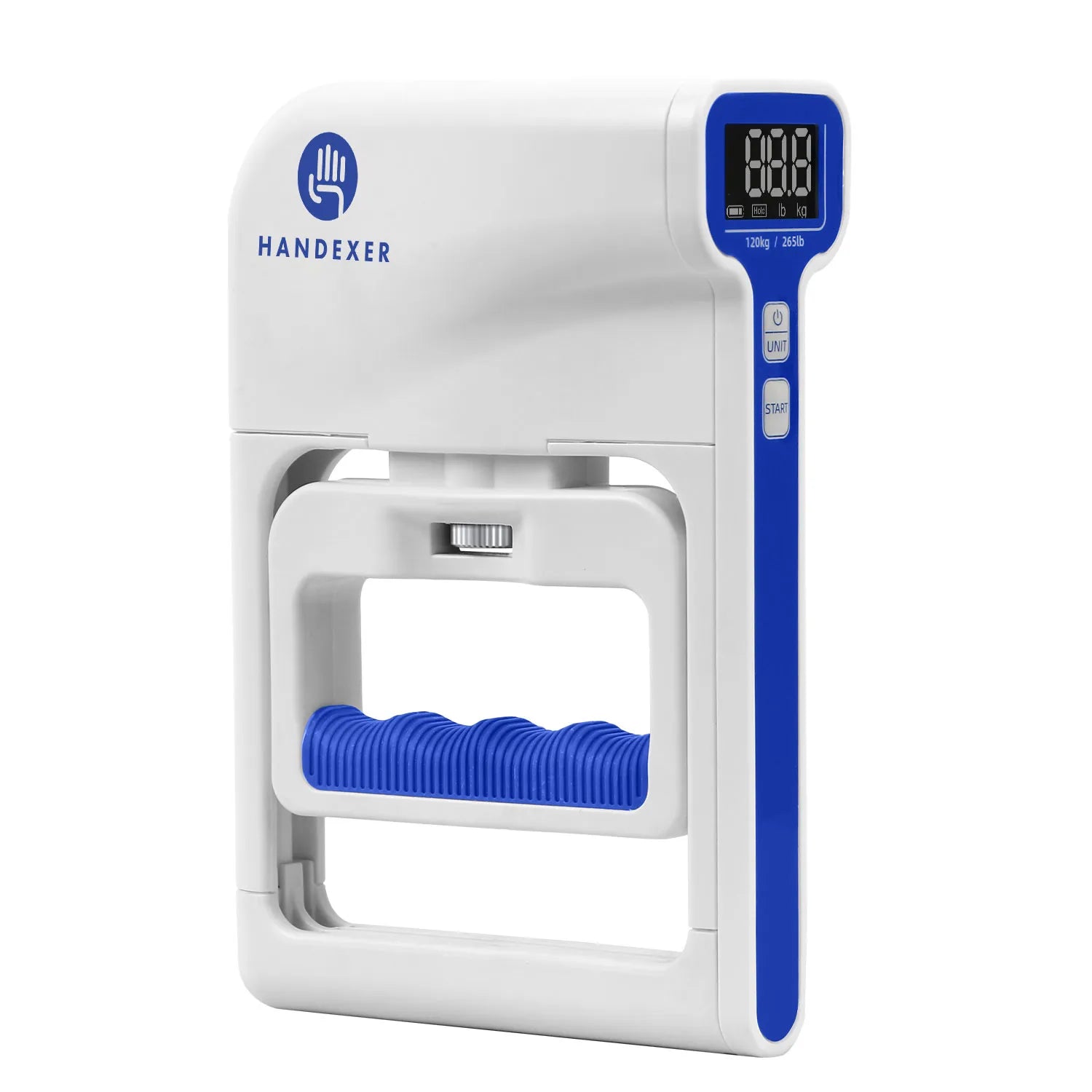
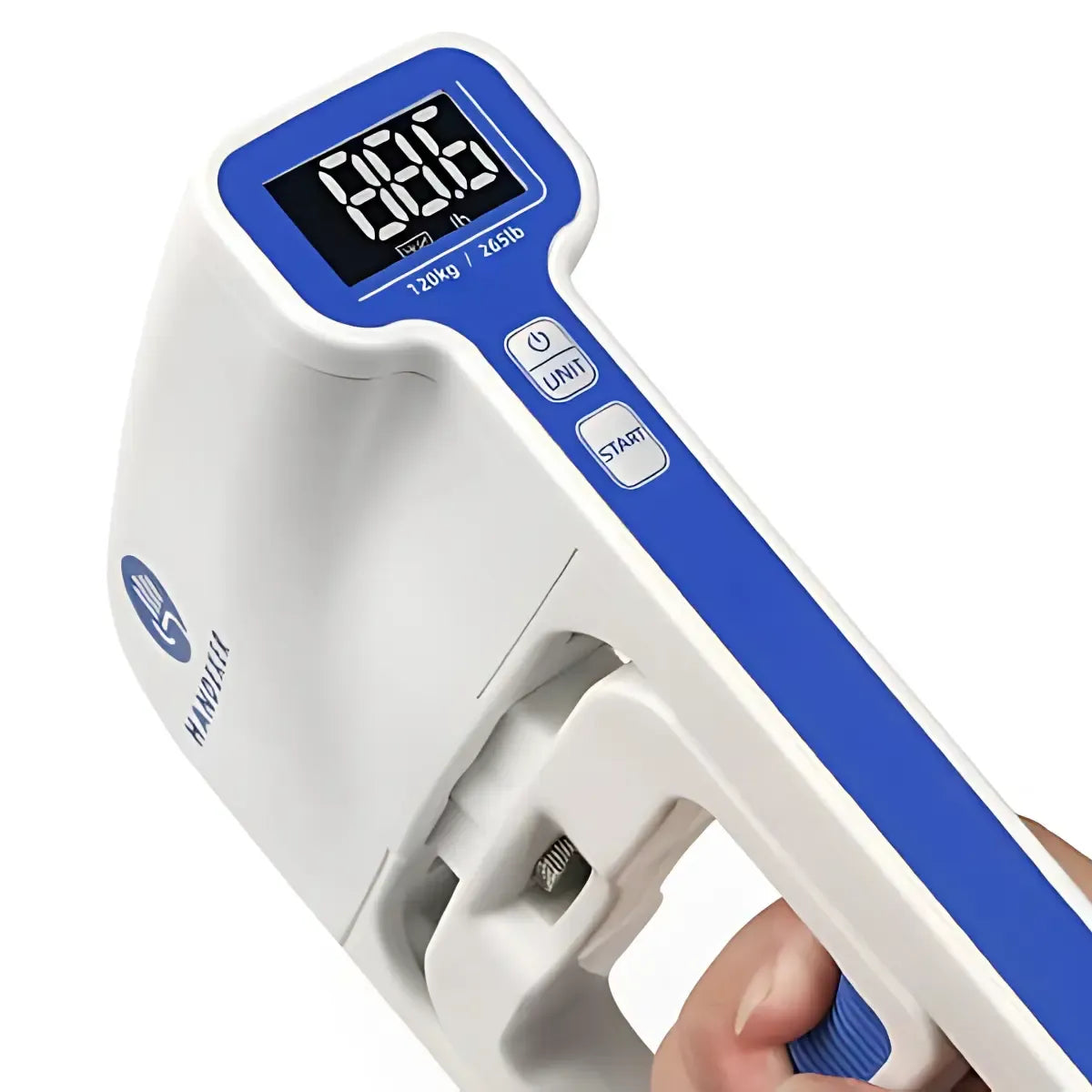
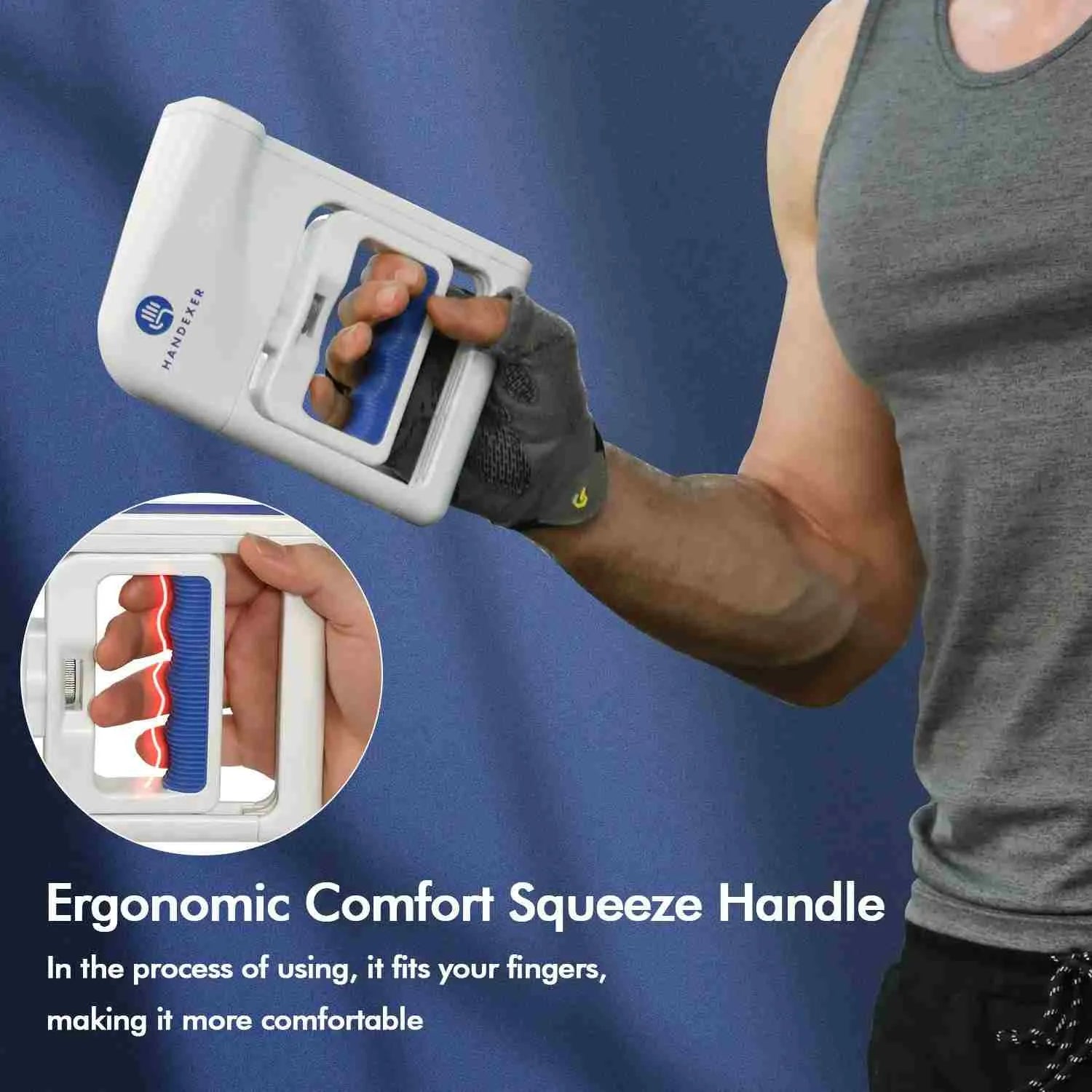
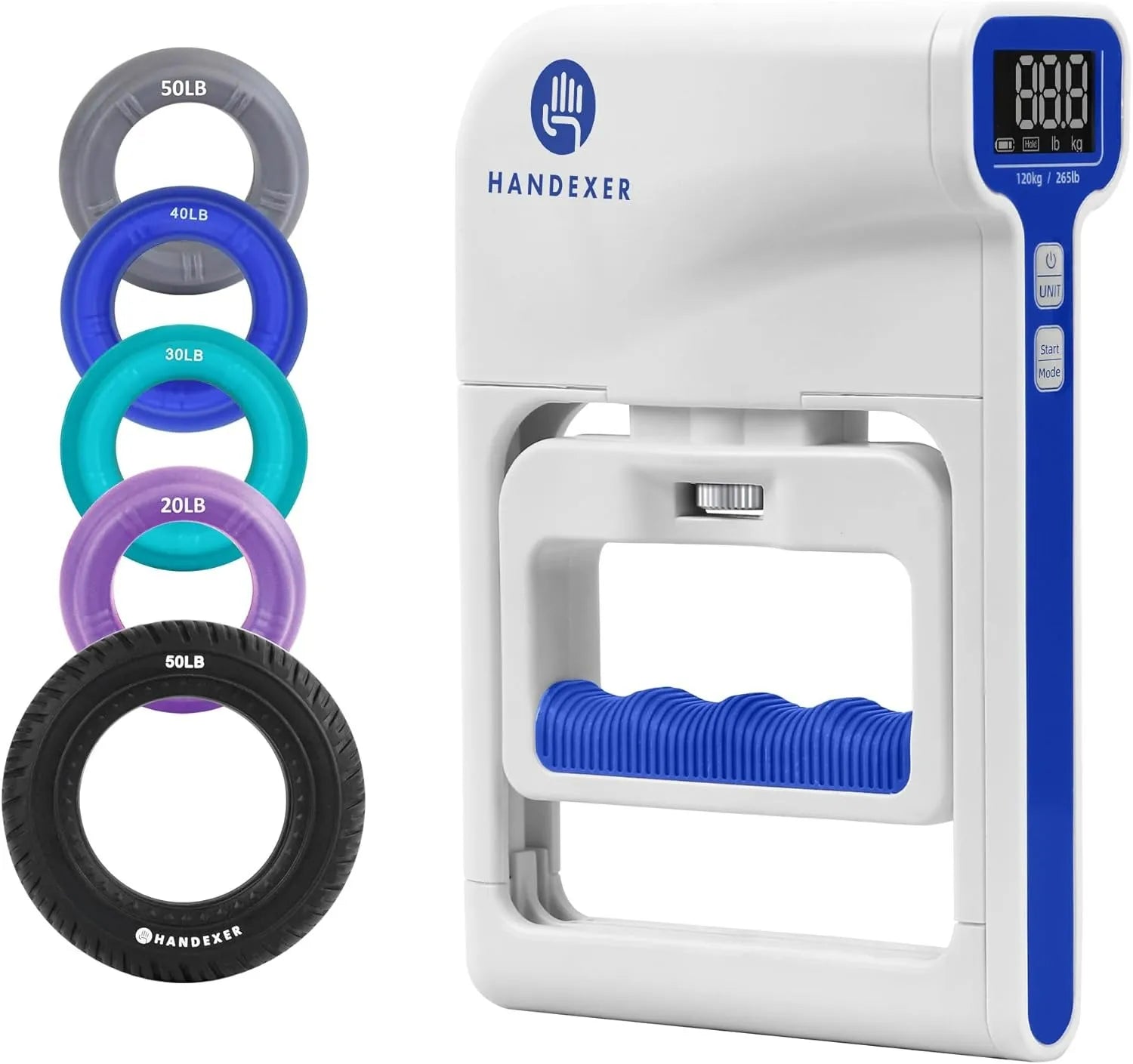
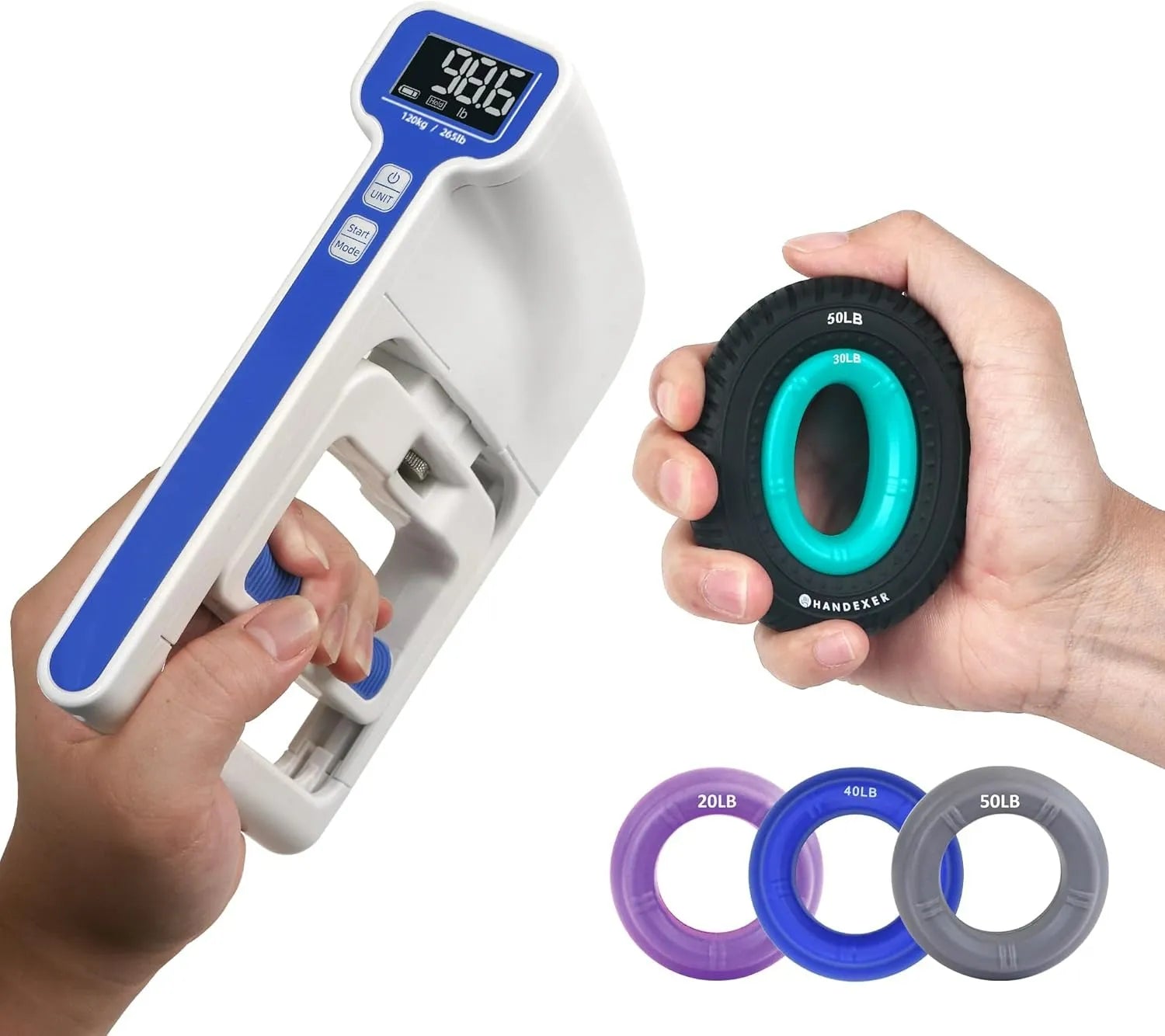
Grip strength is often measured with a hand dynamometer, a device that shows how much force your hand can produce. Many people buy one to track recovery, monitor healthy aging, or see whether their training is working.
However, the value of grip strength tracking depends on consistency, not constant testing.
If you test too often, you may see small fluctuations that do not mean much. If you test too rarely, you may miss important trends. The goal is to find a schedule that helps you identify real progress over time.
A good grip strength tracking plan should help you answer questions like:
- Is my hand strength improving, stable, or declining?
- Is my rehab program working?
- Am I recovering normally after surgery or injury?
- Is my training producing measurable results?
- Has hand weakness become more noticeable over the last few months?
The Best Grip Strength Testing Frequency by Goal
1. For General Health Monitoring: Every 2 to 4 Weeks
If you are using grip strength as a simple health or wellness marker, testing once every 2 to 4 weeks is usually enough.
This schedule works well because it reduces noise from daily variation and makes long-term patterns easier to see. It is a practical option for:
- adults tracking general fitness
- people interested in healthy aging
- home users who want a baseline number
- those checking for gradual strength decline over time
For most home users, this is the best balance between convenience and meaningful data.
2. For Fitness or Strength Training: Once Per Week
If your goal is athletic performance or training progress, testing once per week is usually ideal.
Weekly testing gives you enough data to monitor changes without turning the test itself into a source of fatigue. It is especially useful for:
- gym users working on grip-intensive training
- climbers
- racket sport athletes
- lifters doing deadlifts, rows, pull-ups, or carries
- people following a dedicated hand strength program
Try to test on the same day each week, under similar conditions, preferably before a hard upper-body session.
3. For Rehab or Recovery: 2 to 3 Times Per Week
If you are recovering from injury, surgery, nerve irritation, or hand weakness, testing grip strength 2 to 3 times per week may be reasonable.
This higher frequency can help you monitor recovery more closely, but only when done carefully. It is most relevant for:
- occupational therapy or physical therapy tracking
- post-surgical recovery plans
- hand or wrist injury recovery
- neurological or functional monitoring
- cases where a clinician wants more frequent progress checks
That said, rehab testing should not become aggressive self-testing. If the hand is painful, swollen, or easily fatigued, too much measuring may interfere with recovery.
If you are in active rehabilitation, follow your clinician’s guidance first.
4. For Older Adults: Every 2 to 4 Weeks
For seniors, a grip strength test can be a useful way to monitor hand function and general physical capacity over time.
A schedule of every 2 to 4 weeks is often appropriate because it provides enough data to notice meaningful changes without creating unnecessary strain.
This is especially useful when tracking:
- day-to-day hand function
- independence in household activities
- recovery from illness or inactivity
- changes related to aging
For older adults, the main goal is usually not chasing a personal record. It is tracking whether strength is stable, improving, or gradually decreasing.
Should You Measure Grip Strength Every Day?
In most cases, no.
Daily grip strength testing is usually unnecessary because grip strength can change for many short-term reasons, including:
- muscle fatigue
- soreness after exercise
- poor sleep
- dehydration
- stress
- recent hand use
- time of day
If you test every day, you may overreact to normal ups and downs. This can make your results feel confusing instead of useful.
Daily testing only makes sense in limited situations, such as:
- a clinician-directed rehab program
- structured sports monitoring
- short-term experiments with controlled conditions
For everyone else, less frequent but more standardized testing is better.
What Counts as a Meaningful Change in Grip Strength?
A small difference from one test to the next does not always mean your strength has truly changed.
For example, a slight drop or increase may simply come from:
- testing at a different time of day
- changing hand position
- using a different grip width
- warming up more or less
- squeezing harder because you are more familiar with the device
That is why the most important thing is to look for trends, not isolated numbers.
A useful rule is this:
One reading tells you where you are today. Multiple readings over time tell you where you are going.
Instead of focusing on one result, compare your average performance across several sessions over multiple weeks.
How to Build a Reliable Grip Strength Tracking Routine
To get more accurate results, keep your testing method as consistent as possible.
Use the same device
If possible, use the same hand dynamometer every time. Different devices may not produce exactly the same readings.
Test at the same time of day
Morning and evening values may differ. Pick a time that is easy to repeat.
Keep your posture consistent
Your body position affects results. Sit or stand the same way each time.
Use the same handle setting
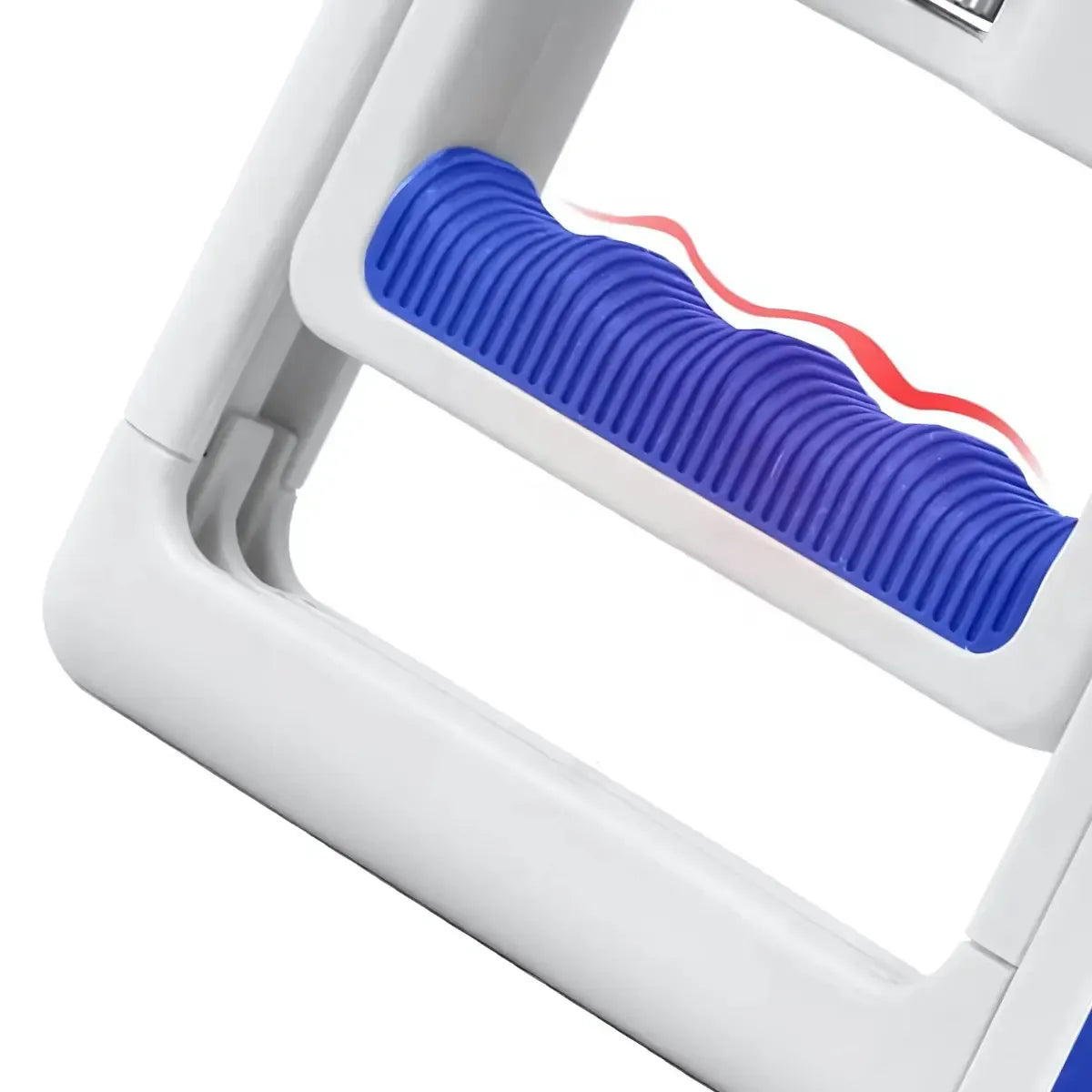
If your dynamometer has an adjustable handle, keep it at the same setting unless a professional tells you otherwise.
Take the same number of attempts
A common method is 2 to 3 attempts per hand, then record the best score or average score.
Rest between attempts
Give yourself around 30 to 60 seconds of rest between squeezes to reduce fatigue.
Avoid testing right after hard exercise
If your forearms or hands are already tired, your score may look lower than normal.
A Simple Grip Strength Testing Plan You Can Follow
Here is a practical schedule many home users can follow:
Week 1: Establish your baseline
Test both hands on the same day.
Do 2–3 attempts per hand.
Write down:
- best score
- average score
- left vs. right hand
- any pain, fatigue, or stiffness
Weeks 2–4: Follow your schedule
Choose the frequency based on your goal:
- general health: every 2–4 weeks
- fitness: weekly
- rehab: 2–3 times per week if appropriate
Every 4–8 weeks: Review trends
Ask:
- Are my numbers moving upward?
- Is one hand changing faster than the other?
- Am I plateauing?
- Are symptoms improving even if numbers are slow to change?
This kind of review gives more actionable insight than checking your score randomly.
When Grip Strength Should Be Checked More Carefully
Sometimes grip strength is not just about performance. It can also be related to function and recovery.
You may want to monitor more carefully if you notice:
- ongoing weakness in one hand
- sudden decline compared with your normal level
- difficulty opening jars or carrying objects
- pain during gripping
- numbness or tingling
- slow recovery after injury or surgery
In these cases, grip strength testing can still be useful, but the number should be interpreted in context. Pain, nerve symptoms, and limited motion can all affect the reading.
If symptoms are worsening, a home test should not replace medical evaluation.
Common Mistakes When Tracking Grip Strength
Testing too often
Frequent testing can create noise instead of clarity.
Chasing a max score every time
A grip test is a measurement tool, not a workout.
Ignoring consistency
Changing your posture, handle setting, or schedule makes comparisons less reliable.
Comparing numbers without context
A score means more when you know your age, hand dominance, training status, symptoms, and history.
Focusing only on one hand
Testing both hands helps you see asymmetry and track overall function more clearly.
Quick Answer: How Often Should You Measure Grip Strength?
For most people, here is the most practical answer:
- Every 2–4 weeks for general health and aging
- Once a week for fitness and hand strength training
- 2–3 times per week for rehab monitoring when appropriate
- Not every day, unless directed by a professional or using a structured protocol
The best schedule is the one you can follow consistently under similar conditions.
FAQ
Is it bad to test grip strength every day?
Not necessarily, but it is usually unnecessary. Daily testing often reflects short-term fatigue more than meaningful progress.
What is the best time of day to test grip strength?
The best time is the one you can repeat consistently. Similar testing conditions matter more than the exact hour.
Should I record the best score or the average score?
Either can work, but be consistent. Many people record both for a clearer picture.
Should I test both hands?
Yes. Testing both hands helps identify imbalance, dominance patterns, and side-to-side changes over time.
Can grip strength vary from day to day?
Yes. Sleep, stress, soreness, hydration, and recent activity can all affect the result.
How long does it take to see improvement?
That depends on your goal, starting point, age, and training or rehab plan. Most meaningful tracking should be based on trends over several weeks, not a single test.
Final Takeaway
If you want your grip strength numbers to be useful, do not focus on testing as often as possible. Focus on testing consistently and intelligently.
For most people, the best approach is simple:
Choose a schedule based on your goal, test under similar conditions, and track long-term trends rather than daily fluctuations.
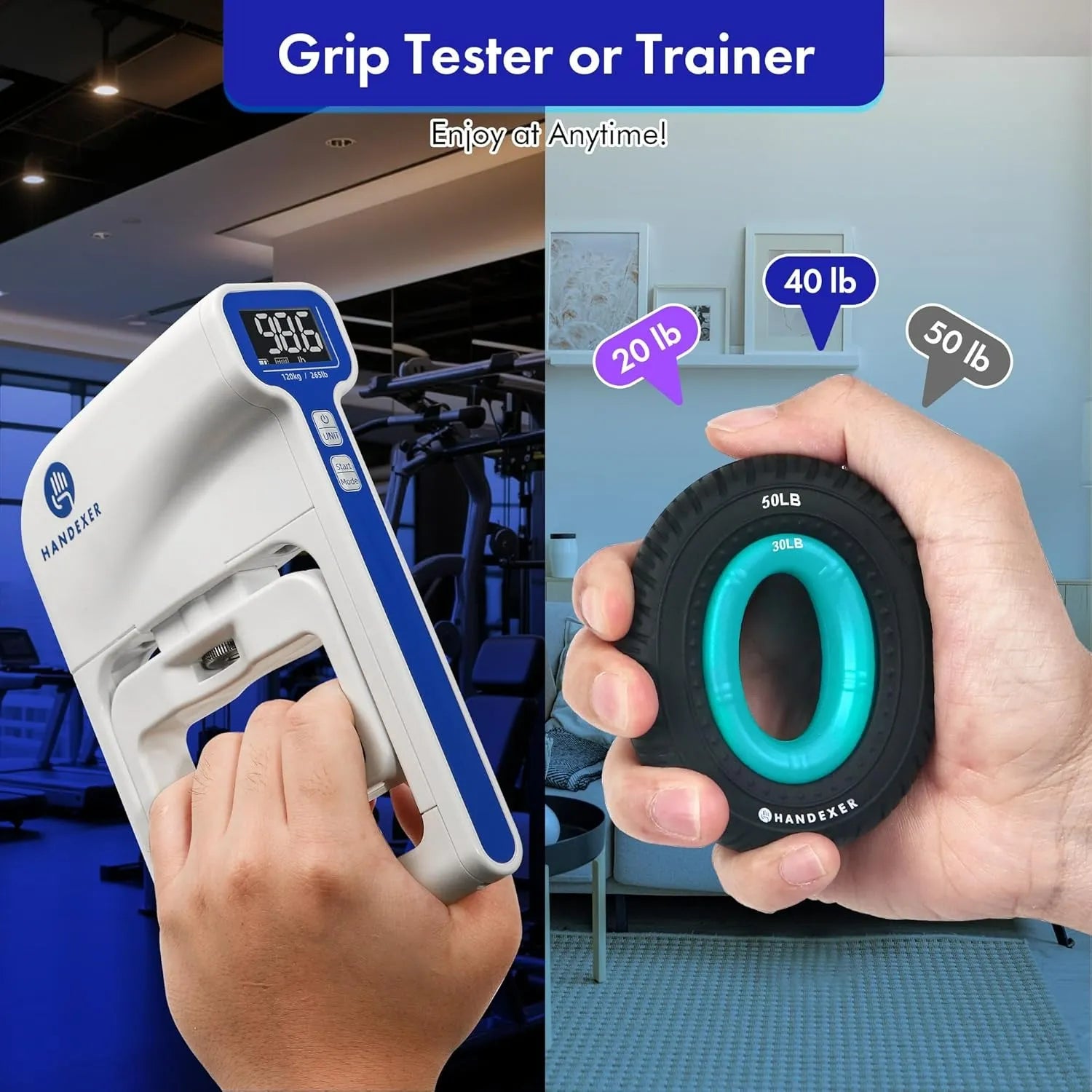
A reliable hand dynamometer can make this process much easier by giving you a practical way to monitor progress at home, whether your focus is recovery, training, or healthy aging.







Share:
Grip Strength Test at Home: A Simple and Accurate Guide
Is Decreased Grip Strength an Early Sign of Arthritis? 5 Warning Signs You Need to Test at Home