
Sometimes, small inputs matter more than big lifestyle changes
When people think about blood pressure management or cardiovascular health, the first reaction is usually long workouts, strict diets, or major lifestyle changes.
But the body doesn’t only respond to big interventions.It also responds to small, structured, repeatable physiological signals — even when they only take a few minutes.
Two of the simplest, most commonly discussed stress-regulation and circulation-support practices in exercise physiology are:
- Light isometric hand grip activation
- Slow controlled breathing
They look unrelated at first, but they often appear together in discussions around autonomic nervous system regulation, stress response, and cardiovascular load management.More importantly, they are simple enough to do anywhere.
1. Light Isometric Hand Activation (Grip-Based Holding)
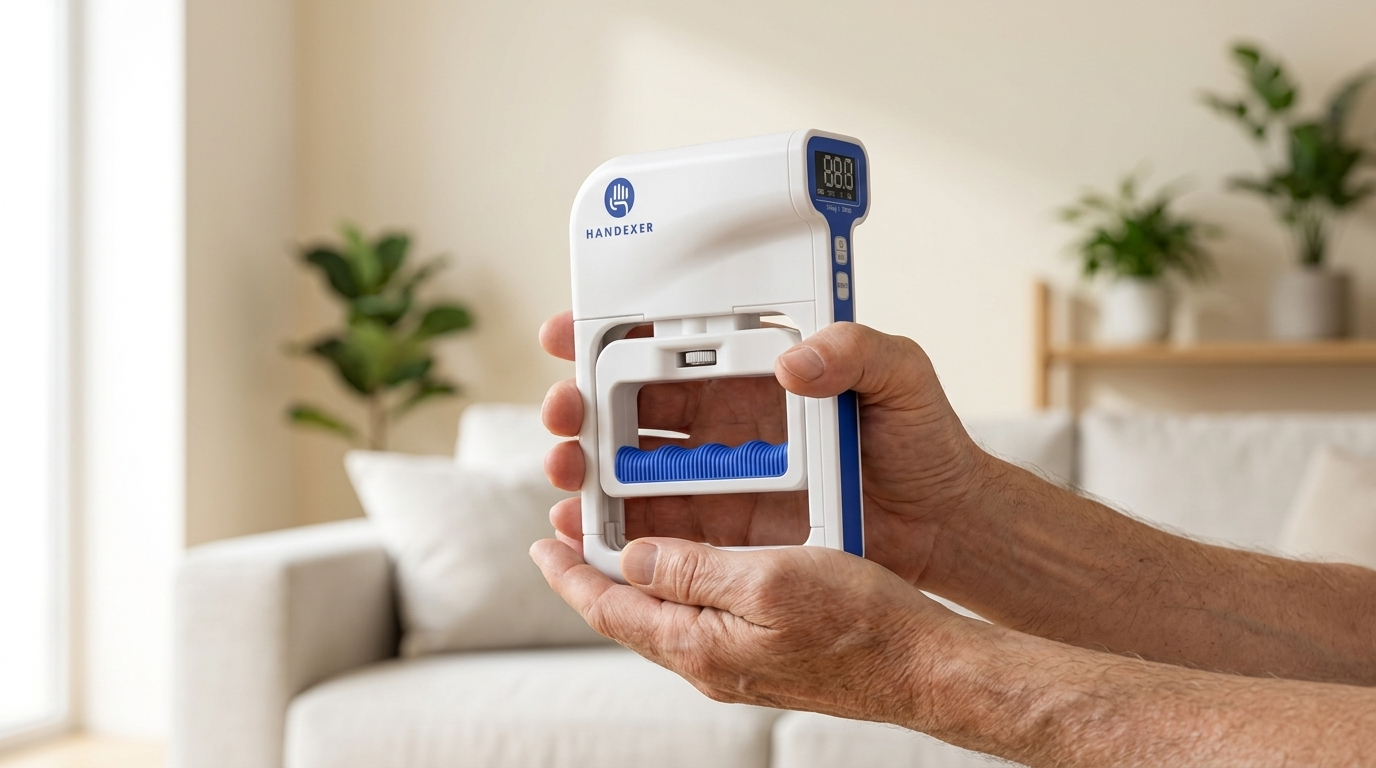
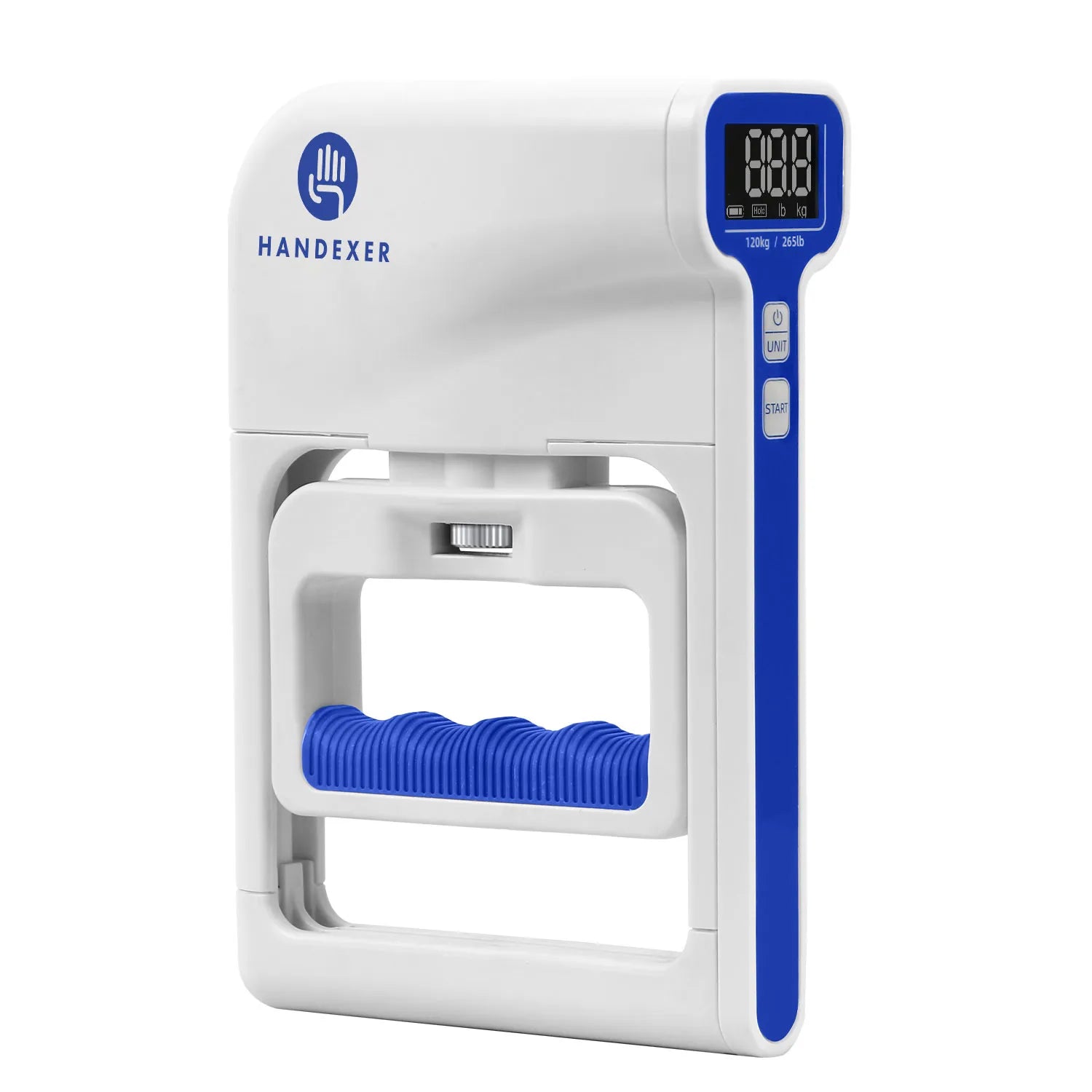
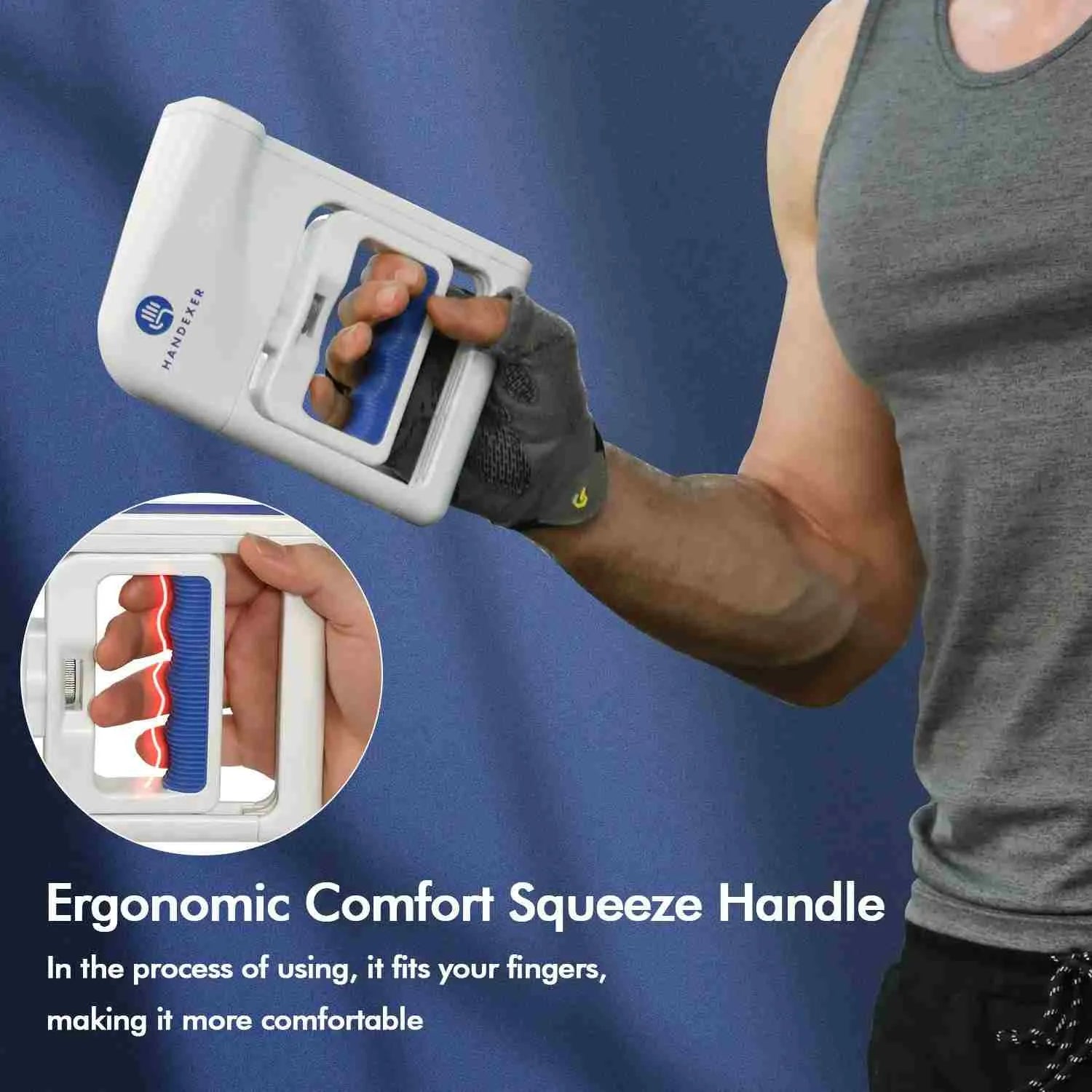
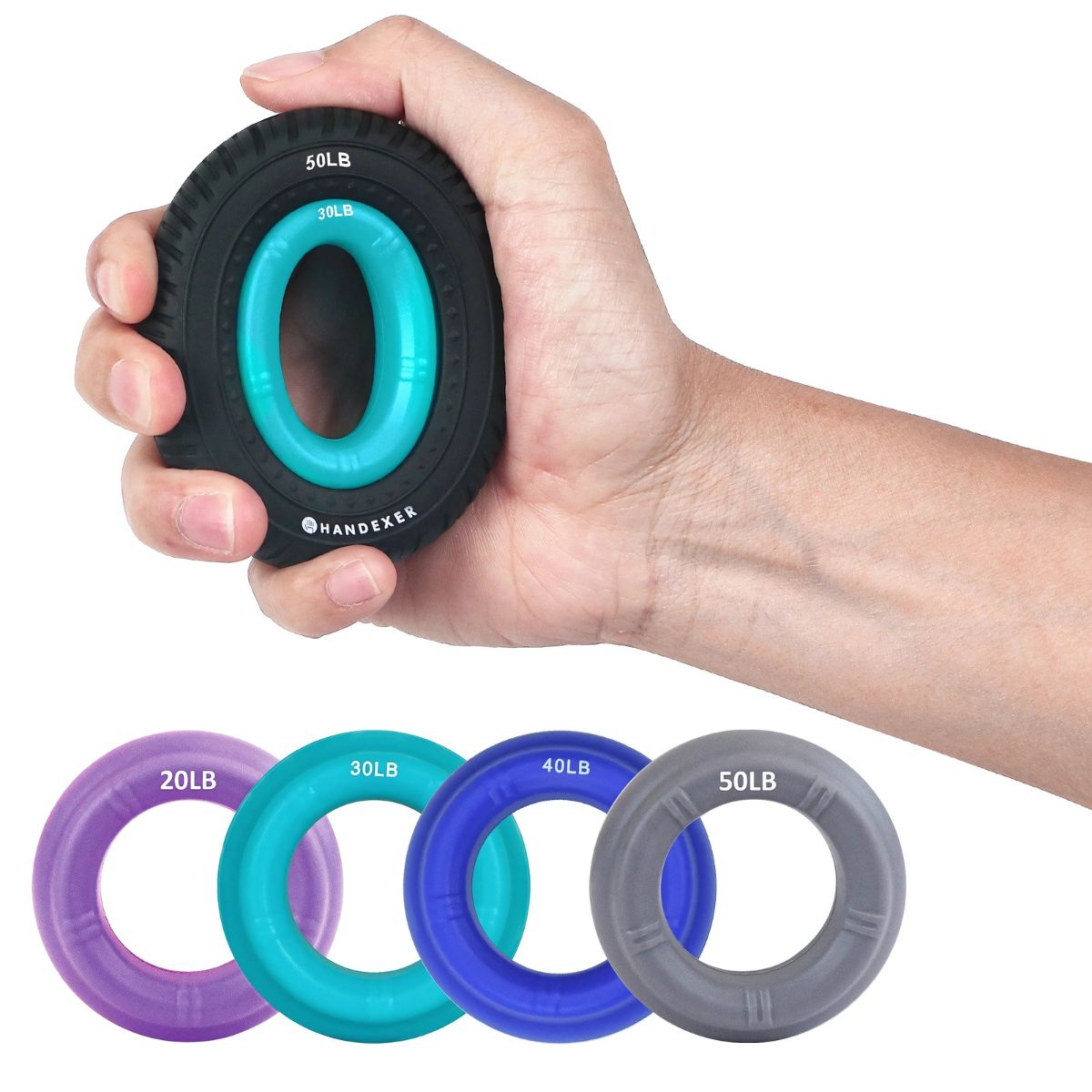
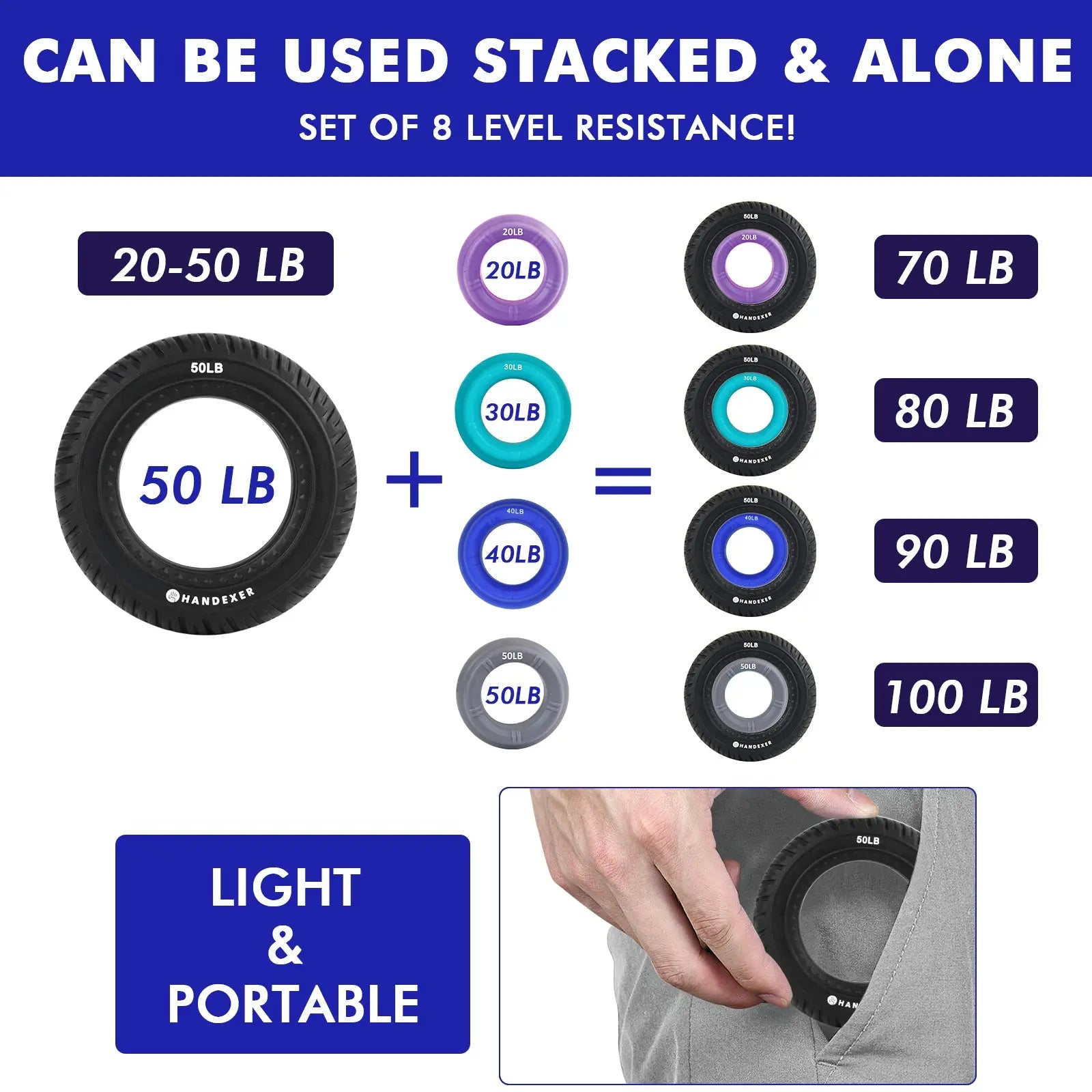
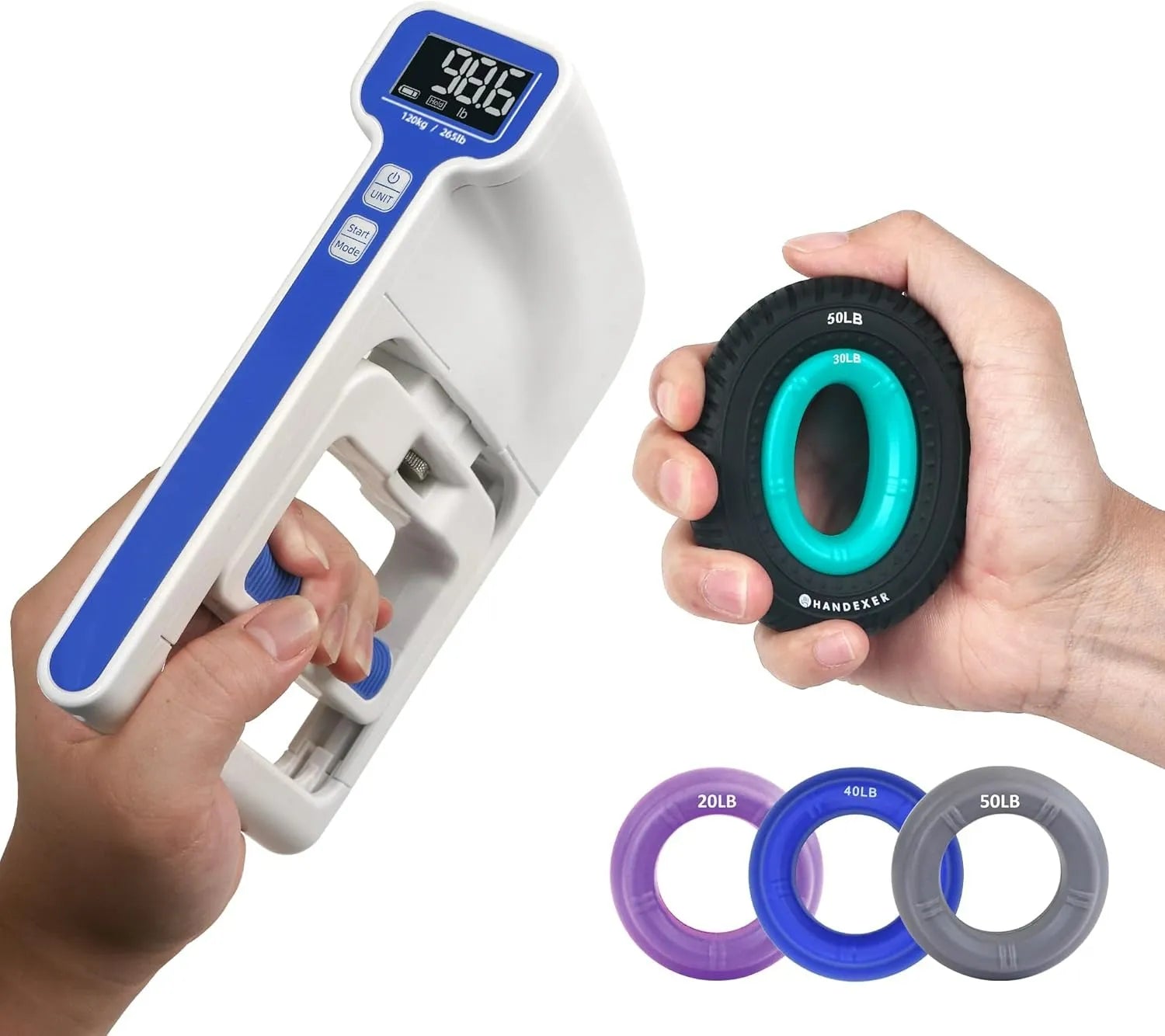
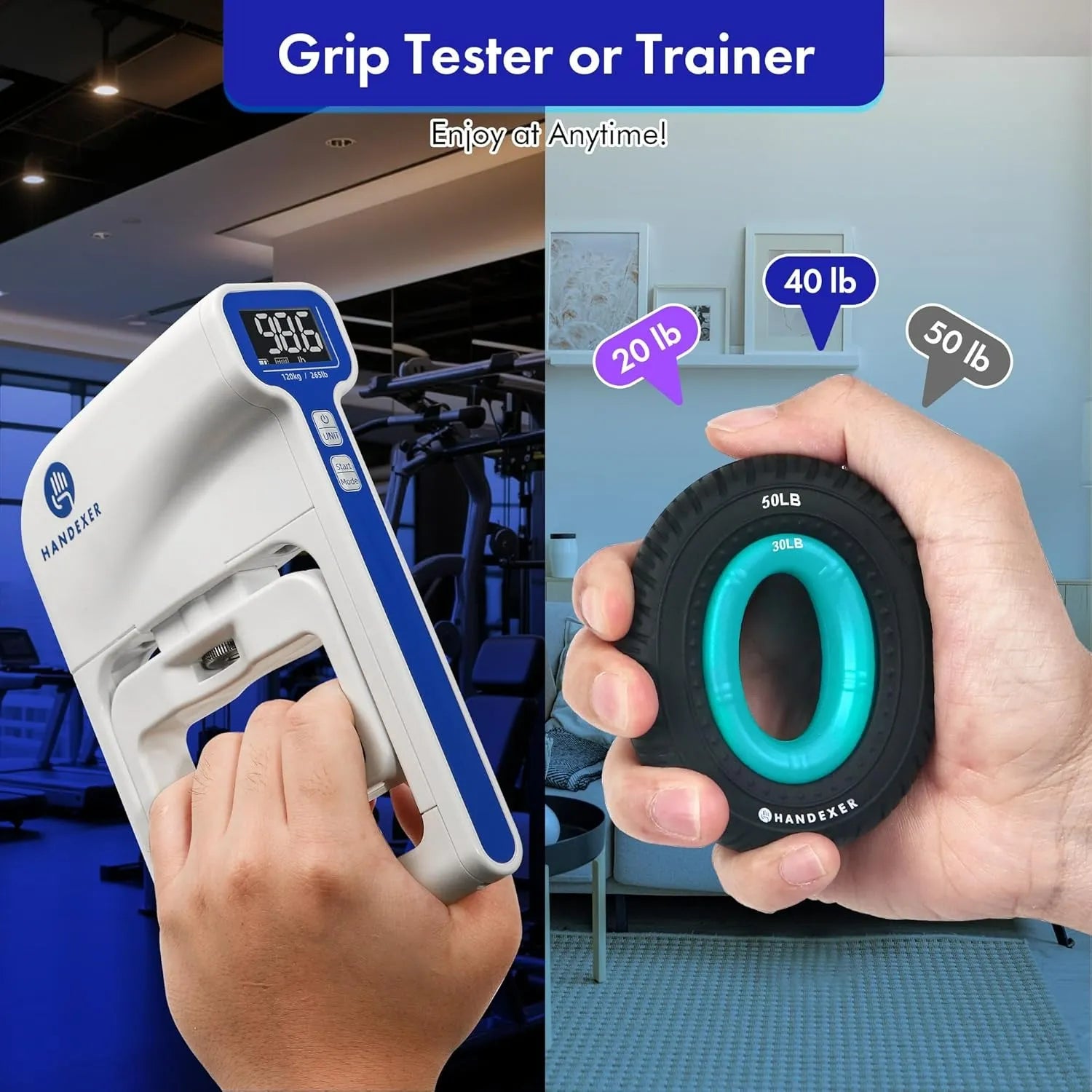
This is not about squeezing as hard as possible or maximizing grip strength. Instead, it involves a low-intensity isometric contraction, where the muscles produce steady force without movement. You apply gentle, sustained pressure using a hand grip device or a similar object, while maintaining a stable position throughout the exercise.
Basic protocol:
- Apply moderate, controlled grip force (not maximal effort)
- Hold for 10–30 seconds
- Relax for a short period
- Repeat in cycles
- Total duration: ~2–5 minutes
The focus is not intensity. It is repeatable tension + controlled release.
Isometric muscle work has been studied for its potential influence on:
- Peripheral vascular resistance
- Short-term blood pressure response
- Autonomic nervous system balance (sympathetic/parasympathetic shift)
In simple terms, controlled muscle tension may act as a regulated cardiovascular stimulus, rather than random or high-stress exertion.
Its key advantages are daily accessibility and low physical exertion.It can be integrated into daily routines without needing a full workout session.
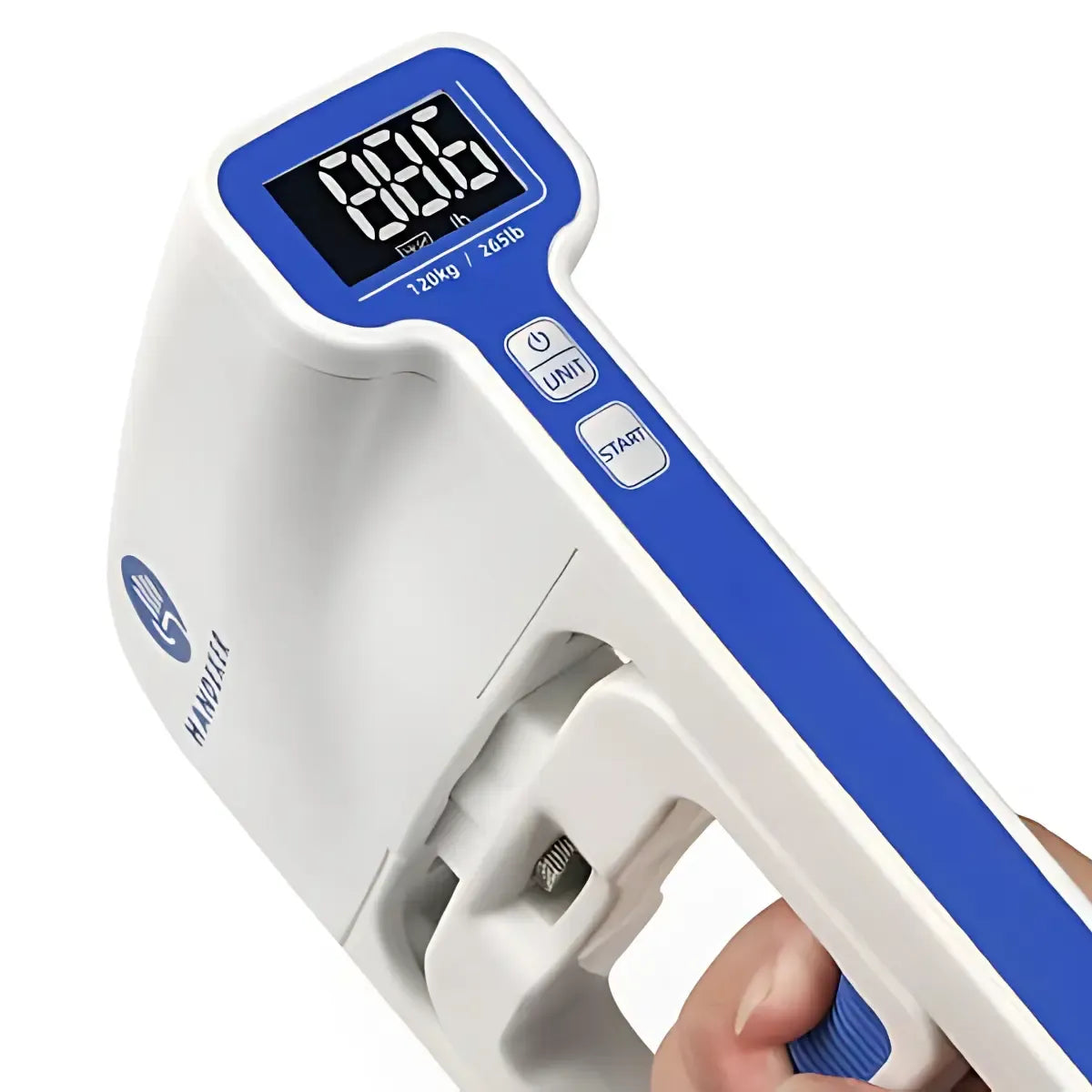
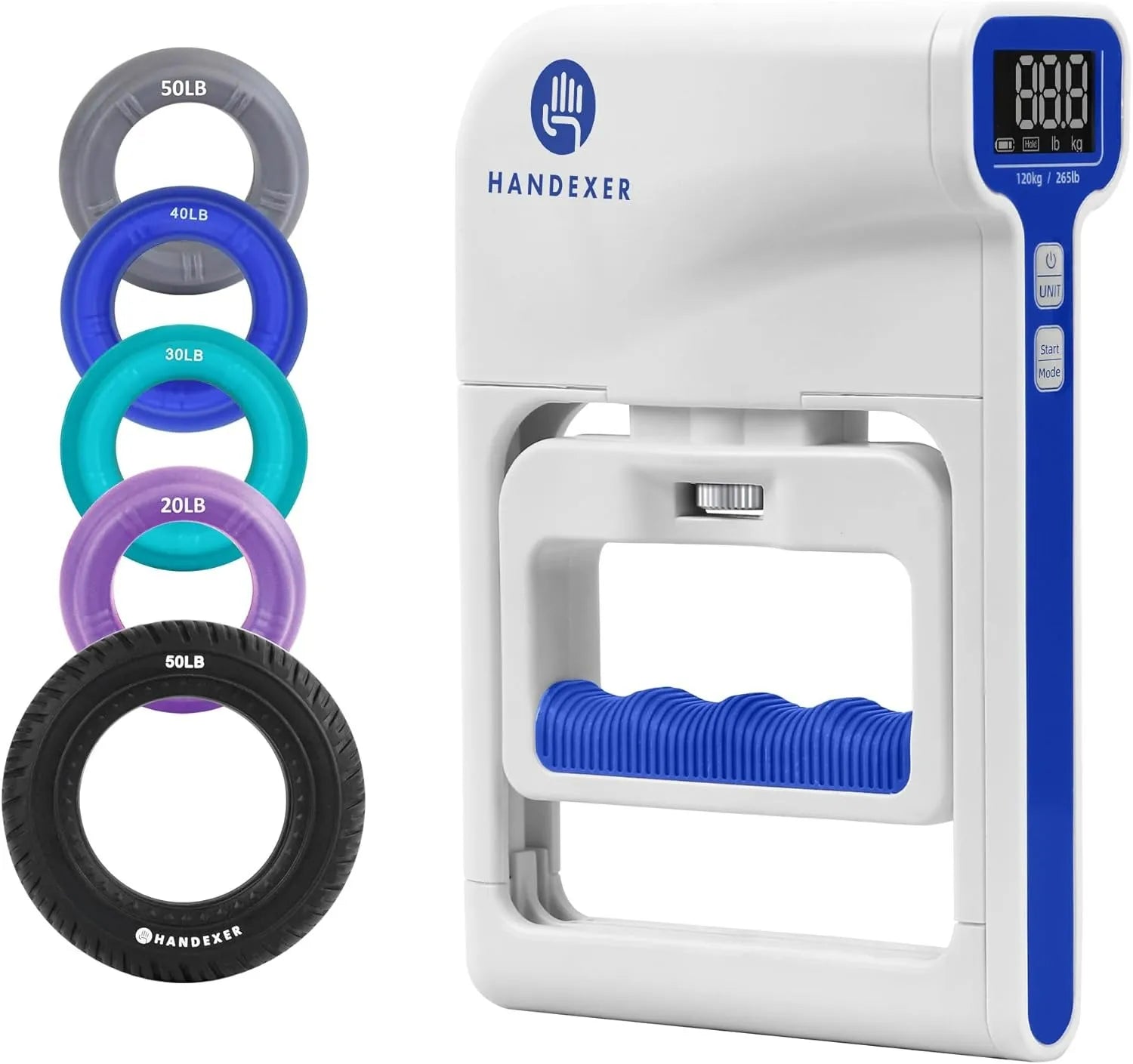
👉 If you track grip strength or hand function over time, this also becomes a measurable baseline indicator of neuromuscular consistency.
2. Slow, Controlled Breathing
Breathing is one of the fastest ways to influence the autonomic nervous system, which regulates heart rate, stress response, and vascular tone.
Basic pattern:
- Inhale slowly for 4–5 seconds
- Exhale slowly for 6–8 seconds
- Repeat for 2–5 minutes
No equipment needed. No posture complexity.Just rhythm.
Why it matters (physiology insight)
Slow breathing is associated with:
- Increased parasympathetic (rest-and-recovery) activity
- Reduced sympathetic arousal (stress response)
- More stable heart rate variability (HRV)
In simple terms, it helps shift the body from a “stress mode” toward a more regulated recovery state.Importantly, this is not forced relaxation.It is rhythmic pacing that the nervous system tends to follow.
A Simple 5-Minute Routine
You can combine them into a short daily reset:Start by sitting comfortably and relaxing your shoulders.
Step 1 — Light isometric grip cycles (2–3 minutes)
- Moderate grip → hold → release
- Keep effort consistent, not maximal
Step 2 — Slow breathing (2–3 minutes)
- 4–5 sec inhale
- 6–8 sec exhale
- Maintain smooth rhythm
That’s it.No fatigue target. No intensity goal.The purpose is not performance — it is physiological consistency and regulation.
Why Baseline Tracking Matters (Most People Miss This)
These routines are simple — but without measurement, they are hard to interpret.
For example:
- Is your grip strength stable over time?
- Is there asymmetry between hands?
- Are stress responses changing or just feeling “different”?
Without baseline data, there is no feedback loop.And without feedback, progress becomes guesswork.
👉 This is where simple tracking tools or grip assessment systems become valuable.
From Random Practice to a Simple System
When structured properly, this is no longer just “two techniques”.
It becomes a loop:
- Understand your baseline (grip + stress response)
- Perform short, repeatable daily sessions
- Track changes over time
- Adjust based on feedback
This is the foundation of lightweight functional health training — not intensity, but consistency + measurement.
Who This May Be Useful For
This approach is commonly relevant for:
- People with sedentary daily routines
- Users interested in stress regulation habits
- Individuals tracking hand function or grip strength
- Older adults maintaining functional capacity
- Beginners building awareness of cardiovascular responses
It is not a medical treatment and should not replace clinical care.
Summary
Light isometric hand activation and slow breathing are not “quick fixes” for blood pressure.
Their value lies in:
- Structure
- Repeatability
- Low fatigue implementation
- Nervous system regulation support
When combined with baseline awareness and simple tracking, they become part of a practical, everyday physiological regulation system rather than isolated exercises.
FAQ
1.Can these 5-minute techniques lower blood pressure immediately?
No. These are not immediate interventions. They are simple practices that may support overall physiological regulation over time when used consistently.
2.How often should I do these exercises?
A few times per week is usually enough for most people. Consistency matters more than duration or intensity.
3.Do I need a hand grip device?
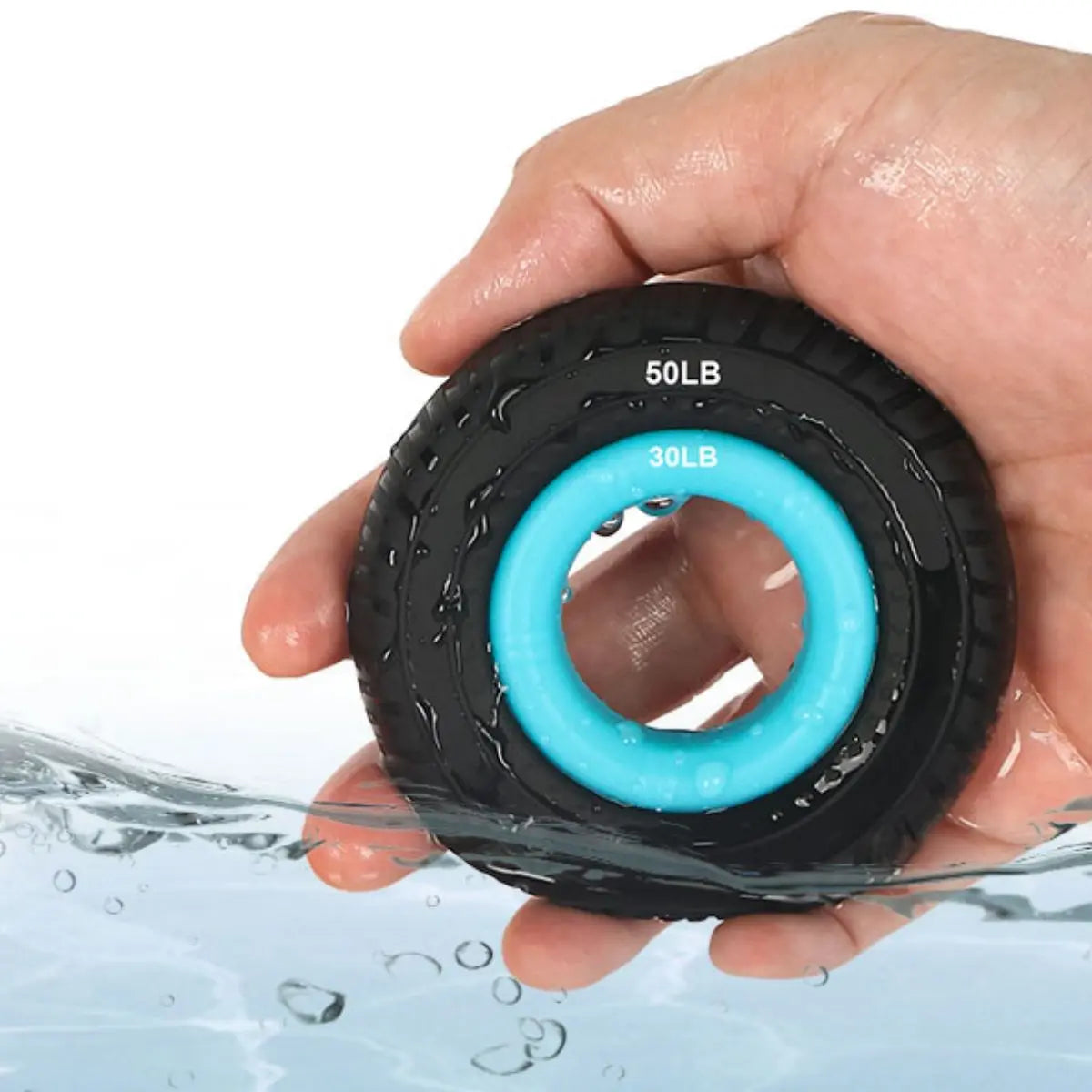
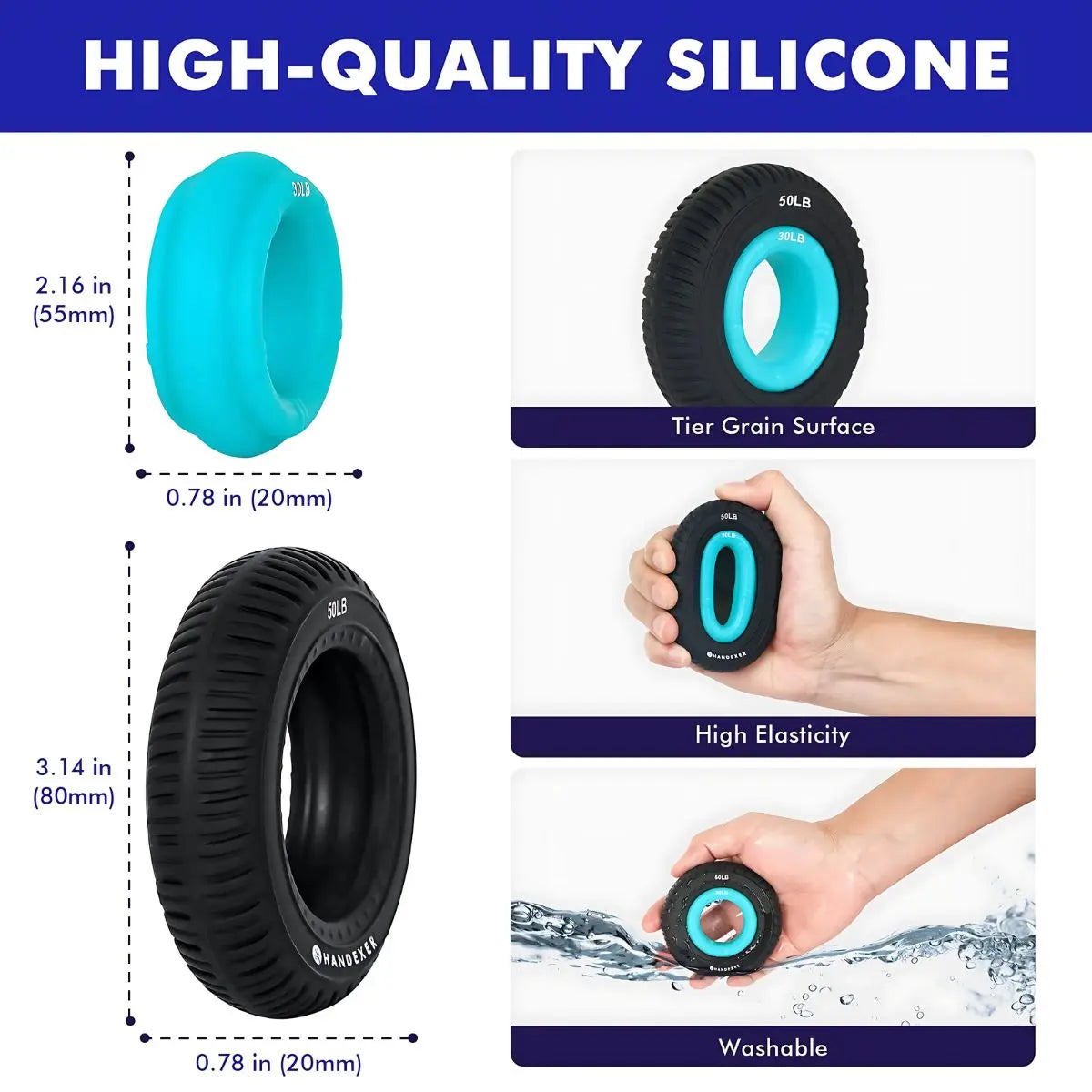
A hand grip device is recommended because it provides consistent resistance, but other safe objects can also be used for controlled isometric practice.
4.Why combine grip work with breathing?
They influence different systems: grip work involves physical activation, while breathing affects nervous system regulation. Together they create a balanced short routine.
5.Is this a replacement for medical treatment?
No. These are general wellness practices and are not a substitute for medical advice or treatment.





Share:
How to Train Climbing Grip Strength Without a Gym (And Still Progress on the Wall)
A Father’s Hands: From Strength to Sustained Well-being