
For climbers and boulderers, consistent access to a climbing gym isn’t always possible.Maybe you’re traveling. Maybe life gets busy. Maybe the nearest wall is just too far away.
And if you’ve taken even one or two weeks off, you’ve probably had this thought:“Am I losing my strength?”
Here’s the truth most experienced climbers eventually learn: You don’t lose everything nearly as fast as it feels.But you can lose sharpness, finger endurance, and confidence on the wall if you stay completely inactive.
The solution isn’t trying to replace climbing.It’s knowing what actually matters when you’re not climbing—and keeping that sharp.
What Actually Matters When You’re Off the Wall
When you can’t climb, don’t think in exercises.Think in what actually carries over to climbing.Climbing performance mostly depends on 4 things:
- Grip Output → how much force your fingers can produce
- Pulling Strength → how well you support body weight on holds
- Tendon Endurance → how long you can stay strong under load
- Recovery Balance → how well your hands adapt and stay injury-free
In any off-the-wall session, you only need to focus on 2–3 of these at a time.
Why Most Climbers Stall When They Stop Climbing
When climbers can’t get to the gym, they usually fall into three patterns:
1. Doing nothing at all
This is the most common.If you can’t climb, you assume there’s nothing useful you can do.
But in reality, even 2–3 structured sessions per week is enough to maintain most climbing-specific strength during short breaks.
The key is not intensity—it’s consistency.
2. Random grip training (no direction)
The second trap is the “do everything hard” approach:
- Endless pull-ups to failure
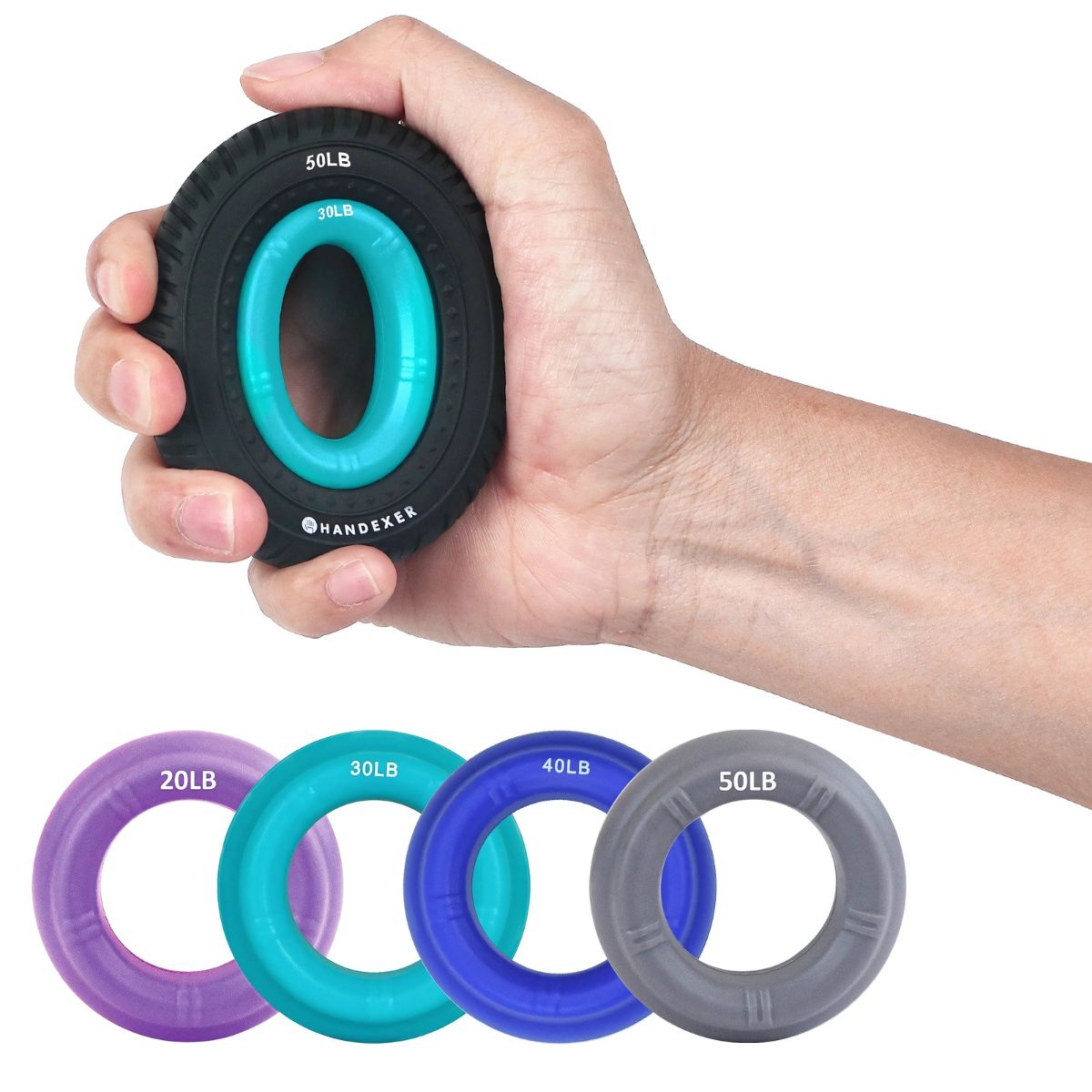
- Daily grip trainer squeezing
- Max effort holds until forearms burn
The problem isn’t effort.It’s lack of direction.Climbing strength isn’t just raw force—it’s:
- Finger control
- Tendon tolerance under load
- Grip endurance under fatigue
- Ability to repeat effort without breakdown
Without direction, you’re not improving anything—you’re just getting tired.
3. Ignoring recovery entirely
Climbers often forget this: Your fingers don’t get stronger during training.They get stronger during recovery.
When recovery is missing, you’ll often notice:
- Finger stiffness that lingers
- Forearms never fully relaxing
- Elbow discomfort
- Sudden drop in performance when you return
👉 A simple rule: If effort is going up but performance is going down, recovery is the missing piece.
What Climbers Should Actually Train Off the Wall
Now we turn those 4 focus areas into training.
1. Grip Output (Climbing-Specific Strength)
Climbing strength is not max squeezing power.It’s controlled force under fatigue.
Train with:
- Short static holds (5–10 seconds)
- Open-hand grip positions
- Pinch holds (controlled, not maximal)
- Time-under-tension work
Structure:
- 3–5 sets per variation
- 5–10 sec holds
- 60–90 sec rest
Stop before form breaks.You should feel “activated,” not destroyed.
Quick baseline check (optional but powerful)
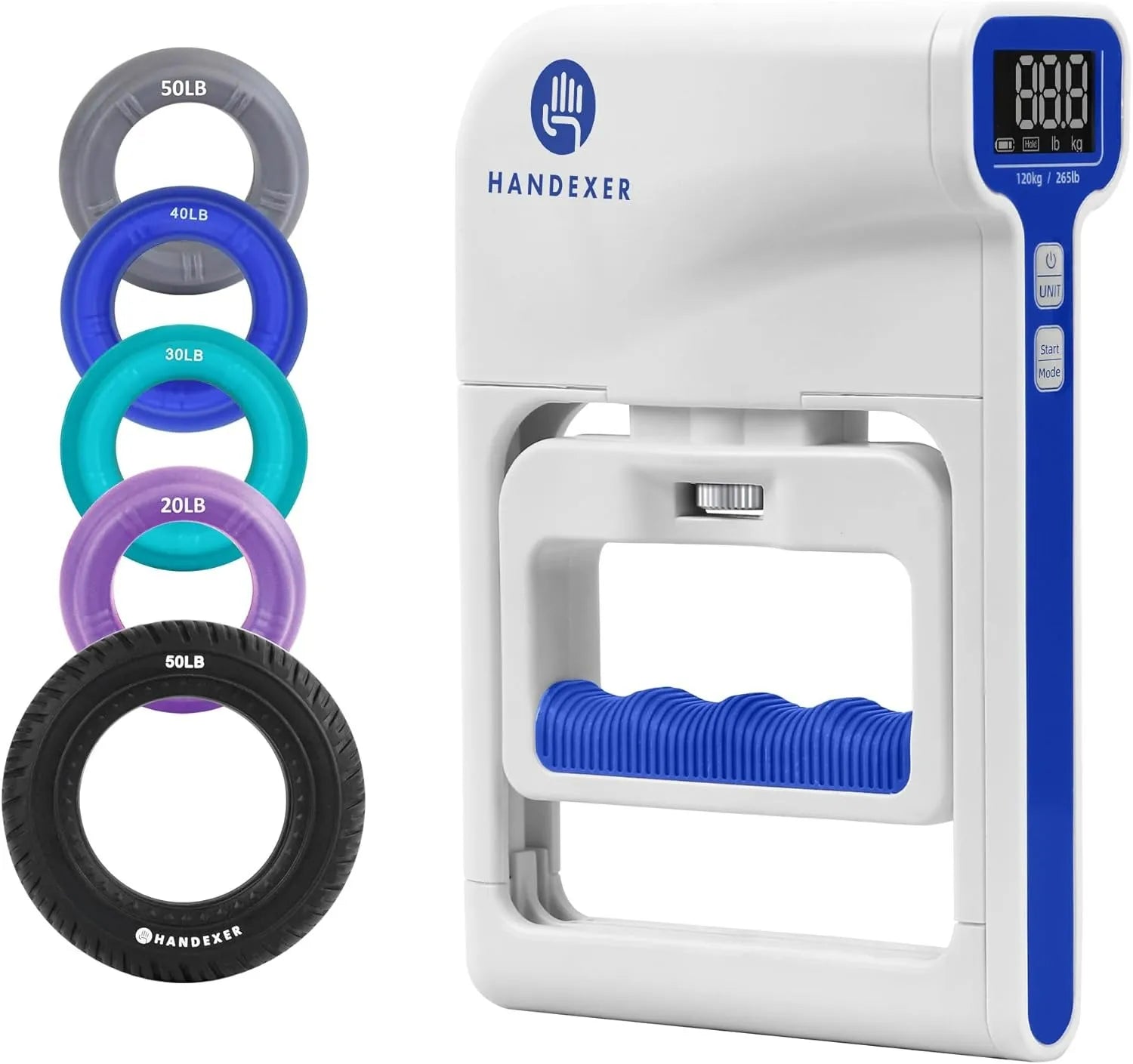
Before training cycles, it helps to get a simple grip baseline.Not to chase numbers—but to see change.
This helps you notice:
- fatigue trends
- left/right imbalance
- whether training is actually working
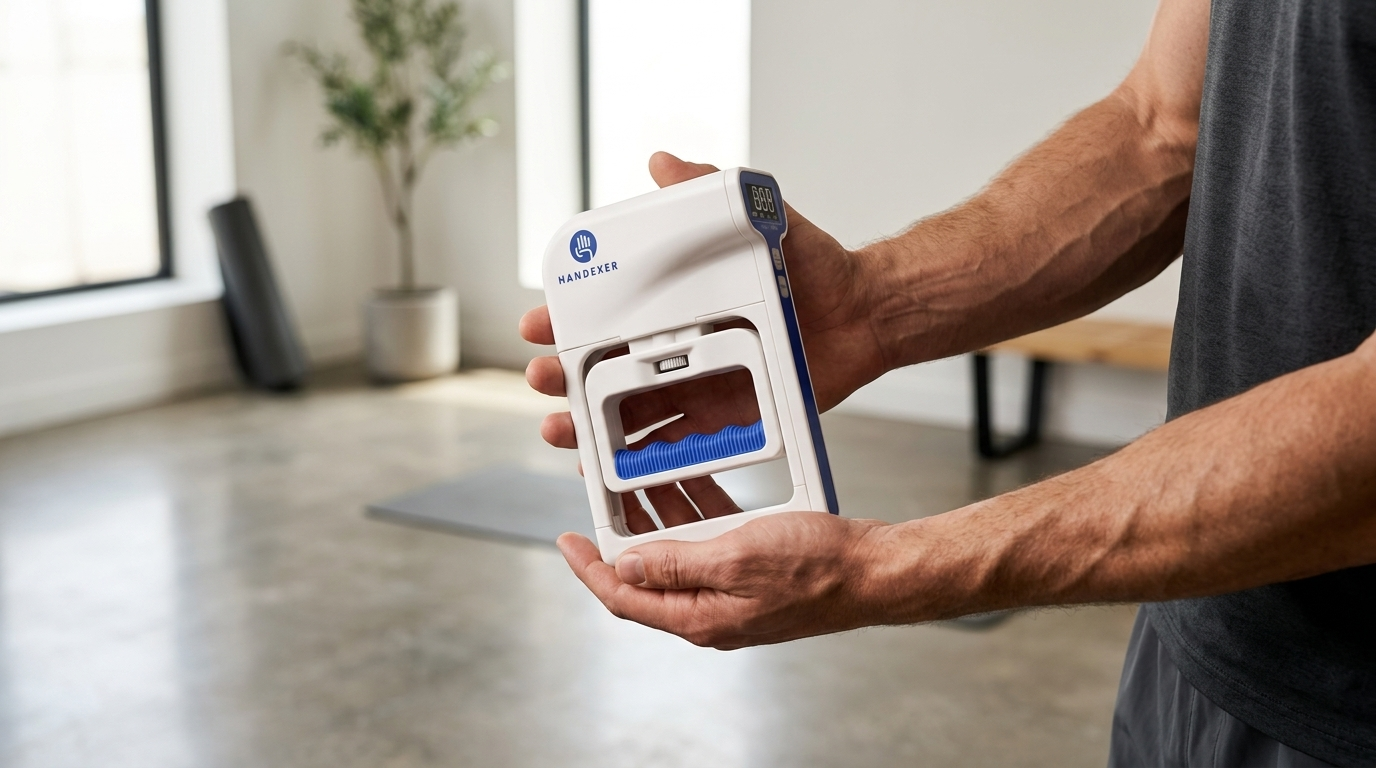
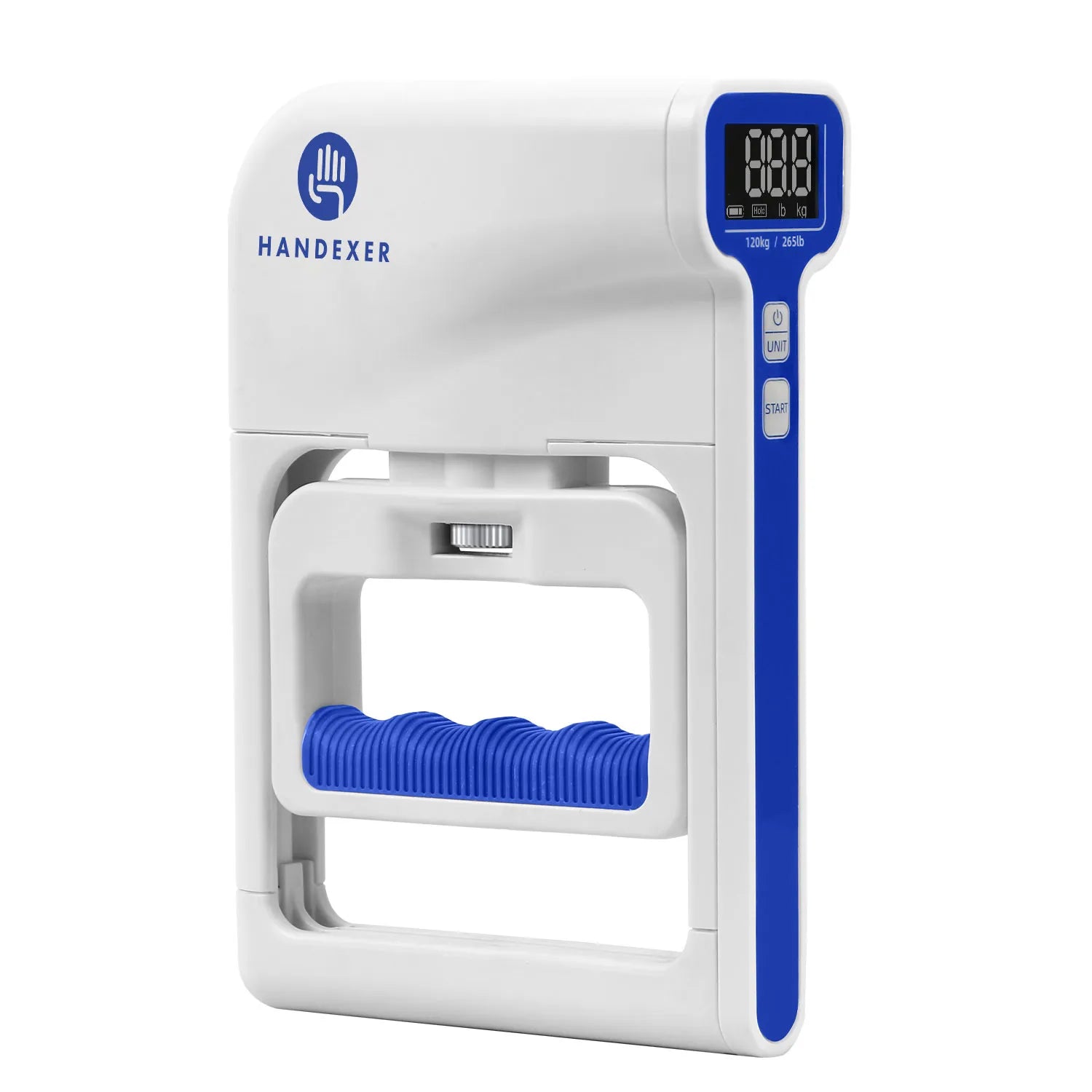
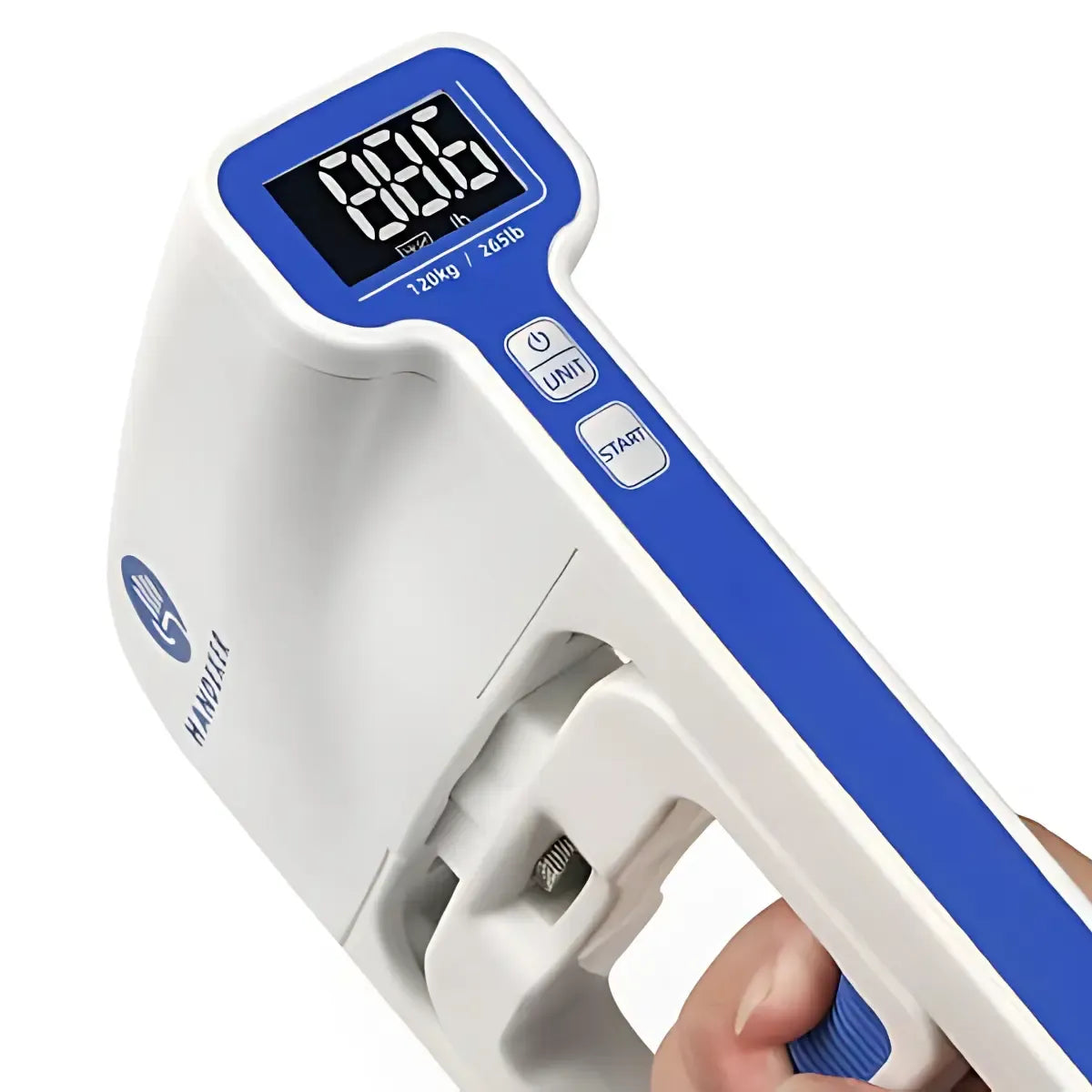
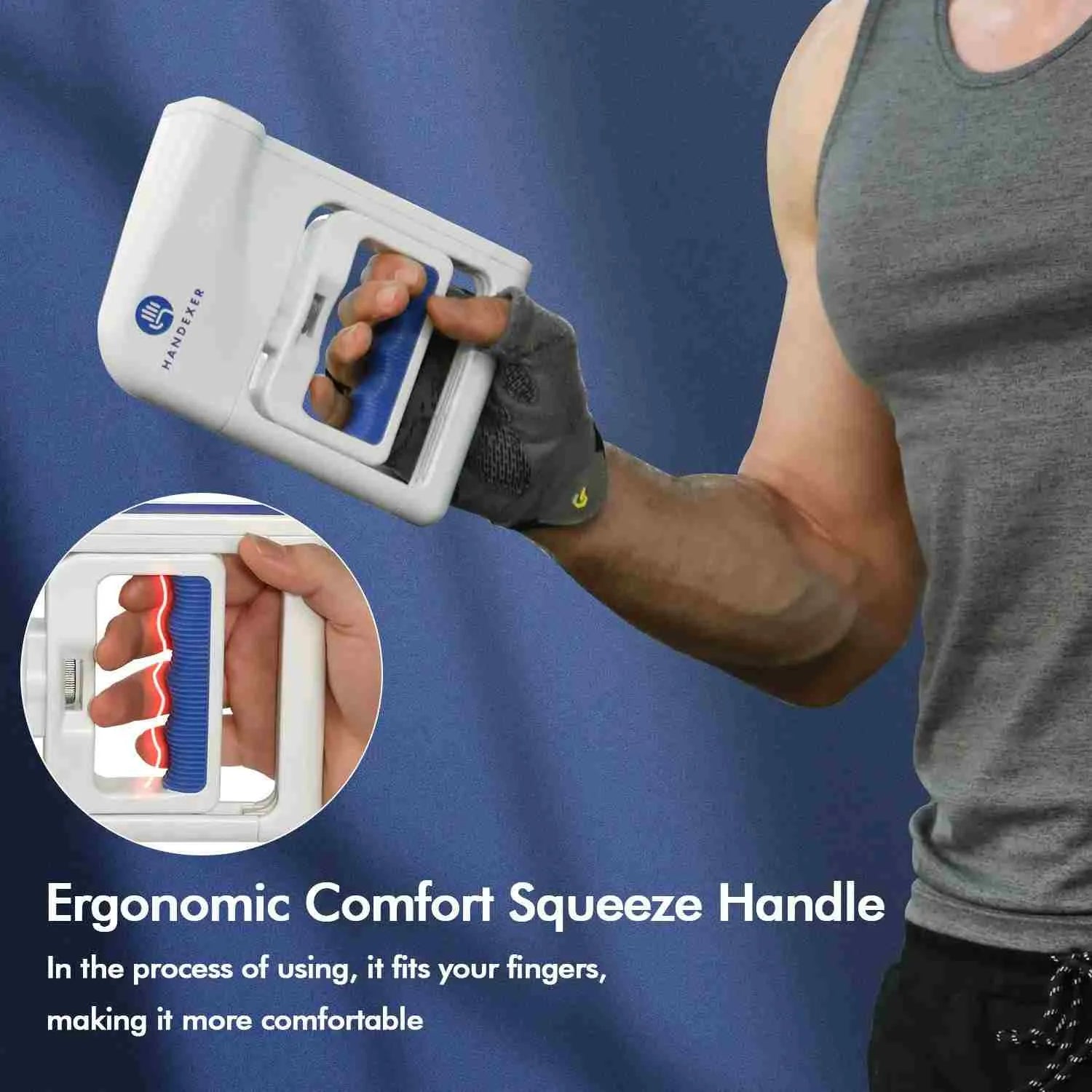
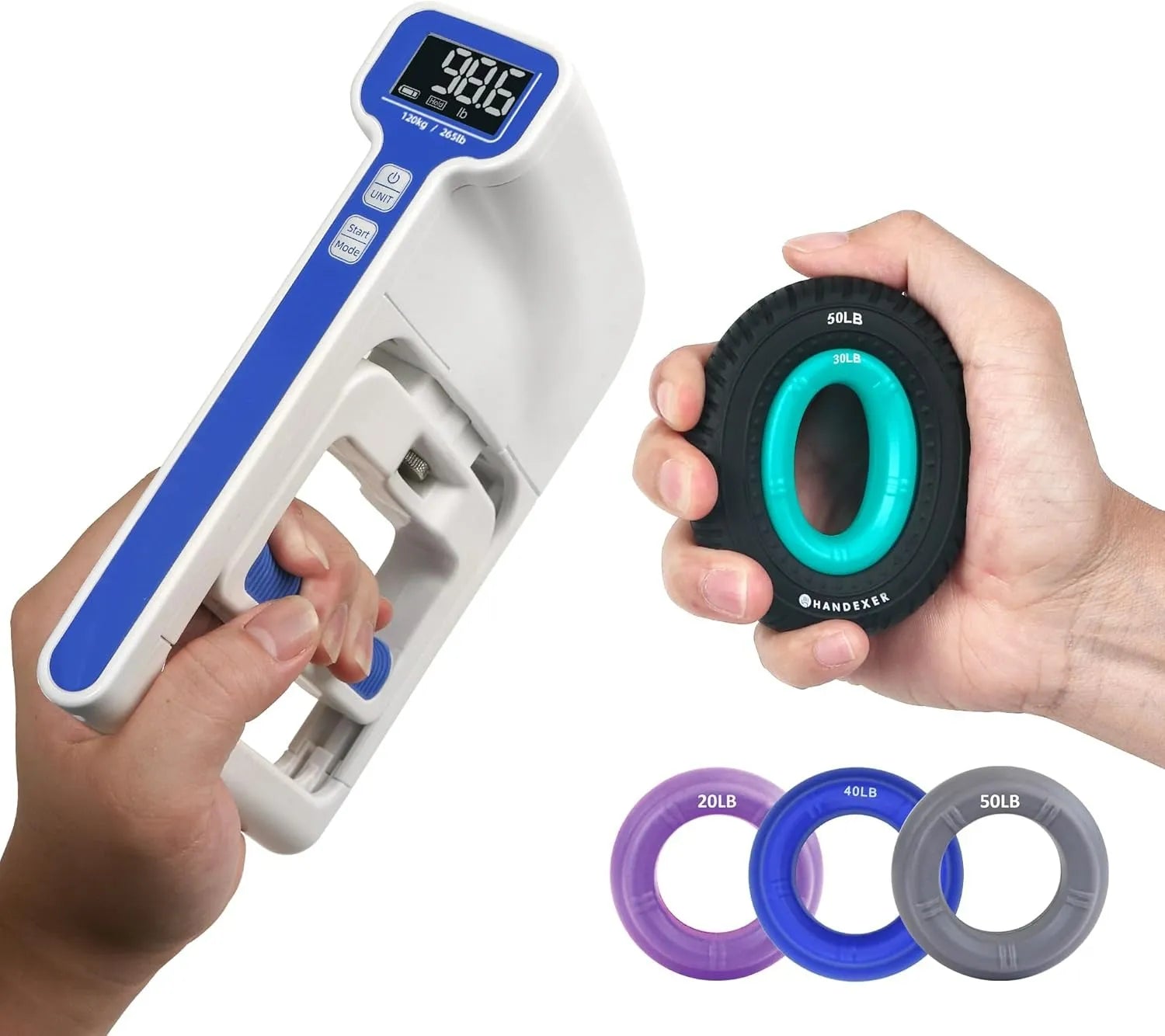
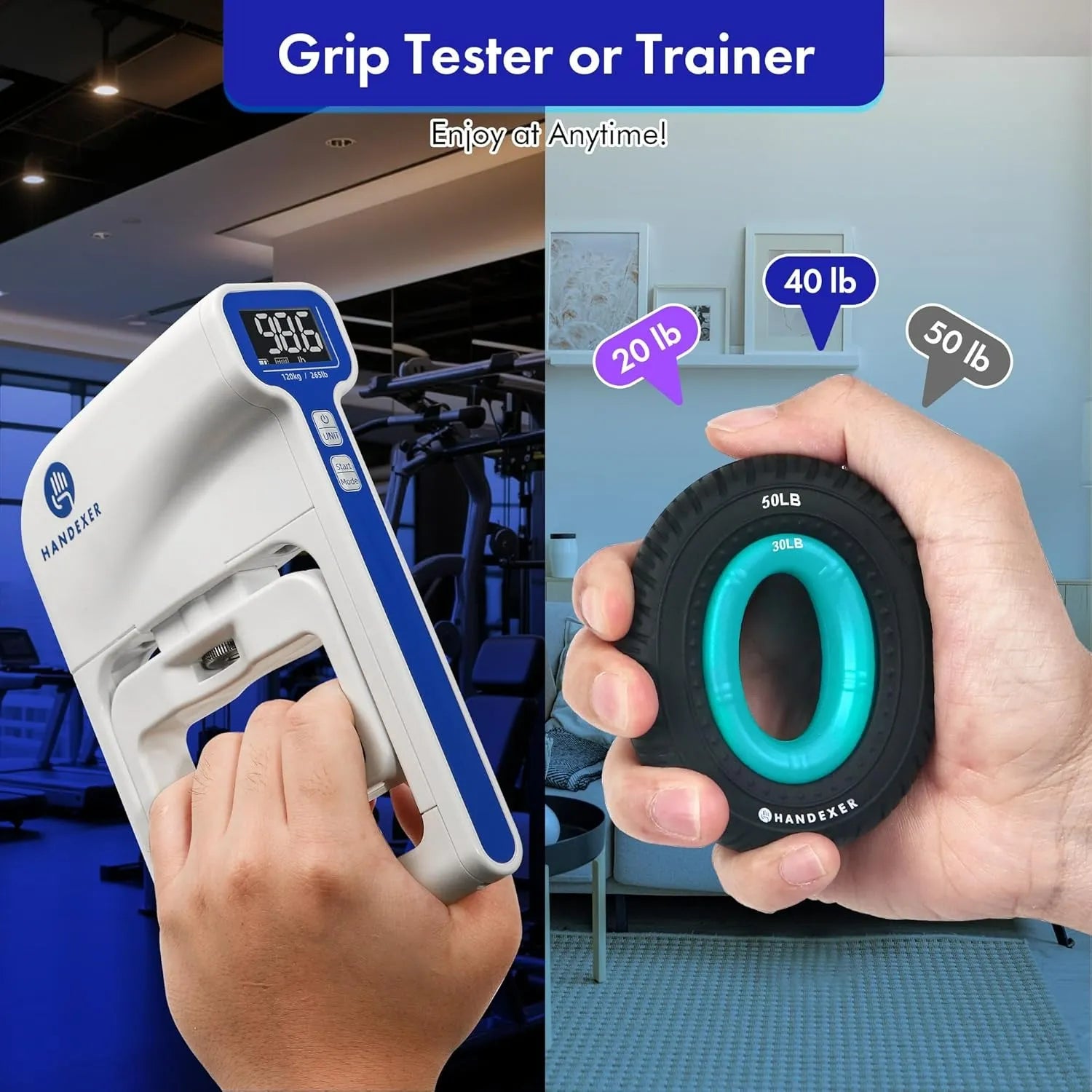
👉 This is where a simple grip strength assessment tool becomes useful—turning “feeling strong” into measurable data you can track over time.
2. Pulling Strength (Support for Movement)
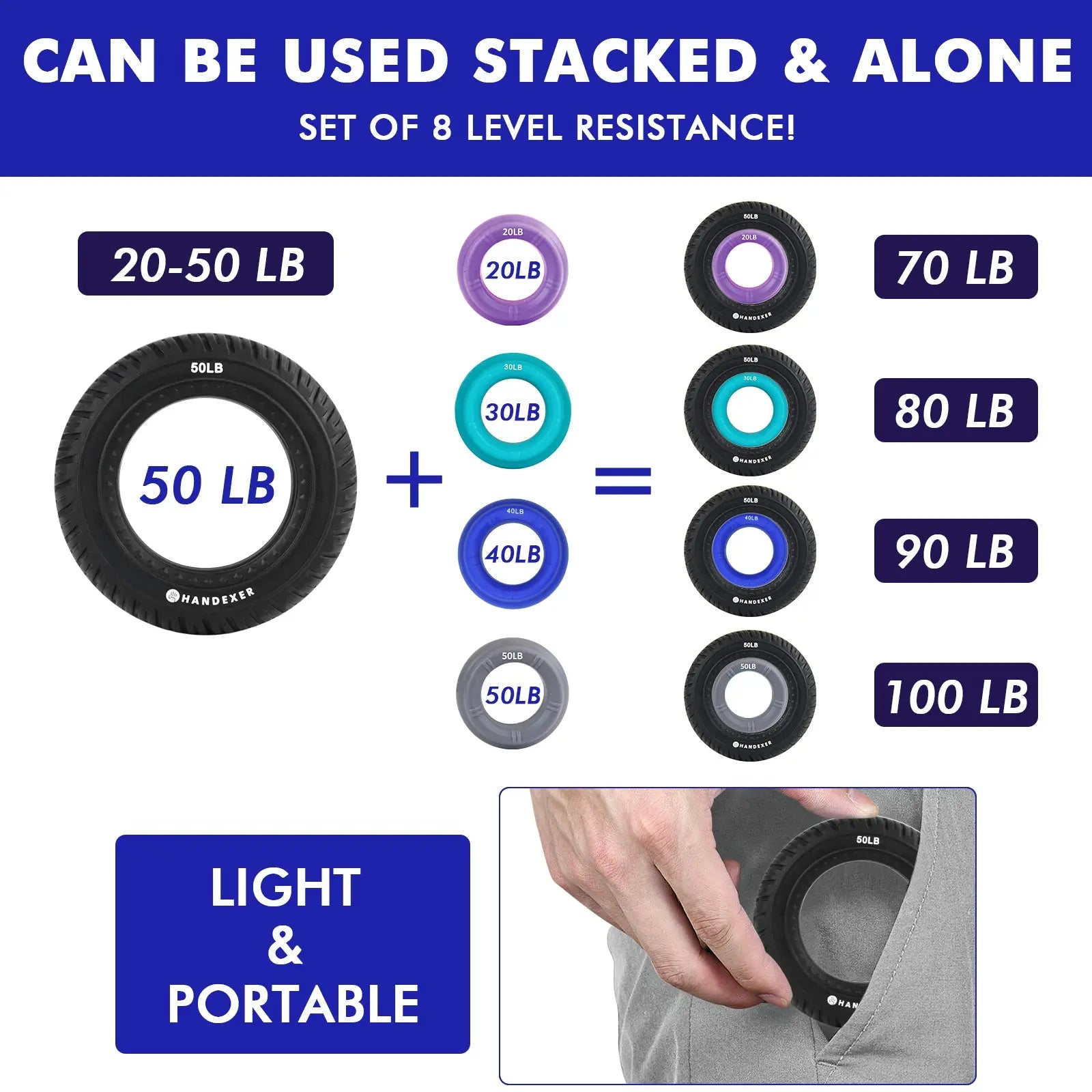
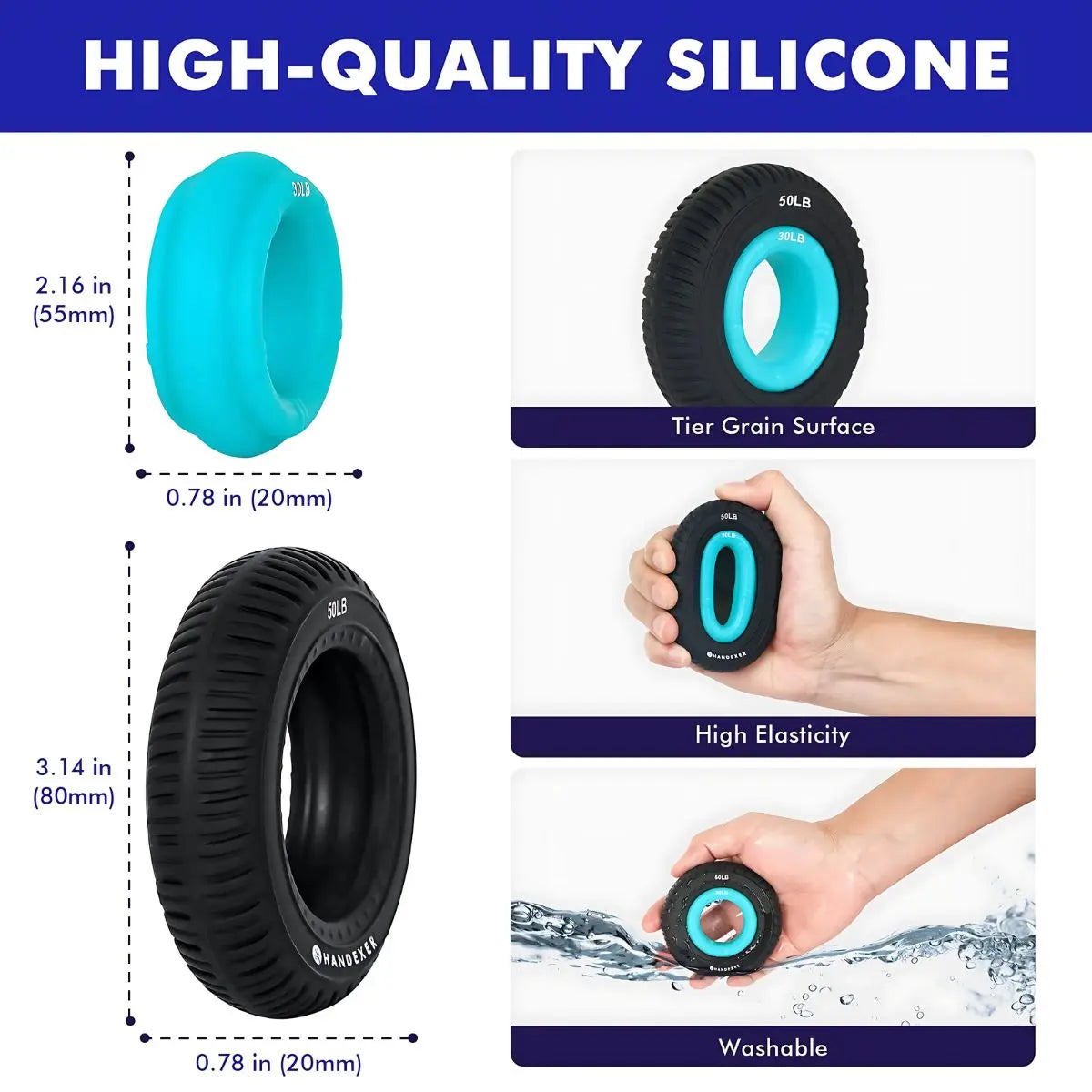
If you’re training off the wall, structured tools can make a big difference.
Training tools designed for climbers help you:
- Build climbing-specific grip patterns
- Train controlled resistance instead of random squeezing
- Maintain consistency when you’re away from the gym
The goal is not just stronger hands.It’s transferable climbing strength.
Useful off-the-wall exercises include pull-ups, scapular pulls, and isometric lock-offs, with the focus placed on control, body tension, and movement quality rather than training to failure.
3. Tendon Endurance (Staying Strong on Holds)
This is what keeps you on the wall longer without breaking down.
Train with:
- Submaximal holds (20–40% effort)
- Longer duration hangs (15–30 sec)
- Easy repeat sets without failure
👉 Think: “how long can I stay solid,” not “how hard can I go.”
4. Recovery Balance (Keeping Hands Healthy)
One of the most overlooked parts of training is tracking fatigue.
Monitoring tools help you see:
- Whether you’re recovering properly
- If one hand is overworked
- If your strength is actually trending upward
Many climbers only realize overtraining after performance drops.
You can also try finger extension exercises, light antagonist training, mobility drills, and forearm recovery movements.They can help reduce stiffness, improve balance, and keep your hands healthy for long-term progress.
Stop Guessing: Why Feedback Changes Everything
One of the biggest mistakes climbers make is relying on feeling.
You feel stronger.But feeling is not data.
👉 Assessment tools help establish your baseline grip strength.
👉 Monitoring tools help track how that strength changes over time.
Together, they help you Train smarter Avoid overuse injuries Adjust intensity before problems appear
A Simple 30-Minute Off-the-Wall Session (2–3x/week)
Each session should cover at least 2–3 of the focus areas above.
Warm-up (5 min)
- Wrist mobility
- Finger activation
- Light band extensions
Strength Block (15 min)
Pick 2–3:
- Grip holds
- Pulling work
- Pinch training
- Lock-offs
👉 Always stop before failure.
Recovery Block (10 min)
- Finger extensors
- Forearm mobility
- Light soft tissue work
You should leave feeling better than when you started.
Common Mistakes Climbers Make
Training grip every day
→ tendons don’t adapt like muscles
Only training crushing strength
→ ignores endurance and control
Skipping recovery
→ leads to stagnation and injury
Final Thoughts: Stay Ready, Not Just Strong
Missing the wall doesn’t mean losing progress.The climbers who improve long-term aren’t just stronger.They’re more consistent, more intentional, and more aware of feedback.
Off-the-wall training should do one thing:Keep you ready to climb at any time.
Because real progress doesn’t come from doing more.It comes from focusing on what actually matters—and adjusting based on feedback.
FAQ
How often should I train?
2–3 sessions per week is enough for most climbers during breaks.
Can this replace climbing?
No—but it can maintain most of your performance until you return.
How do I know it’s working?
Look for:
- less finger fatigue
- better control on small holds
- more consistent performance
If possible, use simple grip tracking to confirm progress.





Share:
Musician Hand Training Mistakes: Why Strength Training Can Hurt Your Playing
A Father’s Hands: From Strength to Sustained Well-being