
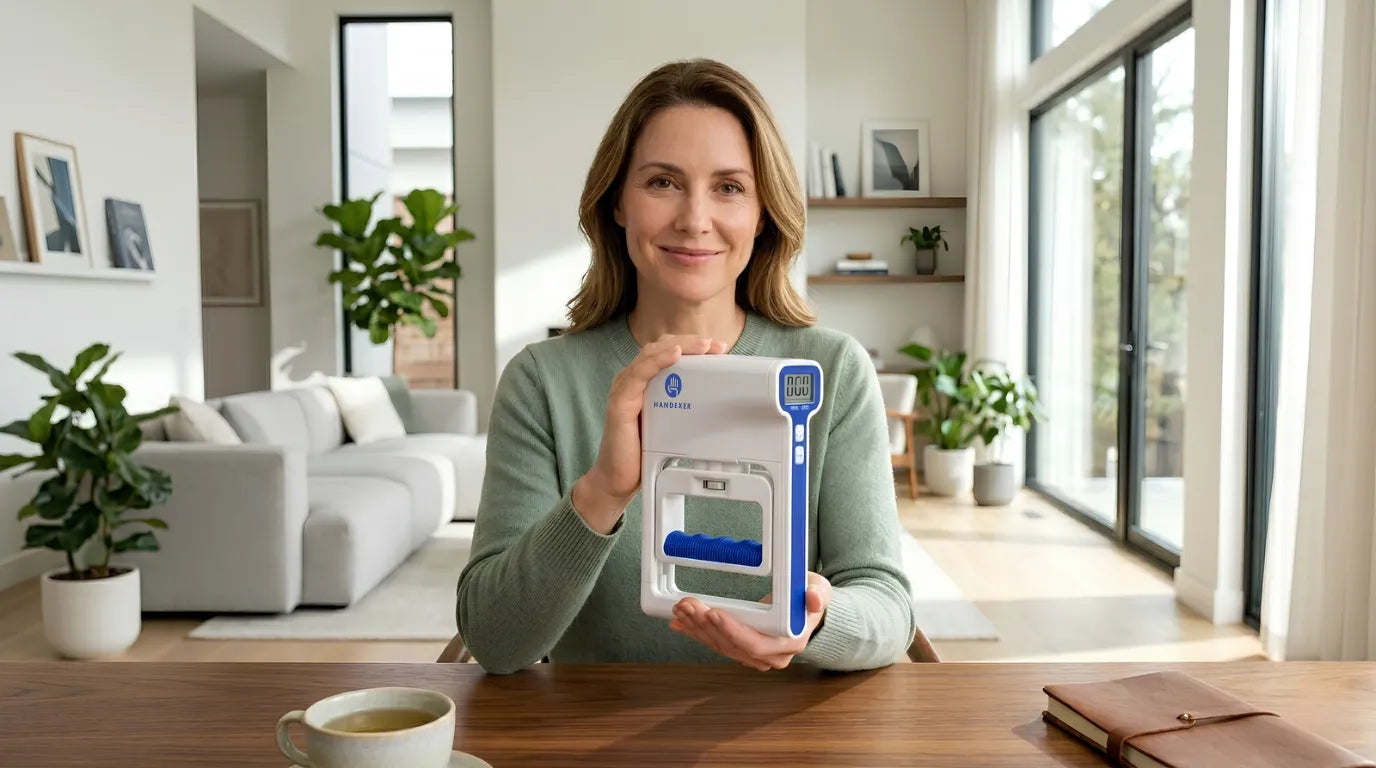
Most people buy a hand gripper with a simple goal: to strengthen their hands. In the beginning, the results are quite noticeable—the resistance feels easier, the forearms become stronger, and you can feel more power in both sports and daily activities.
But over time, training tends to hit a plateau. Grip strength no longer improves significantly, and in some cases, overtraining can even lead to repetitive strain injuries.
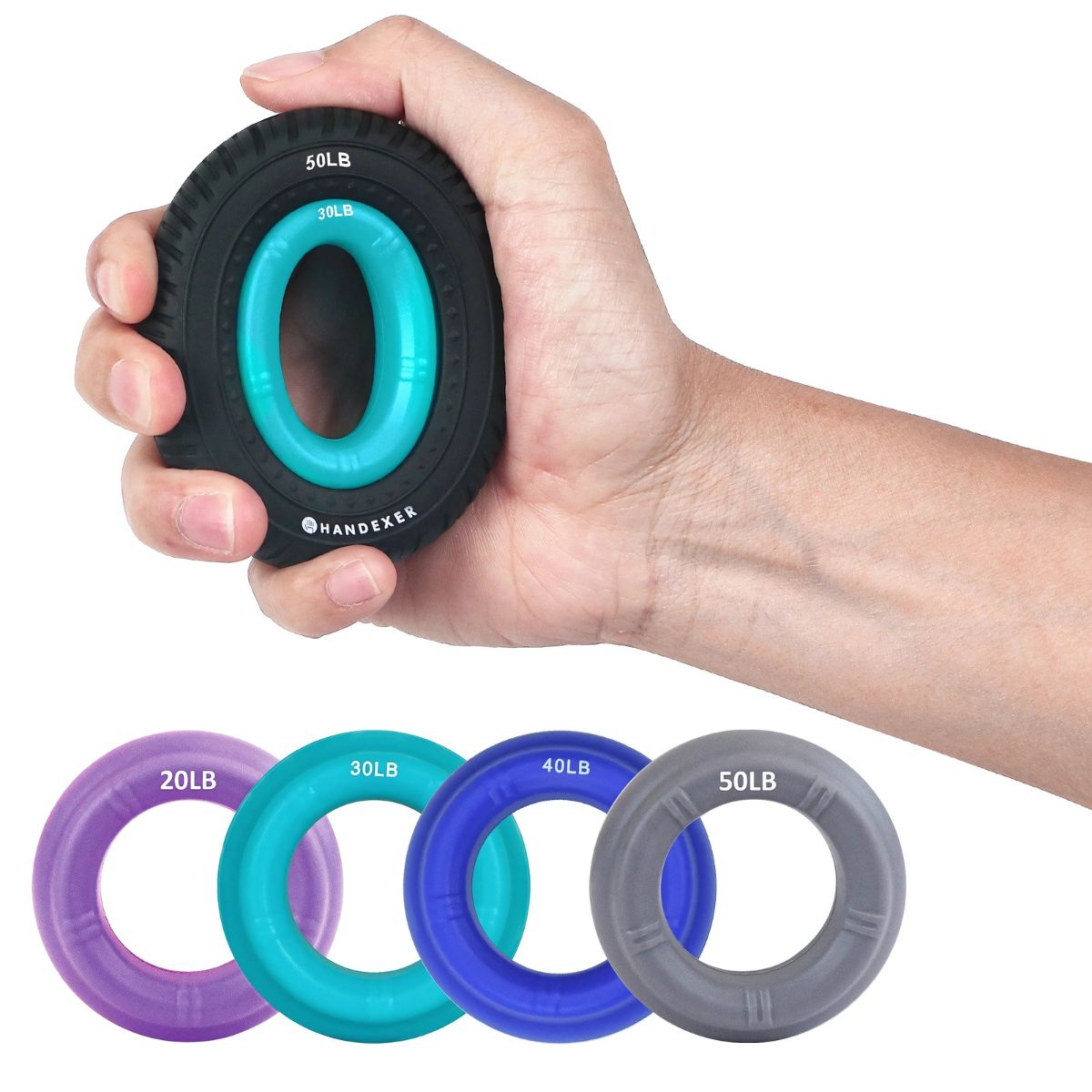
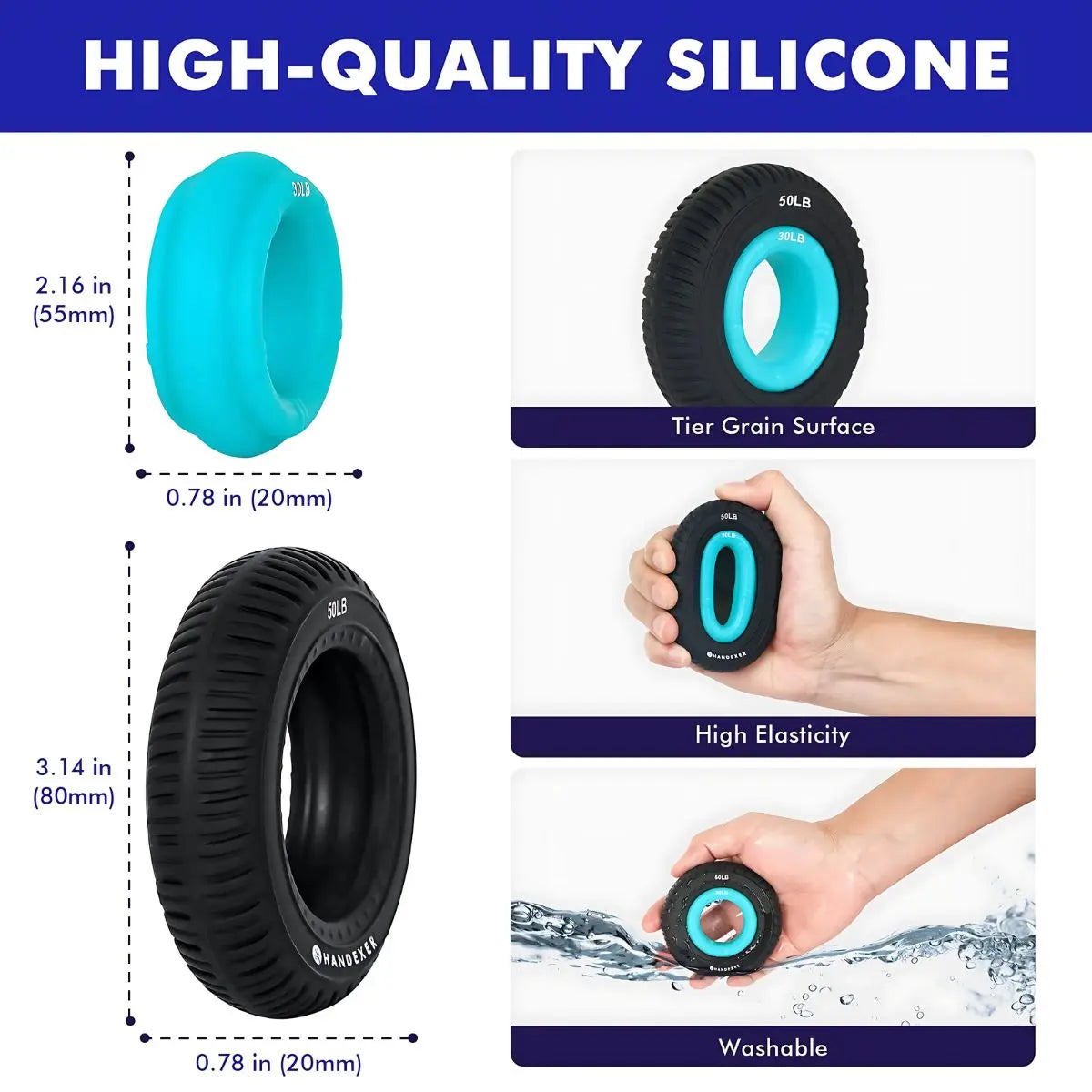
Hand grippers are not useless, but many people eventually fall into a cycle of blind training—constantly increasing intensity without knowing whether the training is actually effective. Traditional hand grippers also focus on a single movement pattern and lack a structured approach, which can easily lead to stalled progress or even injury.
So the real question is no longer just “Are hand grippers effective?” but how to build grip strength in a scientific, efficient, and safe way.
Are Hand Grippers Actually Effective?
Hand grippers are effective—but only in a very specific way.
They primarily train what is called crush grip strength—the ability to close your hand against resistance.
This makes them useful for:
- Improving closing strength
- Forearm muscle endurance
- Basic grip activation
However, they do not fully develop overall grip performance.
What they don’t train well:
- Pinch strength
- Support grip (holding heavy objects over time)
- Functional grip coordination
So the real answer is:Hand grippers are effective—but incomplete.
The Hidden Problem with Traditional Hand Grippers
Many people buy a basic gripper, squeeze it hundreds of times a day, and eventually wonder why their hands feel stiff or why their strength has stopped improving. There are three main issues with this outdated approach:
1. Treating the Gripper as a Fidget Toy
Grip training should be treated with the same respect as heavy lifting. Doing hundreds of light, rapid repetitions provides very little functional strength benefit. Instead, it places unnecessary friction on your tendons, increasing the risk of repetitive strain injuries.
2. A Lack of Measurable Progress
A traditional metal or plastic gripper offers no feedback. You might feel like the resistance is getting easier, but you have no hard data to prove your progress. Without clear data, you are simply guessing.
3. Ignoring the Full Hand Health Cycle
Strength is only one part of the equation. Focusing entirely on squeezing completely ignores the importance of baseline assessment and post-training recovery, leaving your hands vulnerable to imbalances and fatigue.
As many experienced athletes and physical therapists will note: a traditional gripper is often a much better tool for testing your strength than it is for building it continuously.
Why Most People Don’t See Results
Many users start grip training with motivation but stop seeing progress after a few weeks.
This usually happens because:
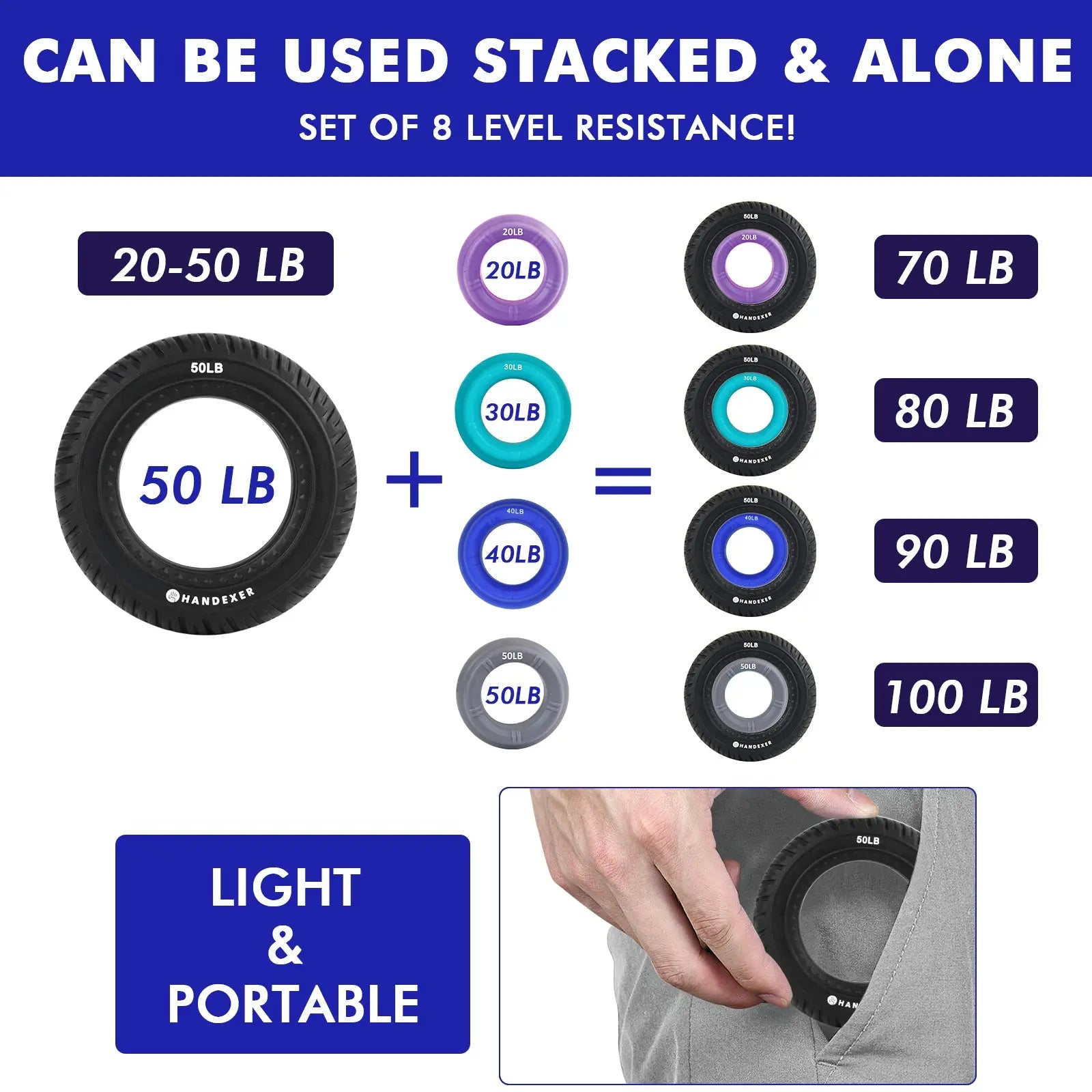
- The resistance never changes
- There is no way to track improvement
- Training becomes repetitive instead of progressive
Over time, the hand adapts, and progress slows or stops completely.
A Smarter Approach: Assess, Train, Recover
Building real, lasting hand function requires a system, not just a single piece of equipment. By shifting your focus from "buying a gadget" to managing your overall hand health, you can train with confidence and see visible results.
1. Measure Clearly (Assessment)
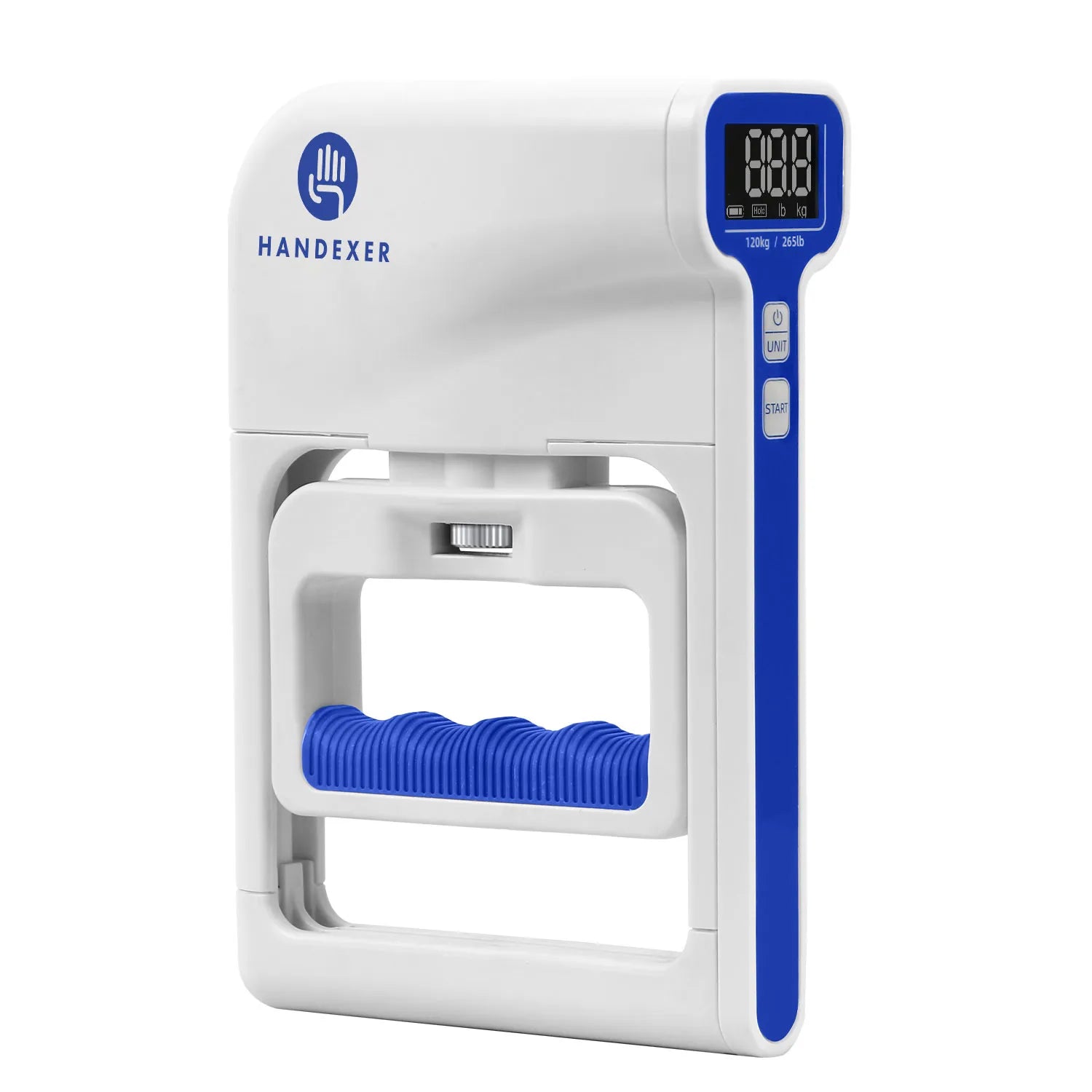
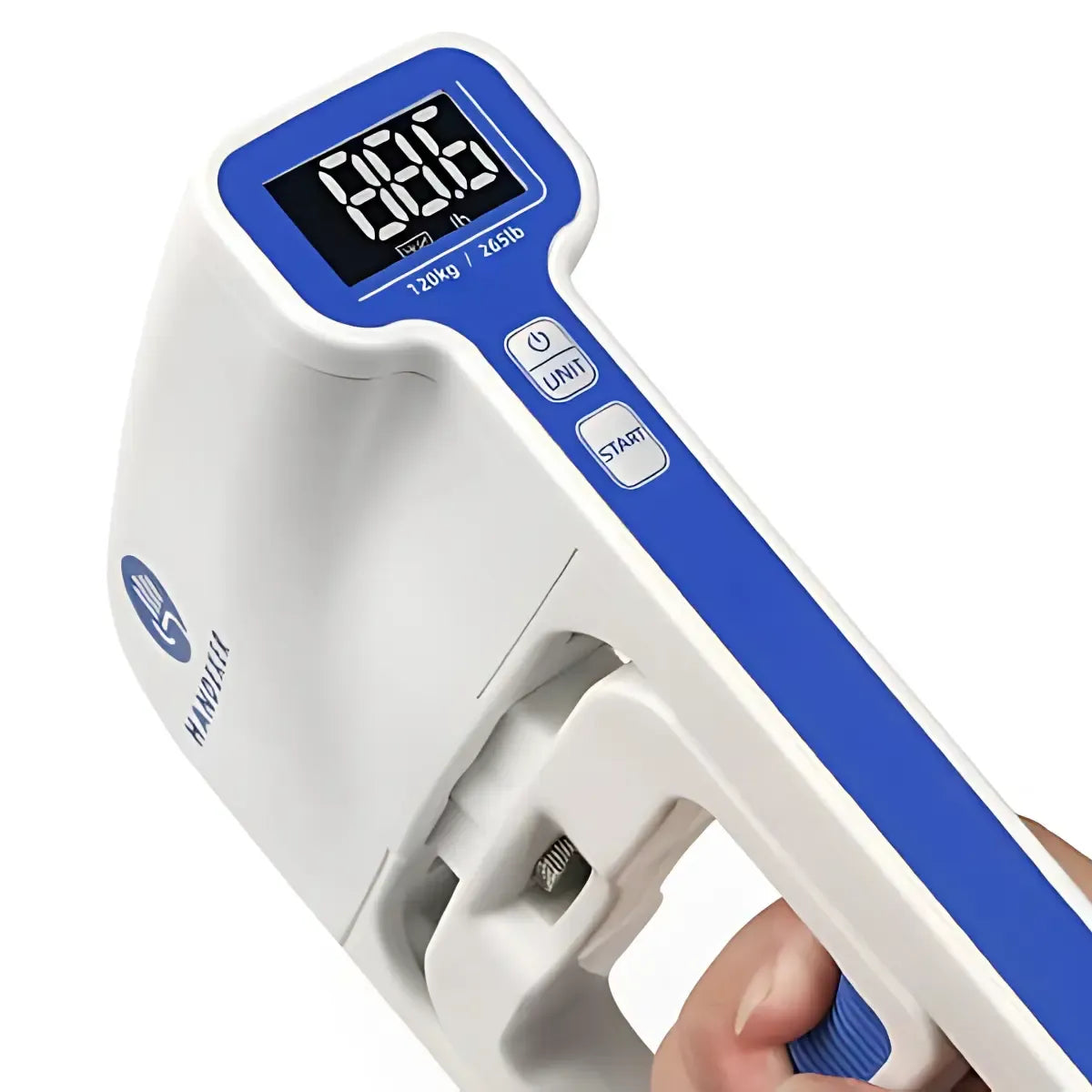
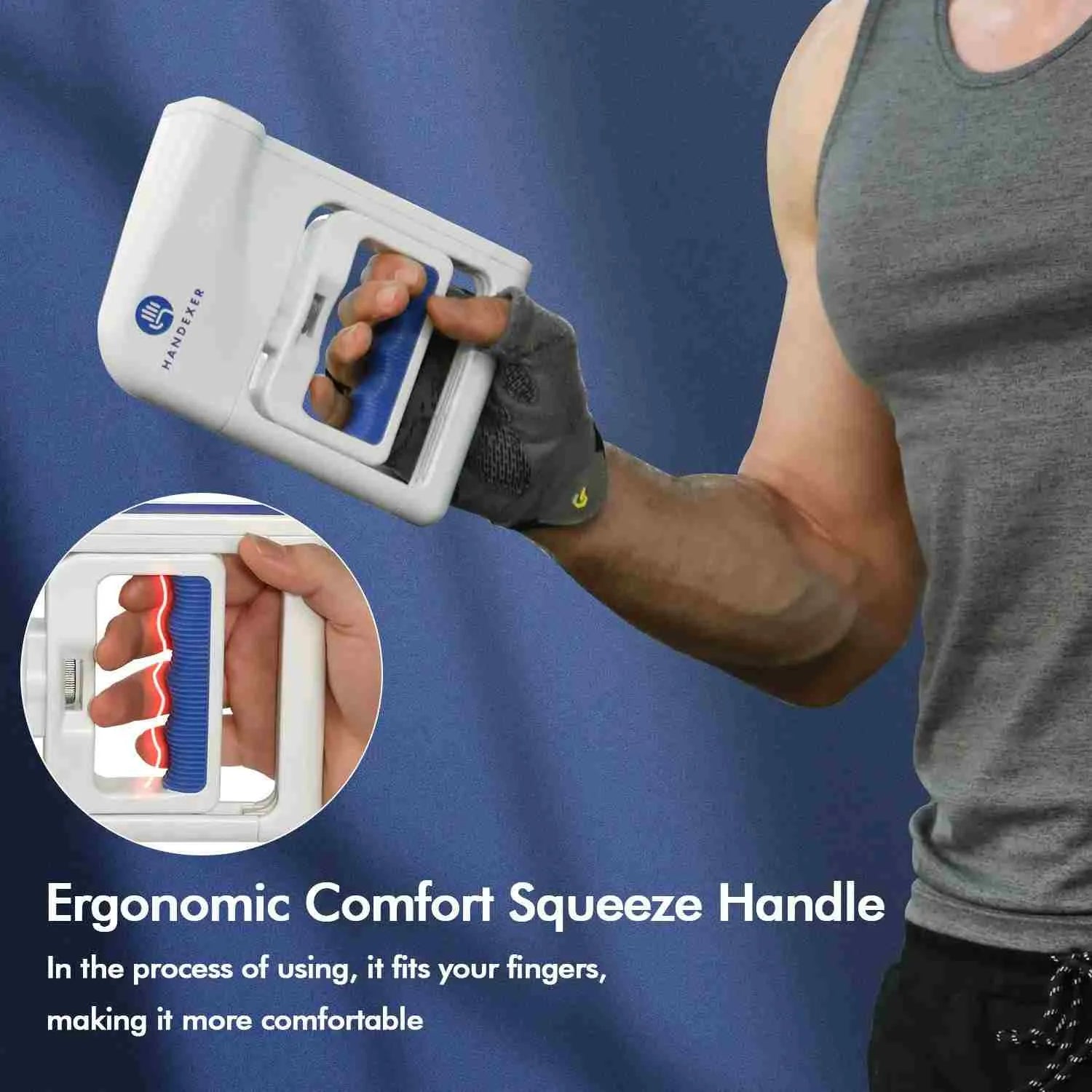
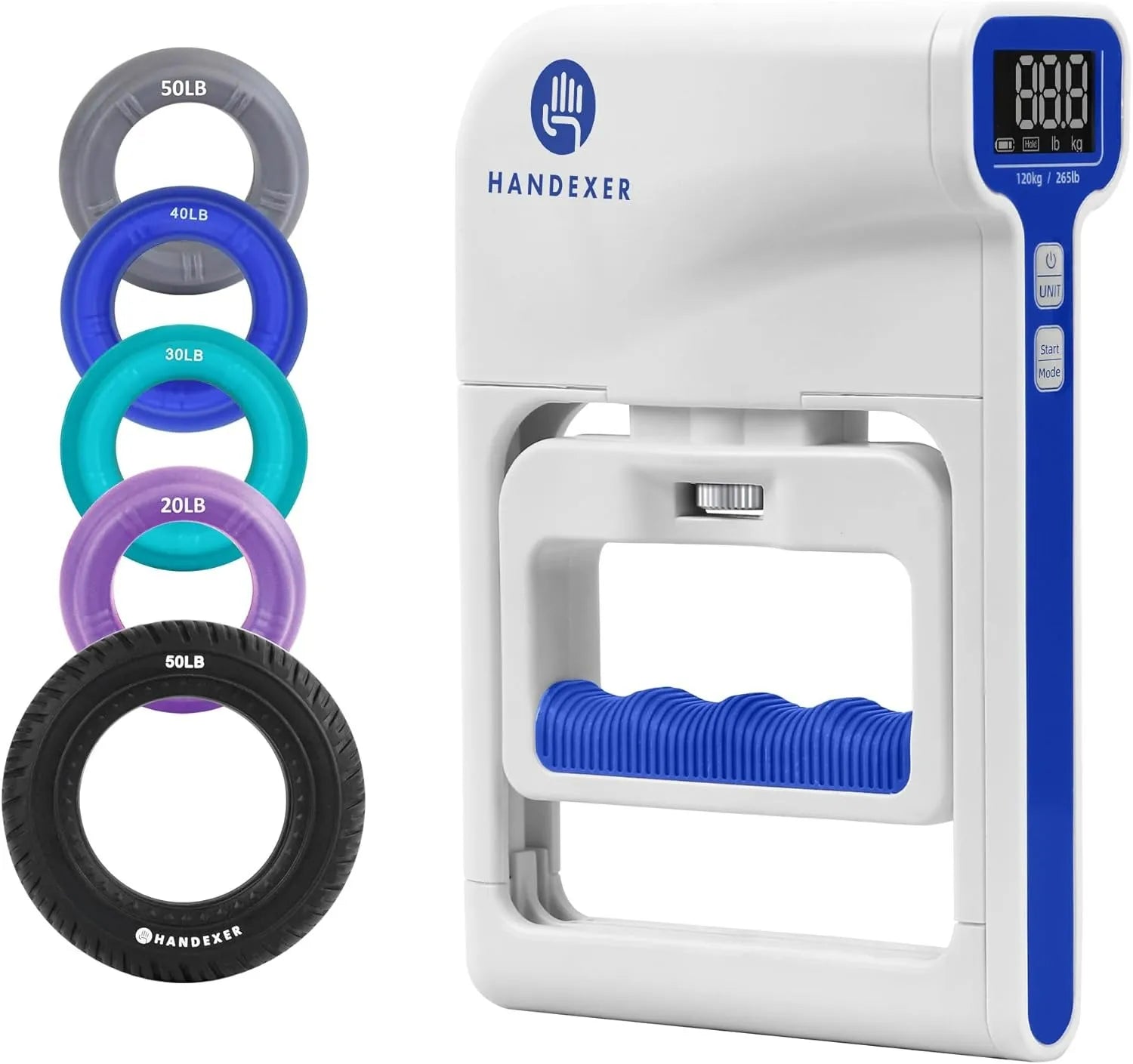
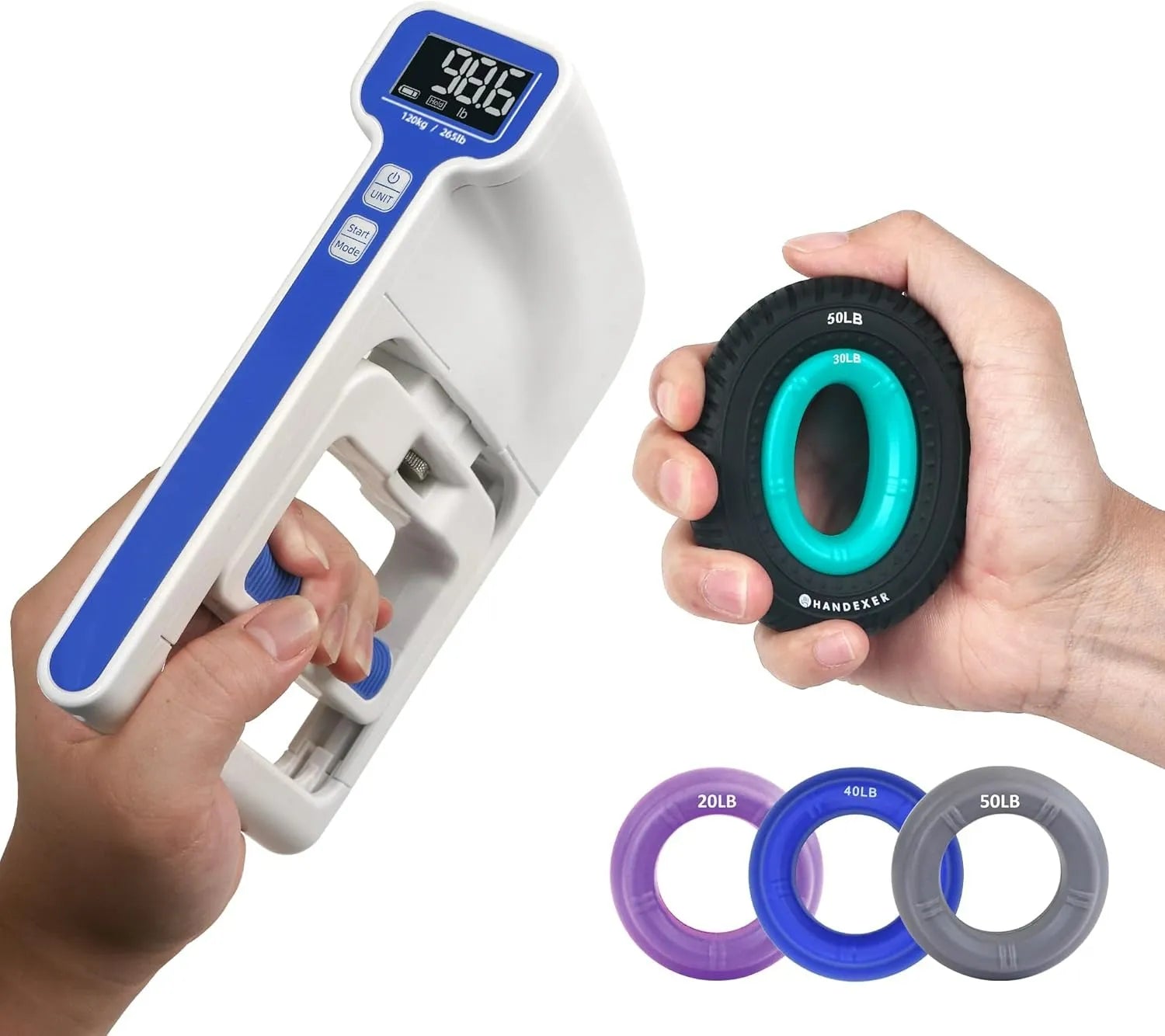
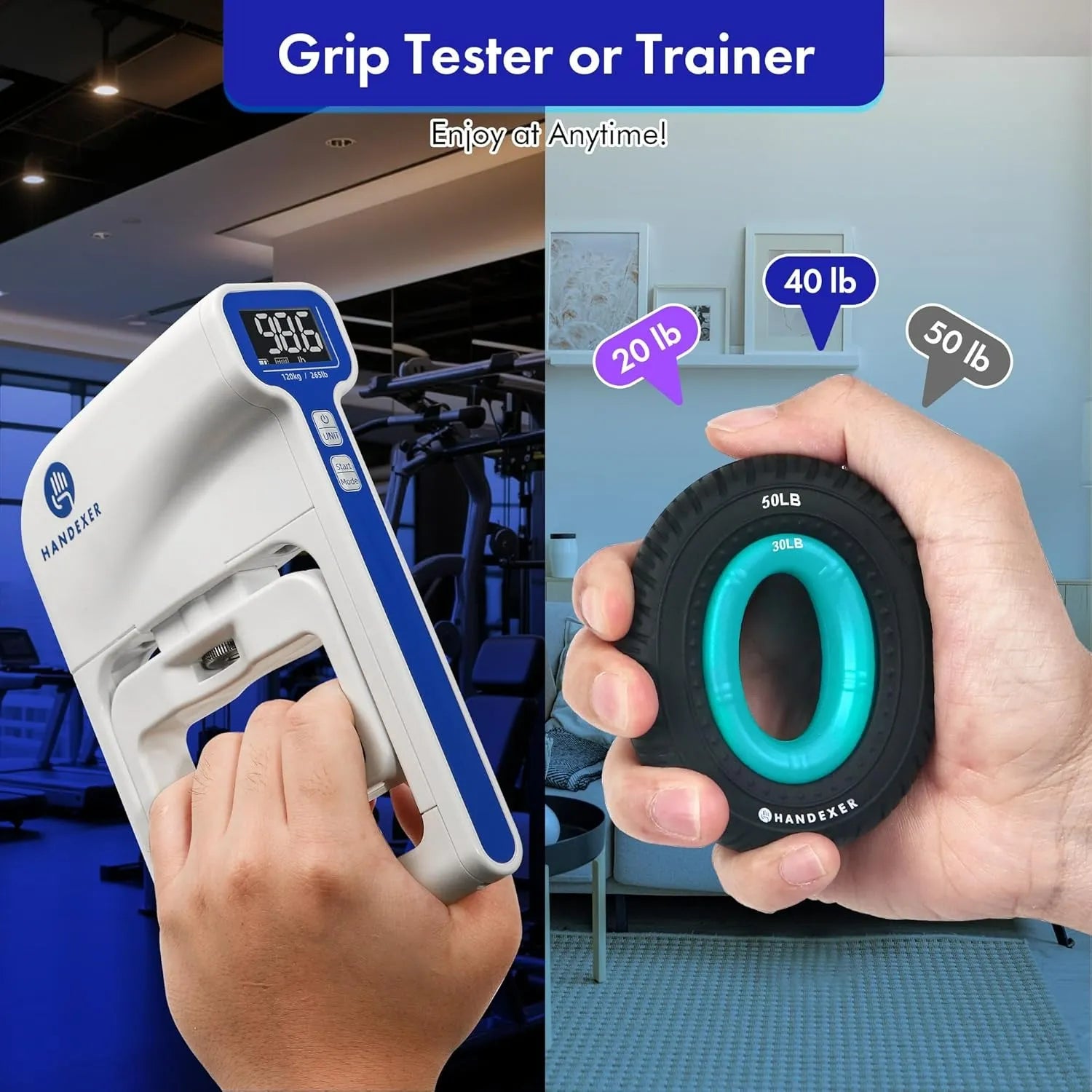
You cannot improve what you do not measure. Before starting any training routine, you need to understand your current hand health status. Instead of guessing with a basic spring tool, starting with a digital hand dynamometer allows you to record your exact baseline grip force in pounds or kilograms. This provides a clear, precise metric to track over time, ensuring your efforts are actually yielding results.
2. Train with Purpose
Once you know your baseline, you can tailor your routine. Rather than blind repetitions, purposeful training incorporates different techniques:
-
Concentric Repetitions: Closing the gripper fully to build dynamic strength. Keep the sets focused and the repetitions low to moderate.
-
Isometric Holds: Closing the gripper and holding it shut for a set time (e.g., 10 to 30 seconds). This builds immense structural endurance and stability.
Quality always beats quantity. Focus on deliberate movements and structured progression rather than thoughtless daily volume.
3. Recover with Confidence
Your hand muscles and tendons require rest to rebuild stronger. Using a gripper every single day is a fast track to joint pain. Schedule specific training days, and utilize hand recovery tools—such as low-resistance stretching, thermal therapy, or soft tissue massage—to maintain flexibility and promote blood flow. Recovery is not a sign of weakness; it is a fundamental part of sustainable hand health.
Want to know your exact starting point? Explore Handexer assessment tools to measure your true grip strength.
Traditional Gripper vs. Measurable Training Tools
Traditional grippers only provide resistance. They do not provide feedback.
A measurement-based system changes everything:
| Feature | Traditional Gripper | Digital Dynamometer |
| Measurement | No | Exact data |
| Progress tracking | Subjective | Recorded history |
| Training adjustment | Fixed resistance | Personalized |
| Professional use | Limited | Clinical standard |
👉 This is why physical therapists and athletes rely on measurement tools—not just grippers.
Ready to See Real Progress?
If you don’t know your current grip strength, you’re training in the dark.
No data. No direction. No real progress.Hand grippers alone aren’t enough.More reps or heavier resistance won’t fix a lack of measurement.
What actually drives improvement is simple: what gets measured, gets improved.
Discover Handexer’s system to measure, train, and progress with clarity.Start measuring. Start improving.
FAQ
1.Are hand grippers enough for grip strength?
They are a good starting tool, but not sufficient for complete grip development or accurate progress tracking.
2.How long does it take to improve grip strength?
Most beginners notice improvement within 2–4 weeks, but measurable progress depends on consistent tracking.
3.What is the best way to measure grip strength at home?
A grip strength tester (dynamometer) is the most accurate and widely used method.
4.Do grip trainers build forearm size?
Yes, they can contribute to forearm muscle development, but results vary depending on training consistency and overall program design.






Share:
How to Rebuild Hand Strength After Injury (Step-by-Step Recovery Guide)
Recover Hand Function After Stroke at Home: A Practical, Step-by-Step Recovery Guide