
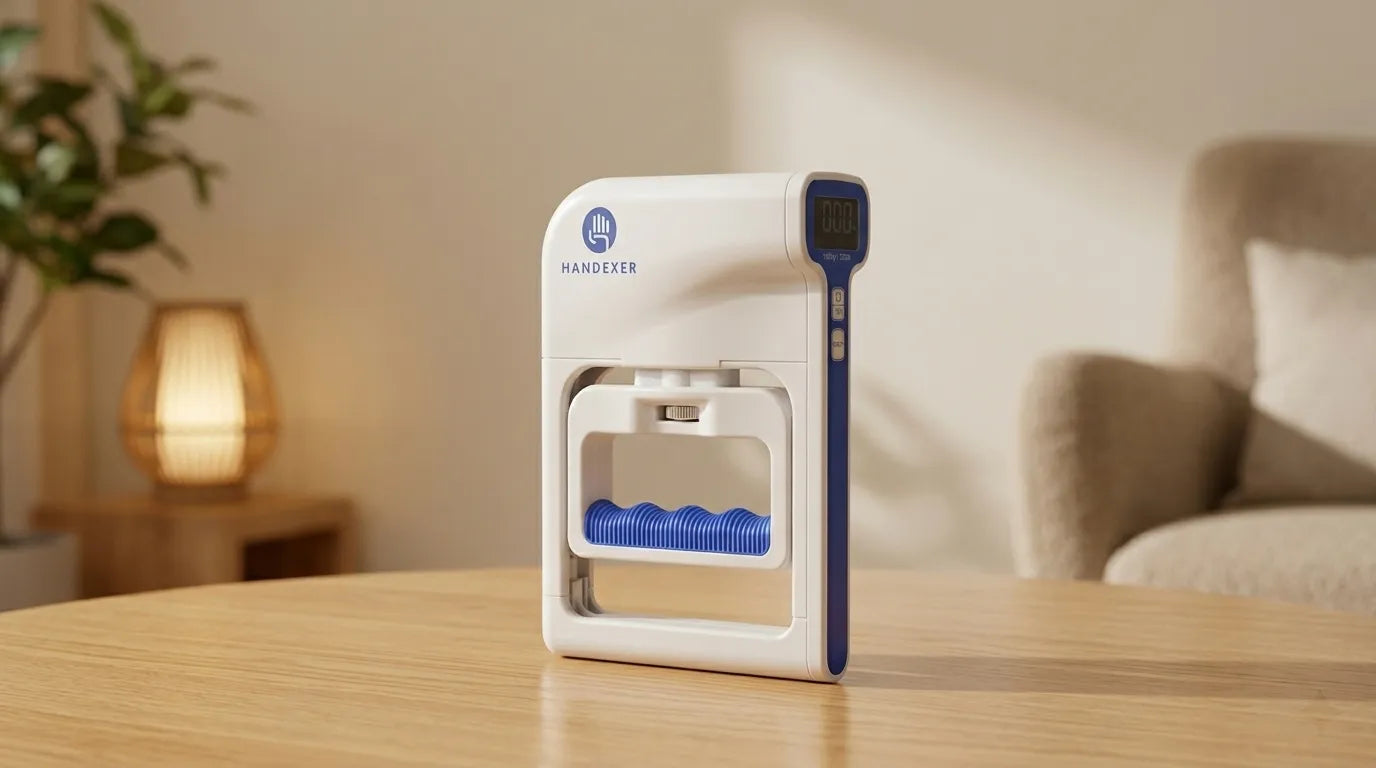
Grip strength is often misunderstood as a simple measure of how strong your hands are.In reality, it is one of the most reliable biomarkers of overall health, aging rate, and physical resilience.
Research in sports science and preventive medicine consistently links grip strength with:
- Functional independence in aging
- Muscle mass and sarcopenia risk
- Cardiovascular health
- Overall mortality risk
👉 In other words:your grip strength reflects how well your entire body is functioning.
Why Grip Strength Matters More Than You Think
1. Indicator of Total Body Strength
Grip strength strongly correlates with overall muscle strength.
People with higher grip strength tend to have better physical performance and resilience.
2. Linked to Longevity and Disease Risk
Multiple long-term studies have shown that lower grip strength is associated with:
- Higher risk of cardiovascular disease
- Increased likelihood of mobility limitations
- Greater all-cause mortality risk
This makes grip strength a simple but powerful screening tool for overall health.
3. Essential for Daily Function and Independence
From lifting objects to maintaining balance, grip strength supports everyday activities.
As we age, declining grip strength is one of the earliest signs of reduced independence.
4. Injury Prevention and Joint Stability
Stronger hands and forearms help stabilize joints, reducing the risk of strain—especially during repetitive or load-bearing tasks.
What You Should Do Next
Improving grip strength is not just about squeezing something occasionally. It follows a simple progression:
1. Assess: Look for signs like grip fatigue or difficulty holding objects in daily tasks.
2. Train: Perform simple, consistent resistance exercises.
3. Recover: Prioritize rest to allow muscles to adapt and grow.
4. Track: Monitor progress in strength and endurance over time.
Most people stop at the first stage.But real improvement only happens when training becomes structured and progressive.
How Grip Strength Is Measured
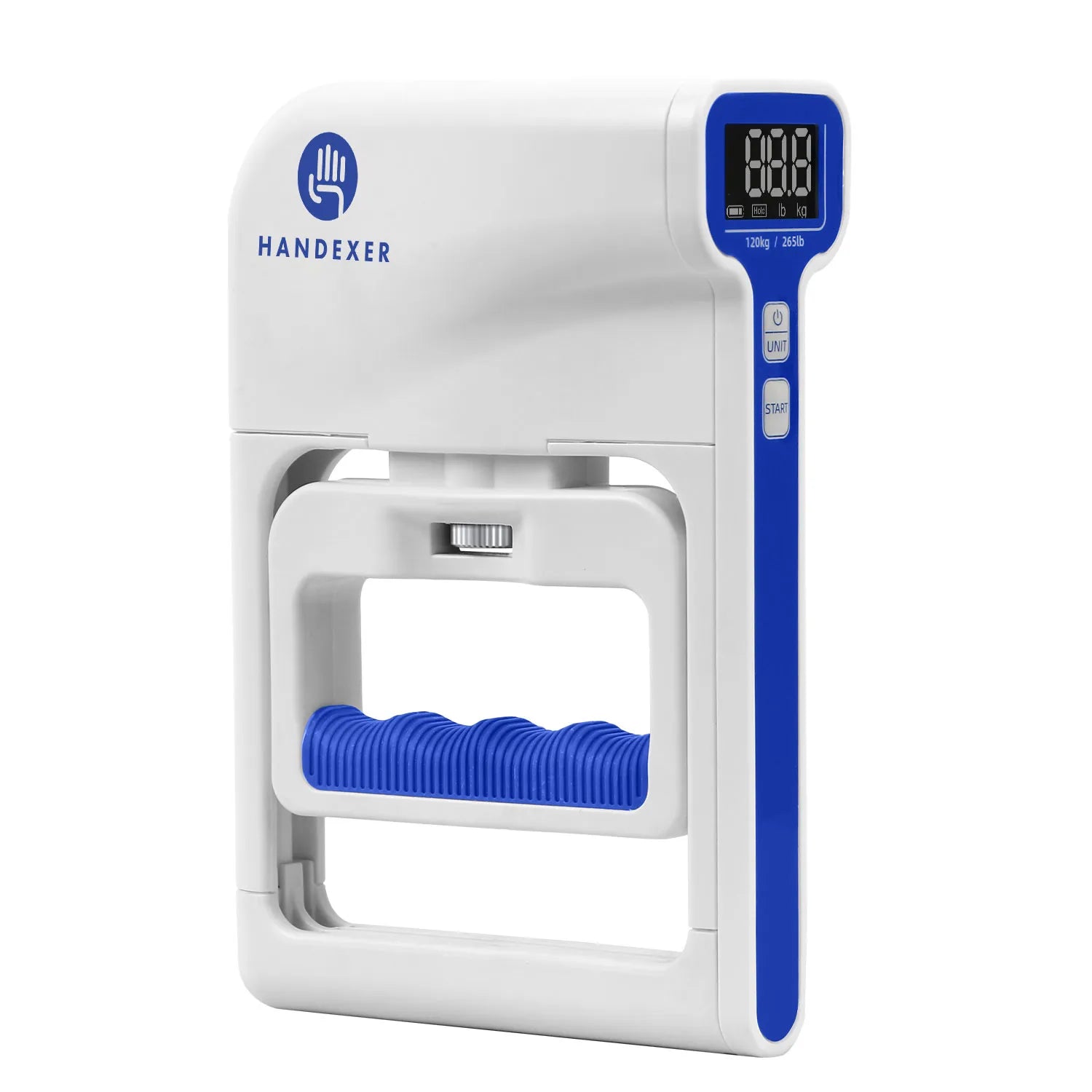
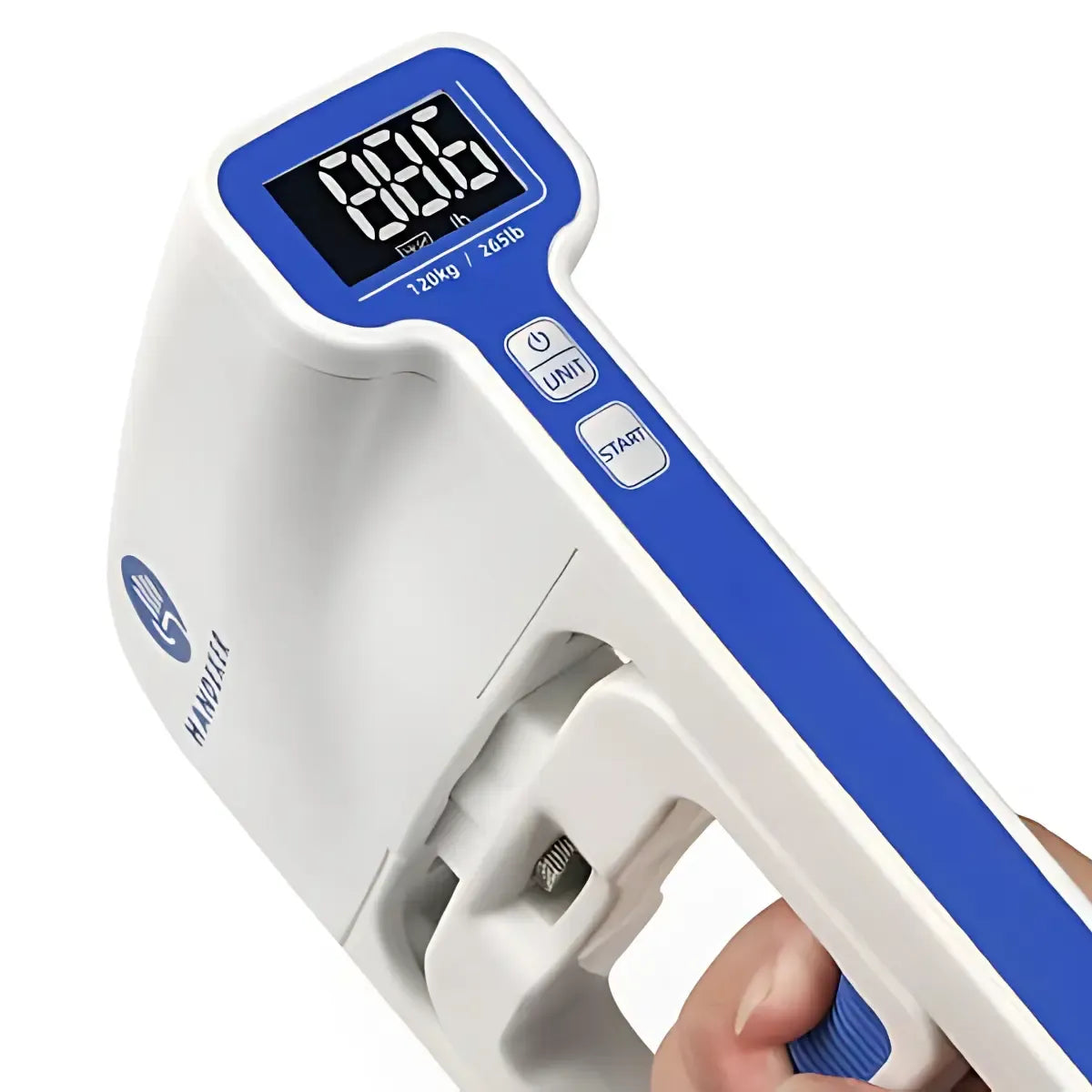
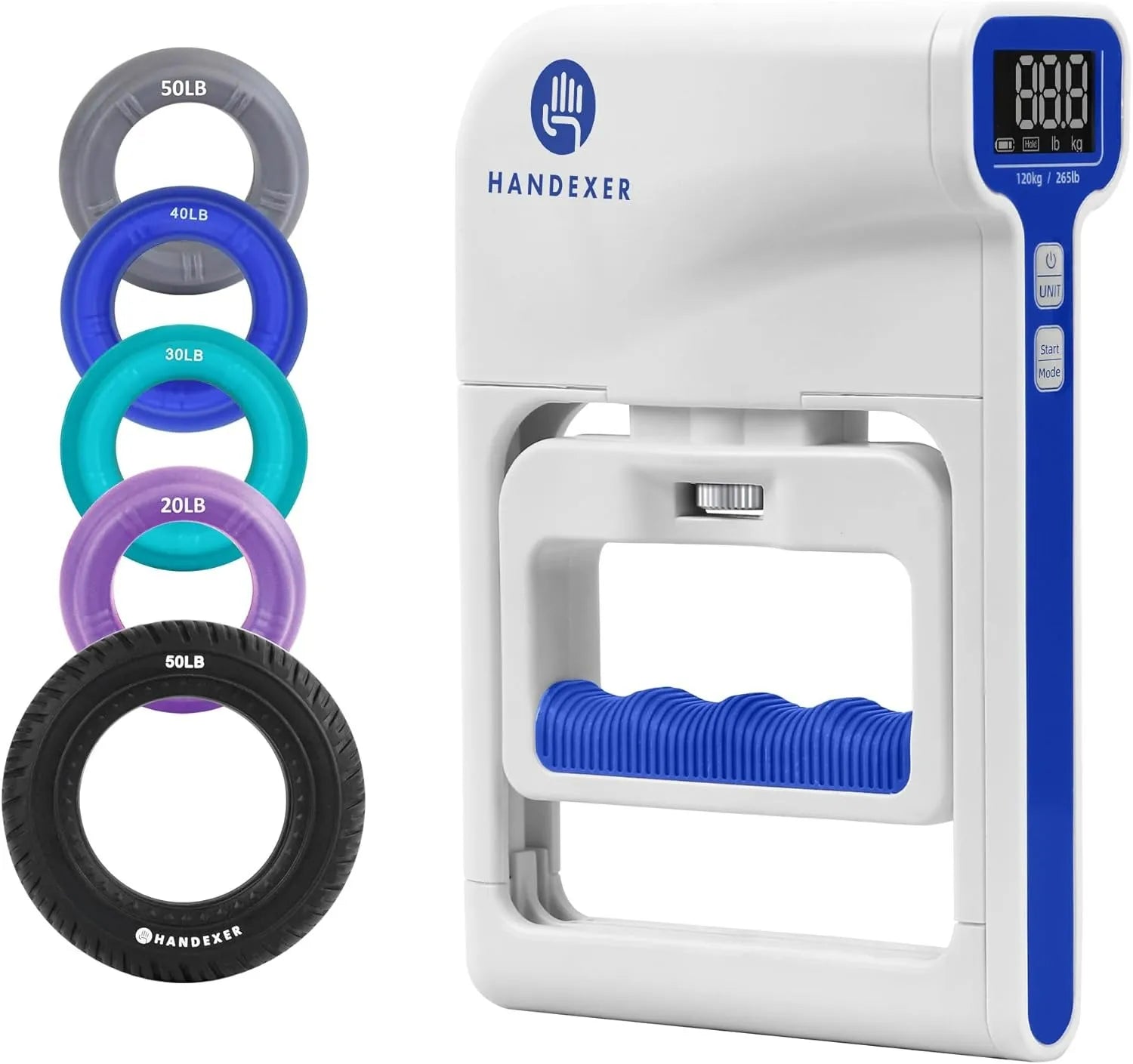
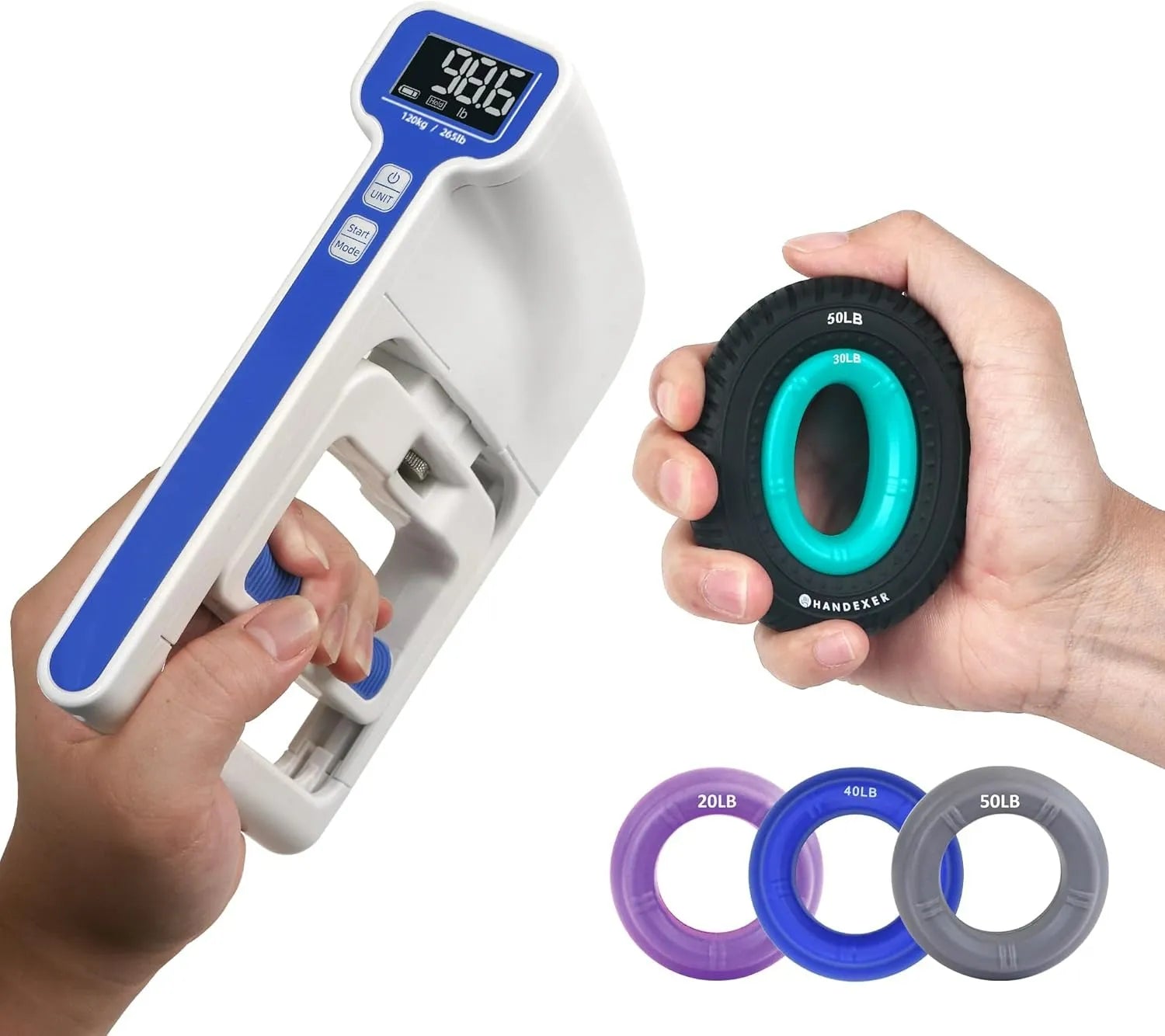
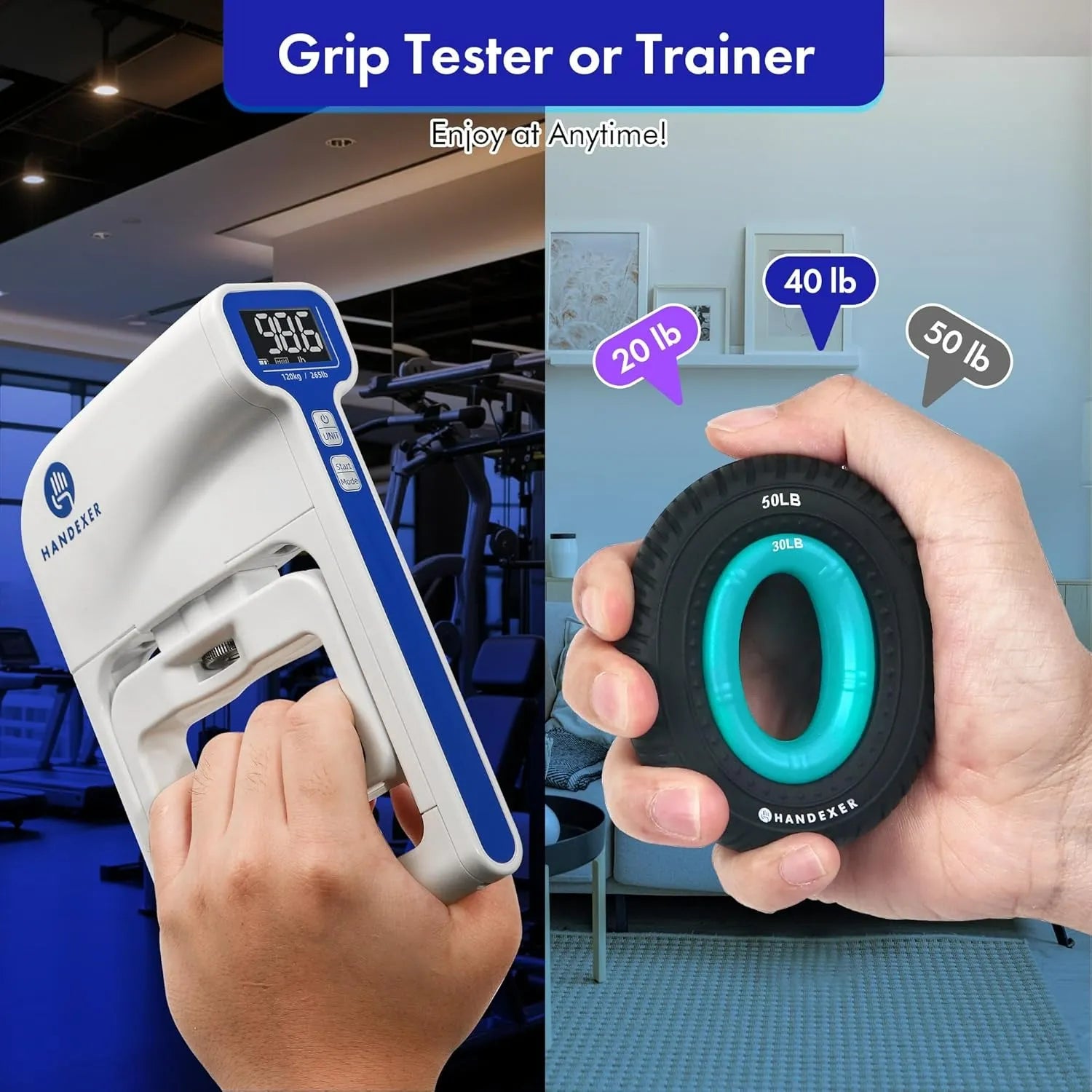
The most accurate way to measure grip strength is with a hand dynamometer, which records maximum squeezing force.
However, in practical training environments, it can also be estimated through:
- Dead hangs (time-based hanging endurance)
- Farmer’s carries (walking while holding weights)
- Grip resistance exercises
What matters most is not a single measurement — but consistent tracking over time.
What Is Considered Normal Grip Strength?
Grip strength varies by age and gender. The following reference ranges (measured in kilograms using a hand dynamometer) provide a general guideline:
Grip Strength Reference Chart
| Age Group | Men (kg) | Women (kg) |
| 20–29 | 45–50 kg | 25–30 kg |
| 30–39 | 40–45 kg | 22–27 kg |
| 40–49 | 35–40 kg | 20–25 kg |
| 50–59 | 30–35 kg | 18–22 kg |
| 60+ | 25–30 kg | 15–20 kg |
How to Improve Grip Strength
Improving grip strength is not just about doing occasional exercises — it requires consistent resistance and progressive overload over time.
For most people, bodyweight movements like squeezing a towel or using stress balls can help at the beginning. However, once your hands adapt, progress tends to slow down without adjustable resistance.
That’s why many structured training routines rely on dedicated grip training tools that allow gradual resistance increases and more controlled progression.
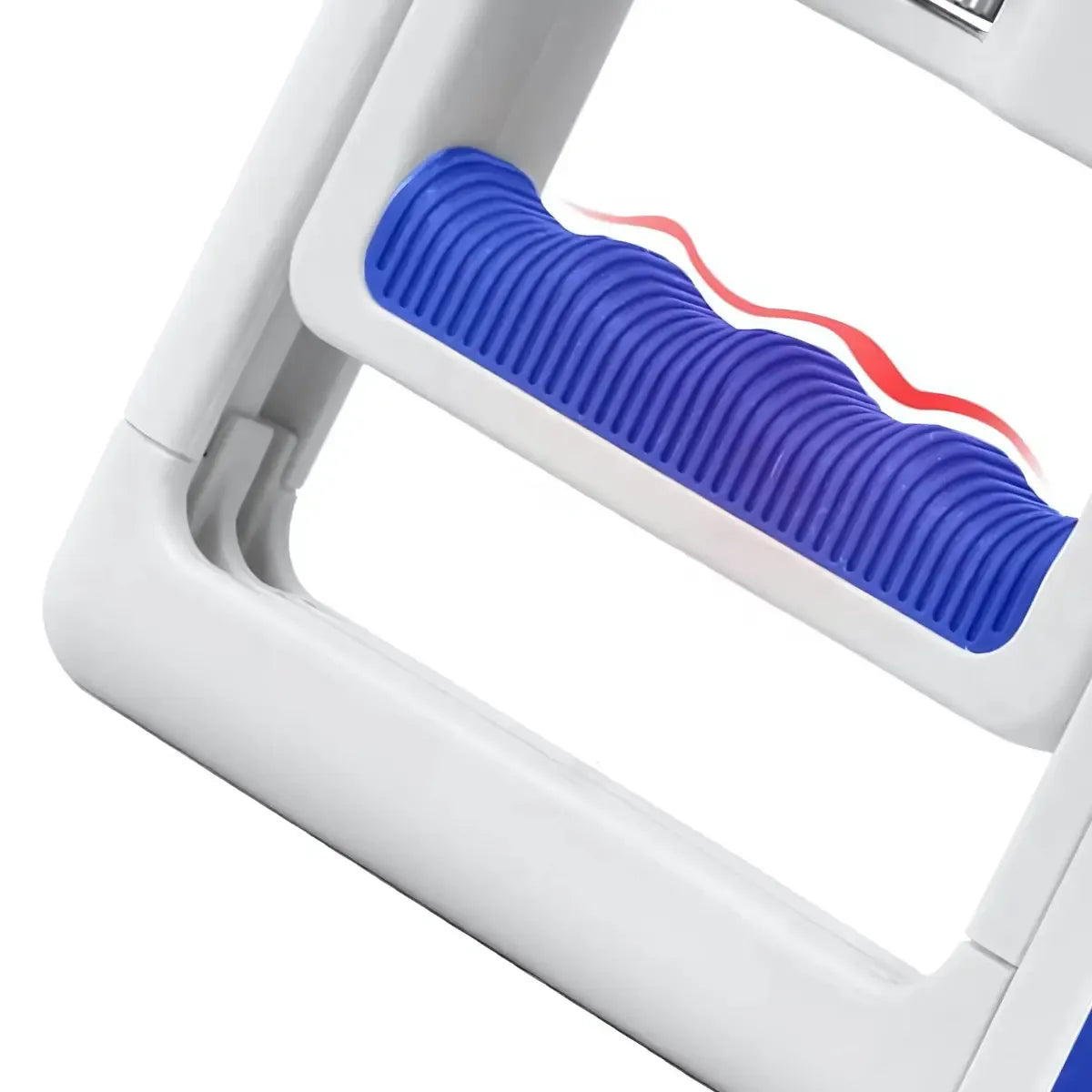
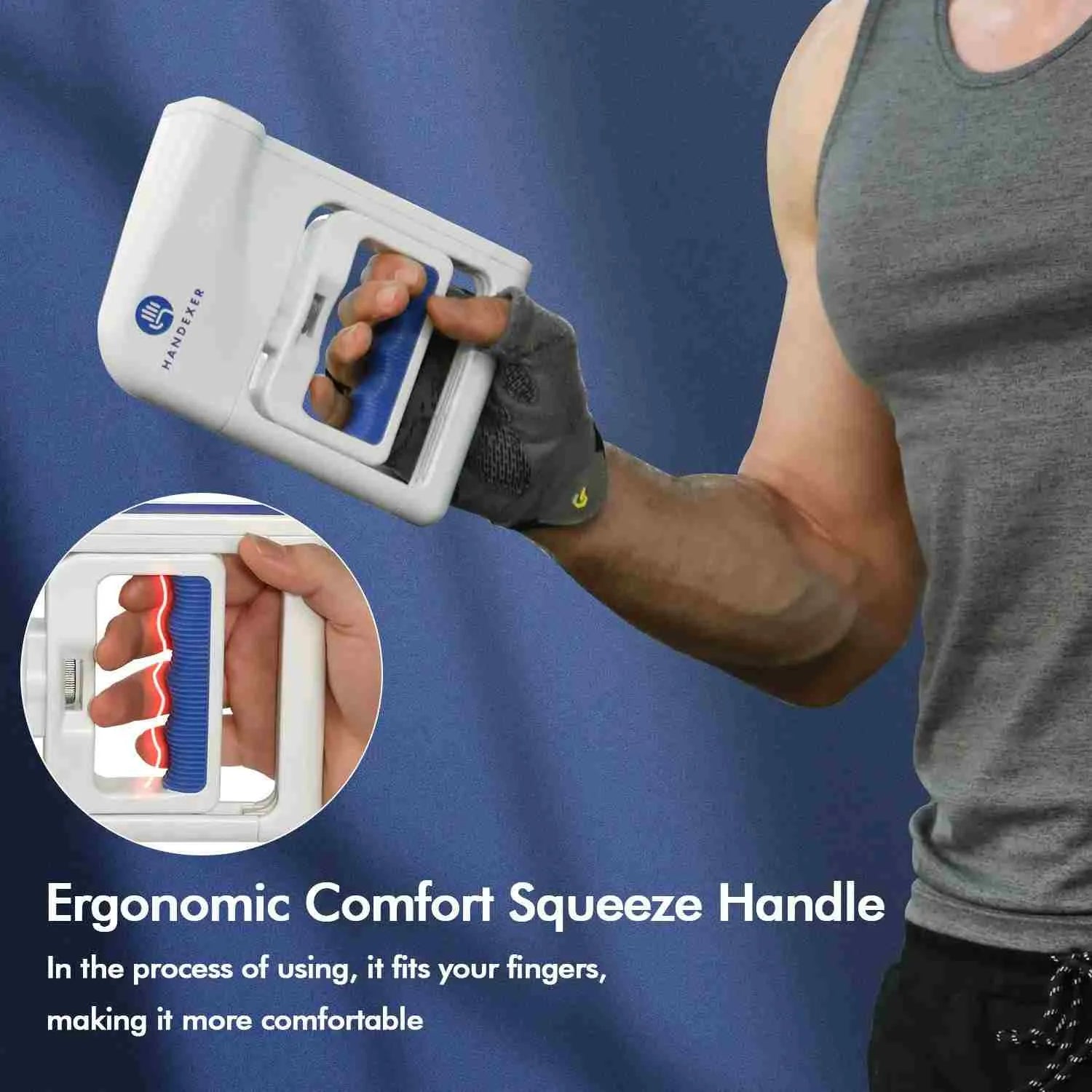
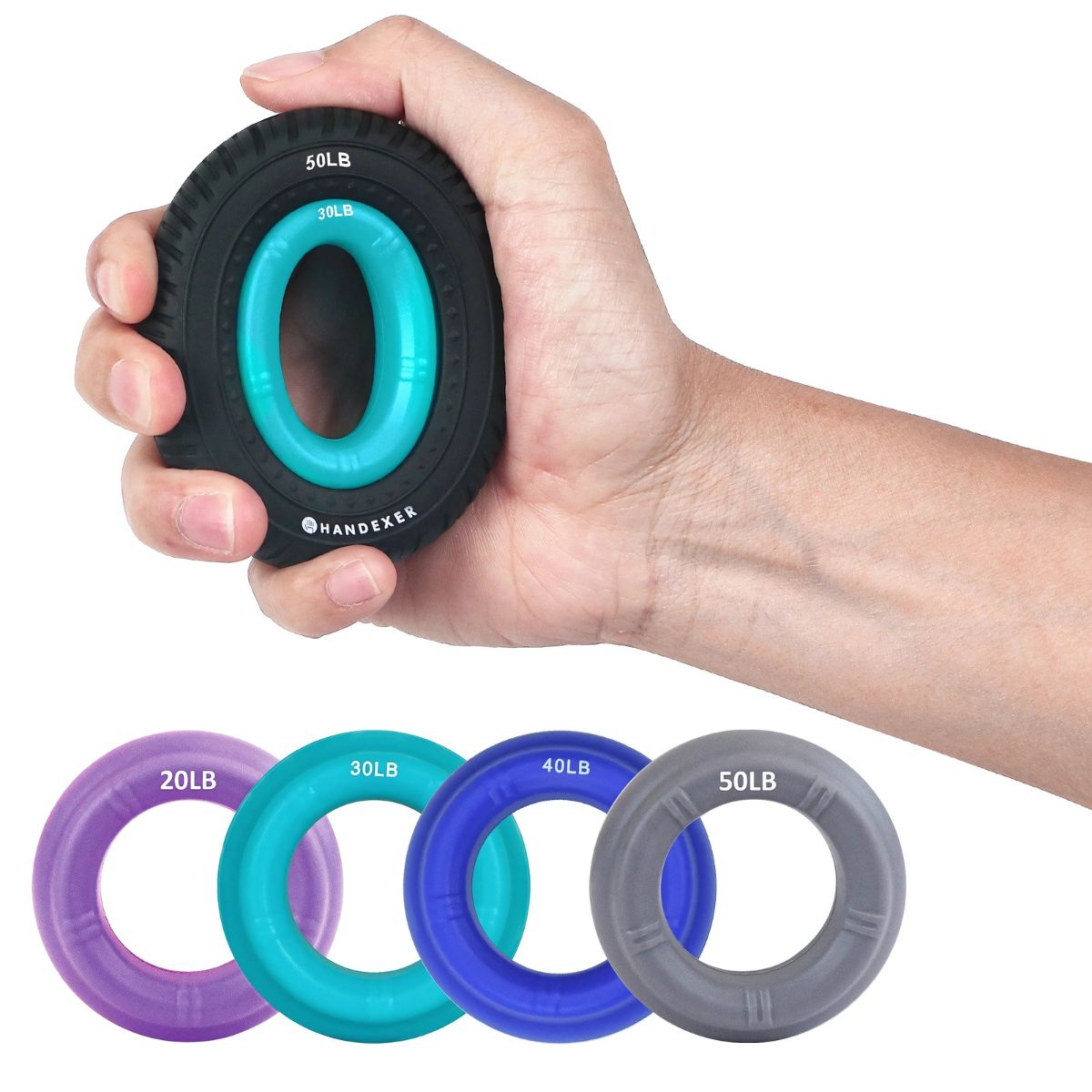
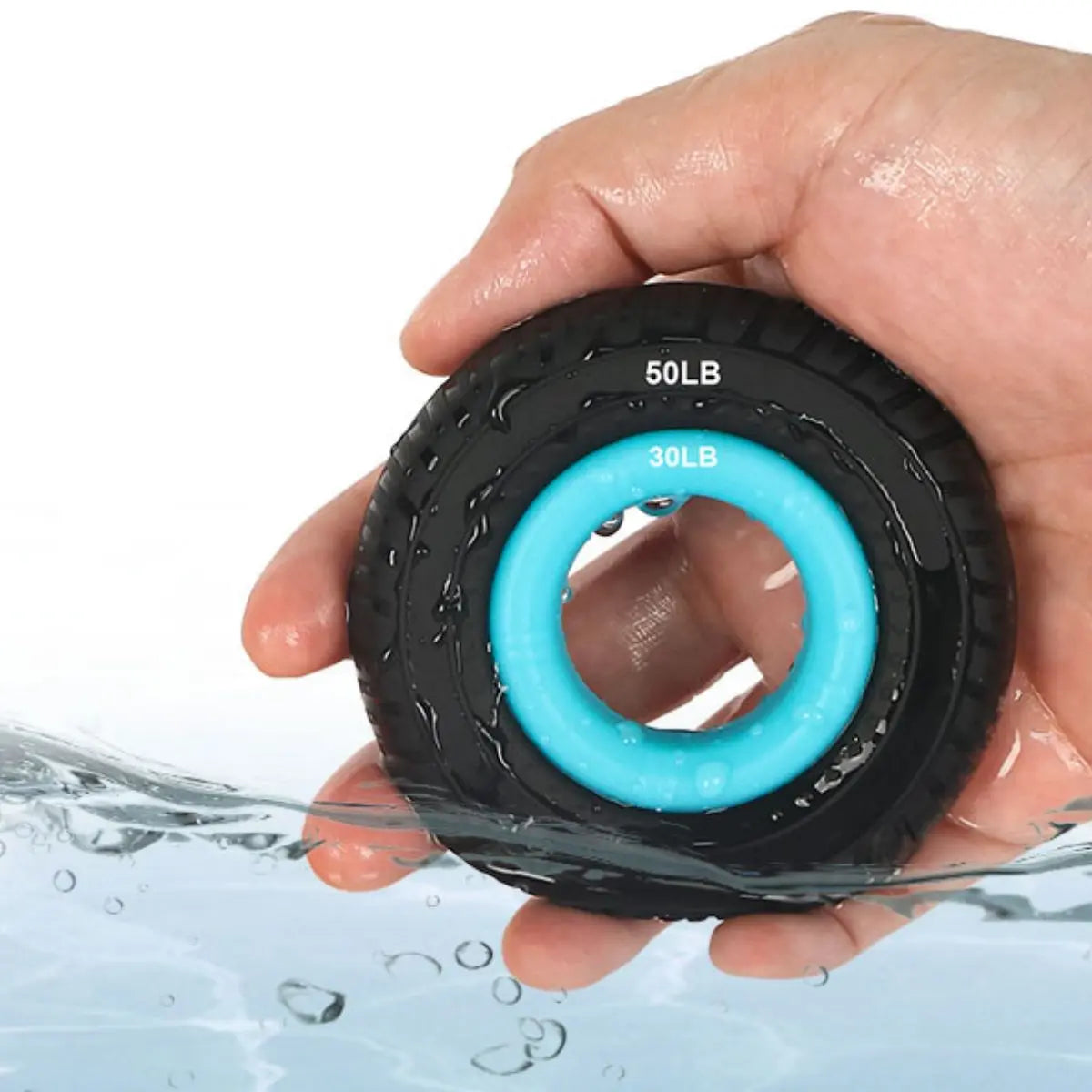
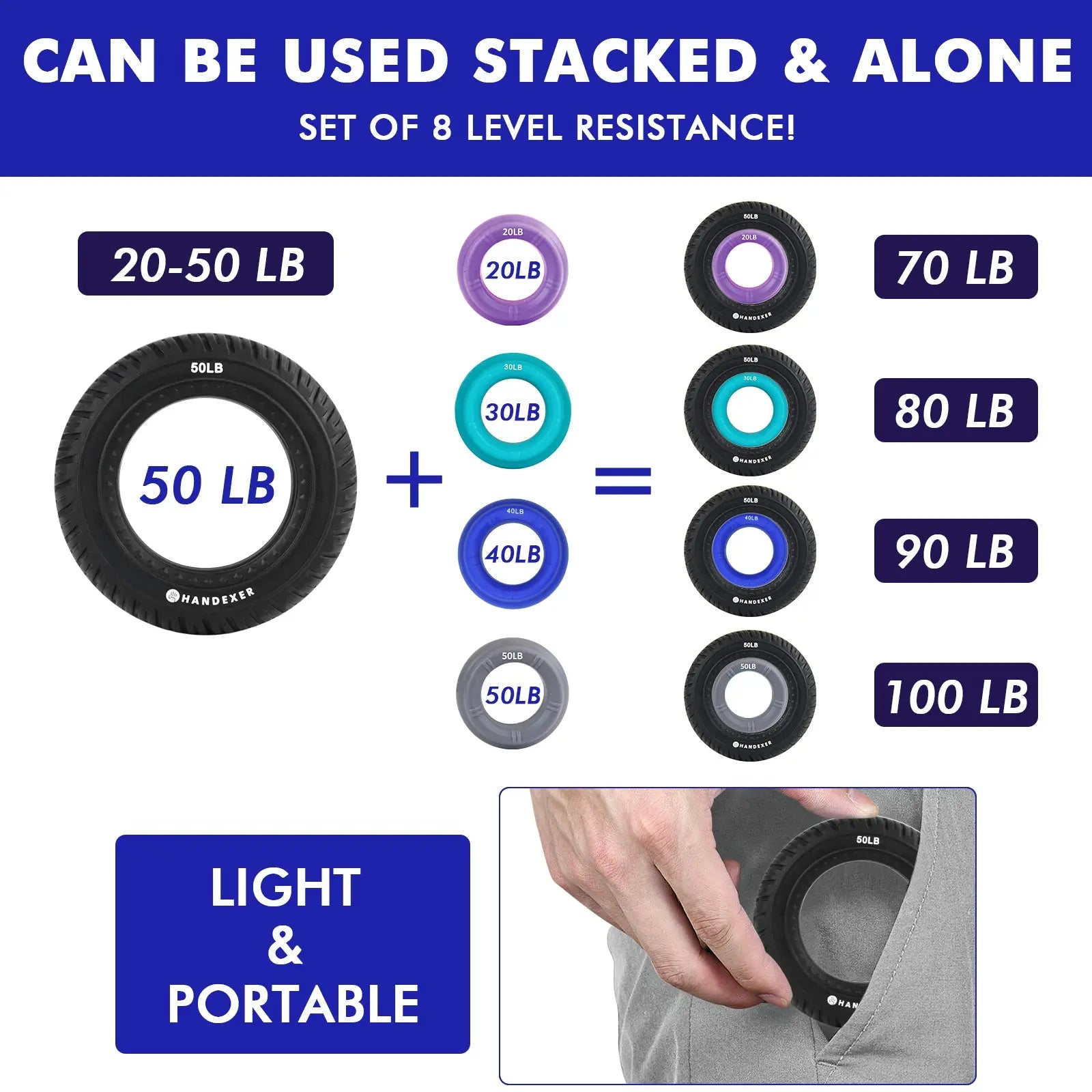
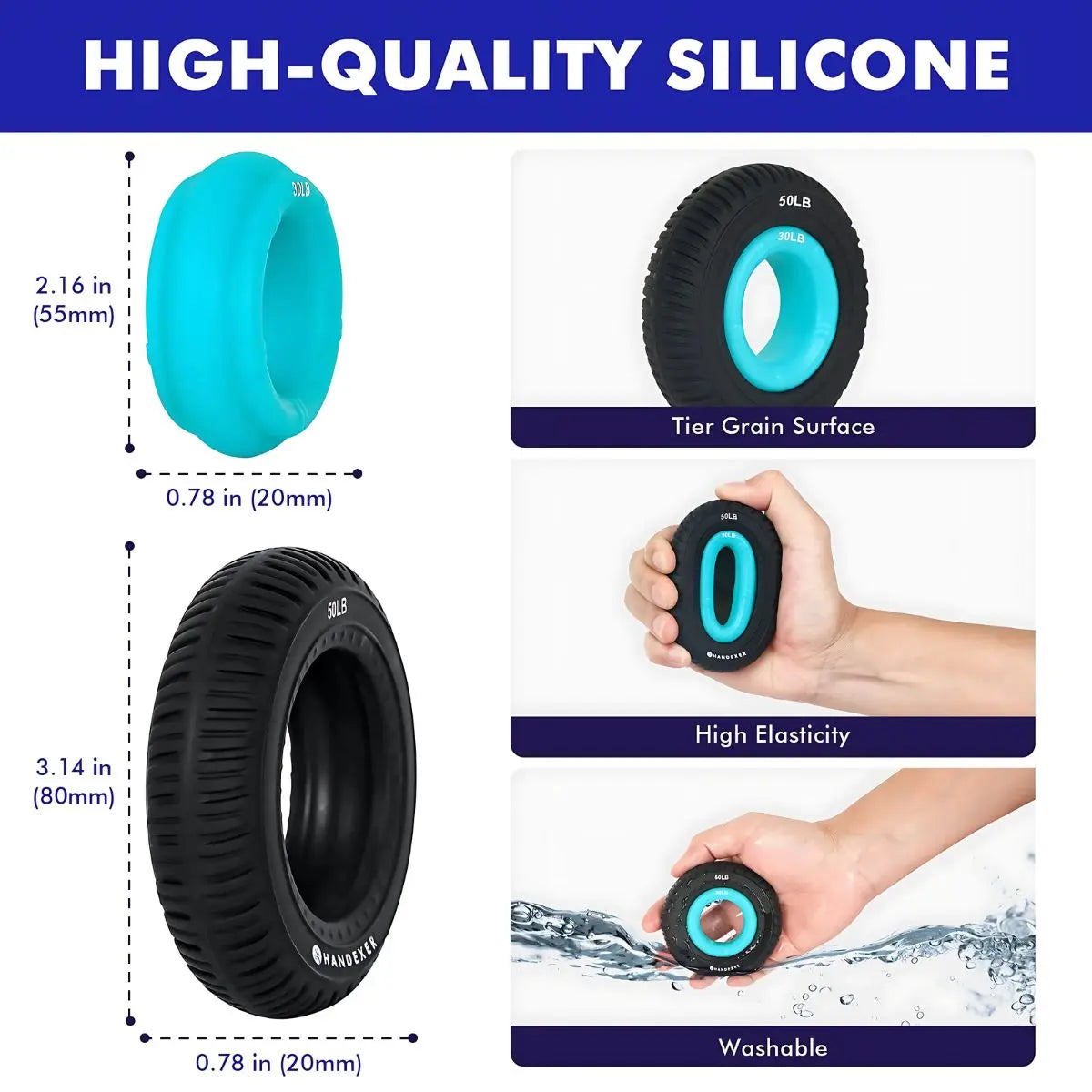
Products like hand grippers can help you:
- Train at different resistance levels
- Track progressive improvement more clearly
- Build both endurance and maximum grip strength
👉 In this stage, having a simple and consistent training tool can make your progress far more measurable and sustainable.
Take Control of Your Hand Health
Hand function is not just about raw power; it is about capability, resilience, and longevity. By measuring clearly, training with purpose, and recovering with confidence, you protect the tools you rely on most.
If you want to improve it effectively, focus on three things:
- Measure it
- Train it systematically
- Track progress consistently
👉 Small improvements in grip strength often reflect broader improvements in overall physical capacity.
FAQ
1.Can grip strength really indicate my overall health?
Yes. Medical research consistently links grip strength to overall muscle mass, bone density, and nervous system health. It serves as an accessible, non-invasive biomarker for healthy aging.
2.How often should I test my grip strength?
For general health tracking, testing your grip once a week using a reliable digital dynamometer is sufficient. This allows you to monitor trends over time without over-fatiguing the muscles.
3.Is hand strength training only for athletes?
Not at all. Hand function is critical for everyone. Whether you are opening jars, carrying groceries, recovering from an injury, or working to maintain independence in later years, purposeful hand training supports everyday quality of life.
4.What is the best way to recover after hand training?
Active recovery is key. Gentle stretching, light mobility exercises, and using targeted wrist and hand support can reduce stiffness. Alternating warm and cool water exposure can also soothe joints and tendons after targeted training.






Share:
Why Grip Strength Matters for Healthy Aging: Measure, Improve, and Restore Hand Function
How to Rebuild Hand Strength After Injury (Step-by-Step Recovery Guide)