
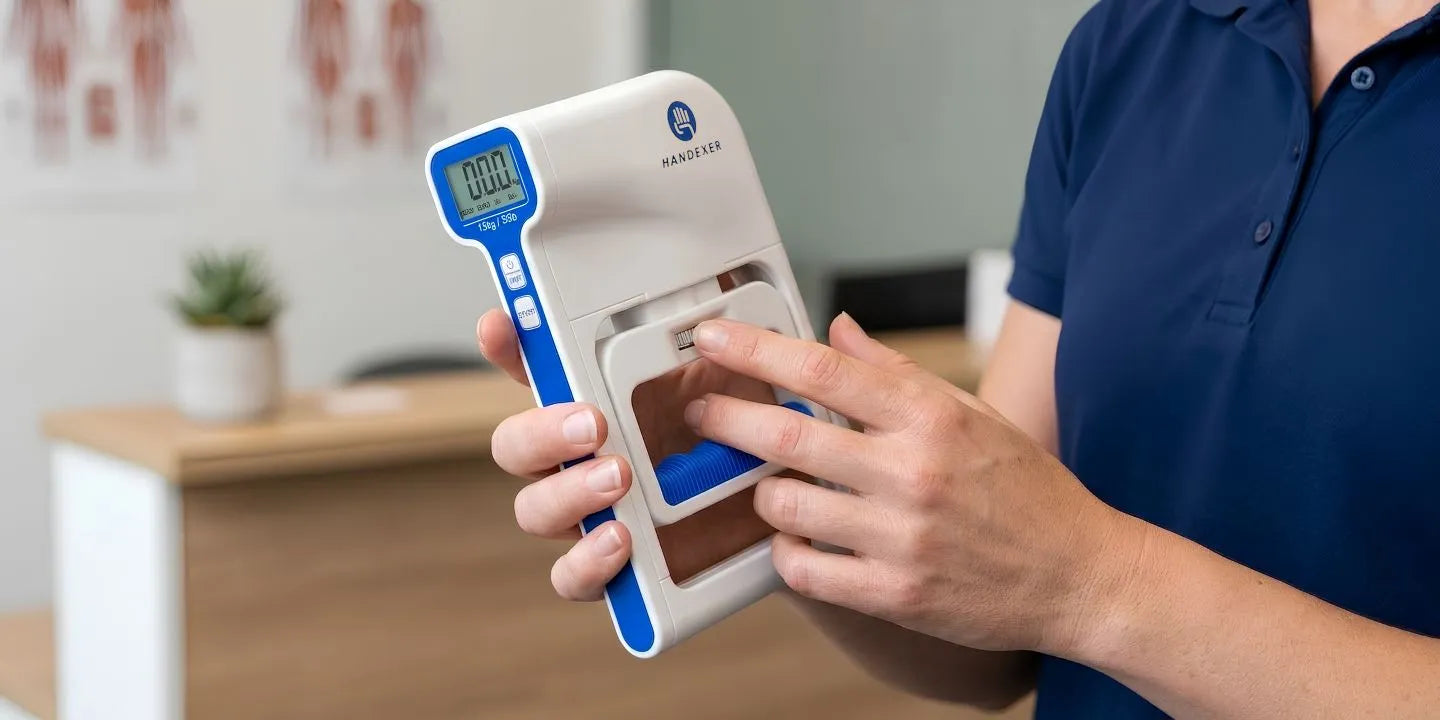
If you have ever taken a few weeks off from your usual physical routine—due to an injury, an illness, a surgery, or simply a busy schedule—you have likely experienced a frustrating phenomenon. Your legs might still feel sturdy, your core might feel fine, but your hand strength seems to have completely vanished.
You go to carry heavy groceries, twist a stubborn jar lid, or hold onto a handrail, and your hands simply fatigue and give out long before the rest of your body does.
This rapid drop in hand stamina is a universally shared experience across fitness enthusiasts, seniors, and physical therapy patients alike. But why does hand function decline so much faster than other muscle groups, and what is the best way to get it back?
Why Hand Strength Declines So Quickly (Neurological + Muscular Explanation)
The loss of hand strength is not just a muscle problem. It is primarily a neuromuscular and neurological adaptation issue.
1. The brain “de-prioritizes” fine motor control
Your hands and fingers occupy a disproportionately large area of your motor and sensory cortex. This allows for precise control—but it also means the system is highly dependent on frequent use.
When you stop using your hands:
- Neural firing efficiency decreases
- Motor unit recruitment becomes less coordinated
- Fine motor control pathways weaken
In simple terms: your brain becomes less efficient at “sending strength” to your hands.
2. Rapid loss of neuromuscular coordination (not just muscle mass)
Exercise science describes this through the concept of neuromuscular detraining, where performance drops before visible muscle atrophy occurs.
For grip strength specifically:
- Decline can begin within 4–7 days of inactivity
- Coordination drops faster than raw muscle size
- Maximum force output becomes inconsistent
👉 This is why your hands feel “weak” even if they look unchanged.
3. Immobilization effect (especially after injury or fracture)
After a break, cast, or splint:
- Tendon glide decreases
- Joint stiffness increases
- Proprioception (position awareness) is reduced
- Muscle activation becomes inhibited
This is why post-injury weakness is often more severe than simple rest-related deconditioning.
Beyond the Gym: How Inactivity Affects Daily Hand Function
While athletes often notice this decline first, rapid hand weakness affects everyone.
For older adults recovering from a minor illness, or someone wearing a cast for a wrist injury, taking a month off from daily physical tasks can drastically reduce hand function. The medical community widely recognizes hand strength as a critical indicator of overall health and biological aging. When hand strength fades, it directly impacts independence, making everyday tasks feel exhausting and increasing the risk of drops or falls.
To restore this function safely, you cannot rely on unstructured, random activity. Re-engaging the central nervous system requires a deliberate, step-by-step approach.
Recovery Pathway: How to Restore Hand Strength Safely and Effectively
Hand strength recovery is not about pushing harder.It is about rebuilding neuromuscular efficiency in stages.
We can break this into a structured system: Assess → Activate → Train → Reinforce
Step 1: Assess (Understand Your Baseline First)
Before starting recovery training, you need clarity on your current condition.
Without measurement, recovery becomes guesswork.
What you should focus on:
- Current grip capacity (relative strength, not absolute performance)
- Differences between left and right hand
- Changes in daily functional ability
Why this matters:
- Prevents overtraining after injury
- Establishes a recovery baseline
- Makes progress objectively visible
👉 Learn how to track your grip recovery progress using simple measurement methods before starting training.
Step 2: Activate (Rebuild Neural Connection)
At this stage, the goal is NOT strength.It is neuromuscular reactivation.
Recommended activation methods:
- Gentle repetitive squeezing (low force, high frequency)
- Finger extension and opening drills
- Isometric grip holds at low intensity (20–30%)
- Wrist mobility work
Key principle:
Frequent, low-intensity activation is more effective than high-force effort at this stage.
This phase restores communication between brain and hand.
Step 3: Train (Progressive Strength Reconstruction)
Once coordination begins to return, structured training can begin.
Phase 1: Reconditioning (Week 1–2)
- Low resistance gripping
- 15–20 reps per set
- Focus: endurance + control
Phase 2: Strength Building (Week 3–5)
- Moderate resistance
- 8–12 reps per set
- Add static holds (10–20 seconds)
Phase 3: Functional Integration (Week 5+)
- Real-world gripping tasks
- Carrying objects (controlled load)
- Pinch grip and multi-angle force work
Key principle:
Recovery progresses in layers: coordination → endurance → strength → function
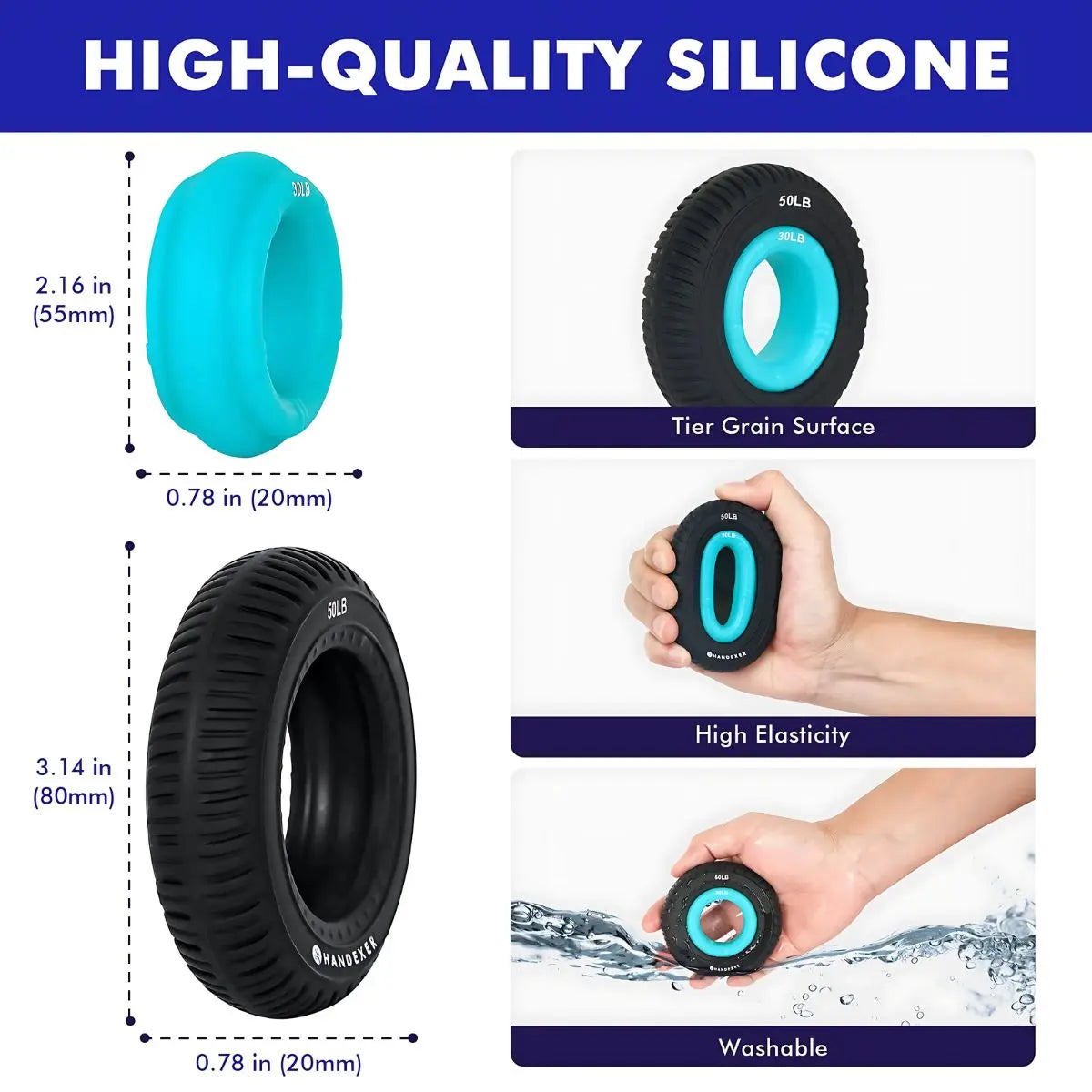
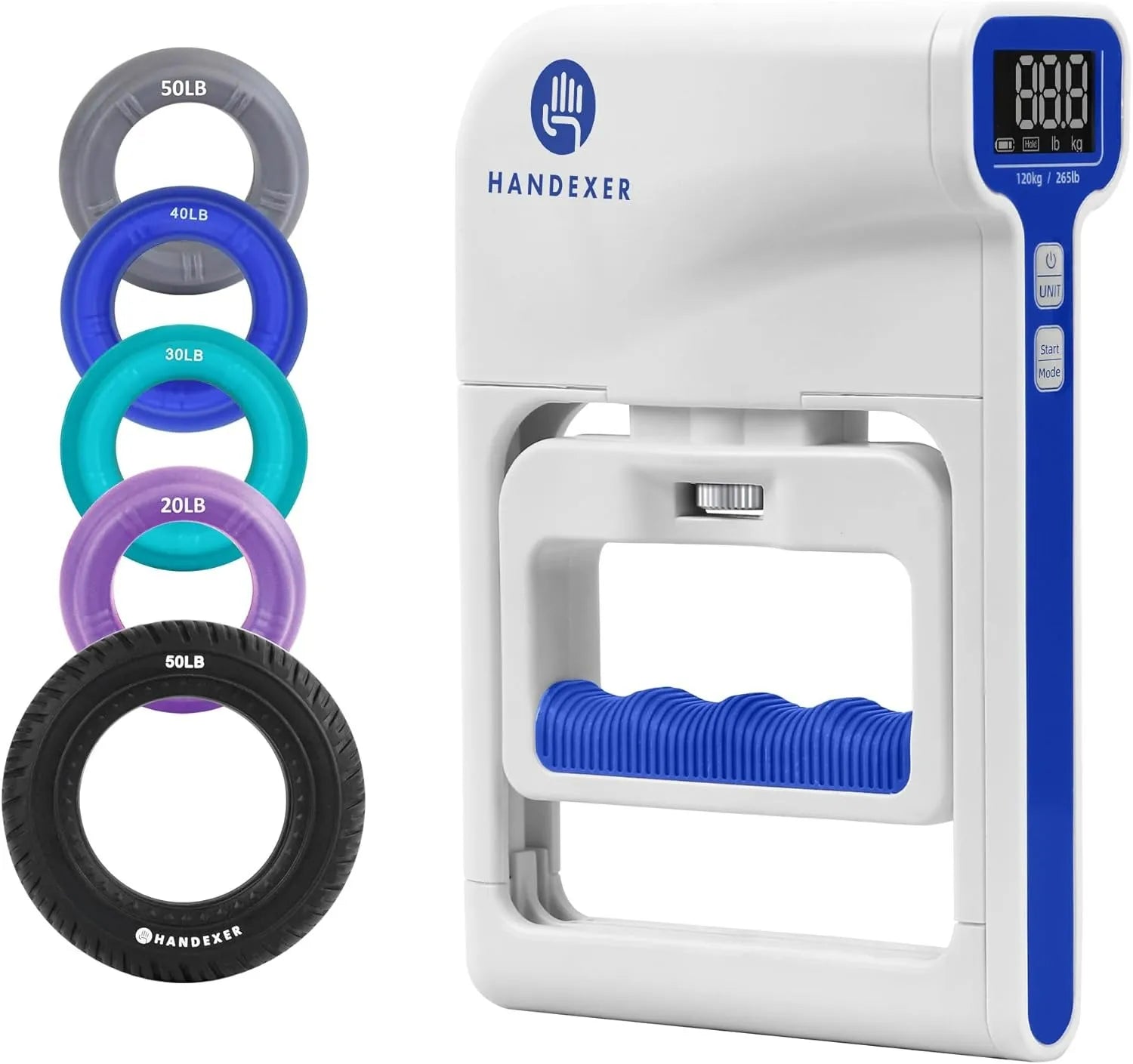
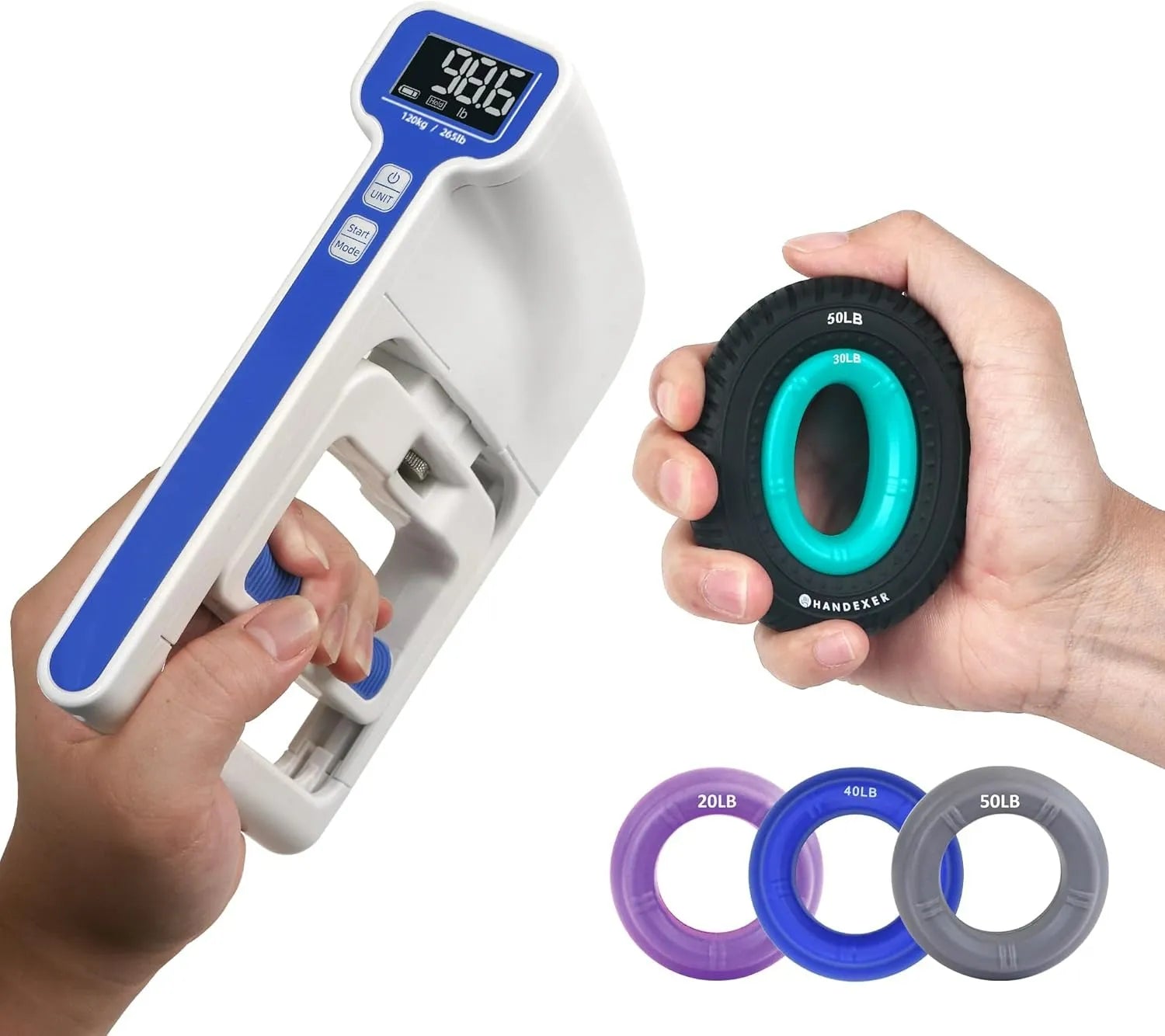
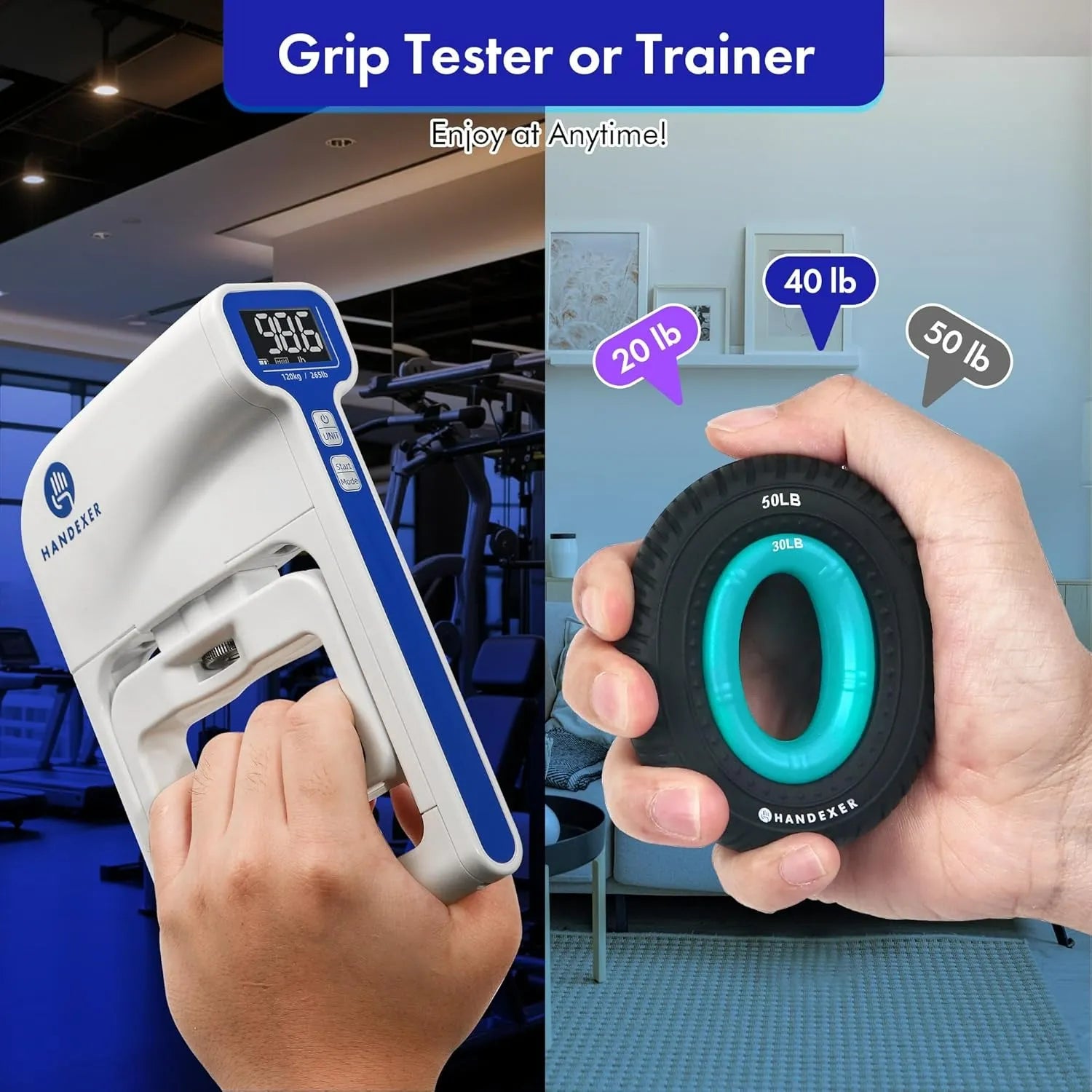
👉 Try professional grip measurement and resistance tools to train and track your recovery more effectively.
Step 4: Reinforce (Make Progress Stable and Measurable)
Recovery is rarely linear.
Tracking allows you to:
- Detect plateaus early
- Adjust training load
- Maintain motivation through measurable progress
Without tracking, progress feels invisible—even when it is happening.
👉 Start a structured hand recovery program with professional tools designed to measure, train, and rebuild grip strength systematically.
How Long Does It Take to Recover Grip Strength?
Recovery rate is typically influenced by several key factors, including age, severity of injury, involvement of the nervous system, and training consistency.
The rehabilitation process generally follows a phased progression:
| Timeframe | Main Changes |
|---|---|
| 3–7 days | Early recovery of neuromuscular coordination begins |
| 2–3 weeks | Noticeable improvements in strength and endurance |
| 4–6 weeks | Gradual restoration of motor control and functional movement |
| 6–12 weeks | Strength and overall function approach near-complete recovery |
It is important to note that, with consistent and structured training, neuromuscular coordination typically recovers faster than muscle mass, meaning functional improvements often precede visible physical changes.
Final Summary
Hand strength is often the first physical ability to decline after inactivity because it depends heavily on neurological coordination—not just muscle mass.
Recovery requires more than time:
- Measurement
- Activation
- Progressive training
- Tracking
When these four elements are combined, recovery becomes predictable, measurable, and significantly faster.
👉 Ready to regain your hand strength safely and effectively? Explore Handexer’s professional assessment and recovery tools to start tracking your hand health today.
FAQ
Q1: How quickly does hand strength decline after inactivity?
Neuromuscular efficiency can begin to decline within 4–7 days, especially in fine motor and grip-related tasks.
Q2: Will hand strength recover naturally?
Yes, but incomplete recovery is common without targeted training. Structured rehabilitation significantly improves speed and completeness of recovery.
Q3: Why do my forearms fatigue faster after a break?
Forearm muscles control finger flexion and grip coordination. When neuromuscular efficiency drops, these smaller muscles fatigue faster due to reduced activation efficiency.
Q4: Why do my hands shake after returning to training?
This often reflects reduced neuromuscular efficiency and motor control rather than pure muscle weakness.
Q5: Can nerve damage affect grip strength?
Absolutely. Conditions affecting the median, ulnar, or radial nerves can significantly reduce grip force and coordination.






Share:
Gaming Hand Pain Recovery: Guide to Fix Wrist & Hand Pain from Gaming
RSI Recovery for Musicians: How to Regain Hand Function and Play Without Fear