
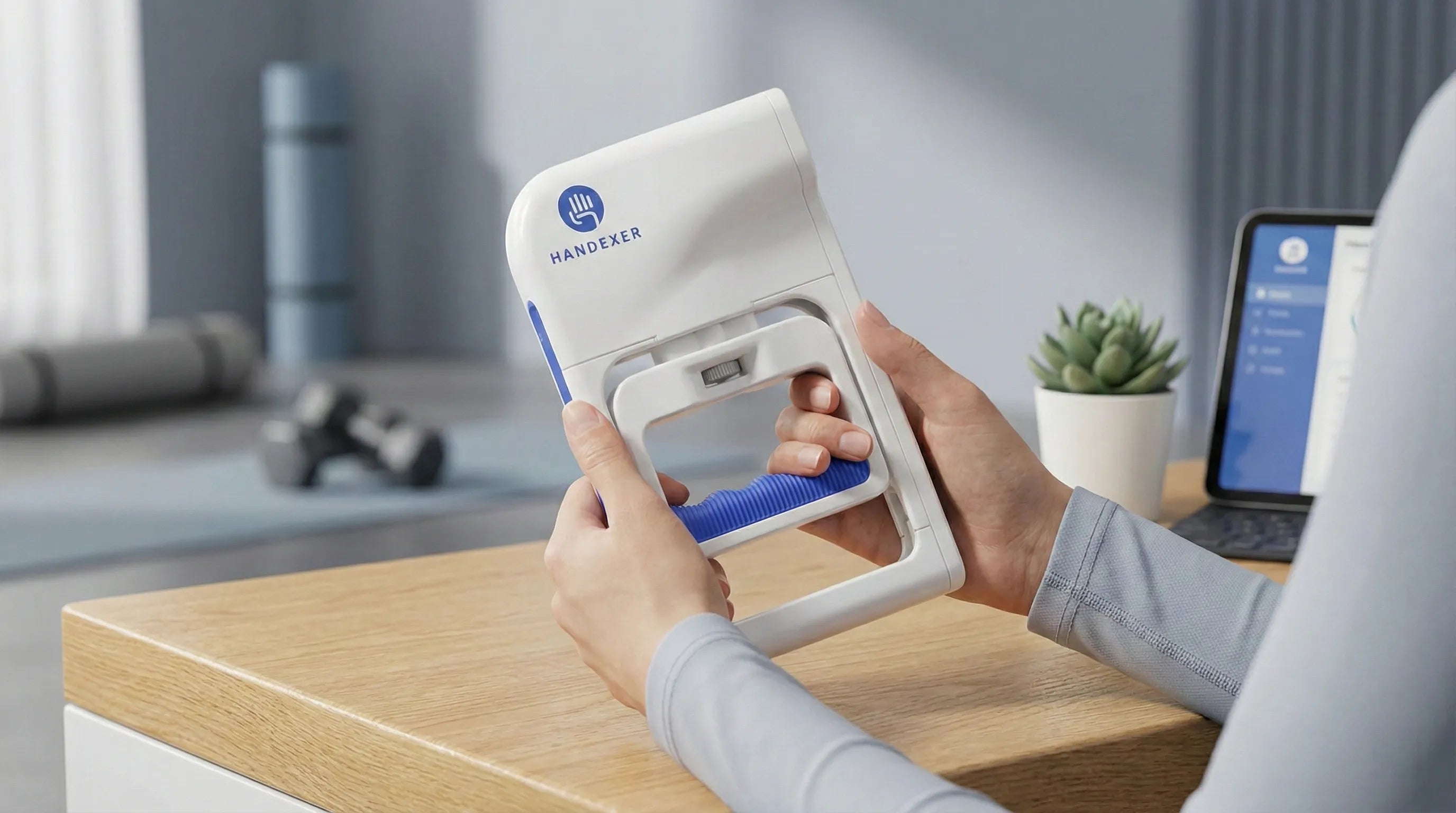
How to Improve Grip Strength at Home (Without Guesswork)
Grip strength is more than a gym flex. It’s a foundational metric tied to athletic performance, injury prevention, and even long-term health.
The problem? Most people train grip strength — but never measure it.
If you can’t quantify progress, improvement becomes guesswork.
That’s where structured training and precise tracking change everything.
Why Grip Strength Matters More Than You Think
Grip strength influences far more than forearms:
-
Deadlifts, pull-ups, climbing, grappling
-
Wrist and elbow injury resilience
-
Neuromuscular efficiency
-
Overall functional strength (linked to longevity)
Elite athletes track it. Rehab professionals rely on it.
Yet most home training ignores the data entirely.
What Is Normal Grip Strength?
Normal adult grip strength typically ranges from 60–105 lbs (27–48 kg) for women and 90–130 lbs (41–59 kg) for men, depending on age and activity level.
Athletes often exceed these ranges, while rehab patients may temporarily fall below them.
This is why establishing your personal baseline matters more than comparing yourself to others.
👉 Start by check your baseline grip strength before changing your training plan.
The 3 Types of Grip Strength You Must Train
1. Crush Grip
This is what most people think of first.
-
Hand dynamometer squeezes
-
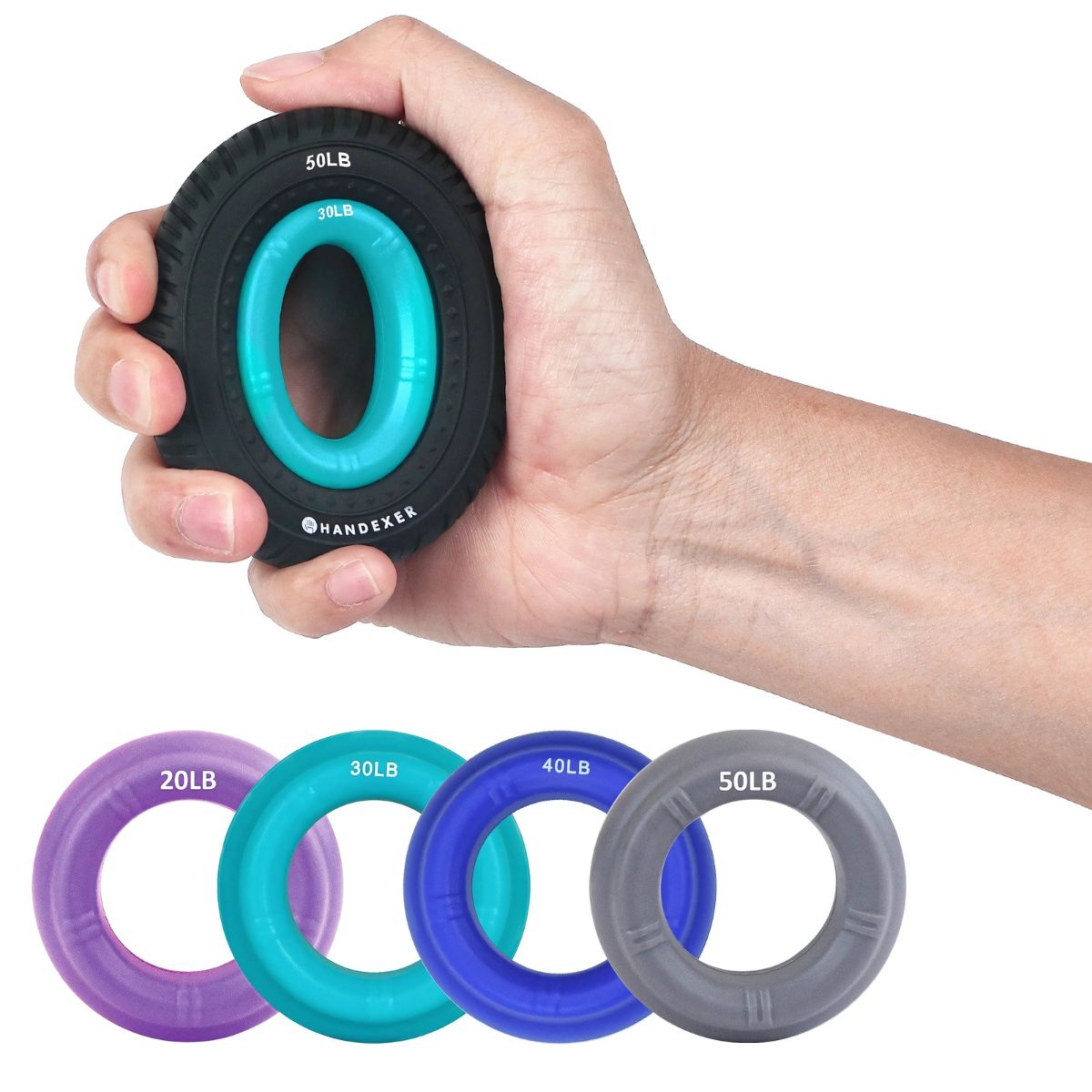
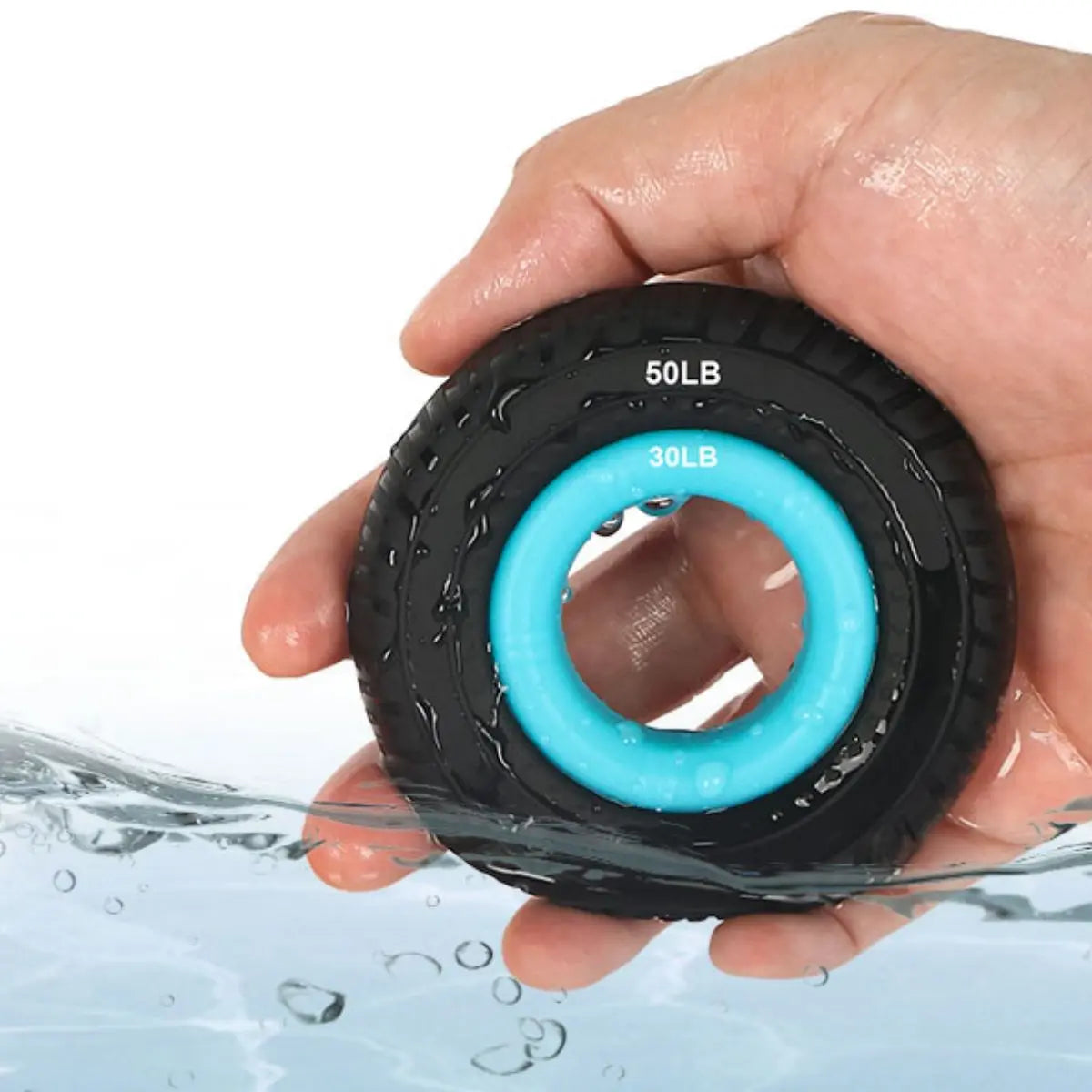
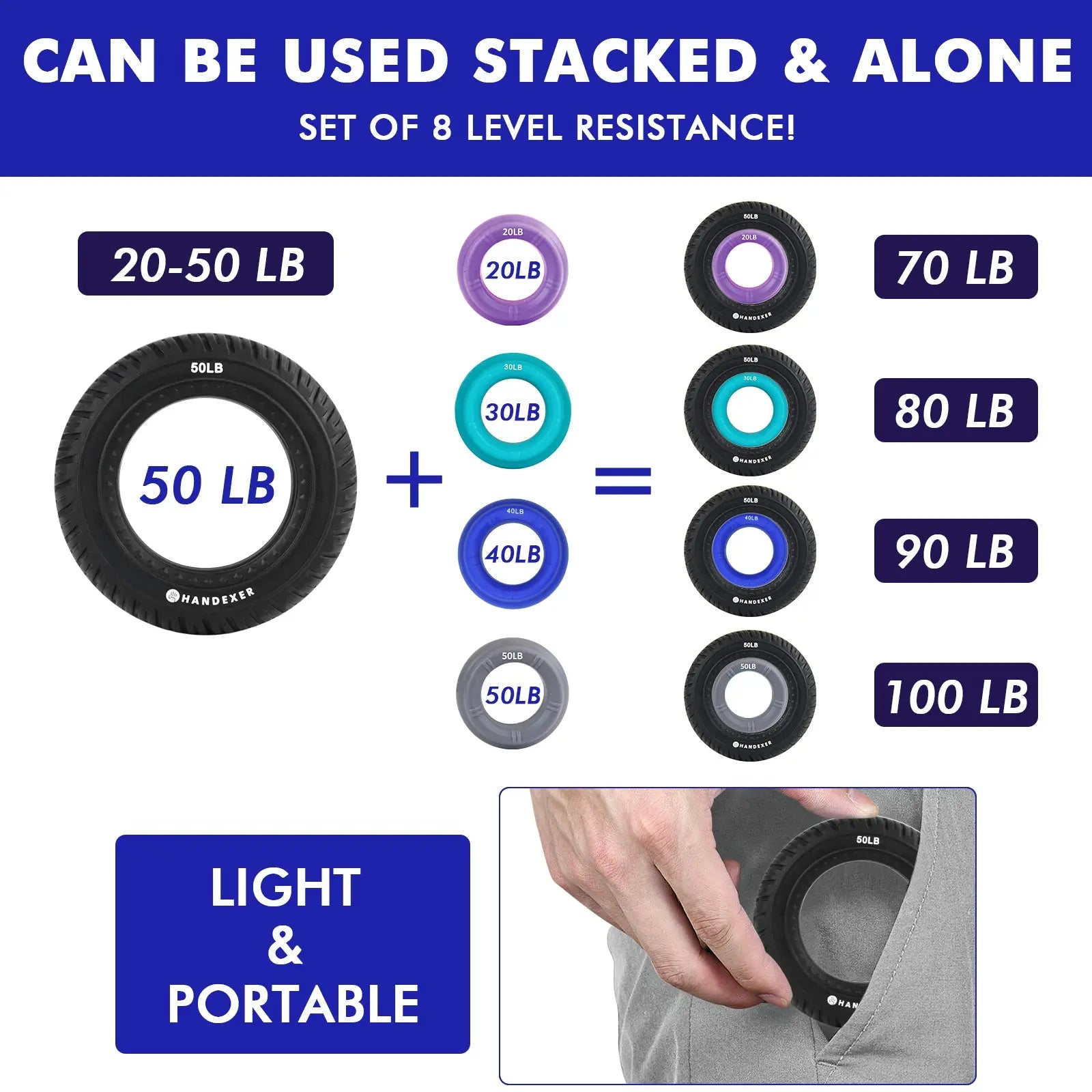
Grippers
-
Stress-ball compression
Best for powerlifters, fighters, and general strength tracking.
2. Support Grip
Your ability to hold weight over time.
-
Dead hangs
-
Farmer’s carries
-
Heavy dumbbell holds
Critical for deadlifts, climbing, and injury prevention.
3. Pinch Grip
Often neglected, but crucial.
-
Plate pinches
-
Towel holds
-
Block grips
This directly transfers to climbing, calisthenics, and real-world hand function.
How to Improve Grip Strength at Home (Step-by-Step)
Step 1: Measure First, Always
Before training volume or intensity, record your numbers.
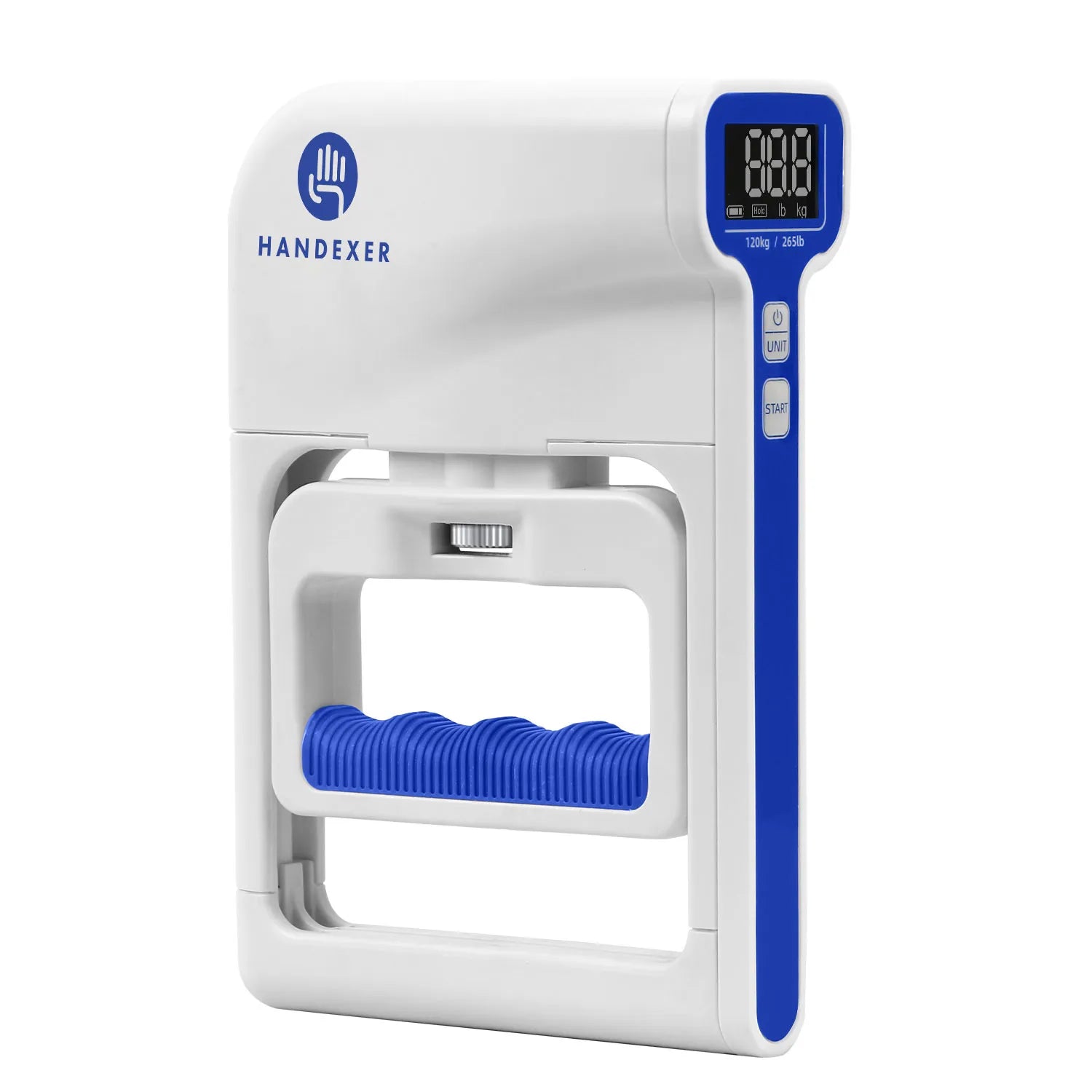
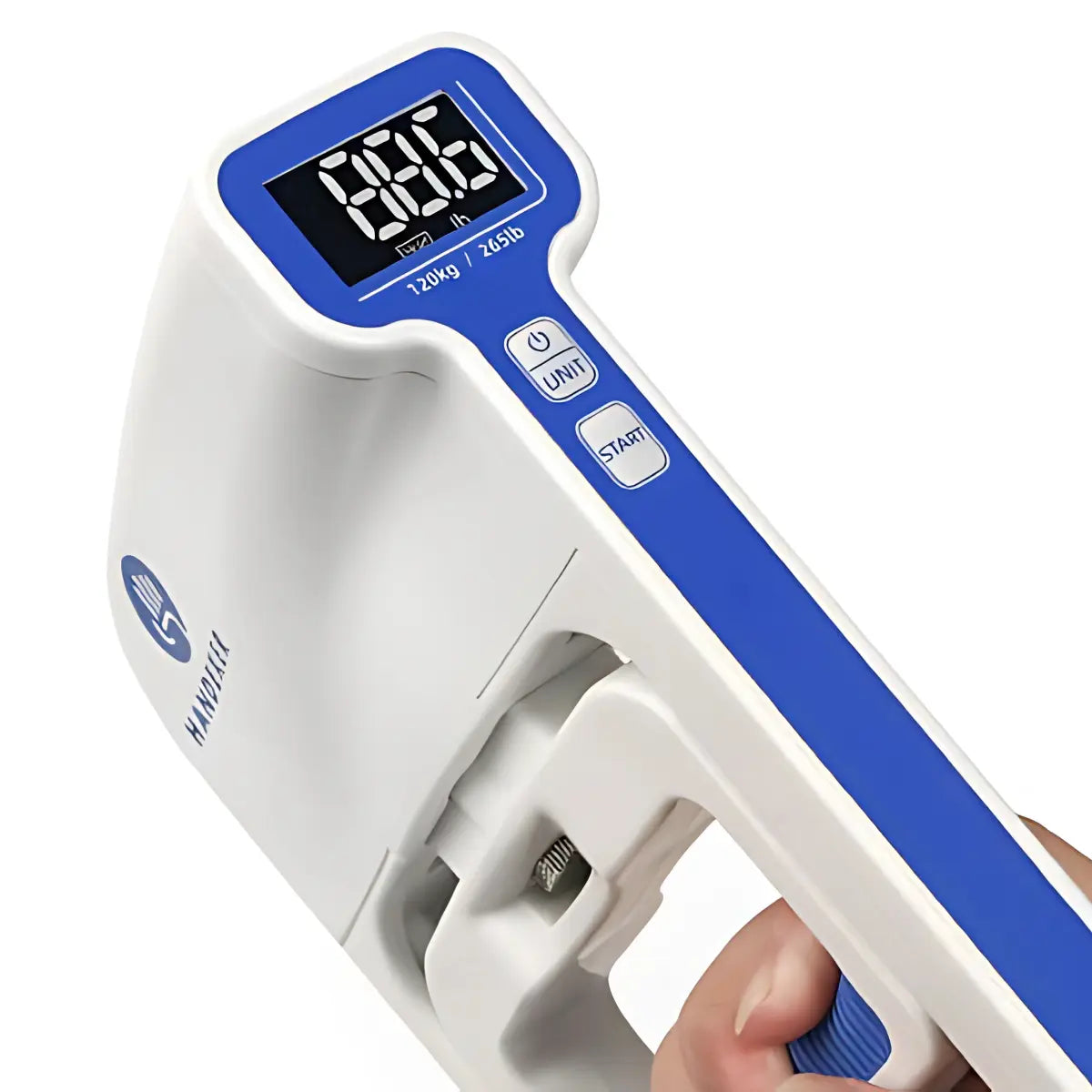
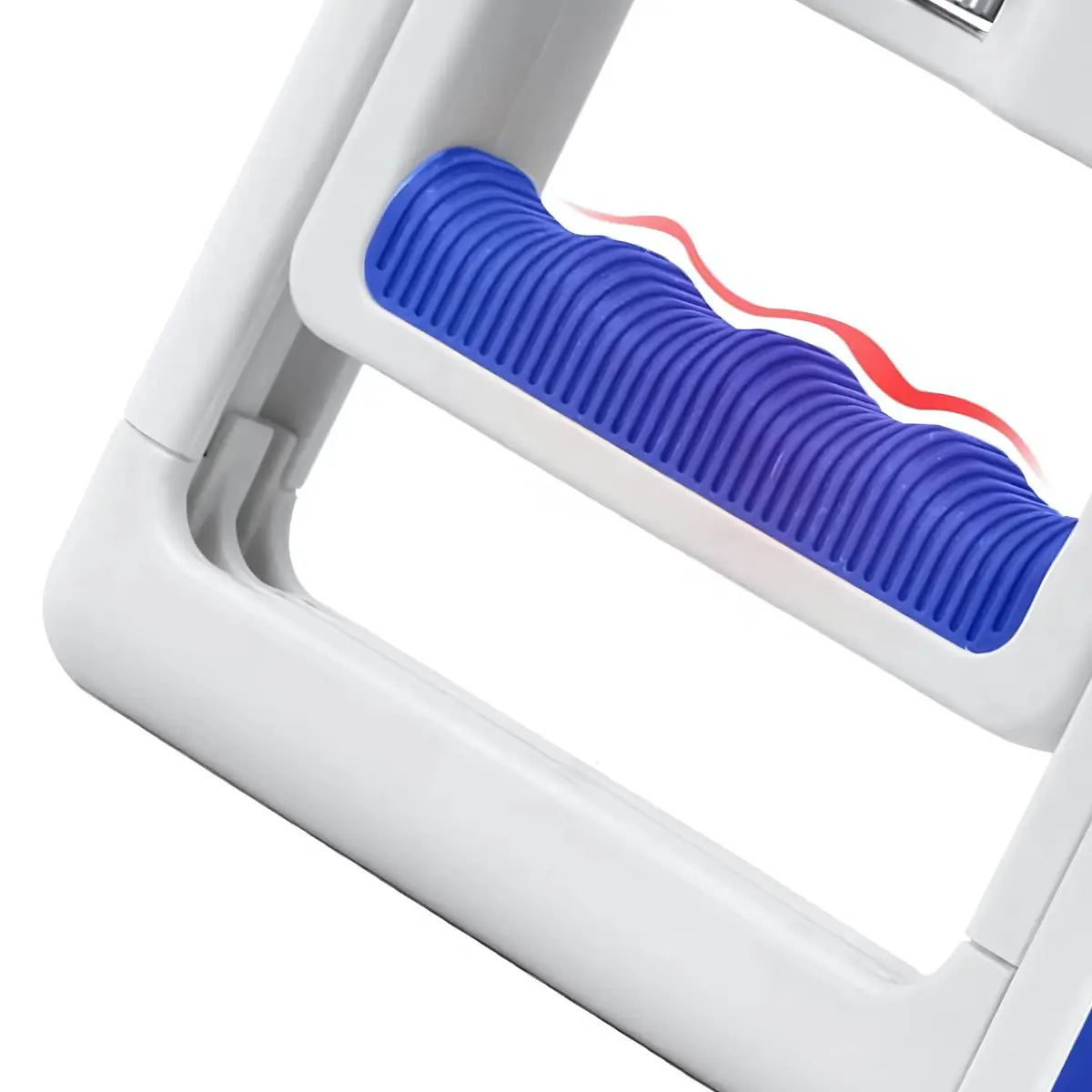
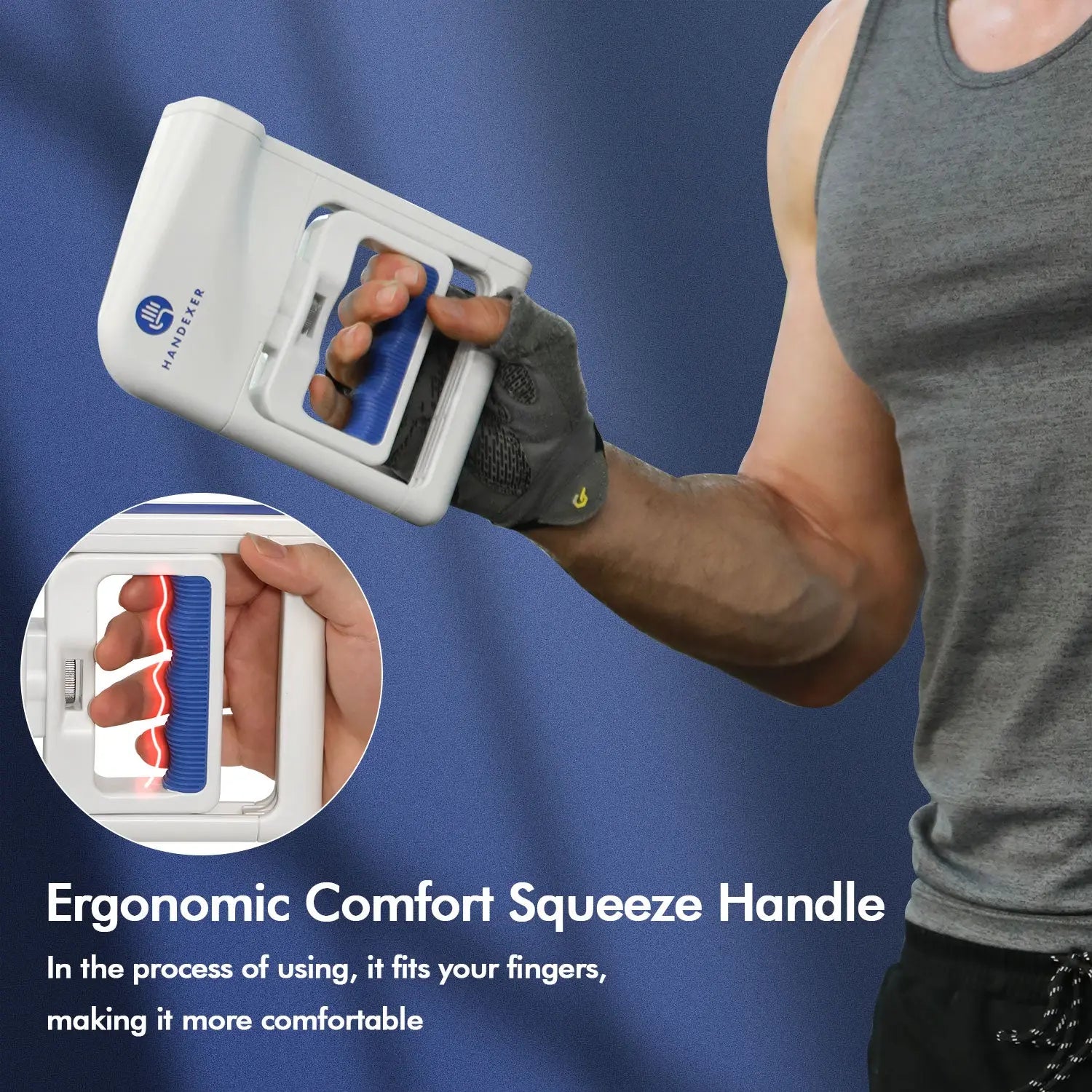
A digital dynamometer like Handexer allows you to:
-
Track left vs right hand imbalances
-
Log age & gender-adjusted data
-
Monitor long-term trends, not just daily highs
👉 Use it to monitor your recovery progress or strength gains week by week.
Step 2: Follow a Simple 10-Minute Daily Protocol
Crush Grip (3 min)
-
3 sets × max squeeze (5 seconds)
-
30–45 sec rest
Support Grip (4 min)
-
2 sets × heavy holds (20–30 sec)
Pinch Grip (3 min)
-
3 sets × plate or towel pinch (15–20 sec)
Consistency beats intensity.
Step 3: Track Weekly Trends, Not Daily Ego Lifts
Grip strength fluctuates with:
-
Sleep
-
Stress
-
Training fatigue
That’s why trend lines > single numbers.
Common Grip Training Mistakes
-
Training grip every day at max effort
-
Ignoring non-dominant hand data
-
No warm-up for wrists and fingers
-
Not adjusting for age or recovery status
Data removes all of these blind spots.
Grip Strength and Recovery: Why Rehab Patients Should Measure Too
Grip tracking isn’t just for athletes.
For rehab users, it helps:
-
Validate recovery speed
-
Detect plateaus early
-
Prevent re-injury from overloading
Objective numbers = safer progress.
Final Takeaway
Grip strength improves fastest when training meets measurement.
If you only squeeze harder, you’ll stall.
If you measure, adjust, and repeat, progress becomes inevitable.
Because in strength training —
you cannot improve what you do not measure.
SECTION 3: FAQ (Schema Friendly)
Q1: How often should I train grip strength?
A: 3–5 times per week is ideal for most people. Daily max-effort squeezing is not recommended.
Q2: Can grip strength really be improved at home?
A: Yes. With minimal equipment and structured tracking, home grip gains can match gym results.
Q3: How long does it take to see grip strength improvement?
A: Most users see measurable changes within 2–3 weeks when training consistently and tracking data.
Q4: Is grip strength linked to overall health?
A: Yes. Research consistently links grip strength with mobility, injury risk, and long-term health outcomes.





Share: