
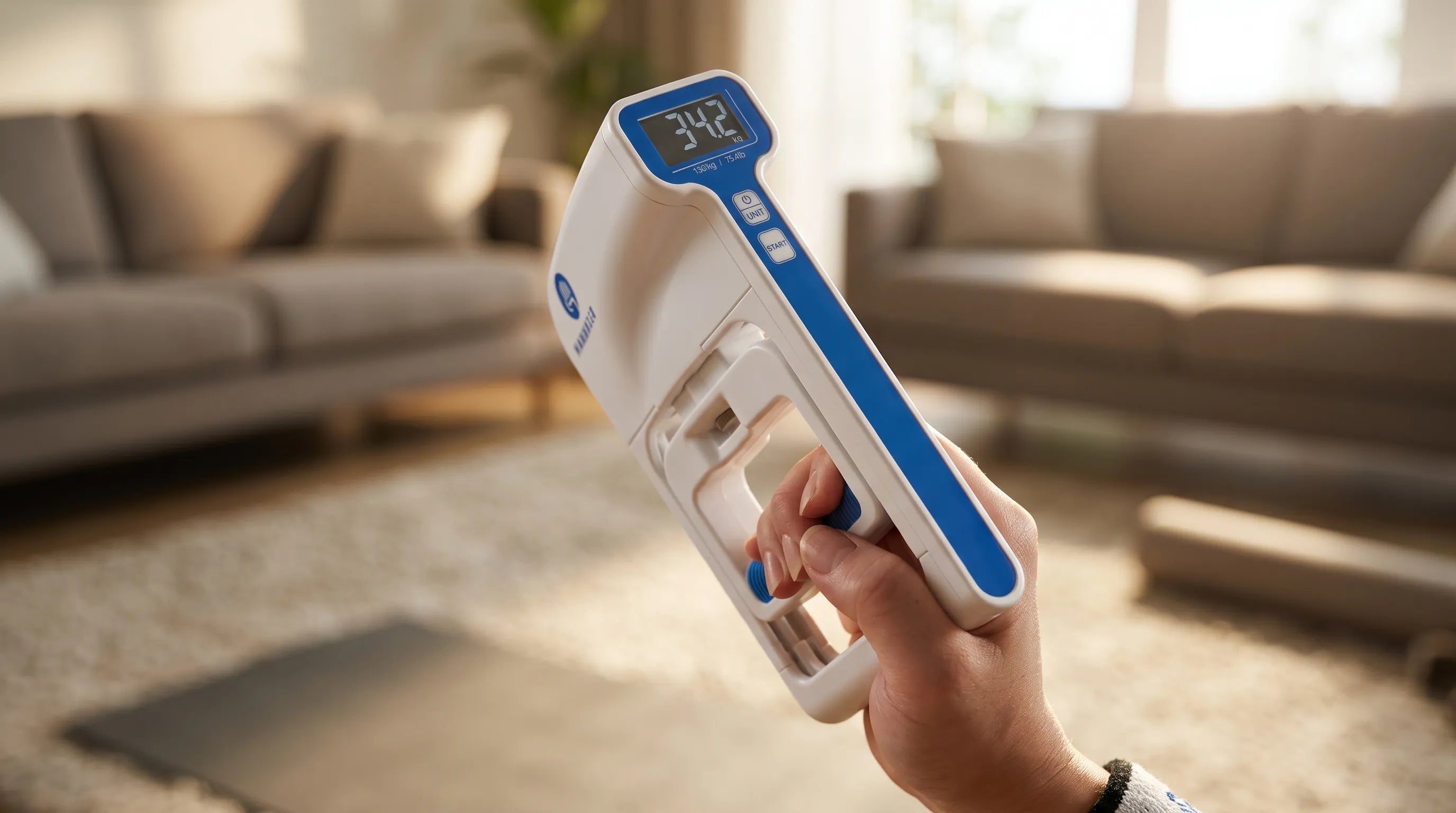
Grip strength is far more than just how tightly you can squeeze an object. It is a powerful window into your overall body strength, muscle health, and everyday physical performance.
However, many people make the mistake of using a "one-size-fits-all" approach—grabbing a heavy, stiff store-bought gripper and squeezing as hard as they can. In reality, a teenager, an adult woman, and a 70-year-old adult have completely different muscles, joint structures, and recovery needs.
In this guide, backed by sports science principles from the National Strength and Conditioning Association (NSCA), we break down:
-
Why grip training must change based on age and sex.
-
Step-by-step weekly workout routines tailored for each group.
-
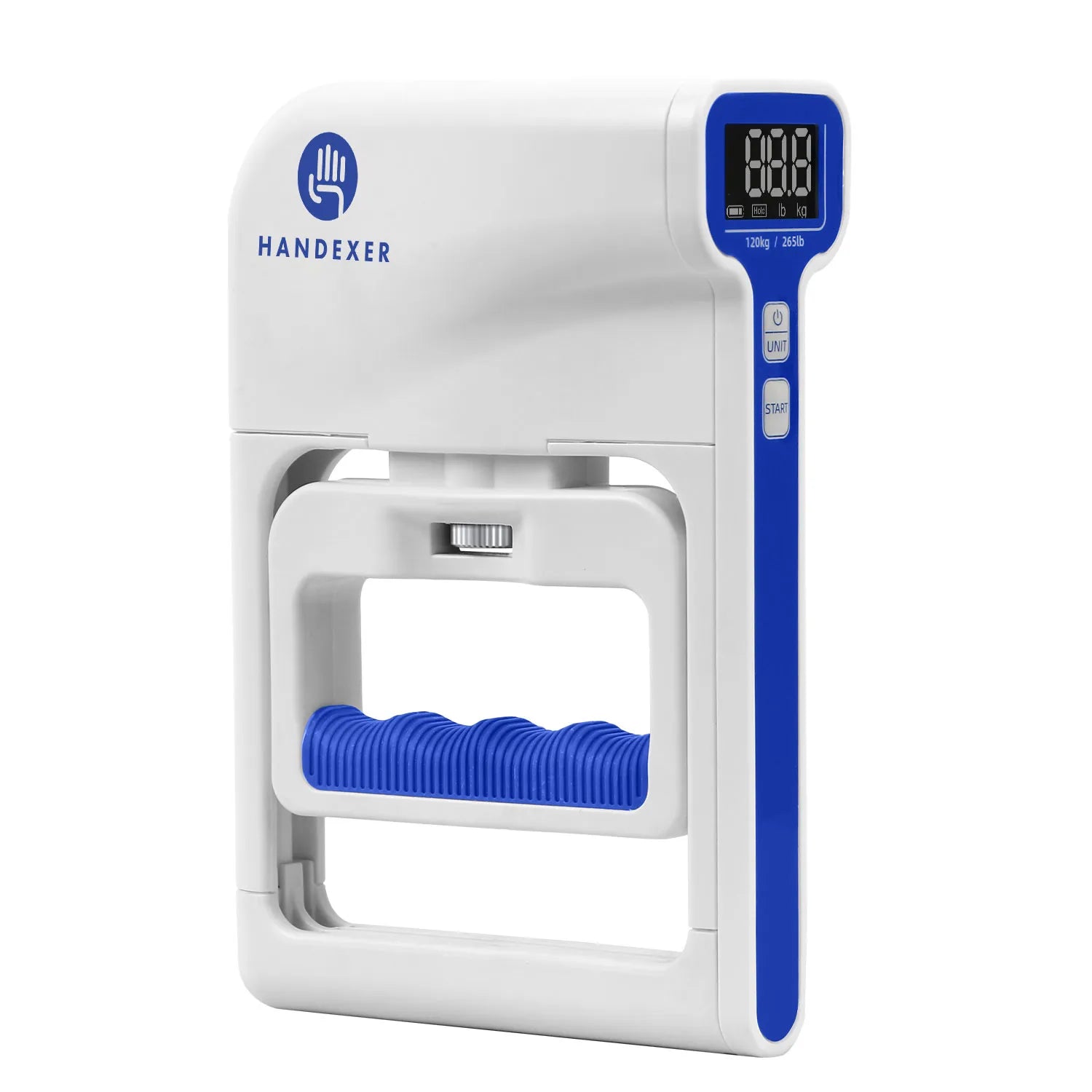
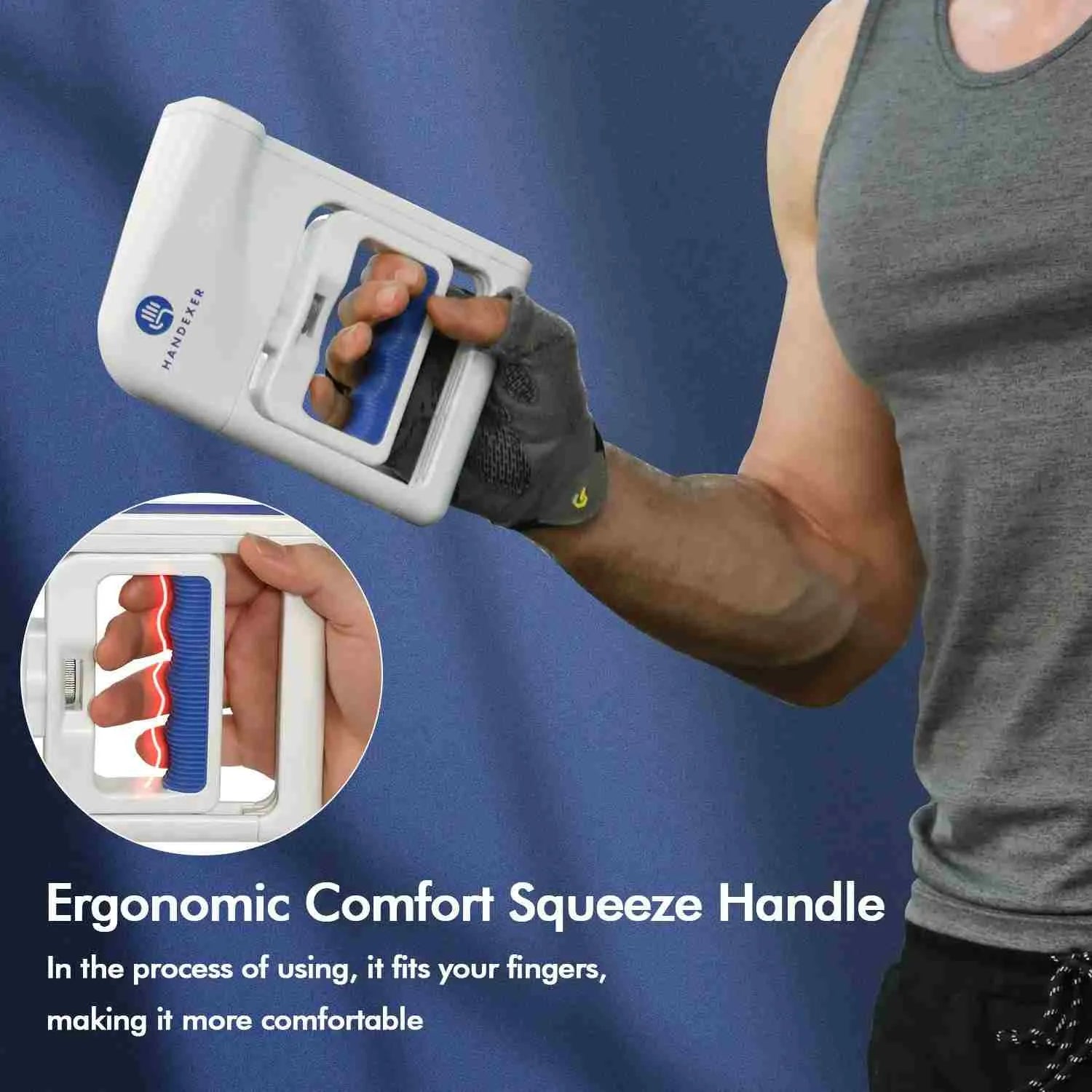
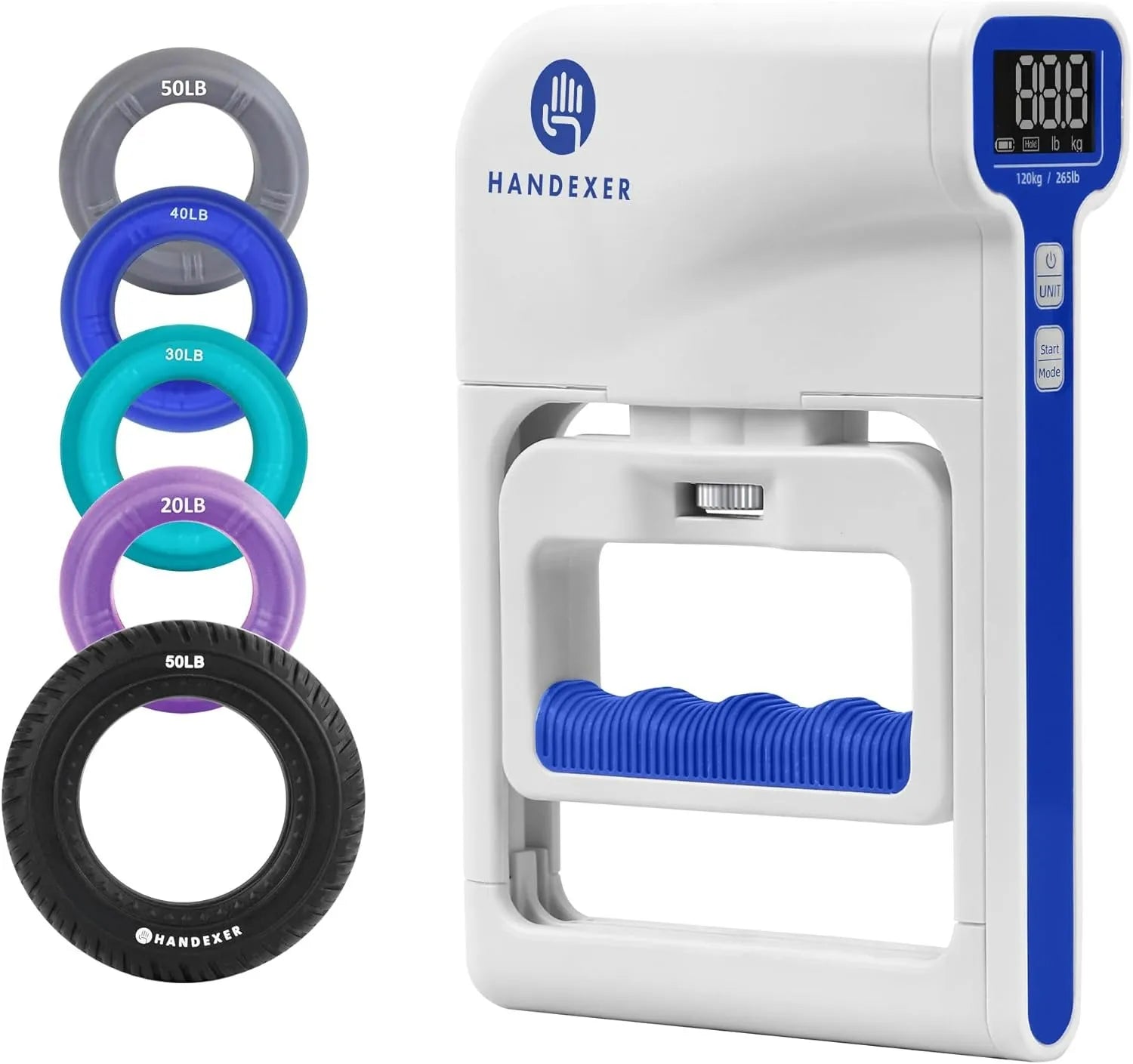
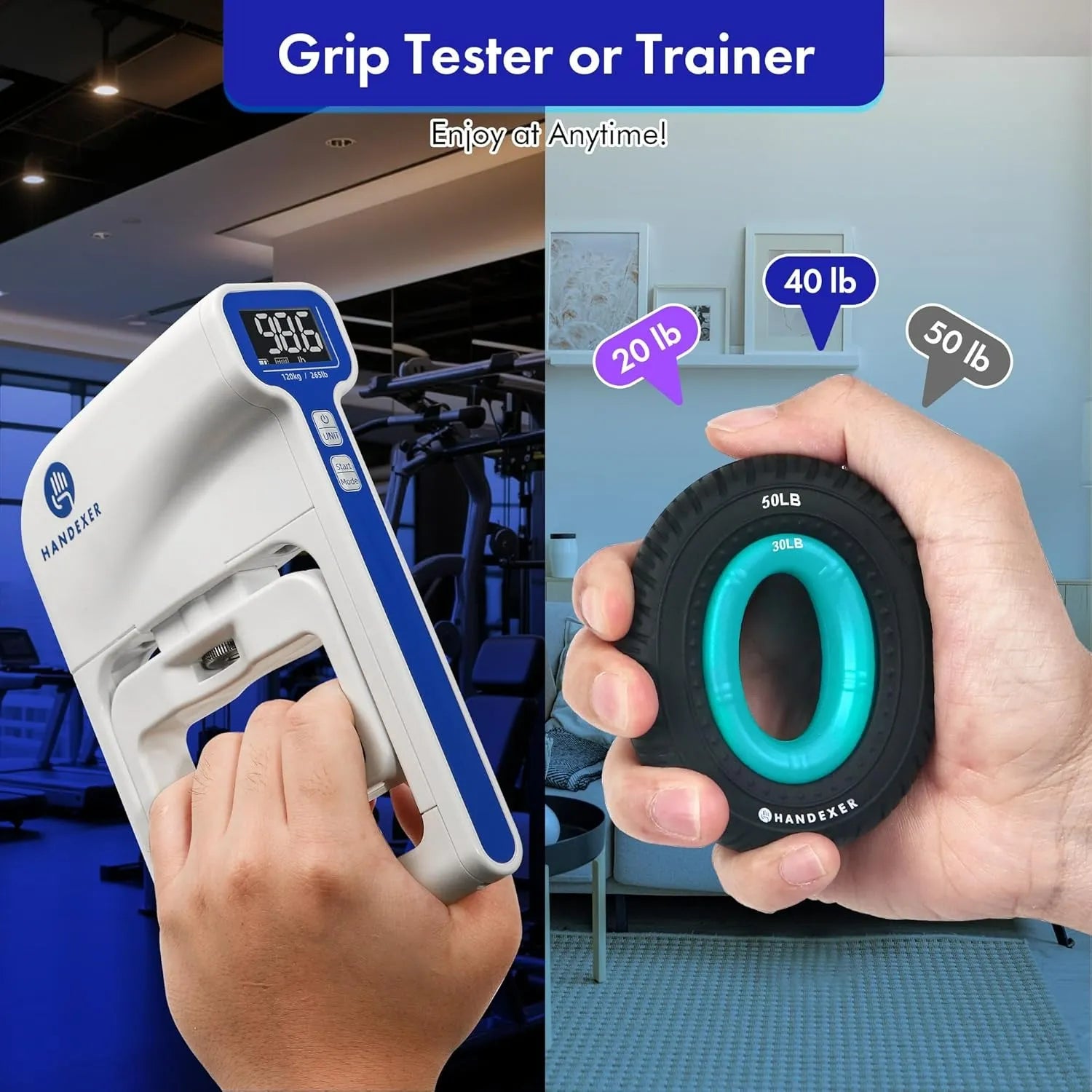
How to use the Handexer Digital Hand Dynamometer to test your baseline and measure real progress safely at home.
Quick Summary: Grip Training Framework Across Demographics
| Group | Physiological Mechanism | Primary Goal | Best Tools & Exercises | Monitoring Focus |
|---|---|---|---|---|
| Youth (Ages 8–18) | Developing nervous system; preadolescent gains driven by neural adaptation, not muscle hypertrophy. | Master movement patterns, build bone density, improve motor unit recruitment. | Bar hangs, palm grip rings, light bands. | Monitor steady, painless natural progress every 4 weeks. |
| Adult Females | Absolute strength ~2/3 of males, but muscle quality (force per unit muscle area) is identical. | Overcome upper-body relative strength gap; support compound pulls. | Adjustable grippers, farmer’s carries, bar hangs. | Track incremental peak force gains (+0.5 kg/lb) every 2–3 weeks. |
| Seniors (65+) | Sarcopenia reduces fiber size/count; muscle power declines faster than static strength. | Preserve functional hand health, slow muscle loss, maintain velocity of force. | Rapid soft squeezes, pinch holds, coordination drills. | Avoid strain; track baseline force stability monthly. |
1. Why Grip Training Is Not "One-Size-Fits-All"
Before designing a training routine, it is essential to understand three simple physiological rules governing hand and forearm strength:
- Neural Adaptations (Brain Power) vs. Hypertrophy (Muscle Size): Before adulthood, muscle strength increases because the nervous system becomes faster at sending signals to muscle fibers. Think of it as upgrading your body's software rather than adding hardware.
- Muscle Quality Is Equal Across Sexes: While men usually have larger upper-body muscle volume due to testosterone during puberty, research shows that a square inch of female muscle tissue produces the exact same force as a square inch of male muscle tissue.
- Power Drops Faster Than Strength with Age: As we age, we naturally lose muscle fibers (a process called sarcopenia). More importantly, we lose the speed of muscle reaction faster than maximal static strength.
Effective functional hand care follows an intuitive progression: Assess ➔ Train ➔ Recover ➔ Track.
2. Youth & Adolescents (Ages 8–18): Neural Drive First
Physiological Considerations
Prior to puberty, children lack high circulating levels of androgenic hormones. Consequently, strength improvements resulting from resistance exercise stem almost entirely from neural adaptations—such as increased motor unit activation and improved motor skill coordination—rather than muscle fiber enlargement (hypertrophy).
Furthermore, because bones are still growing at the epiphyseal plates (growth plates), training volume and technique must be carefully managed.
Training Protocol & Exercises
-
Focus: Build nervous system coordination and bone density safely.
-
Weekly Schedule: 2 non-consecutive days/week (e.g., Tuesday & Friday).
-
Dead Hangs (Pull-Up Bar)
-
How-to: Overhand grip, feet clear of the floor, shoulders engaged (don't slump).
-
Volume: 3 sets × 15–30s holds (60s rest).
-
-
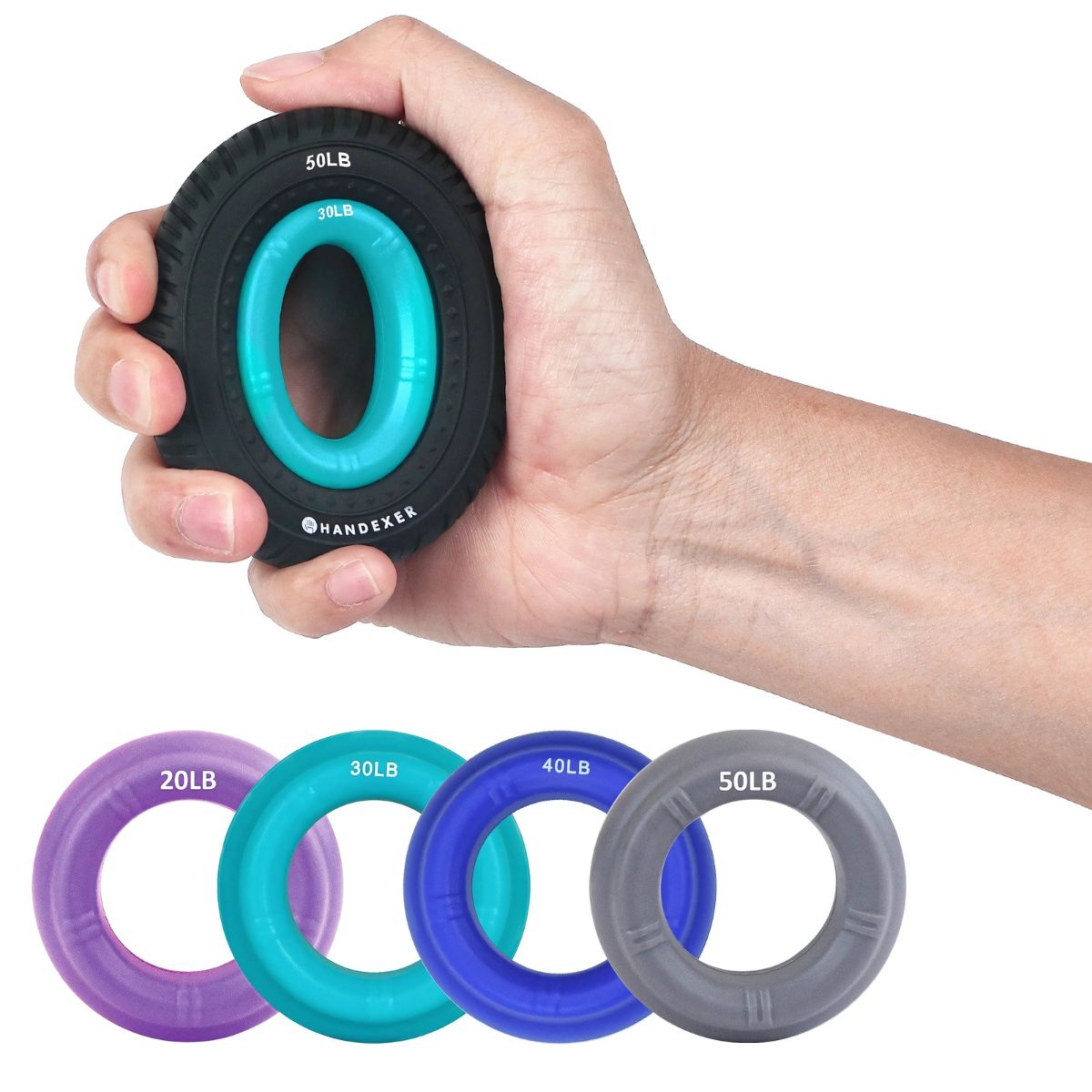
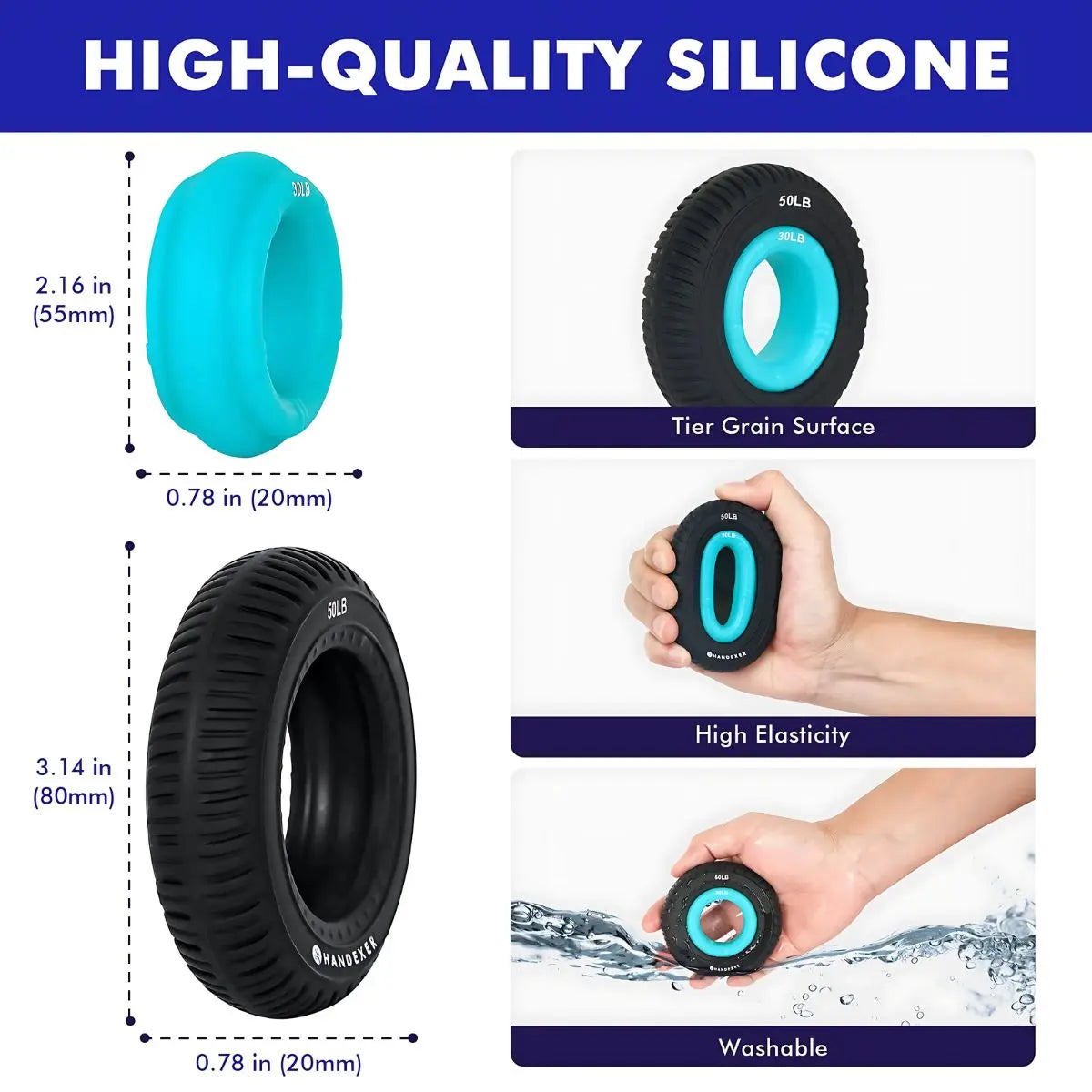
Palm Grip Ring Squeezes
-
How-to: Grasp a soft rubber grip ring firmly inside the palm of your hand. Squeeze firmly for 2 seconds, then slowly release over 2 seconds.
-
Volume: 2 sets × 12–15 reps/hand (45s rest).
-
-
Baseline Tracking
-
How-to: Avoid forcing heavy loads. Use the Handexer Digital Hand Dynamometer every 4 weeks for quick, painless baseline checks to track natural progression alongside growth.
-
3. Adult Females: Bridging Upper-Body Ratios & Muscle Quality
Physiological Considerations
On average, adult females exhibit total body strength approximately 60% to 63% of adult males, with upper-body absolute strength ranging between 43% and 63%. However, when strength is expressed relative to fat-free mass or muscle cross-sectional area, the strength gap narrows significantly.
Building strong handgrip capabilities is crucial for women to remove grip limitations during compound pulling exercises (deadlifts, rows, pull-ups) and daily functional tasks.
Training Protocol & Exercises
-
Focus: Build upper-body pulling strength and wrist stability.
-
Weekly Schedule: 3 days/week (at the end of pull workouts or as mini-sessions).
-
Adjustable Hand Gripper Squeezes
-
How-to: Set load to complete 10 clean reps, closing handles fully on each squeeze.
-
Volume: 3 sets × 8–12 reps/hand (60–90s rest).
-
-
Farmer's Carries
-
How-to: Hold moderate dumbbells/kettlebells at sides, brace core, and walk smoothly in a line.
-
Volume: 3 sets × 30-second walks (90s rest).
-
-
Progress Tracking
-
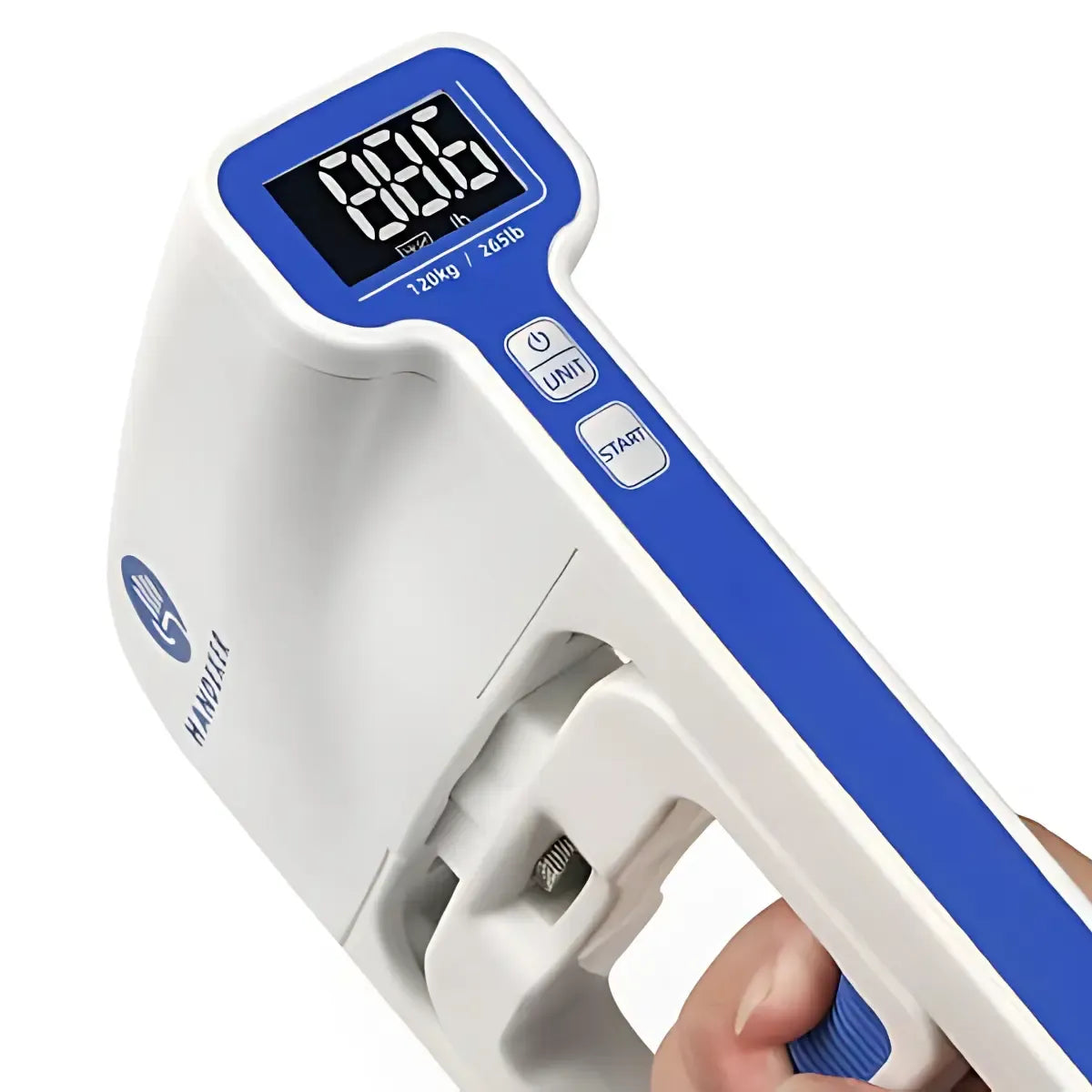
How-to: Test baseline peak force every 2–3 weeks. The high-precision screen on the Handexer Digital Hand Dynamometer tracks subtle incremental gains (0.1 kg/lb), validating your strength improvements even before visual muscle changes appear.
-
4. Older Adults (Ages 65+): Fighting Sarcopenia & Power Loss
Physiological Considerations
Aging is accompanied by a progressive loss of muscle mass and strength, known as sarcopenia. Crucially, research indicates that muscle power (the ability to exert force quickly) declines at a faster rate than absolute static strength. Reduced hand function directly impacts independence, such as opening jars, holding railings, or stabilizing oneself during a trip.
Training Protocol & Guidelines
-
Focus: Preserve rapid muscle reaction, maintain joint safety, and preserve hand function for daily tasks (e.g., opening jars, holding handrails).
-
Weekly Schedule: 2 non-consecutive days/week (e.g., Monday & Thursday).
-
Fast Squeeze & Slow Release (Power Focus)
-
How-to: Hold a soft grip ring in your palm or a soft ball. Squeeze quickly for 1s, then slowly release over 3s.
-
Volume: 2 sets × 8–10 reps/hand (60s rest).
-
-
Pinch Grip Holds
-
How-to: Pinch a light book or small weight plate using only your thumb and finger pads.
-
Volume: 2 sets × 15–20s holds/hand (60s rest).
-
-
Safety & Baseline Tracking
-
Crucial Safety Rule: Always breathe naturally—never hold your breath (avoid the Valsalva maneuver) to keep blood pressure stable.
-
Progress Tracking: Avoid maximum exertion or strain. Perform a smooth monthly check with the Handexer Digital Hand Dynamometer to monitor baseline force stability safely.
-
5. How to Establish Baselines & Track Progress with Handexer
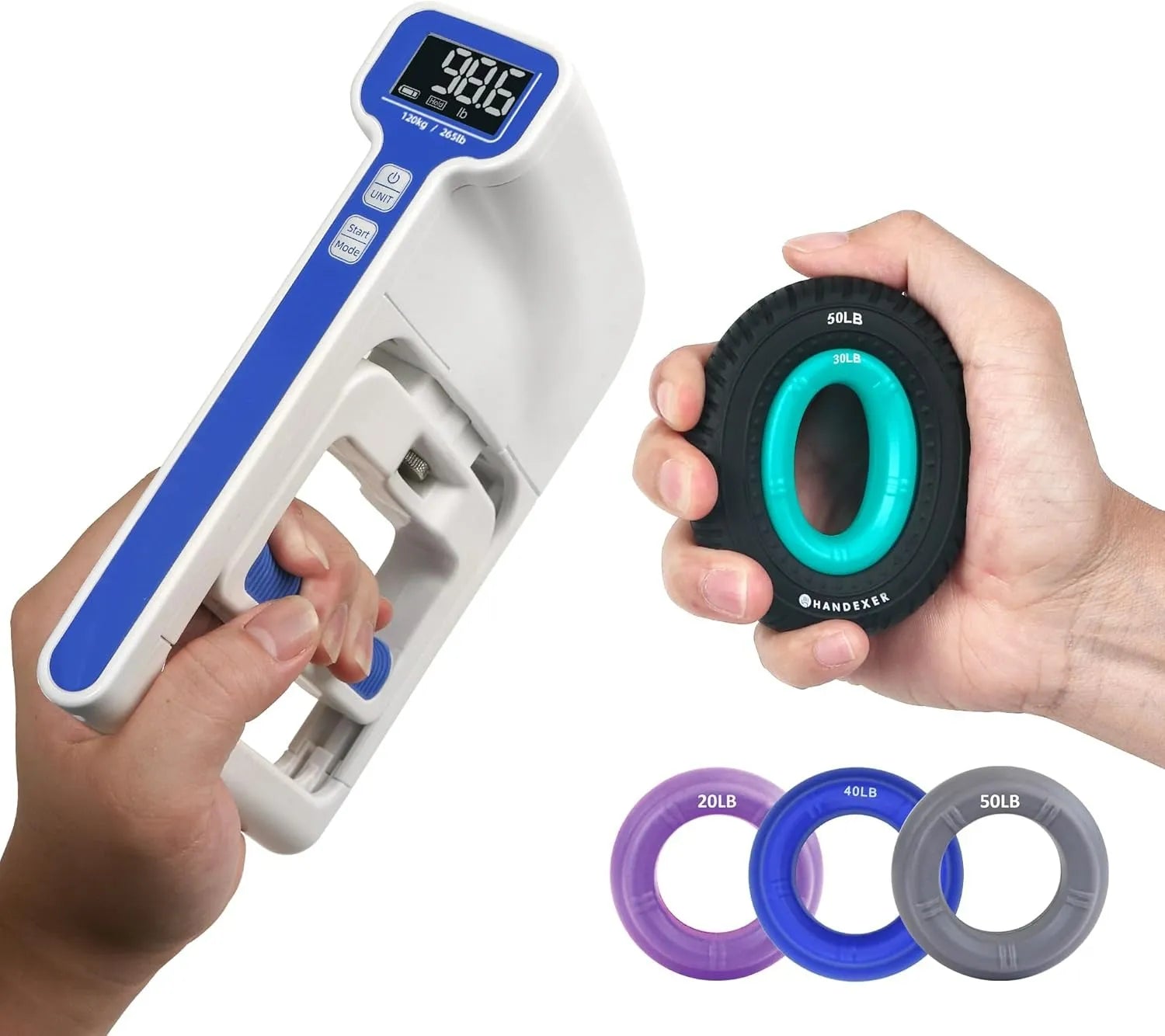
Objective measurement turns random squeezing into structured conditioning. The Handexer Digital Hand Dynamometer serves as an accurate tool for establishing a baseline and monitoring progress across all age groups.
Standard Baseline Testing Protocol
- Posture Setup: Sit or stand comfortably with shoulders relaxed. Bend your elbow at a 90-degree angle with the forearm parallel to the floor (keep posture consistent across tests).
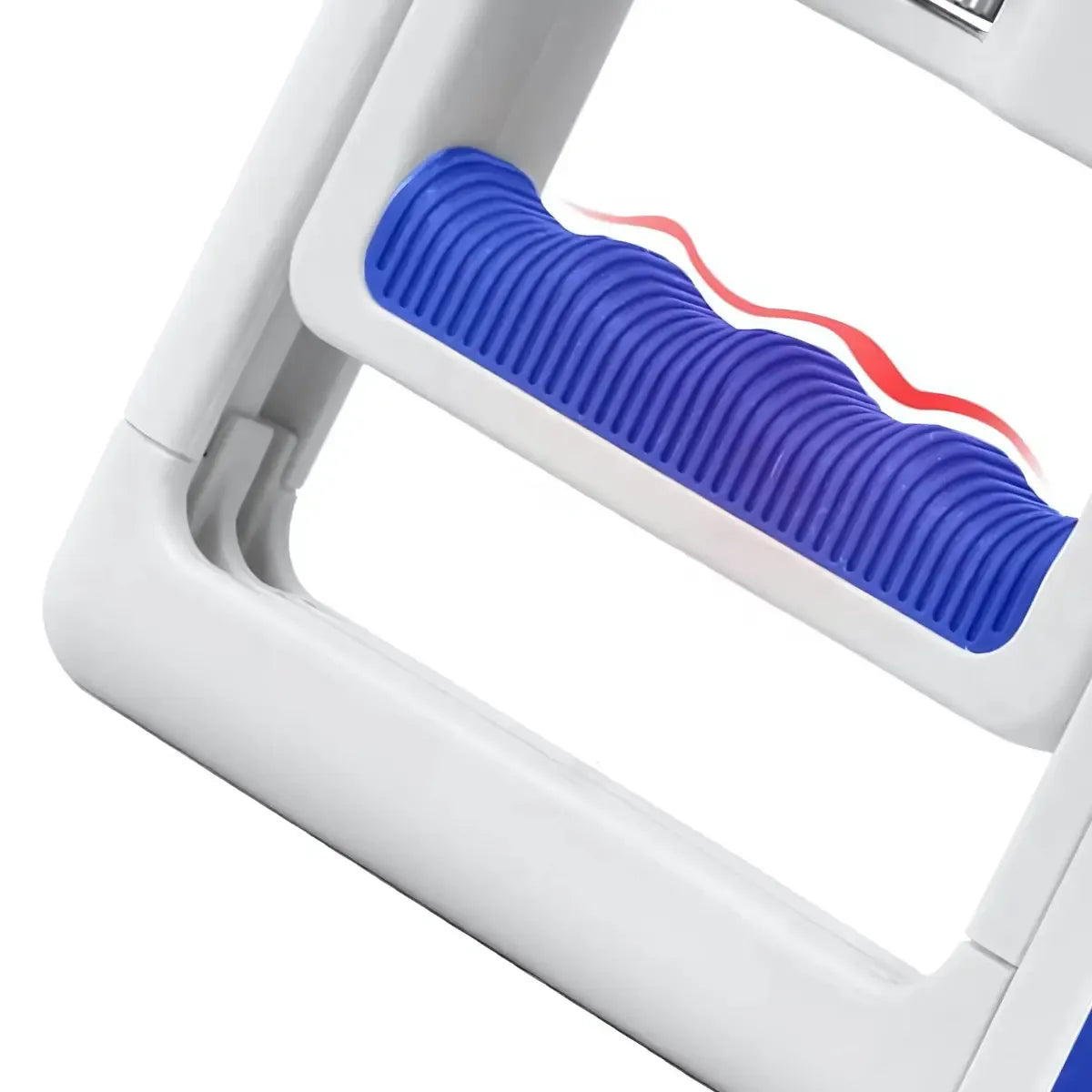
- Adjust Grip Distance: Set the Handexer handle so the middle phalanx of your index finger rests comfortably at a 90-degree bend against the handle.
- 3-Second Maximal Squeeze: Exhale smoothly and squeeze the handle with maximum effort for 3 seconds. Do not swing your body or press the device against your thigh.
- Record & Compare: Perform 2–3 trials per hand with 1-minute rest intervals. Record the peak force displayed on the digital screen as your Baseline. Repeat every 2–4 weeks.
Grab your Handexer Digital Hand Dynamometer today to capture your baseline and track your progress with precision!💪
6. Frequently Asked Questions (FAQ)
Answer: No. Scientific research conclusively shows that age-appropriate resistance training does not impair skeletal growth. Proper technique and controlled loads actually support bone mineral density development. Avoid maximal heavy mechanical overloading and emphasize proper form.
Answer: No. Due to lower natural levels of anabolic hormones, female grip training enhances neuromuscular efficiency, grip tone, and joint stability without causing rapid hypertrophy or massive forearm bulk.
Answer: No. Heavy crush grippers can strain delicate tendons and finger joints in seniors. Seniors should start with low-to-moderate resistance, focus on smooth, fast contractions, and track force safely using the Handexer Digital Hand Dynamometer.






Share:
Don’t Just Watch Your Heart Rate! What a 10-Second Grip Strength Test Reveals About Your Heart
Crush, Pinch & Support Grip: Key Differences & How to Train