
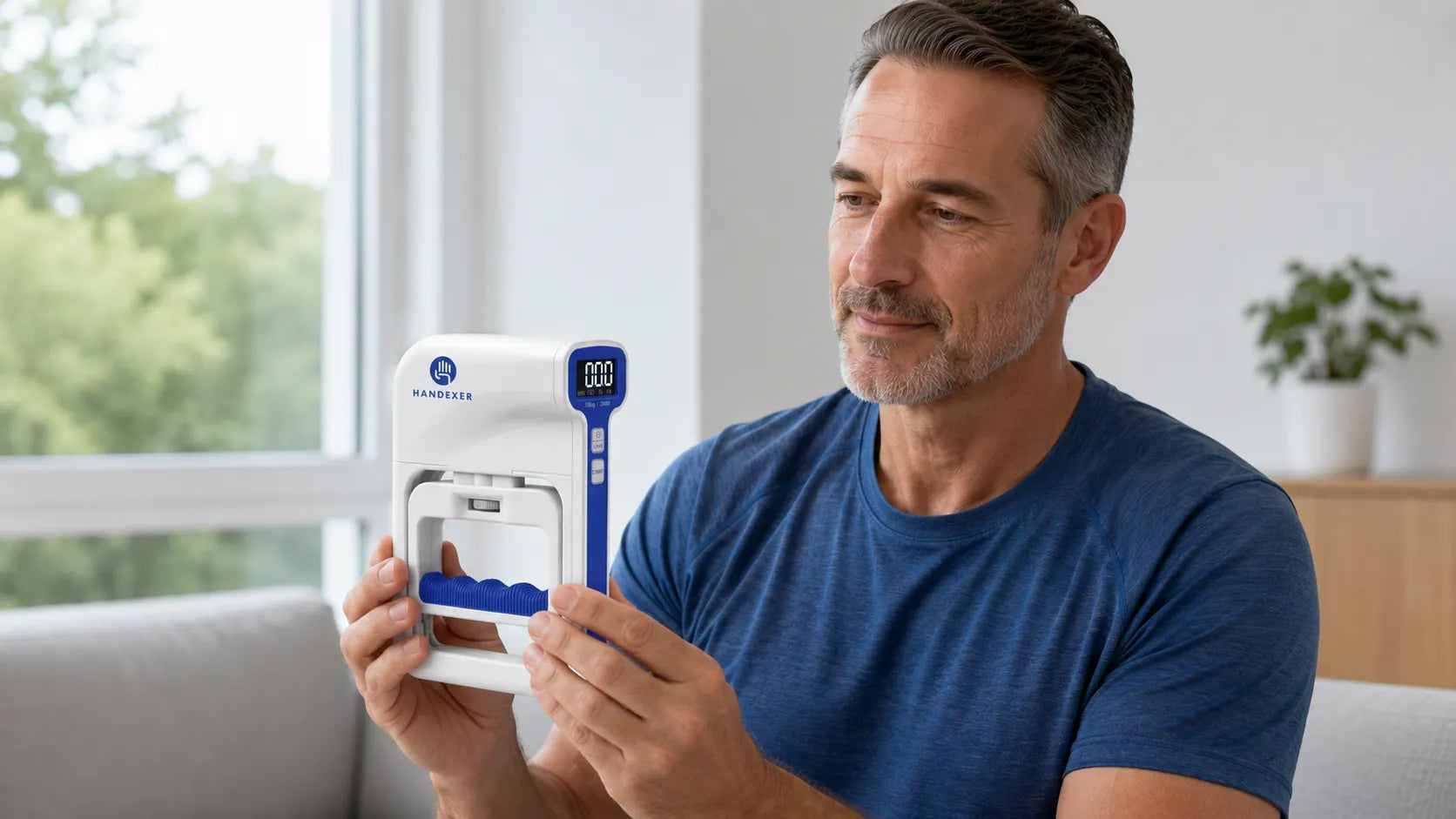
Tennis elbow can be incredibly frustrating.You rest your arm. You ice it. Maybe you wear a brace. The pain fades—temporarily.
But the moment you go back to normal activities—typing, lifting, or gripping—it comes right back.This cycle is extremely common. And it happens for one reason:You’re treating symptoms, not solving the real problem.
This guide will show you how to actually fix tennis elbow using a science-backed, structured recovery approach.
What Is Tennis Elbow (And Why It Keeps Coming Back)
Despite the common name, this condition—medically known as lateral epicondylitis—rarely involves active inflammation.
Historically, doctors assumed elbow pain was caused by inflamed tissue, which led to treatments focused entirely on reducing swelling. Modern clinical research reveals a different reality. Chronic tennis elbow is actually tendinopathy. It is a physical breakdown of the tendon structure caused by an endurance deficit and repetitive overload.
Think of your extensor tendons (the tissues connecting your forearm muscles to the outside of your elbow) as a rope. A healthy rope easily handles tension. But if you constantly stress that rope beyond its capacity without giving it proper time to adapt, the individual fibers begin to fray. That fraying, disorganized tissue is what causes the pain and stiffness associated with tennis elbow.
Why Most Treatments Don’t Work Long-Term
Most people rely on passive treatments. These help short-term—but fail long-term.
-
Rest: Complete rest reduces pain temporarily, but it also weakens the tendon further. A rested tendon has less capacity to handle stress, meaning it will break down even faster once you resume activity.
-
Braces and Straps: Counterforce braces redistribute pressure away from the injured site. While excellent for short-term pain management, they act as a crutch. They do not strengthen the underlying tissue.
-
Steroid Injections: Cortisone shots can mask the pain for weeks, but research shows they can degrade tendon quality over the long term, increasing the likelihood of future relapses.
To truly recover, you have to move away from passive treatments.
The Real Solution: Increasing Tendon Capacity
Tendons are living tissues that adapt to stress, provided the stimulus is controlled and consistent. The core equation of hand function and RSI recovery is simple: Load vs. Capacity.
Your pain happens because the daily load you place on your hand and forearm exceeds the structural capacity of your tendons. Traditional treatments focus entirely on reducing the load. A professional recovery strategy focuses on increasing your capacity.
By utilizing progressive, high-repetition exercises, you build tendon endurance. This is how you train with purpose: stimulating the tissues just enough to trigger adaptation without causing further damage.
The real solution is to restore tendon load capacity, not simply suppress pain.
The 3-Phase Tennis Elbow Recovery Plan
Rebuilding tendon capacity takes time, precision, and consistency. A structured approach ensures you recover with confidence rather than guessing your way through rehabilitation.
Phase 1: Assessment & Isometric Loading
Before you begin moving weight, you need to stabilize the tendon and understand your starting point.
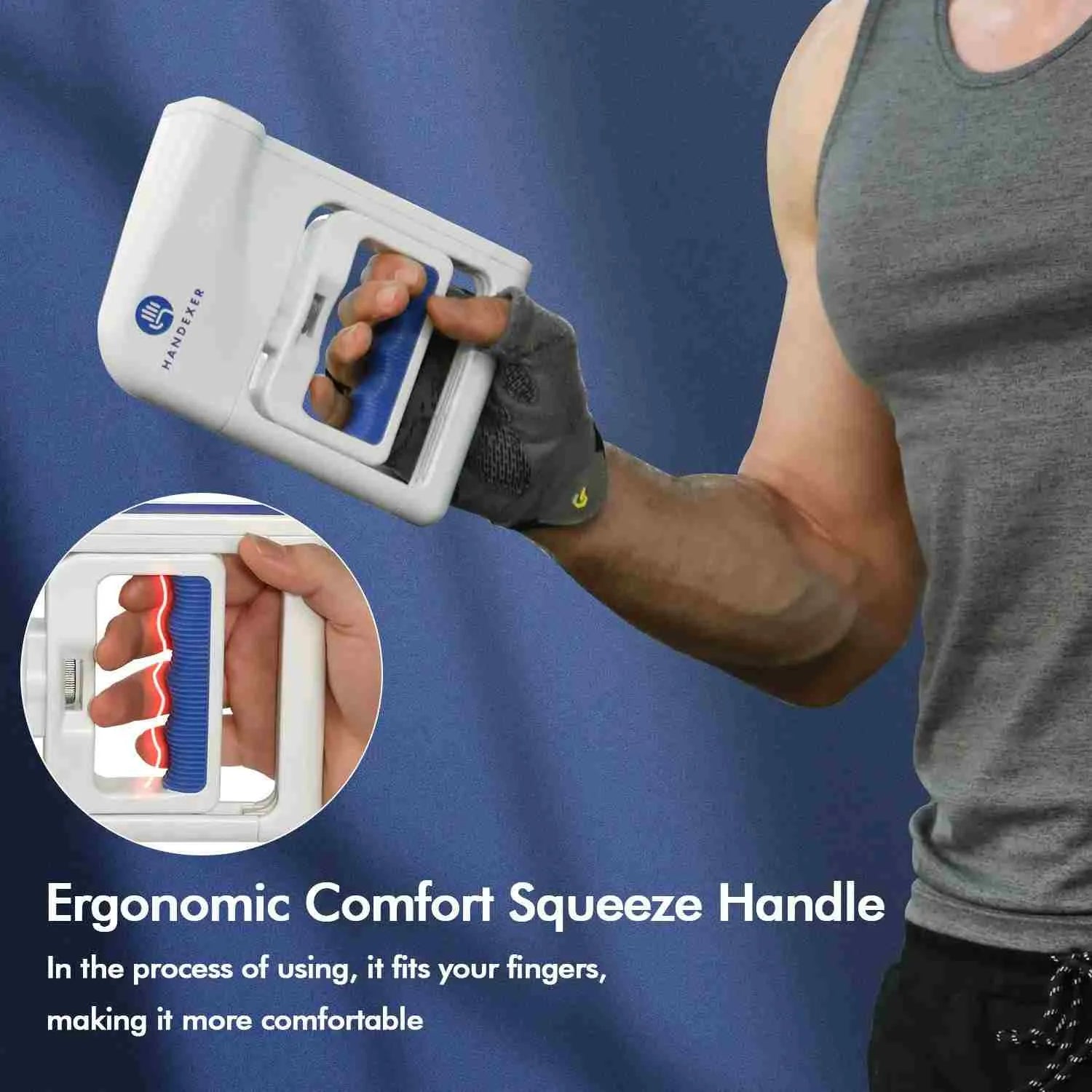
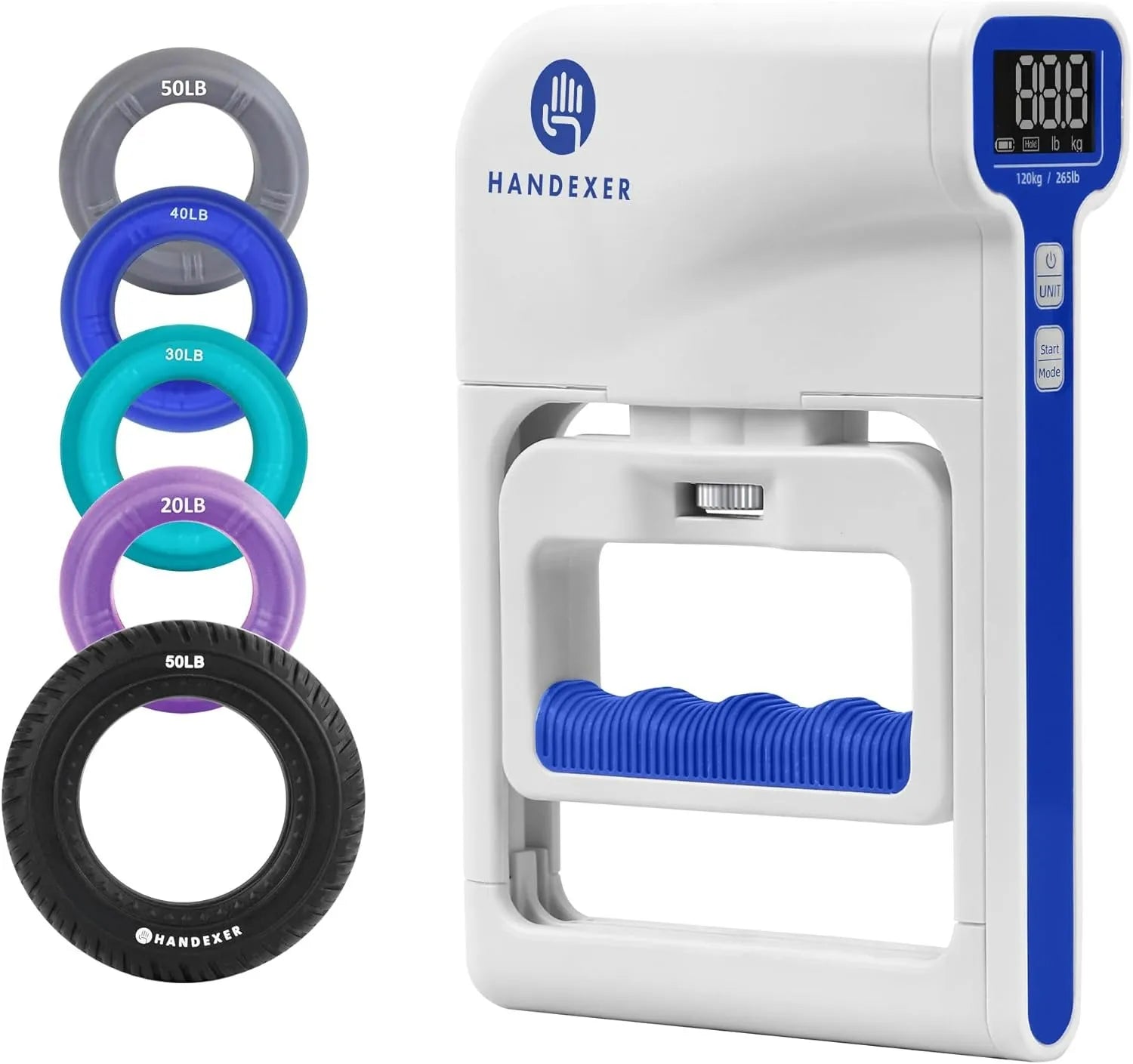
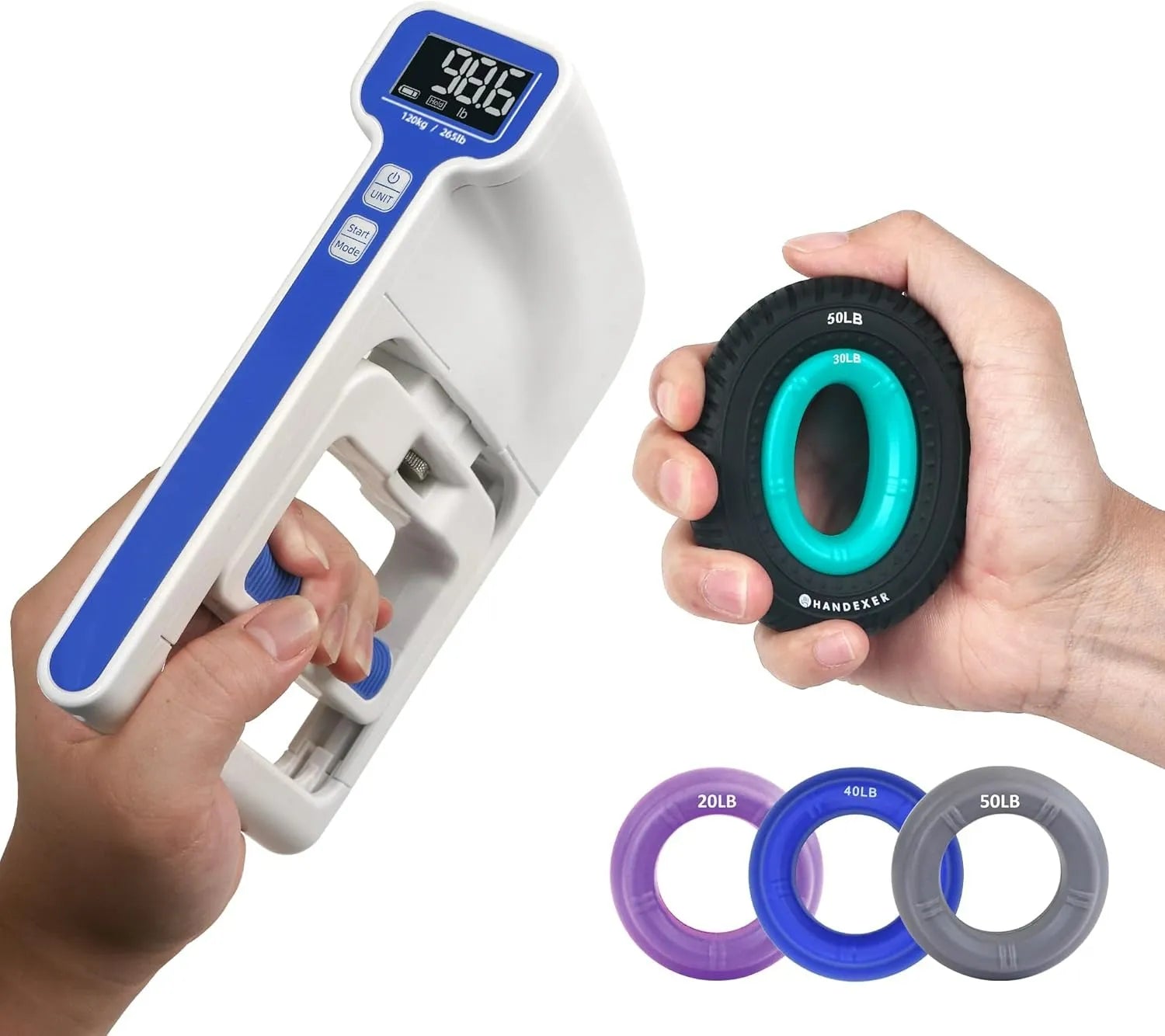
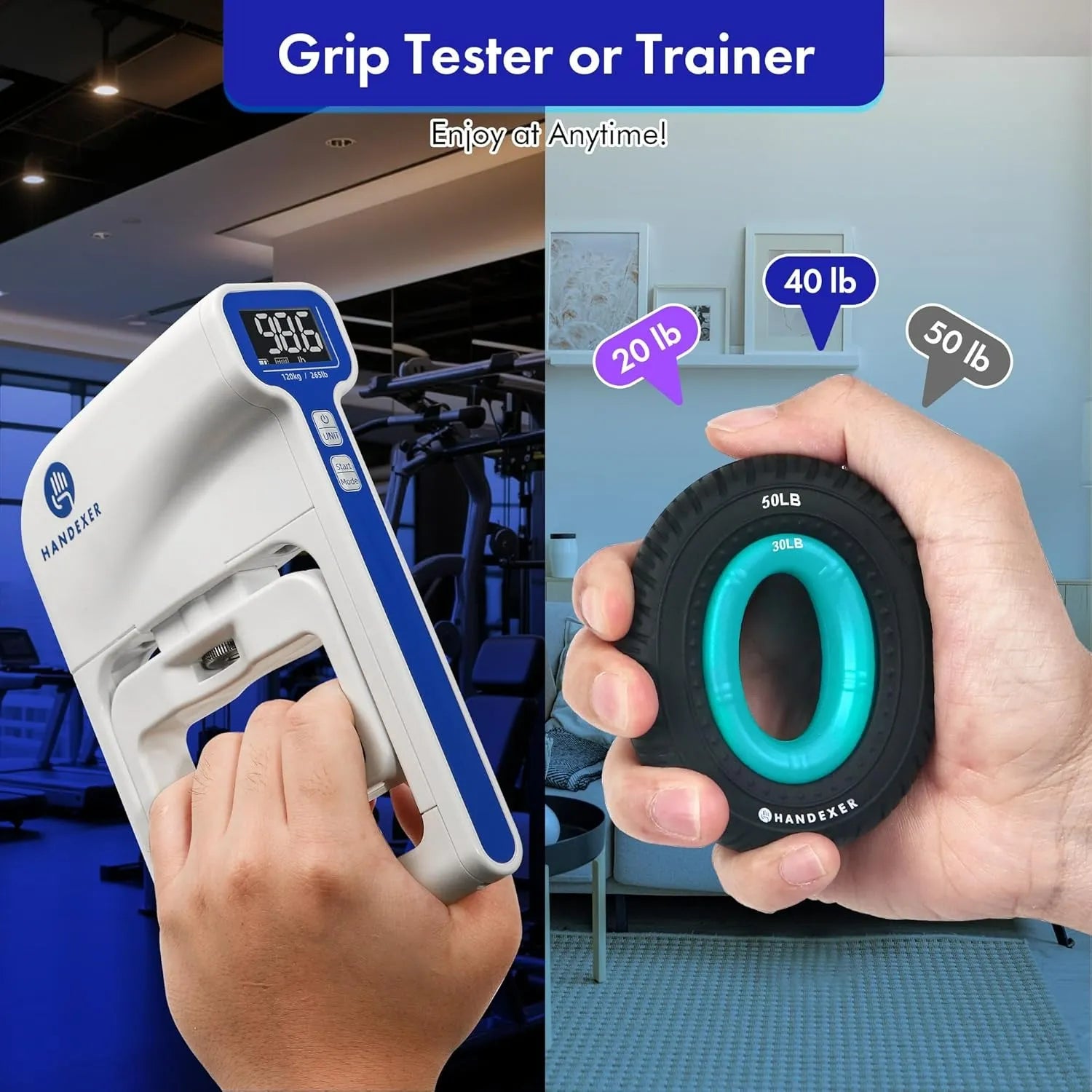
Use a reliable tool to accurately assess your baseline grip strength. You cannot measure progress if you do not know where you started.
Once your baseline is recorded, begin with isometric exercises—muscle contractions without joint movement.
-
Isometric Wrist Extension: Rest your forearm on a table, palm facing down. Place your opposite hand on top of the injured hand. Gently try to lift the injured hand upward while the top hand resists the movement entirely. Hold this tension for 30 to 45 seconds at 50% effort. Repeat for 3 sets.
-
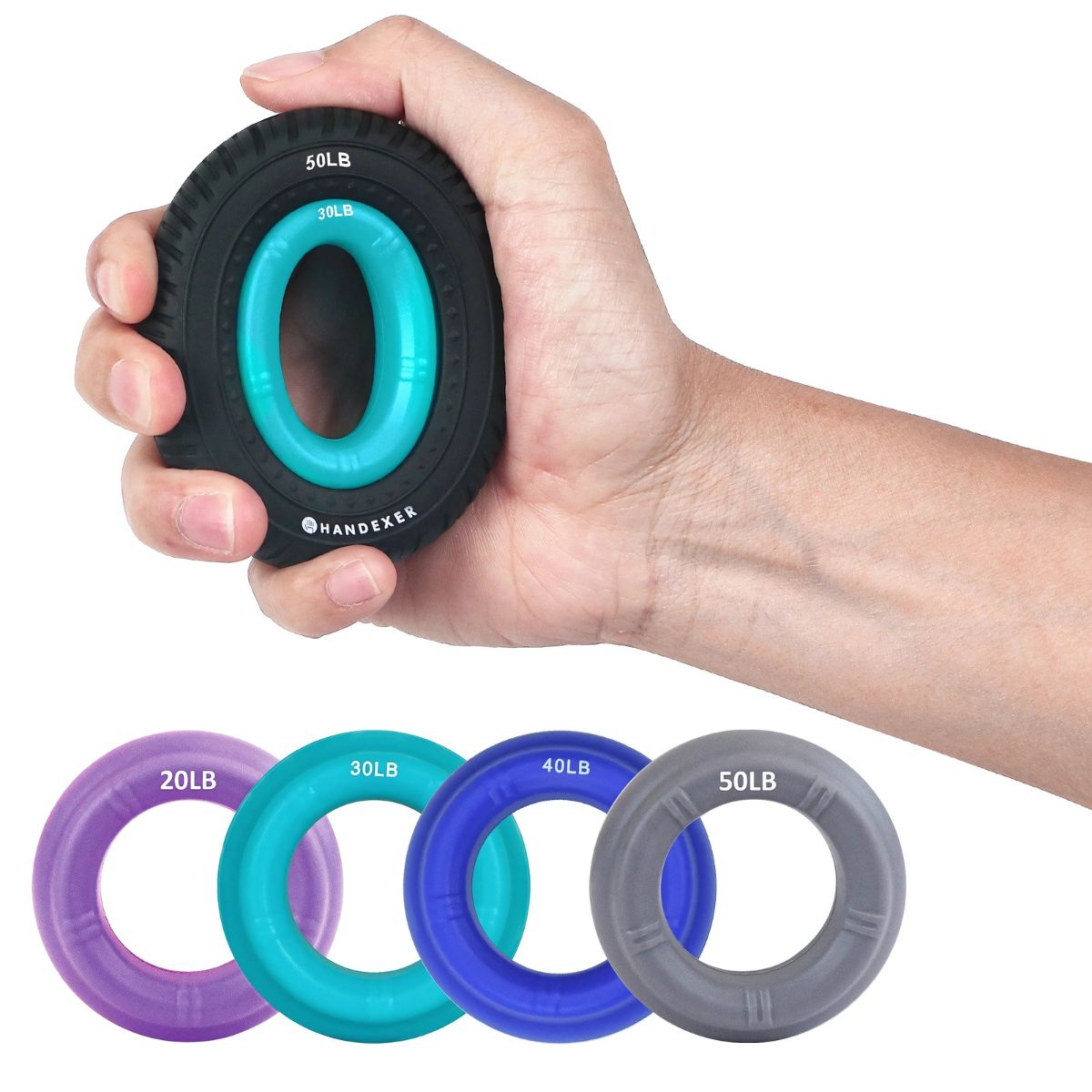
Pain-Free Grip Holds: Gently squeeze a soft resistance ball or ring. Hold the squeeze for 10 seconds, then release slowly. Do this for 15 repetitions, staying below the threshold of pain.
Phase 2: Dynamic & Eccentric Strengthening
Once isometric holds feel comfortable, progress to movements that actively lengthen the tendon under load. This is known as eccentric exercise, and it is highly effective for tendinopathy.
-
Eccentric Wrist Drops: Hold a very light weight (1 to 2 pounds) with your palm facing down, forearm resting on a table, and hand hanging off the edge. Use your uninjured hand to lift the weight up into a flexed position. Then, remove the uninjured hand and slowly lower the weight using only the injured arm. Take 4 full seconds to lower it. Repeat for 3 sets of 15.
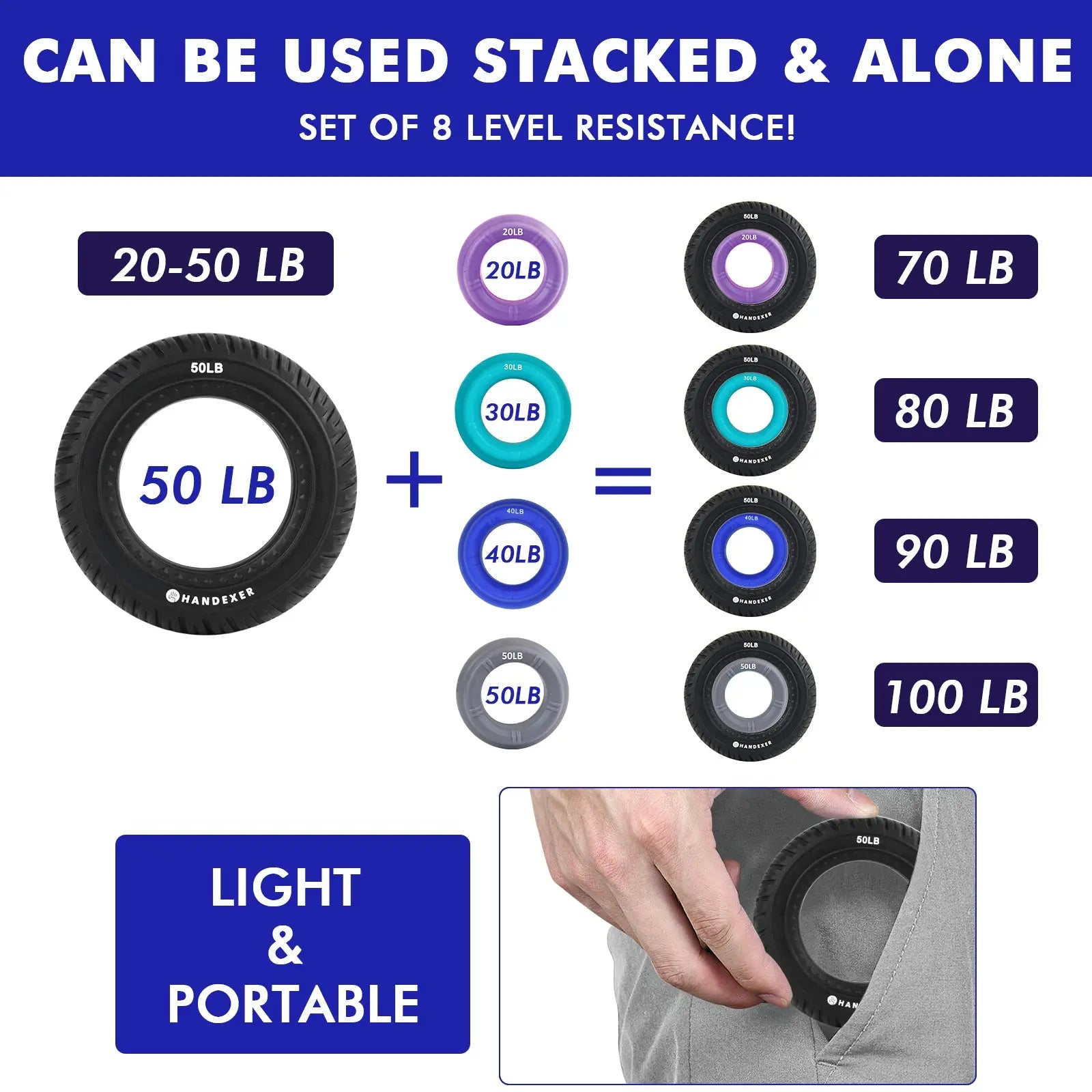
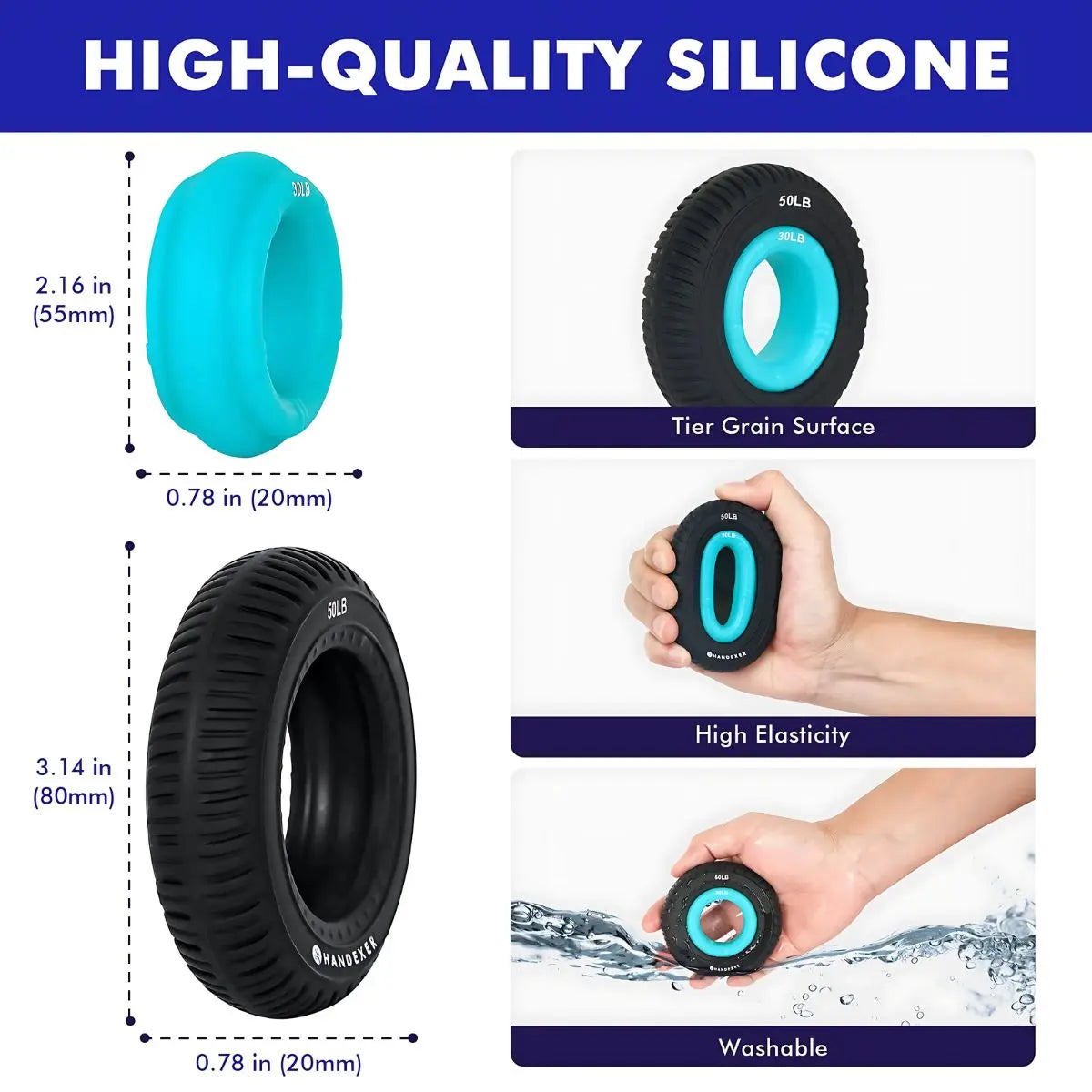
Using progressive hand training tools allows you to safely increase resistance micro-step by micro-step as your functional capacity improves.
Phase 3: Functional Training & Tracking Progress
As daily pain subsides, your goal shifts from rehabilitation to building resilience. This means incorporating movements that mirror your real-world activities.
Begin integrating multi-directional wrist exercises and dynamic grip training. More importantly, this is the phase where consistent tracking becomes your best tool against re-injury. Regularly testing your grip strength and comparing it to your baseline data ensures you are making tangible functional progress, not just experiencing a "good day."
Why You Are Not Improving (3 Real Reasons)
❌ Only reducing pain, not rebuilding capacity
❌ Returning to full activity too early
❌ Lack of structured progression system
👉 Result: symptom suppression, not true recovery
The Smarter Way to Recover: Assess → Train → Track
Most people recover blindly.A better approach is a system: Assess → Train → Track
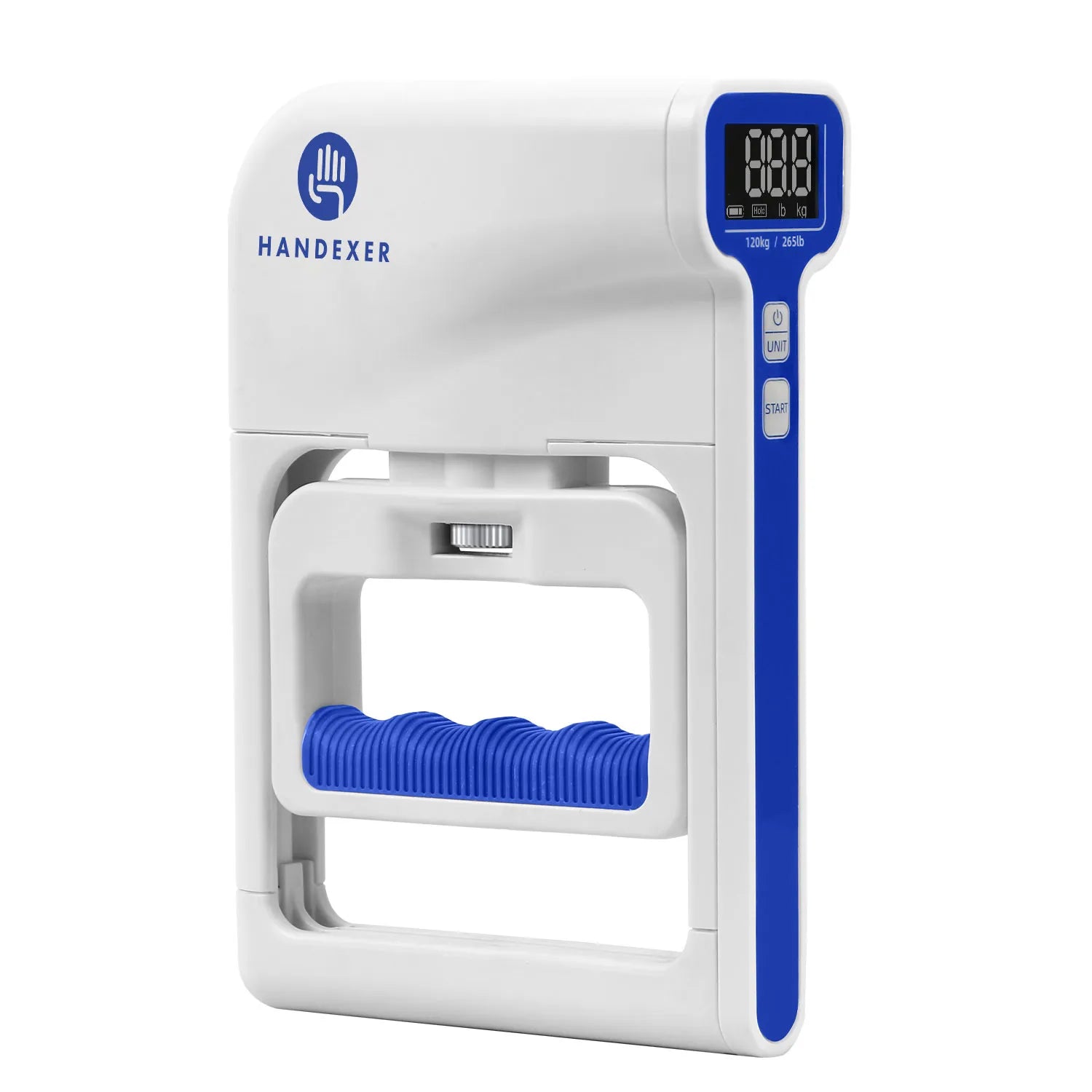
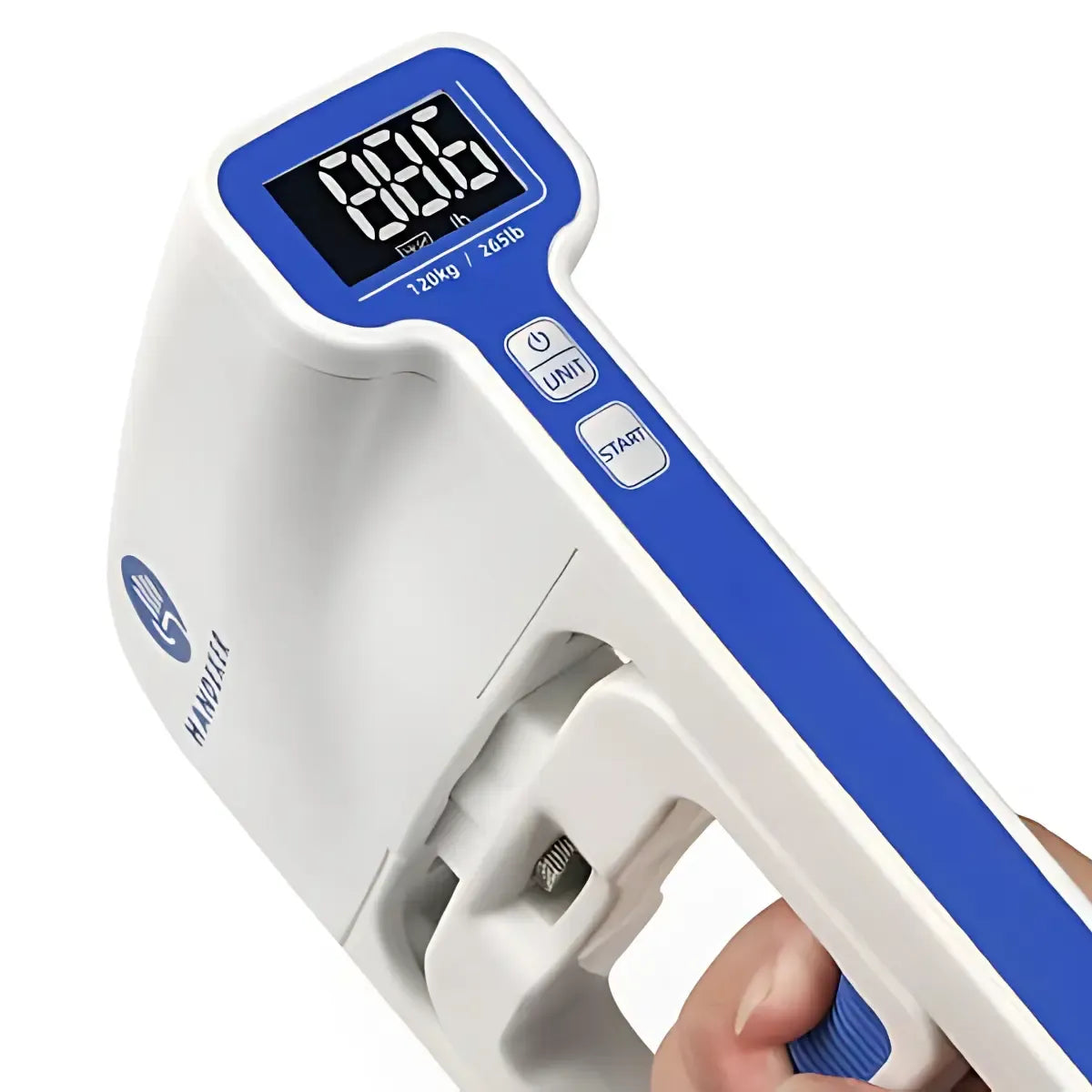
This is the foundation behind Handexer:
- Measure your baseline
- Train with progressive resistance
- Track measurable improvement
👉 This turns recovery into a clear, controlled process—not guesswork.
FAQ
1.How long does it take to fix tennis elbow?
Recovery timelines vary based on the severity of the tendon degradation, but most individuals who follow a consistent, progressive loading program see significant functional improvement within 6 to 12 weeks.
2.Should I completely stop using my arm if I have tennis elbow?
No. While you should avoid the specific high-intensity activities that trigger sharp pain, complete rest actually weakens tendons further. Controlled, pain-free loading is required to stimulate tendon repair.
3.Can I cure tennis elbow just by doing grip exercises?
Grip exercises are a crucial part of the puzzle, but they must be combined with eccentric wrist extensions and proper load management. Using a structured system that assesses your capacity and guides your training yields the best long-term results.
4.Why does my tennis elbow keep coming back?
Relapses occur when you reduce the physical load to eliminate pain, but fail to increase the tendon's capacity through strengthening. Once you return to your normal routine, the weak tendon simply becomes overloaded again.






Share:
Recover Hand Function After Stroke at Home: A Practical, Step-by-Step Recovery Guide
Gaming Hand Pain Recovery: Guide to Fix Wrist & Hand Pain from Gaming