
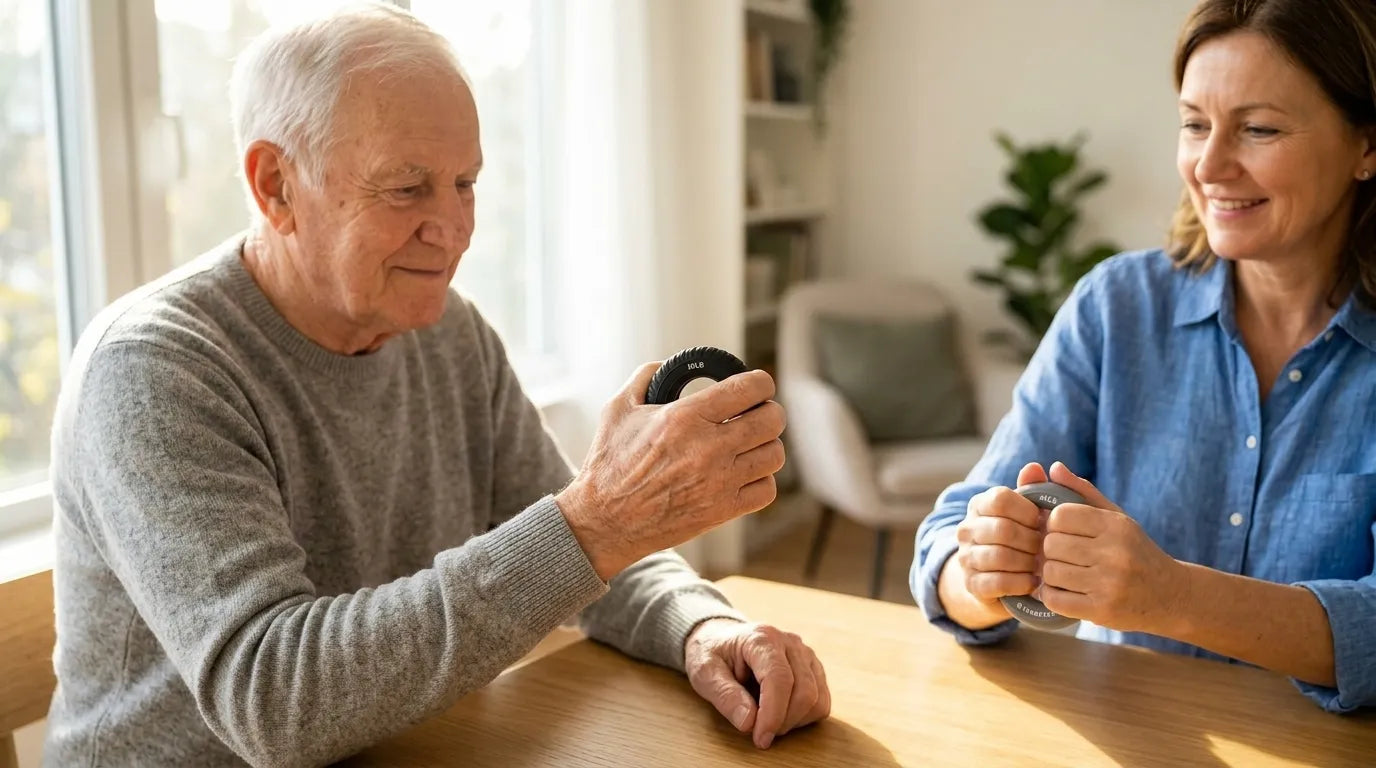
Many people, when they hear “strength training,” may imagine heavy lifting in a gym. But for middle-aged and older adults, there is actually a simpler, safer, and almost always accessible method—grip training at home for seniors.
Do not underestimate the simple action of squeezing and gripping. Over time, regular hand strengthening exercises may have a deeper impact on the body than expected.
Grip Strength Training as a Key Indicator of Healthy Aging
In medical research, grip strength levels and hand function are often used as indicators of overall health in aging populations.
The reason is straightforward:
- It reflects overall muscle condition and functional aging level
- It is closely related to nervous system control ability and reaction speed
- It is associated with circulatory function and cardiovascular health
A large body of aging research shows that lower grip strength is associated with higher risks of disability, falls, and functional decline.
👉 In simple terms: hand strength is not just about the hands—it is a window into healthy aging.
Five Core Grip Strength Training Benefits for Seniors
1. Improved daily living independence
One of the most common challenges in aging is reduced hand function—difficulty opening jars, carrying groceries, or holding tools.
With consistent grip strength training for seniors, hand muscles become stronger and more enduring, improving daily independence and reducing reliance on assistance.
2. Lower fall risk and better stability
Research shows that reduced hand strength is associated with higher fall risk in older adults.Stronger grip strength contributes to:
- Better upper-body stability
- Faster reaction when losing balance
- Improved coordination and neuromuscular control
👉 This makes grip strength training not just about hands—but about whole-body safety and fall prevention.
3. Improved blood circulation and hand comfort
Grip and release movements act like a natural “muscle pump,” helping:
- Improve blood flow in hands and fingers
- Reduce cold hands and numbness
- Support peripheral circulation in aging adults
This benefit is especially noticeable in colder climates or for individuals with poor circulation.
4. Slowing age-related muscle loss (sarcopenia)
As we age, muscle mass naturally declines (a process known as sarcopenia).Regular hand strengthening routines include:
- Maintaining forearm and hand muscle activity
- Supporting neuromuscular connection
- Slowing down functional decline caused by inactivity
Even short daily sessions can help maintain long-term hand function.
5. Improved confidence and mental well-being
Physical decline often affects emotional health.Many seniors report that grip training helps them:
- Feel more physically capable
- Regain confidence in daily tasks
- Reduce anxiety about aging and weakness
👉 Small improvements in strength often create a strong psychological shift: “I am still improving.”
Simple Grip Strength Training Methods Suitable for Middle-Aged and Older Adults
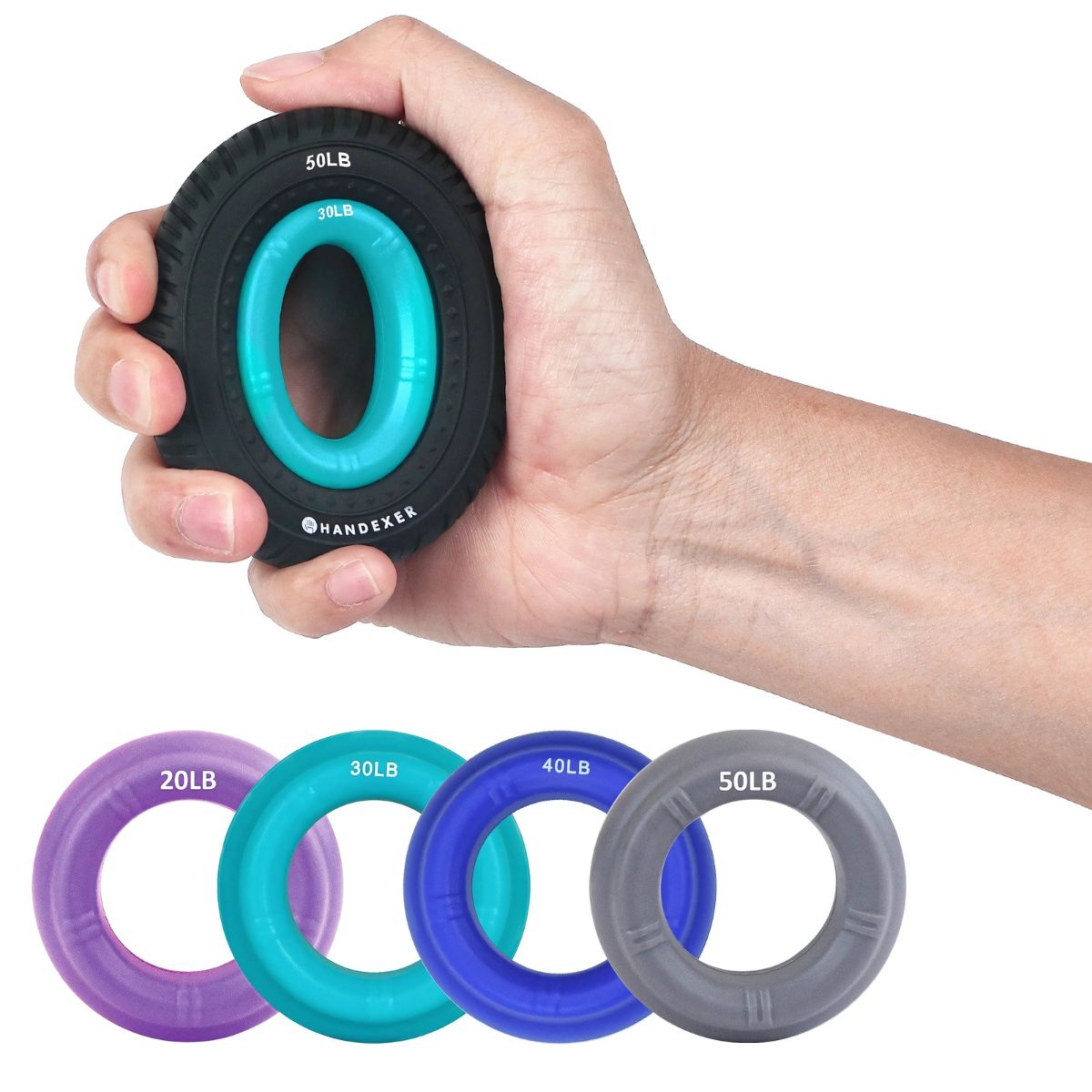
No special equipment is required. Common methods include towel wringing, using a grip ring or stress ball for repeated squeezing, carrying objects with controlled effort, and assisted hanging exercises (for more advanced individuals with safety considerations). The key is not intensity, but consistency over time.
Important Precautions
- Do not overexert to the point of pain
- People with severe arthritis or cardiovascular conditions should consult a doctor first
- Training should aim for mild fatigue, not pain
- Consistency is more important than intensity
Father’s Day Special Reminder | Choosing a Grip Strength Assessment and Training Set for Family or Yourself
Many times, gifts we give to fathers or husbands are tea, supplements, or clothing. But what truly brings long-term benefit is tools and habits that improve physical strength and health.This Father’s Day, you may consider a more practical choice
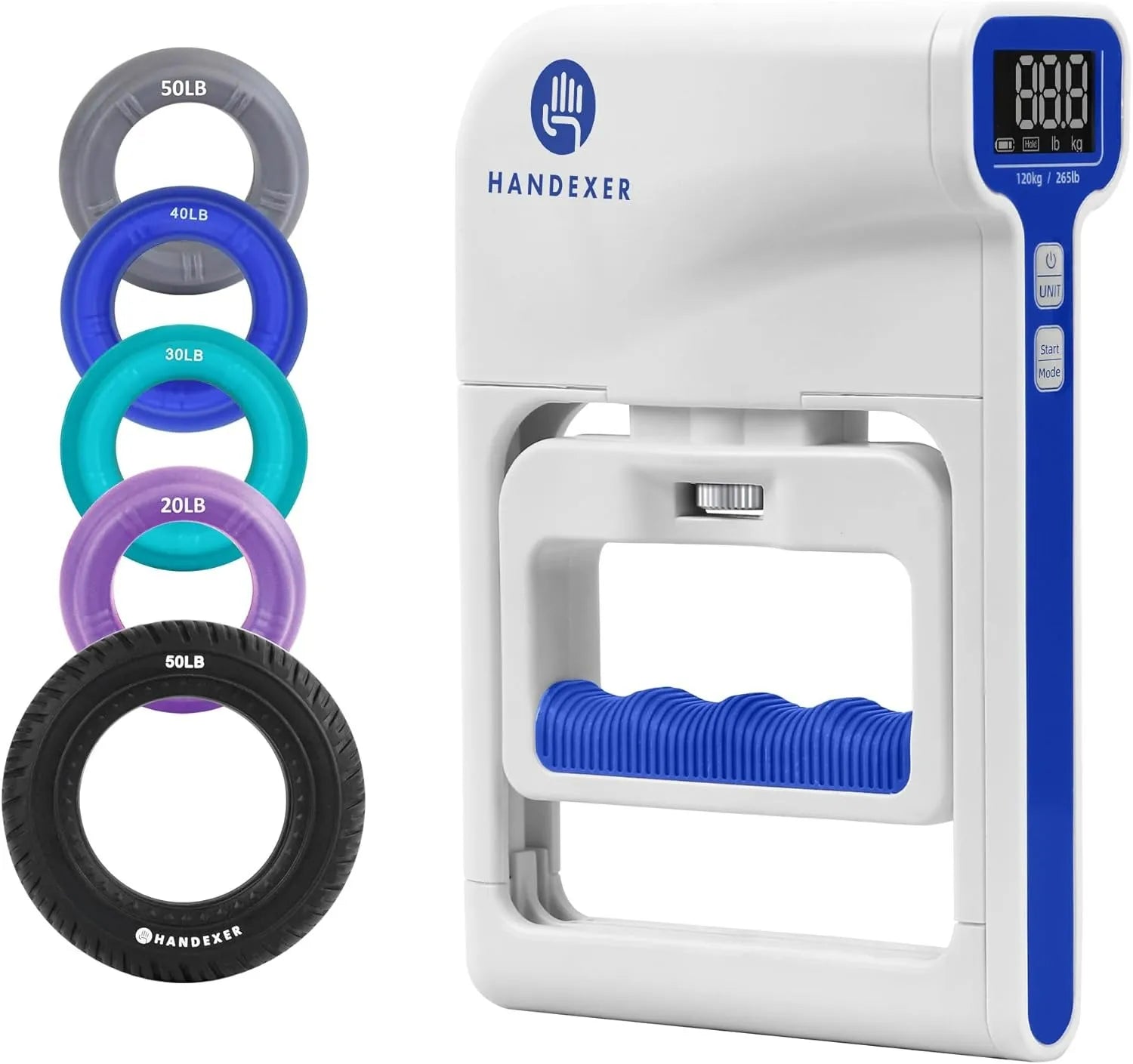
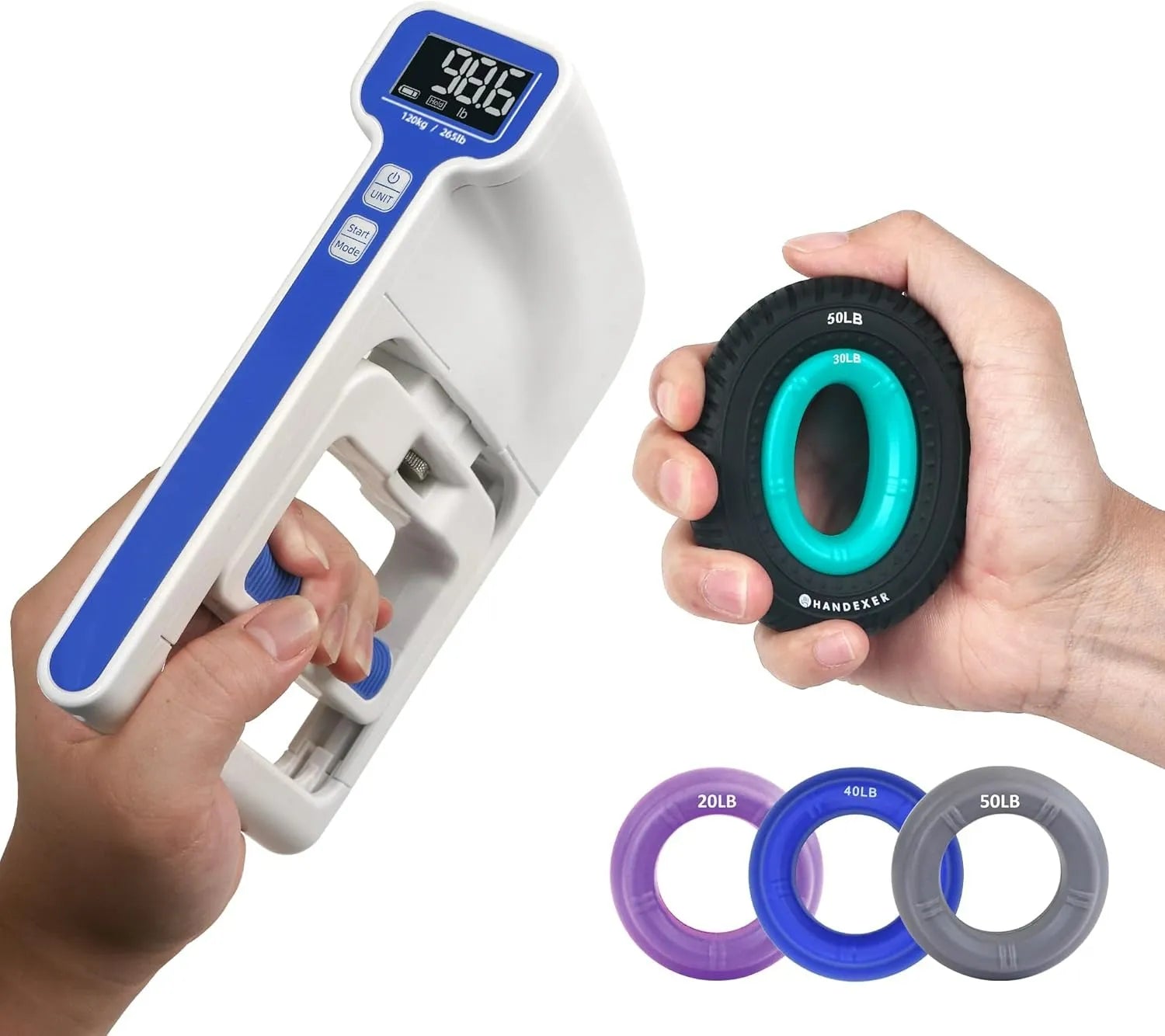
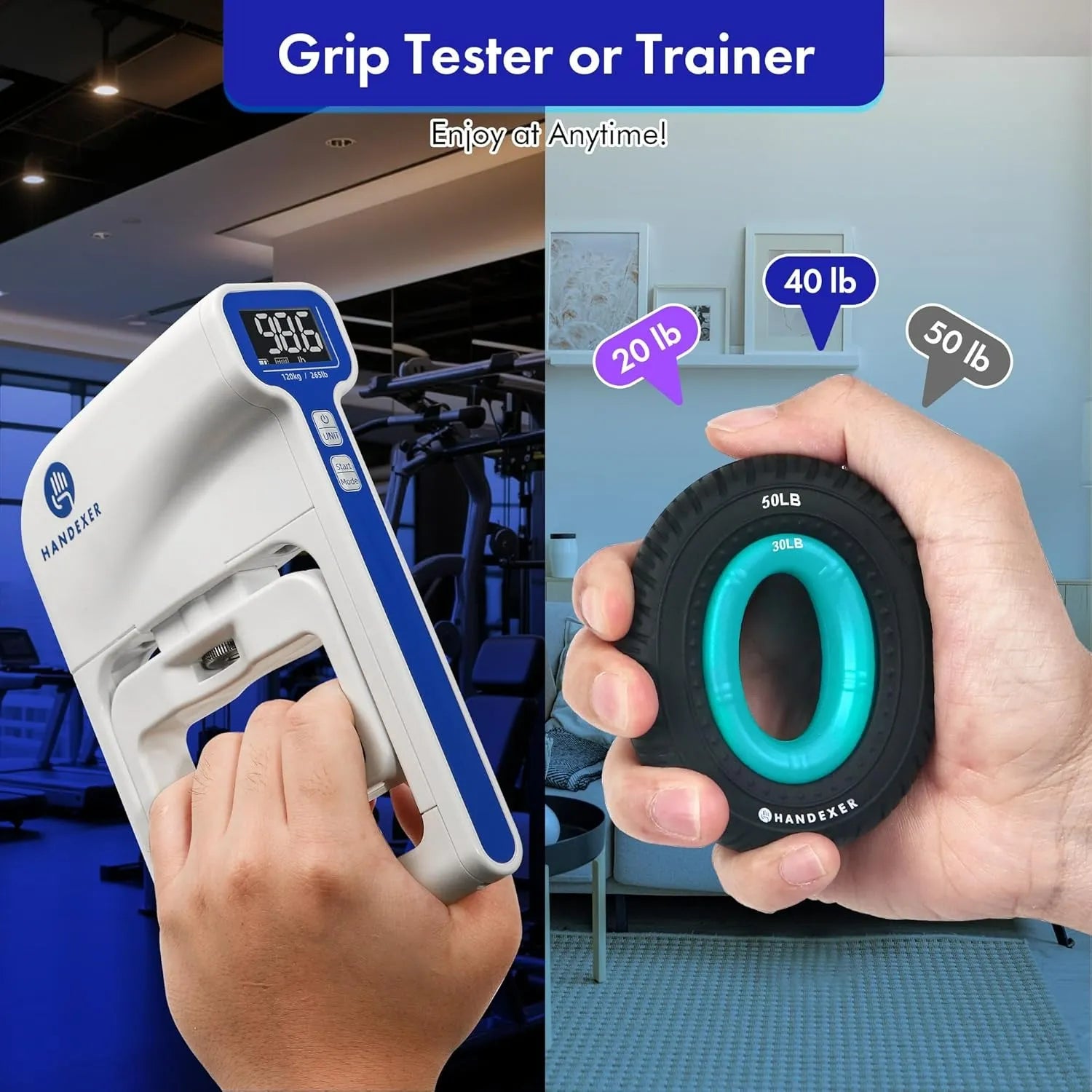
🎁 Grip Strength Assessment + Training Kit (Limited Father’s Day Offer)
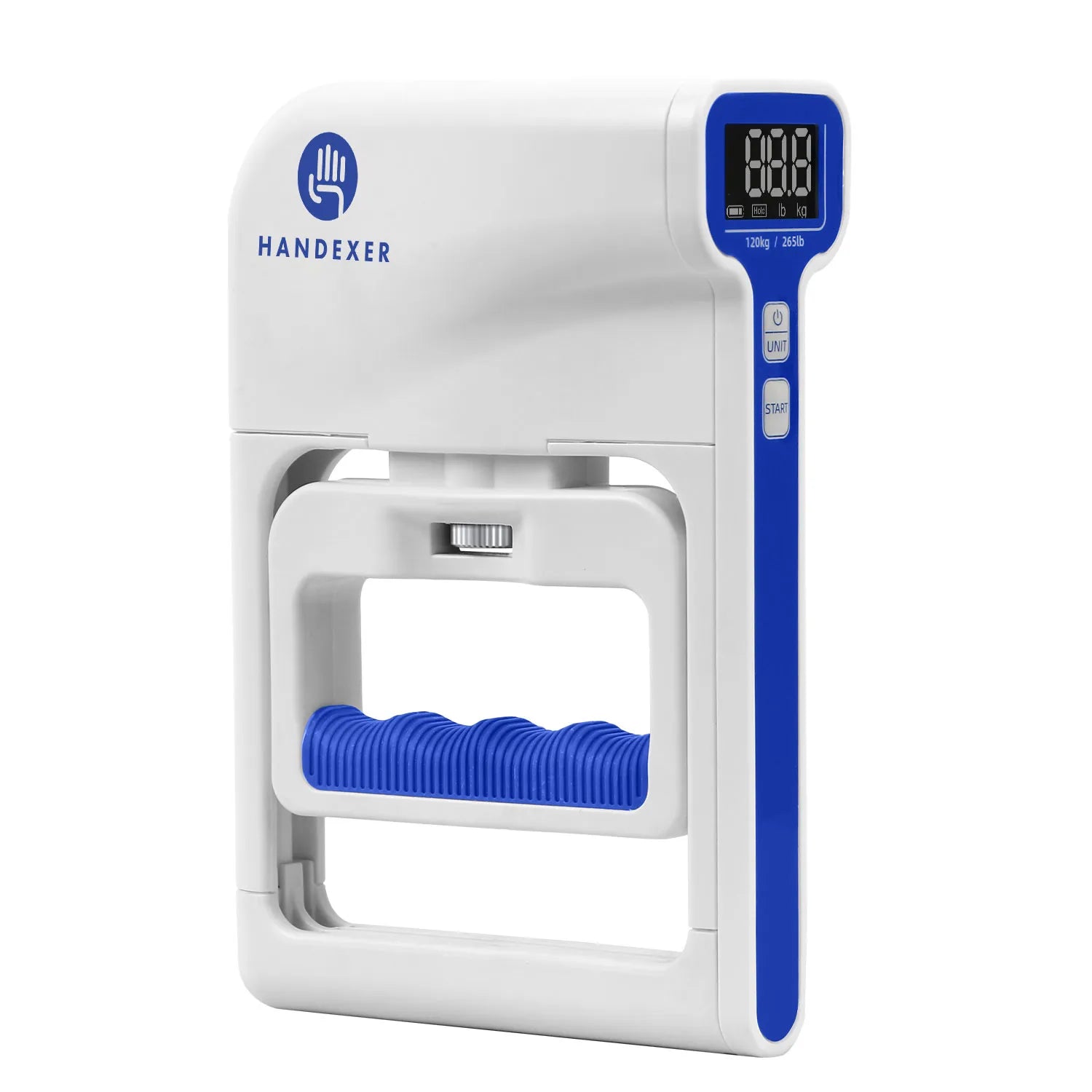
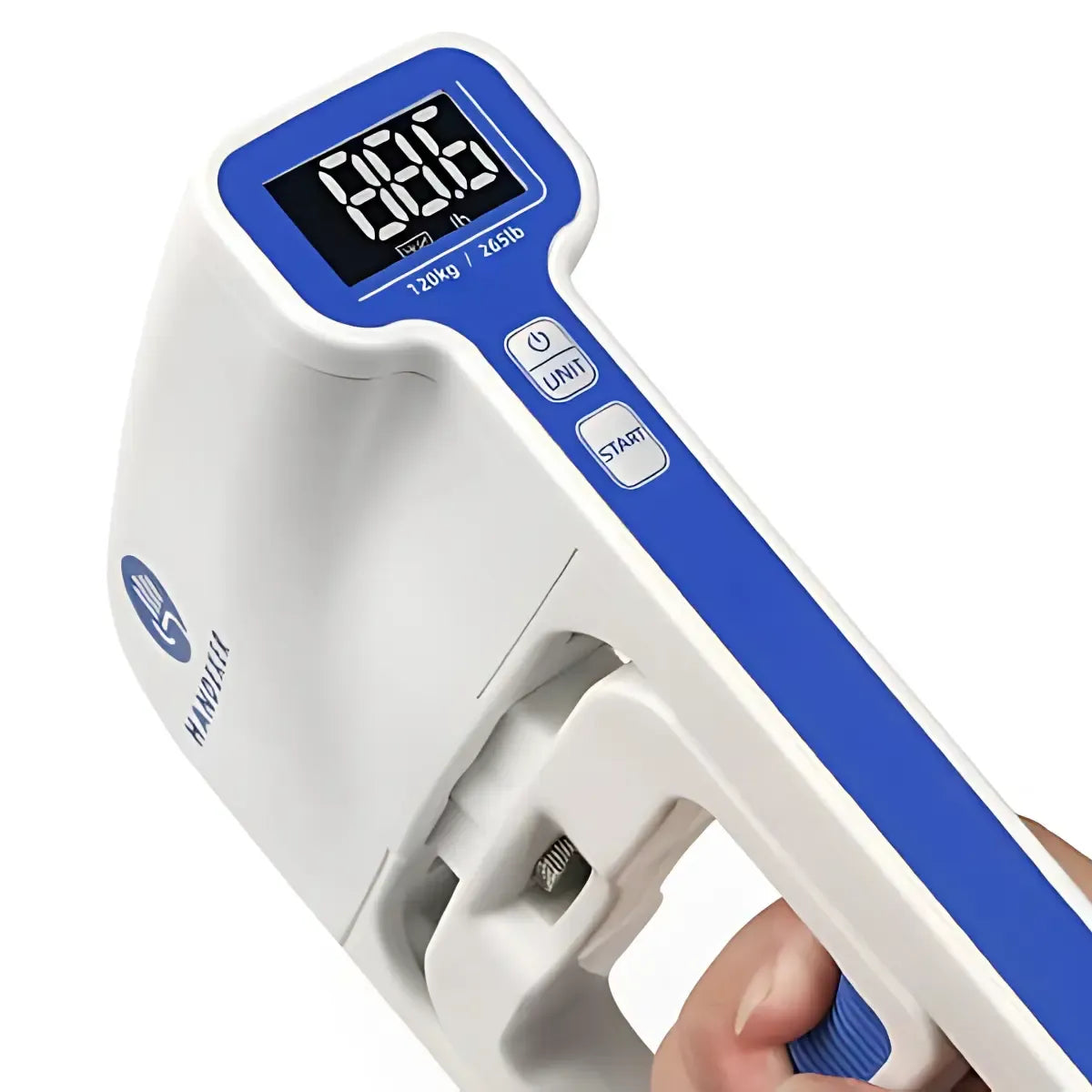
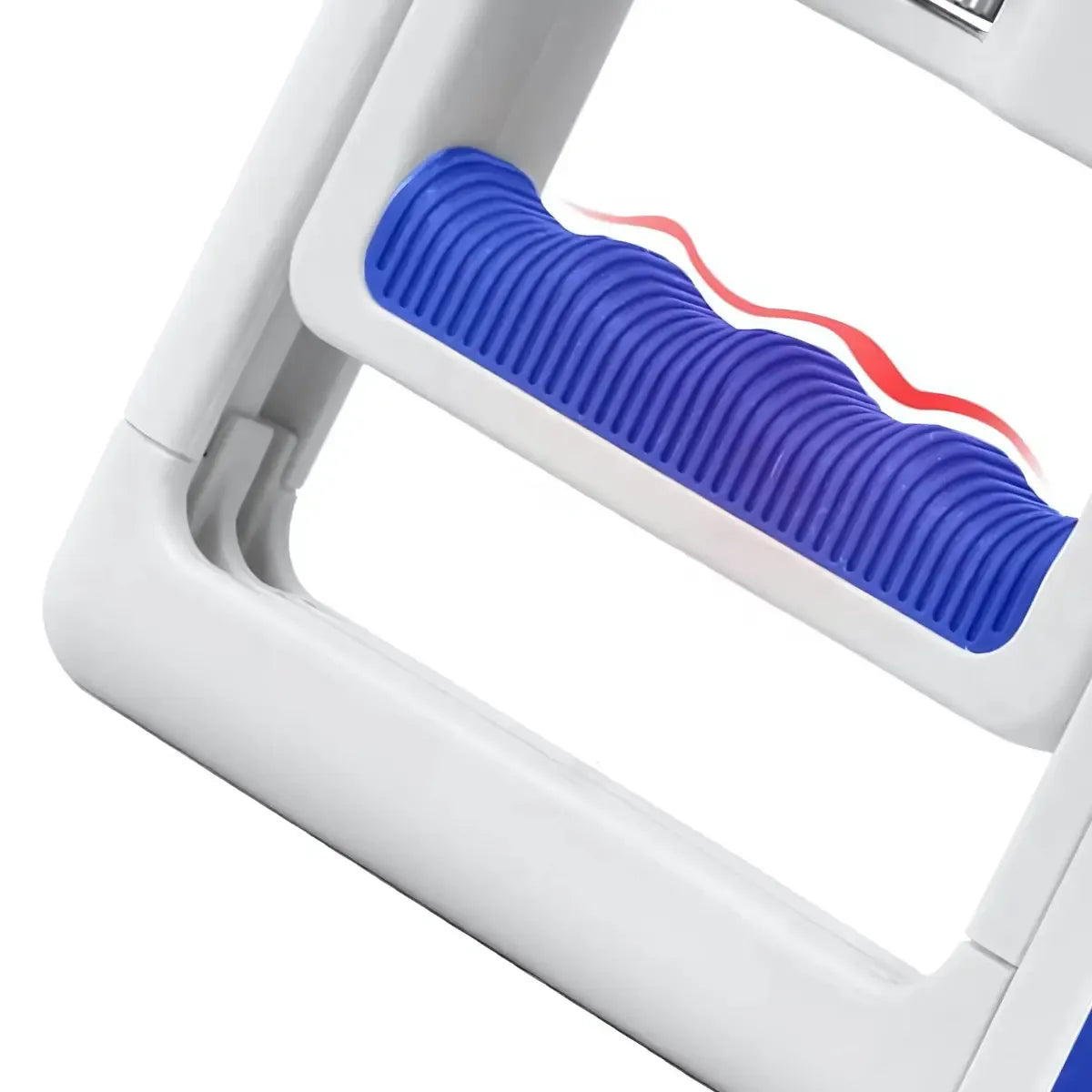
A complete grip training system usually includes:
- Grip strength assessment tool (to understand current strength level)
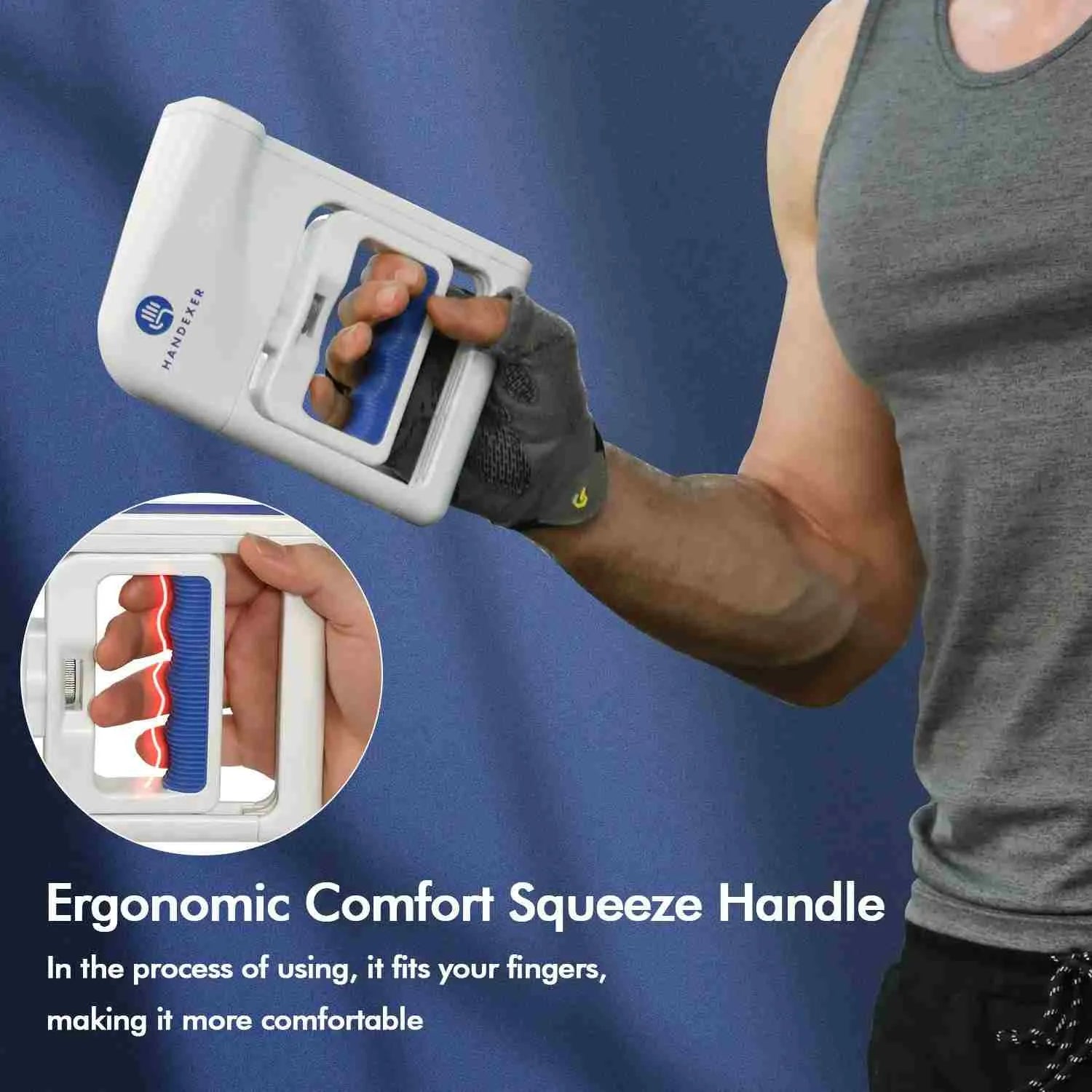
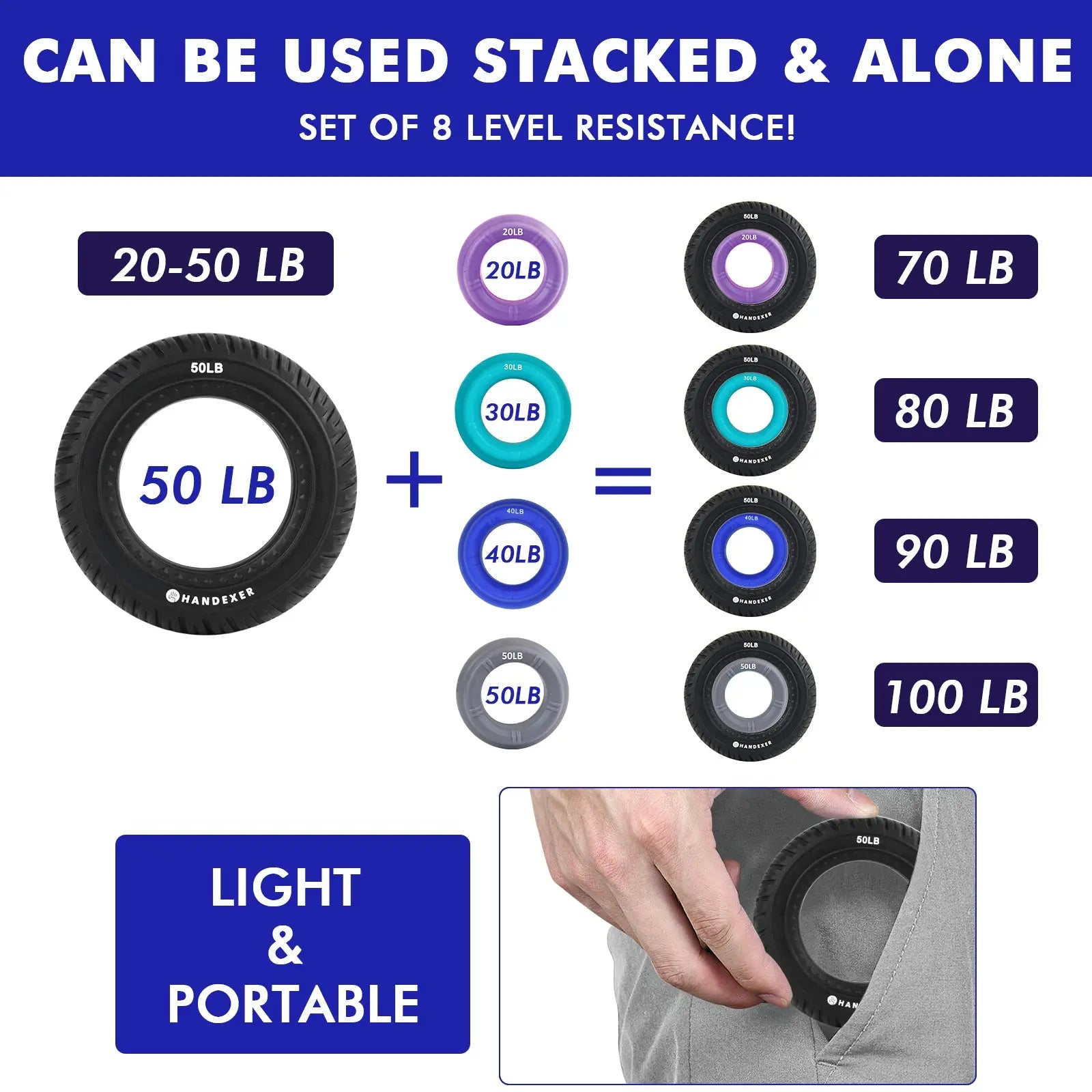
- Adjustable grip training tool (for progressive training)
It is not only fitness equipment, but more like a daily functional health system.
⏰ Father’s Day Limited-Time Reminder
Now is a good time to consider it:
- Use one set of tools to start long-term health management
- Give it to your father so he has a small daily “strength-building habit”
- Or use it for yourself to gradually improve physical condition
Do not wait until hand strength declines before realizing its importance.
👉 If you are hesitating, you may treat this as a starting point:This Father’s Day, use a grip strength training set to exchange for a stronger future.
FAQ
Q1: Is grip strength training safe for middle-aged and older adults? Will it hurt the hands?
It is generally safe when performed with appropriate intensity. The key is to train until mild fatigue rather than pain or numbness, and to avoid excessive force or overtraining.
Q2: How long does it take to see results from grip strength training?
Some people may notice initial changes within 1–2 weeks, such as feeling slightly stronger. After 3–4 weeks, daily tasks may feel easier, and more stable improvements are typically observed after around 8 weeks or longer. However, results vary among individuals, and consistency is the most important factor.
Q3: Can people with arthritis in the fingers or joints still train?
Yes, but it should be done carefully by using low resistance, avoiding excessive squeezing, stopping immediately if pain occurs, and consulting a doctor or rehabilitation specialist when necessary to ensure safety.
Q4: Can grip strength training replace gym workouts?
No, it cannot fully replace general full-body exercise. It is better understood as a basic functional training method that supports daily maintenance, rehabilitation, and upper-limb strength, and it works best when combined with activities such as walking or light resistance training.
Q5: How long should each training session be?
Each session is generally recommended to last about 5–10 minutes, performed 1–2 times per day. The most important factor is consistent practice rather than the duration of each session.







Share:
Practical Father’s Day: Giving the Gift of Independence and Function (Budget $50–$200)
Climbing Finger Strength Training Guide: Injury Prevention, Recovery & Performance