
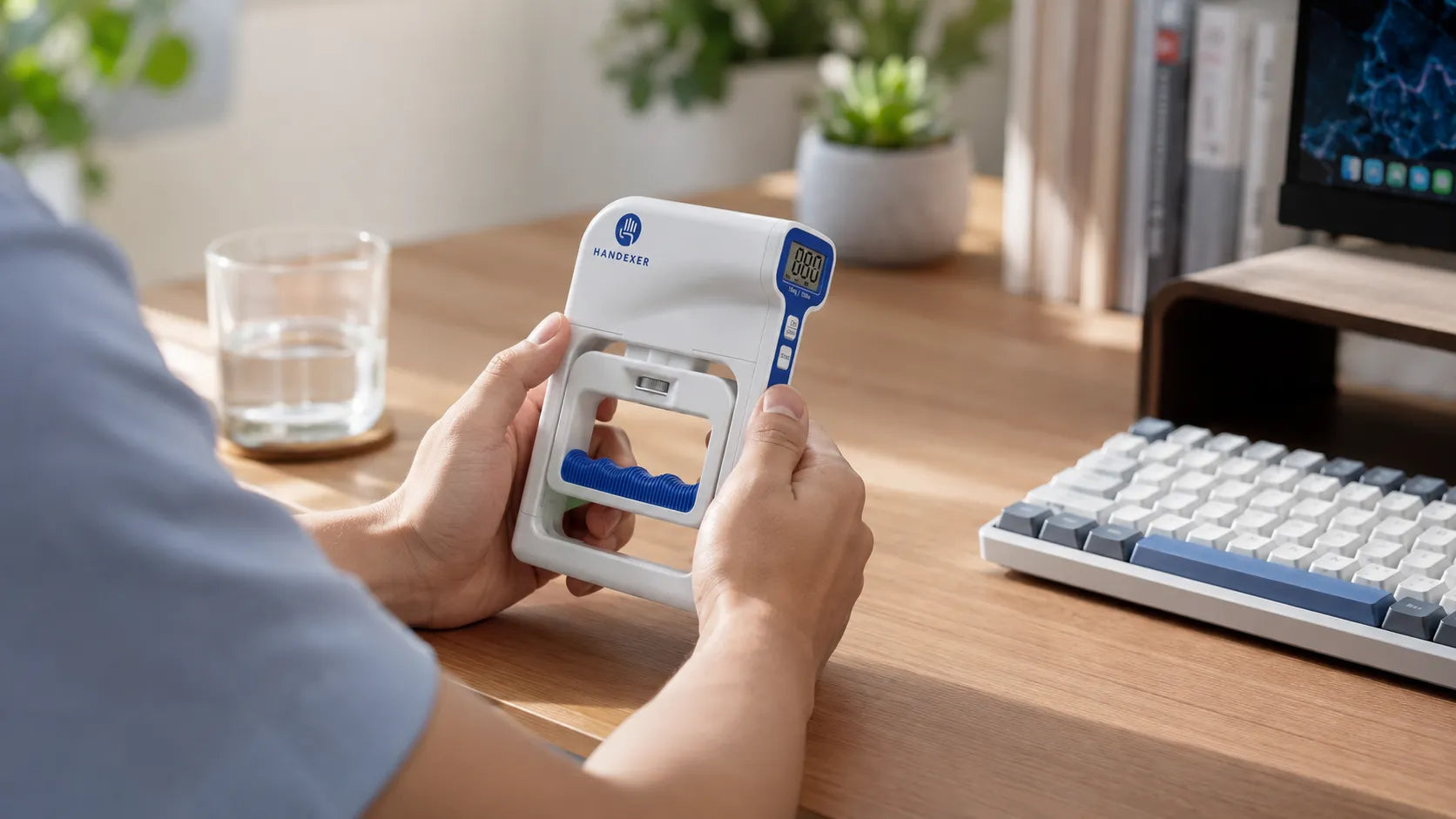
If you spend long hours gaming or working at a desk, wrist pain, hand fatigue, or forearm tightness is very common.
In clinical settings, this is often labeled as “Carpal Tunnel Syndrome,” with advice to rest, wear a brace, and avoid activity. However, esports rehab specialists note that true Carpal Tunnel Syndrome accounts for less than 1% of gaming-related hand pain. Most cases are actually tendinopathy—overuse and irritation of the tendons rather than nerve compression.
The key issue is that tendon-related conditions require load management and progressive rehabilitation, not just rest or pushing through pain.
Instead of simply stopping activity or continuing to play through discomfort, a structured, functional recovery approach is needed to gradually rebuild capacity and tolerance.
The "Hand Healthbar" Concept
To understand why your hands hurt, think of your muscles and tendons as having a "Healthbar" (HP).
Every time you tap a key, grip a mouse, or flick a controller, you use a tiny bit of that HP. High-intensity sessions—like a ranked match or a heavy programming sprint—drain your HP faster. When your Healthbar hits zero, your tissues become irritated, inflamed, and painful.
Taking a break from your computer allows your HP to slowly refill. This is why resting temporarily reduces pain. However, resting only restores your current HP; it does nothing to increase your maximum HP.
If your maximum tissue capacity is low, your Healthbar will simply drain to zero again the next time you sit down to play.
Why "Just Resting" Makes Your Tendons Weaker
This is where traditional advice fails. When you completely rest an irritated tendon for weeks, it doesn't get stronger—it gets weaker.
Tendons require mechanical load to maintain their cellular structure. Research consistently shows that complete inactivity causes tendon degradation. When you rest too much, the maximum size of your Hand Healthbar actually shrinks. As a result, when you finally return to gaming, it takes even less time for the pain to return.
To achieve real hand recovery, you must shift your mindset. You cannot just avoid the damage; you have to actively build your tissue capacity so your hands can handle the demands of your lifestyle.
How to Rebuild Your Hand Health
Recovering from gaming hand pain requires transitioning from passive rest to active, measurable recovery. At Handexer, we believe that managing your hand function follows a clear path: Assess, Train, and Track.
1. Assess Your Baseline (Know Your Stats)
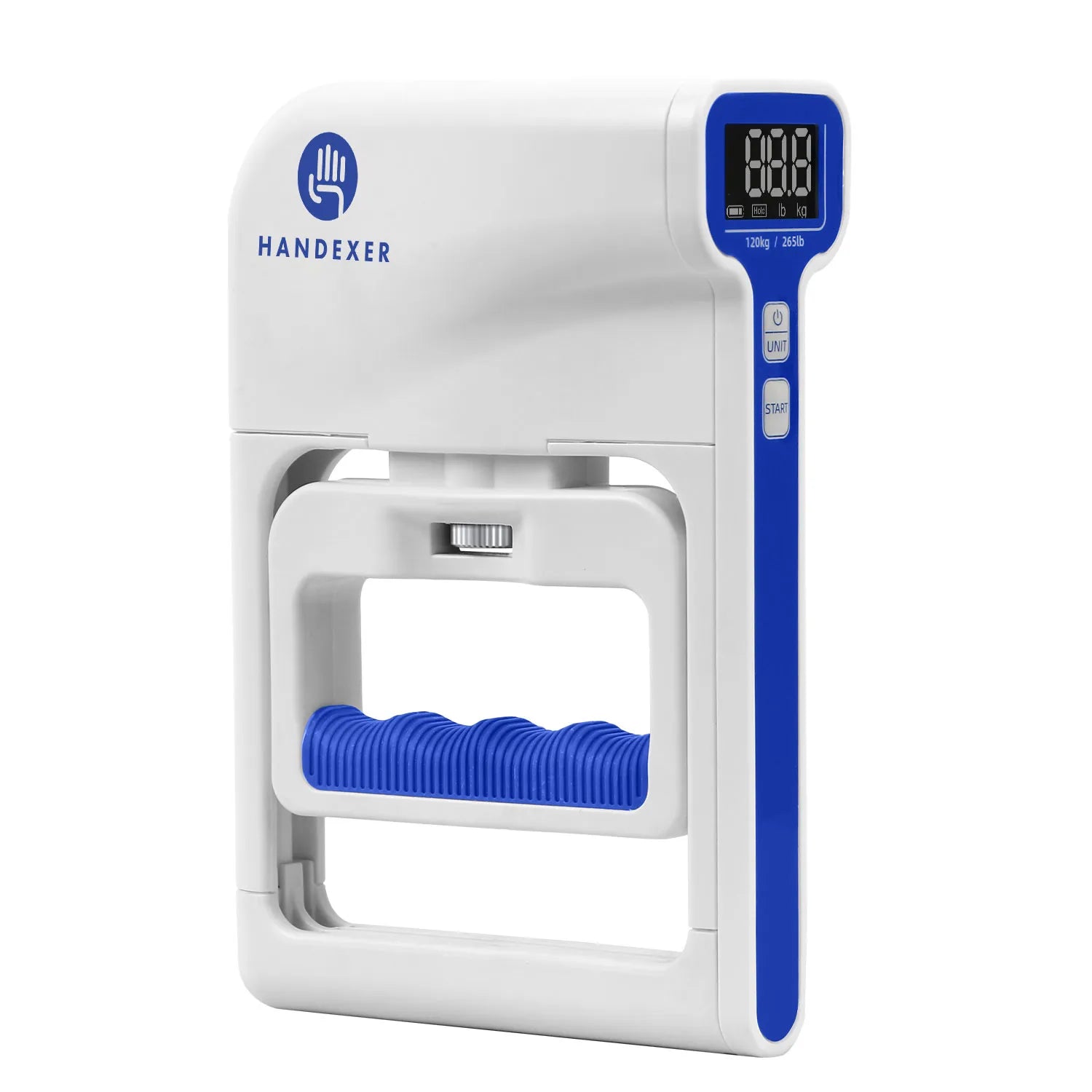
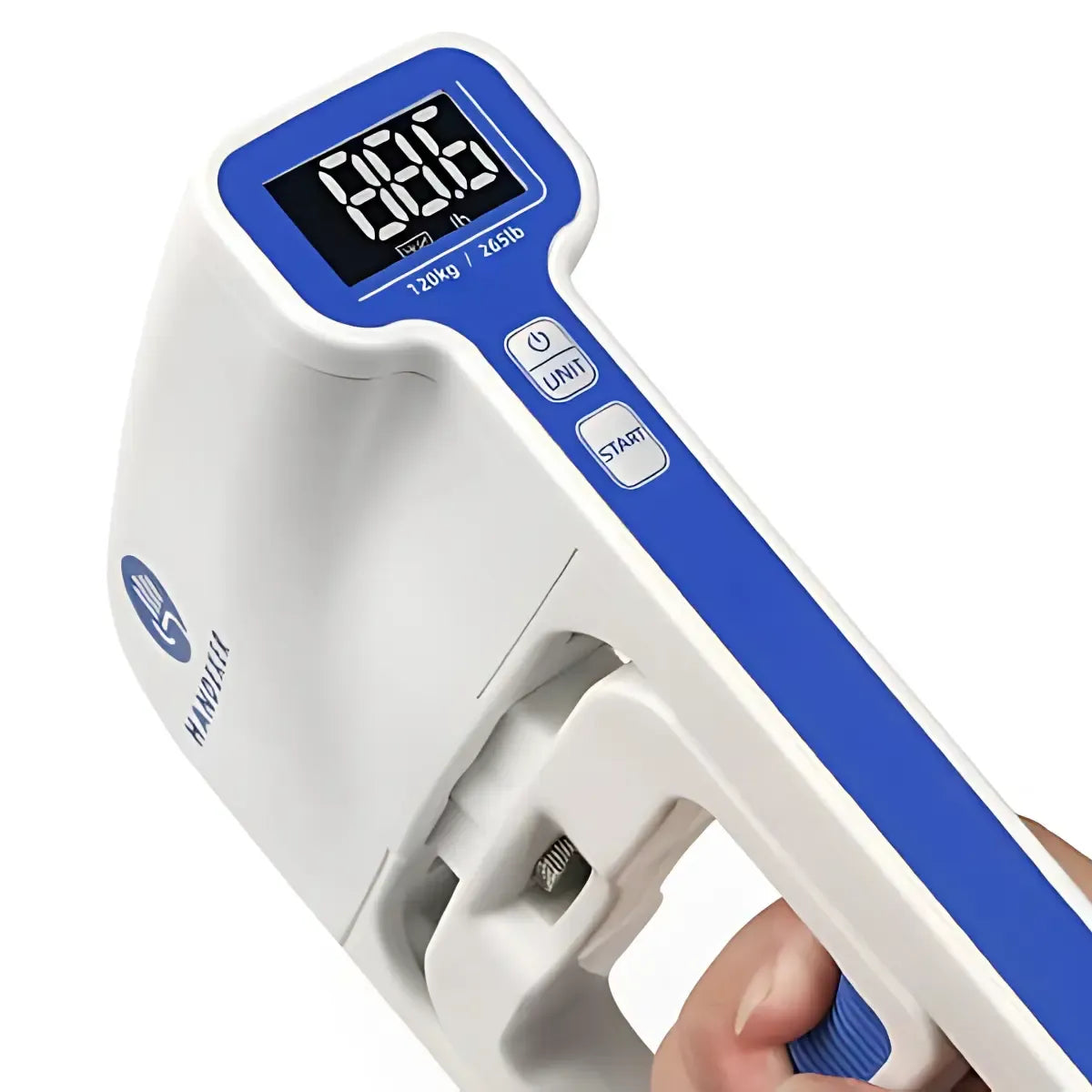
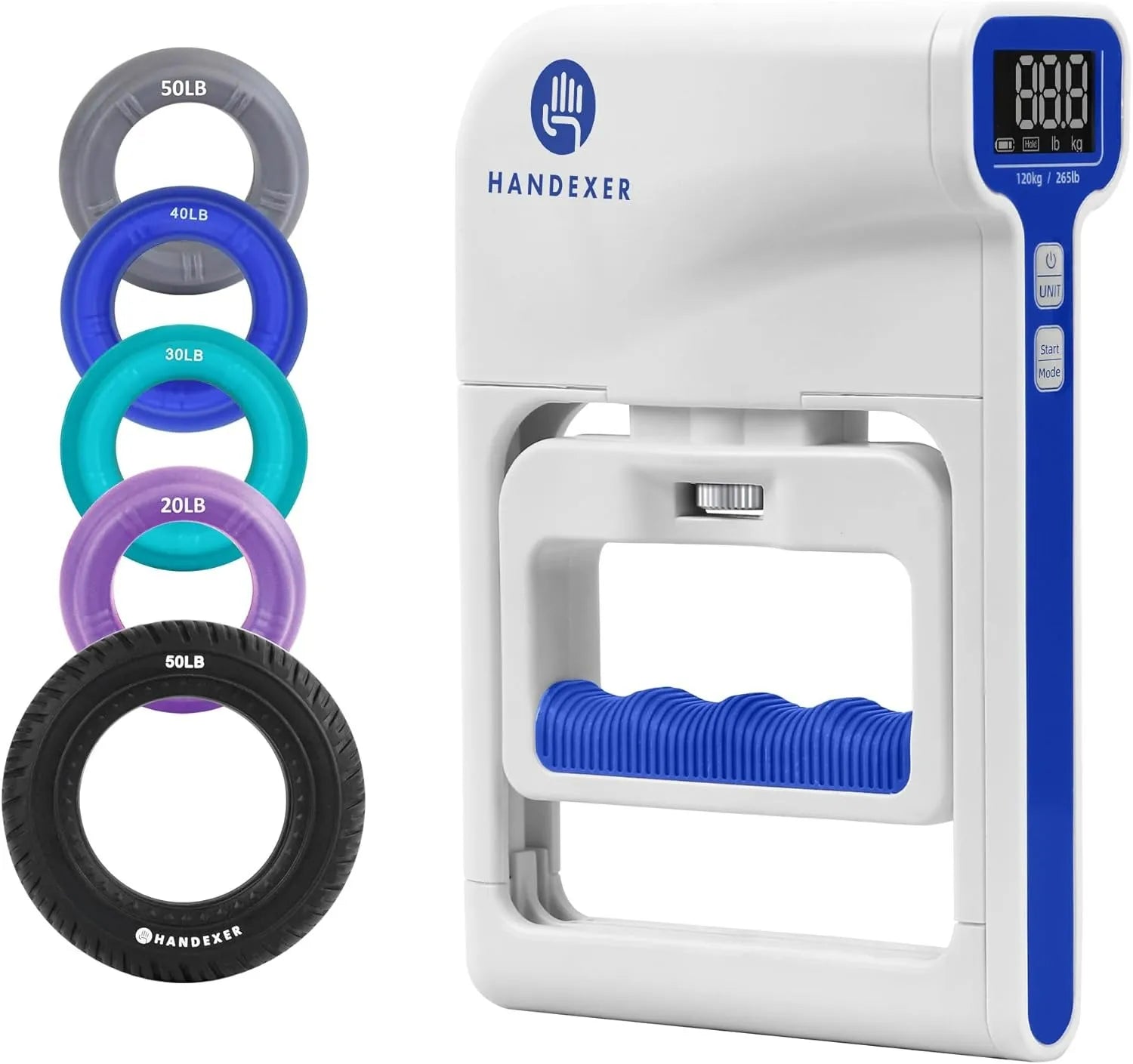
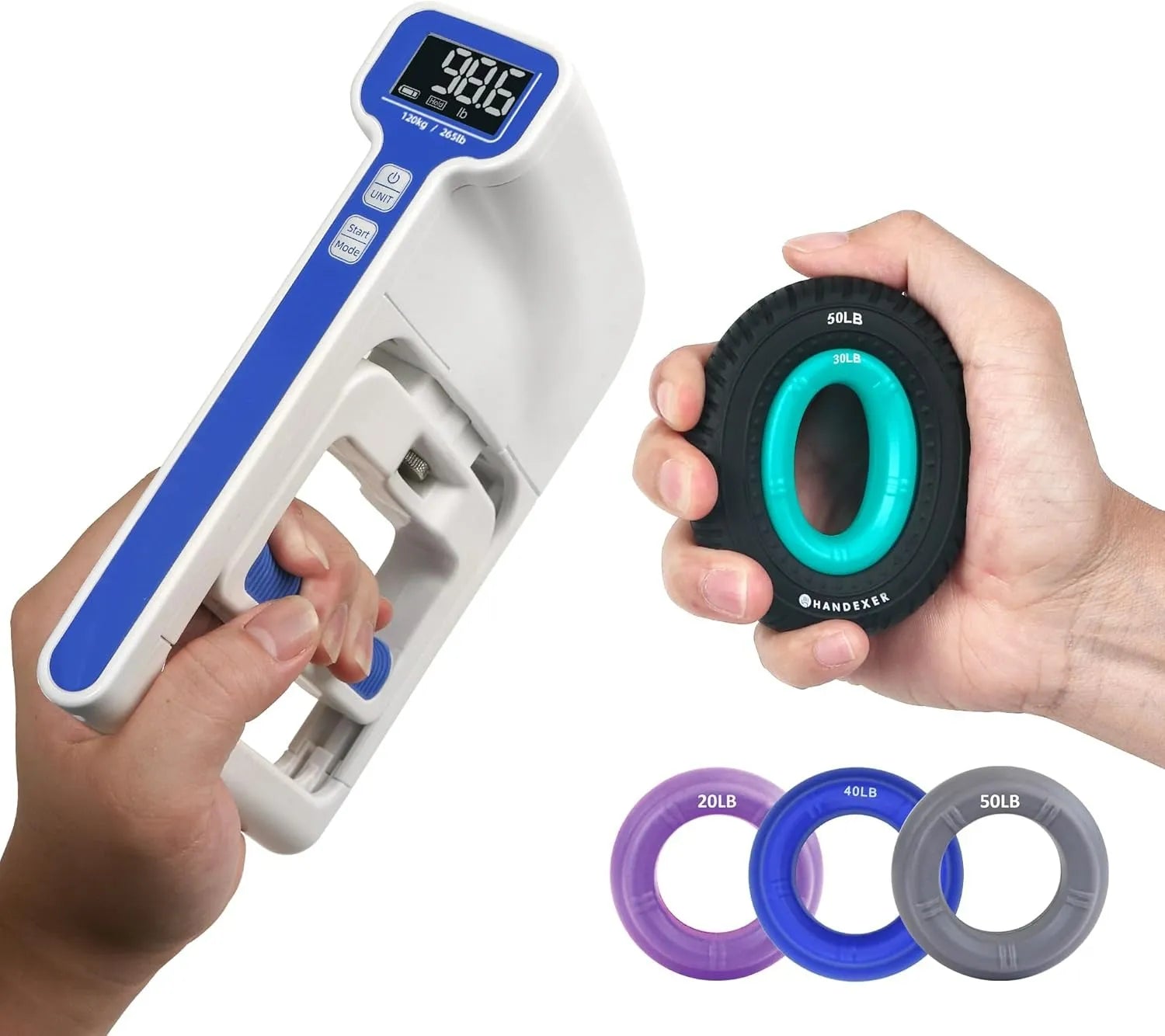
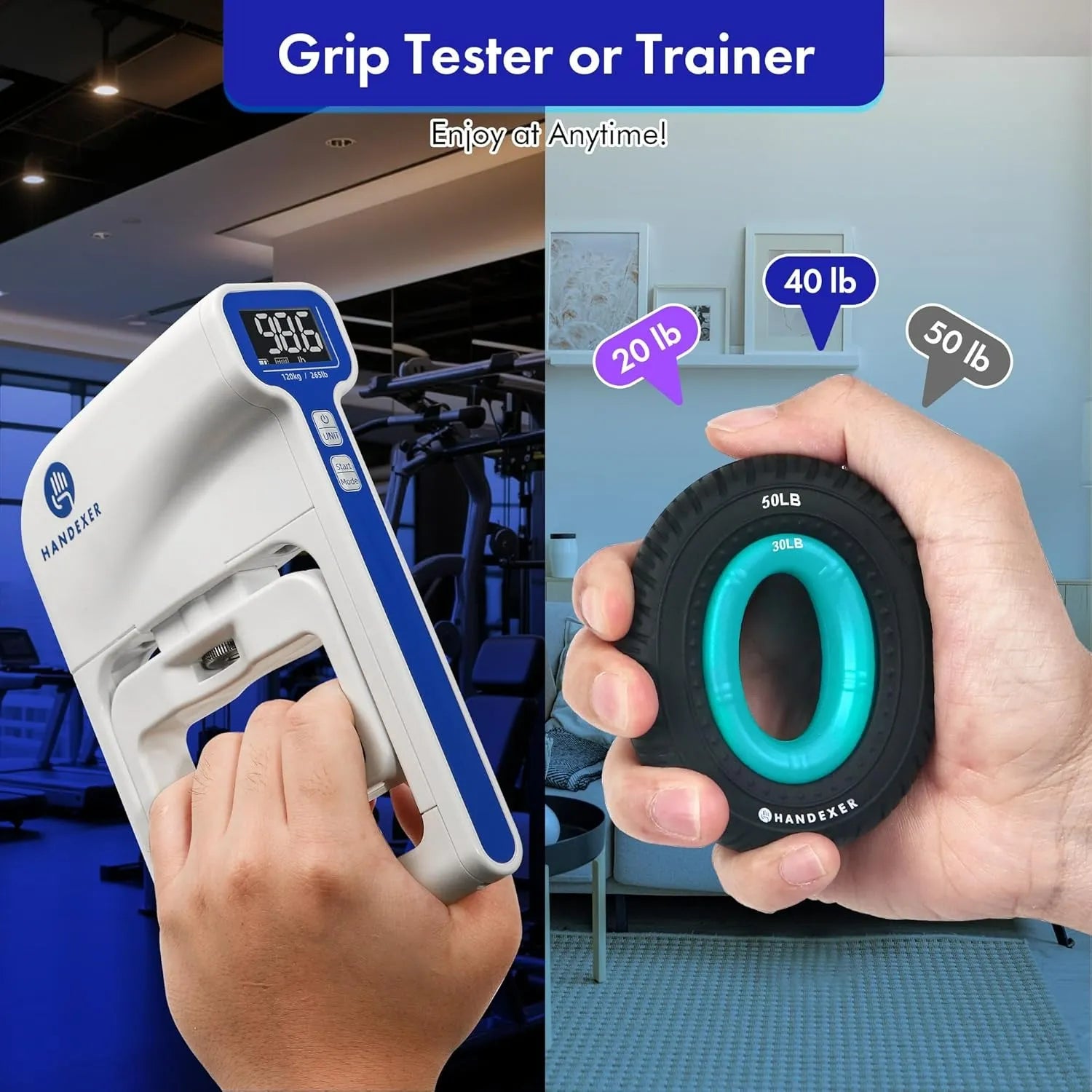
You cannot improve what you do not measure. Before starting any recovery program, you need to understand your current hand strength and function. Using precision digital hand assessment tools allows you to measure your grip strength and identify weaknesses or imbalances between your left and right hands. Knowing your baseline is the first step toward visible progress.
2. Train with Purpose
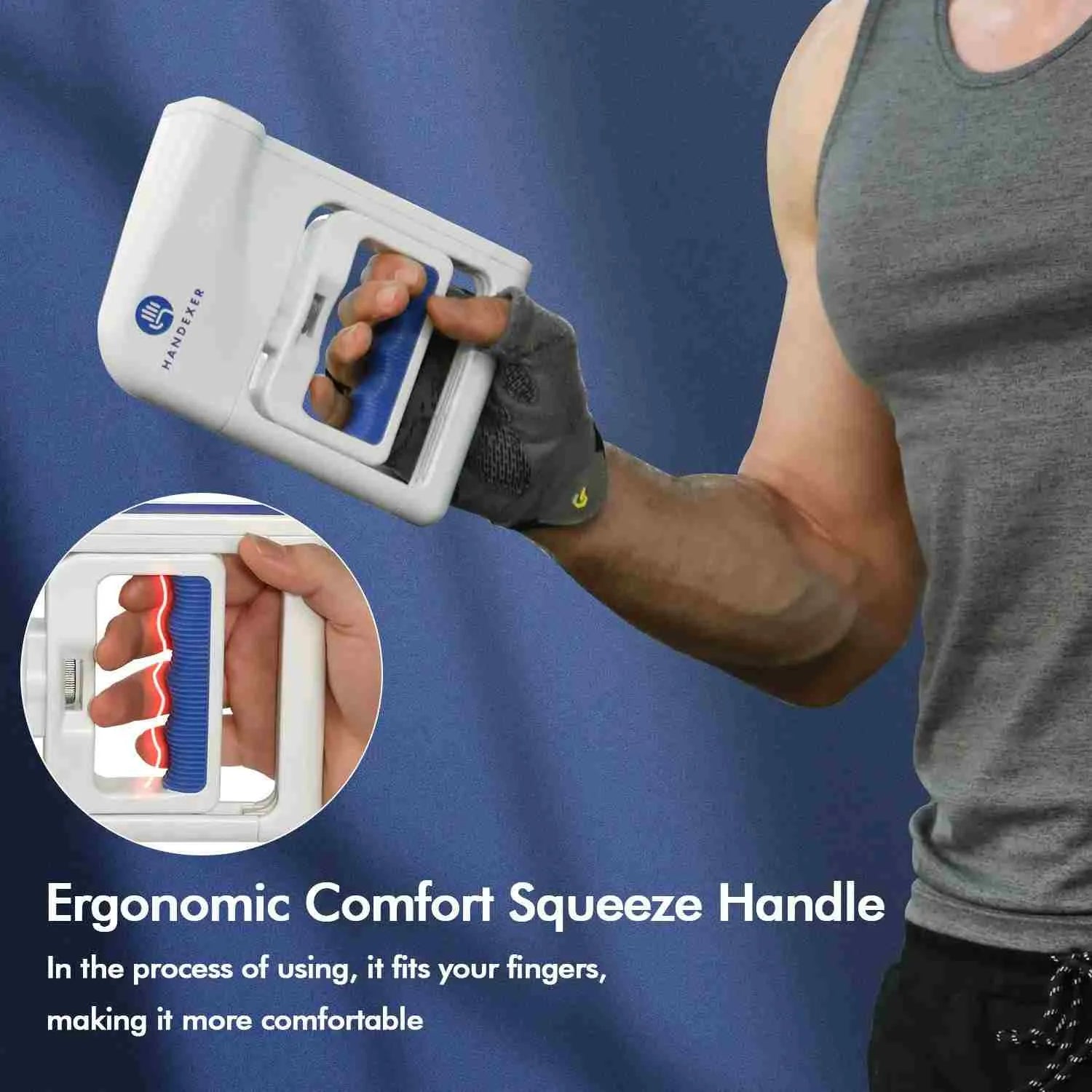
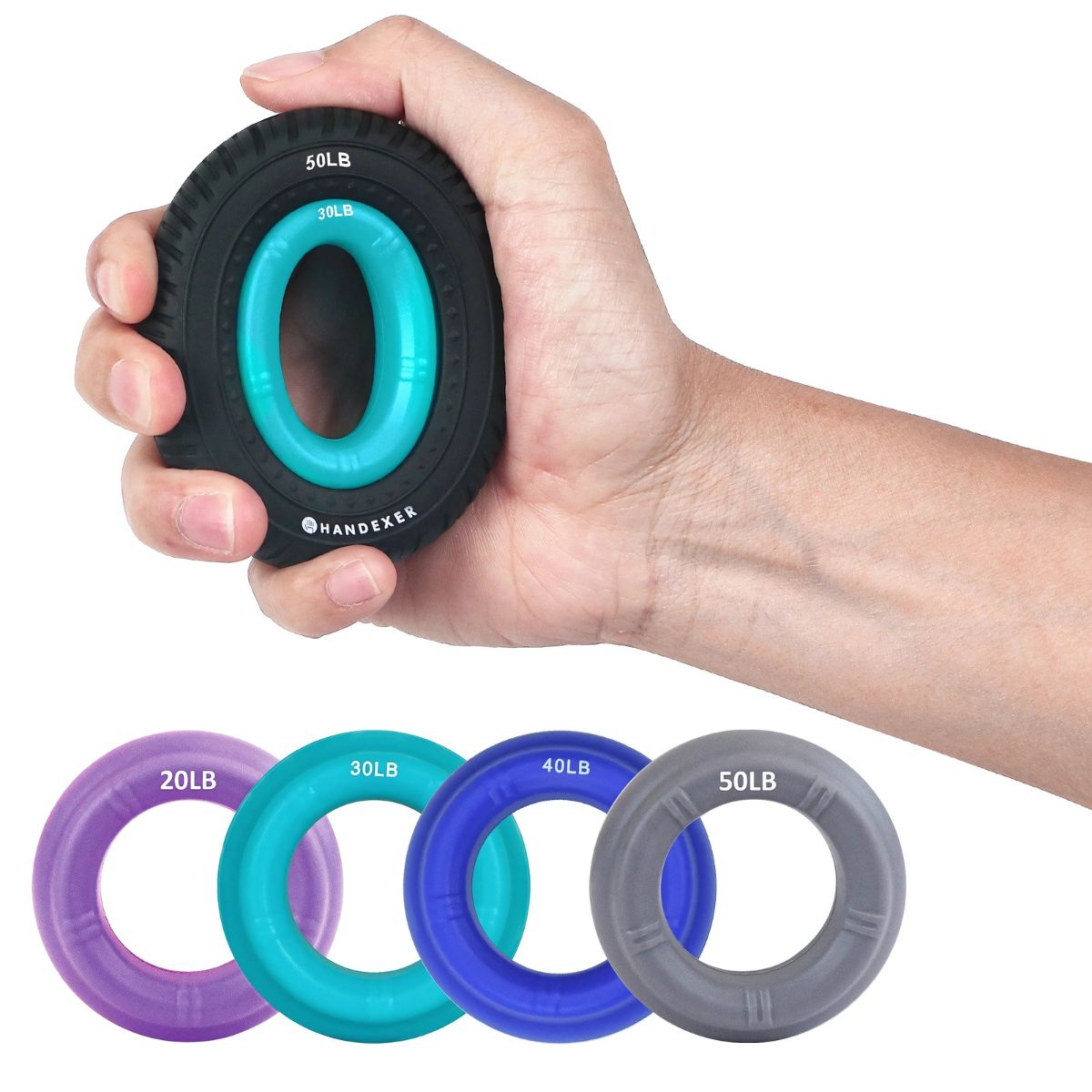
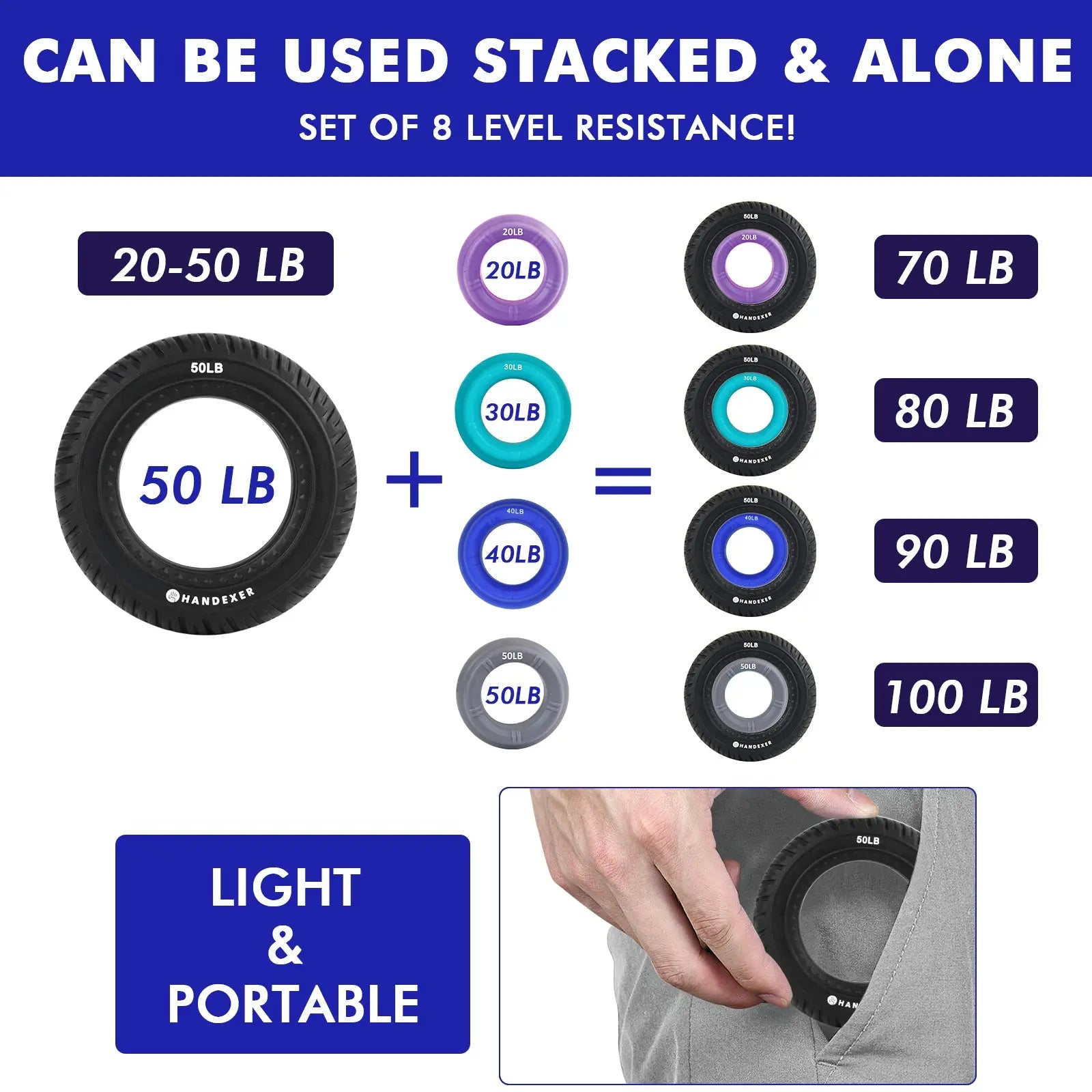
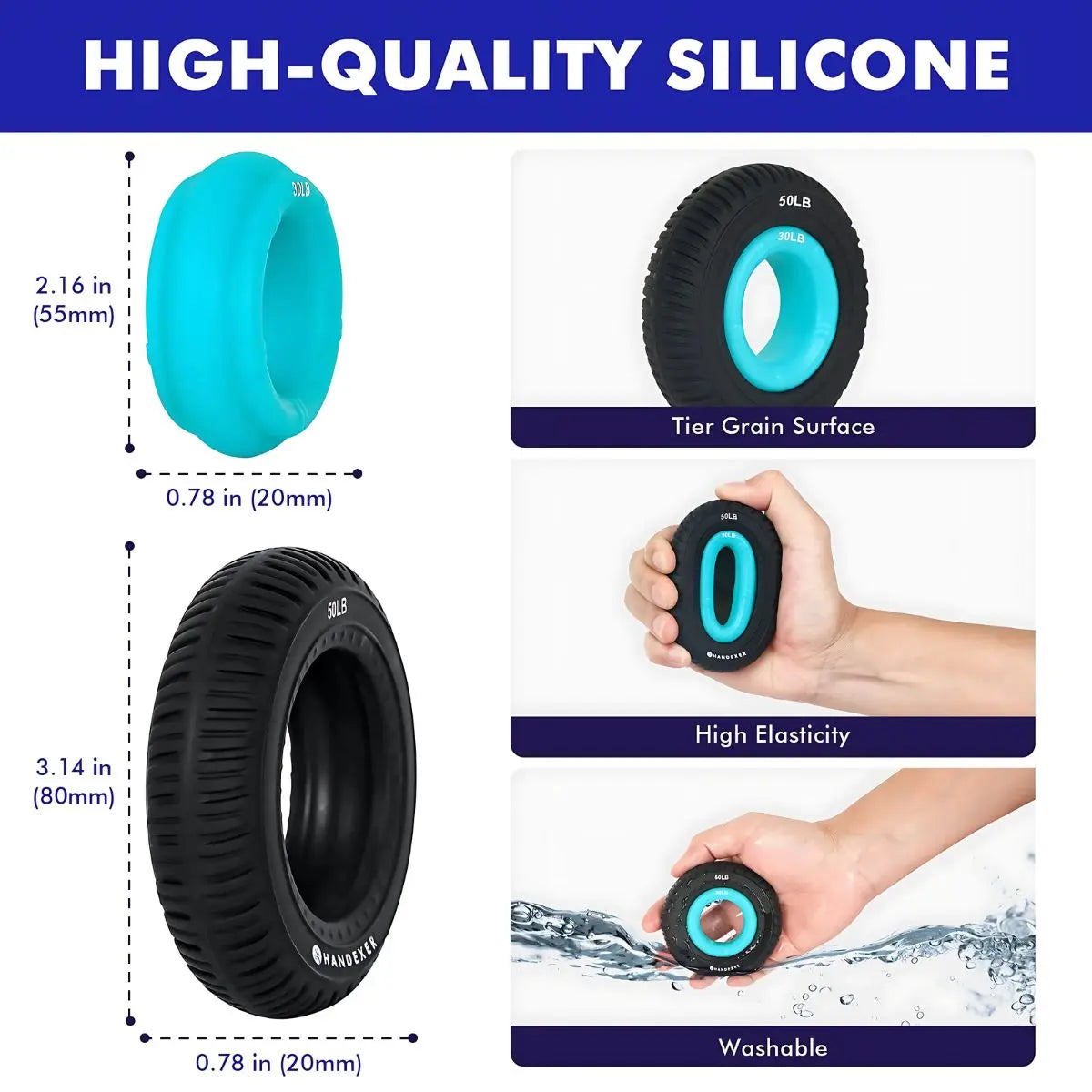
Once you know your baseline, it is time to build your maximum HP. This means engaging in targeted hand training. Instead of squeezing a cheap fitness gadget aimlessly, focus on functional exercises that target the specific tendons you use during gaming. Start with light resistance, perform controlled movements, and gradually increase the load over 4 to 6 weeks.
3. Track Your Recovery Progress
Recovery is not a straight line, but it should be a measurable one. Track your hand health weekly to ensure your capacity is increasing. If you experience pain that lasts into the next day, you have exceeded your capacity and need to adjust your load. By consistently measuring your progress, you replace anxiety with data, allowing you to recover with confidence.
Identify Your Condition
🟢 Level 1: Early Strain (Mild Gaming Hand Pain)
Symptoms:
- Mild stiffness after gaming
- Slight discomfort in fingers or wrist
- Fatigue during long sessions
- No persistent pain at rest
This is early overuse fatigue, not a structural injury.
Recovery path:
- 24–72 hours reduced gaming load
- Stretching + mobility work
- Grip relaxation exercises
- Ergonomic correction (mouse / keyboard posture)
🟠 Level 2: Repetitive Strain (Developing RSI)
Symptoms:
- Pain during or after gaming sessions
- Reduced grip endurance
- Wrist or forearm tightness
- Pain increases with repetition
Tendon overload + early neuromuscular fatigue.
Recovery path:
- 1–3 weeks load reduction (not full stop)
- Structured hand therapy exercises
- Grip strength rebuilding (low resistance)
- Strict rest intervals between gaming sessions
🔴 Level 3: Chronic Overuse (Advanced RSI Risk)
Symptoms:
- Pain even during daily tasks (typing, mouse use)
- Weak grip strength
- Tingling or nerve-like discomfort
- Recovery not improving with rest
Likely chronic RSI pattern requiring structured rehab.
Recovery path:
- Temporary cessation of high-intensity gaming
- Guided rehabilitation program
- Progressive strengthening under control
- Ergonomic overhaul (setup + equipment)
Stop Guessing, Start Measuring
Hand pain shouldn’t mean the end of your favorite hobby or career. By understanding the true nature of tendinopathy and actively building your hand function, you can stay strong and independent at your desk.
Recovery starts with measurement. If you are ready to understand your hand health and take control of your functional improvement, explore Handexer’s professional assessment and recovery tools today.
FAQ
Should I stop gaming completely if my hand hurts?
Not always. Mild cases benefit from reduced load and recovery training. Severe or persistent pain may require temporary rest.
Are hand
Dynamometer good for gamers?
Yes, but they must be used with purpose. Mindlessly squeezing a heavy grip trainer can cause more inflammation. Gamers should use tools that allow for measurable, progressive resistance to safely build tendon endurance without overloading the joints.
Can grip training help or make RSI worse?
When done correctly, progressive grip training can support recovery. However, overtraining can worsen symptoms.
How long does gaming hand pain take to recover?
Tendon adaptation takes time. With a proper routine of load management and progressive strengthening, most people begin to see measurable improvements in hand function and pain reduction within 4 to 6 weeks.






Share:
Fix Tennis Elbow Fast: Exercises, Stages & Recovery Strategy Backed by Science
Why Grip Strength Declines So Quickly After Inactivity (And How to Recover It)