
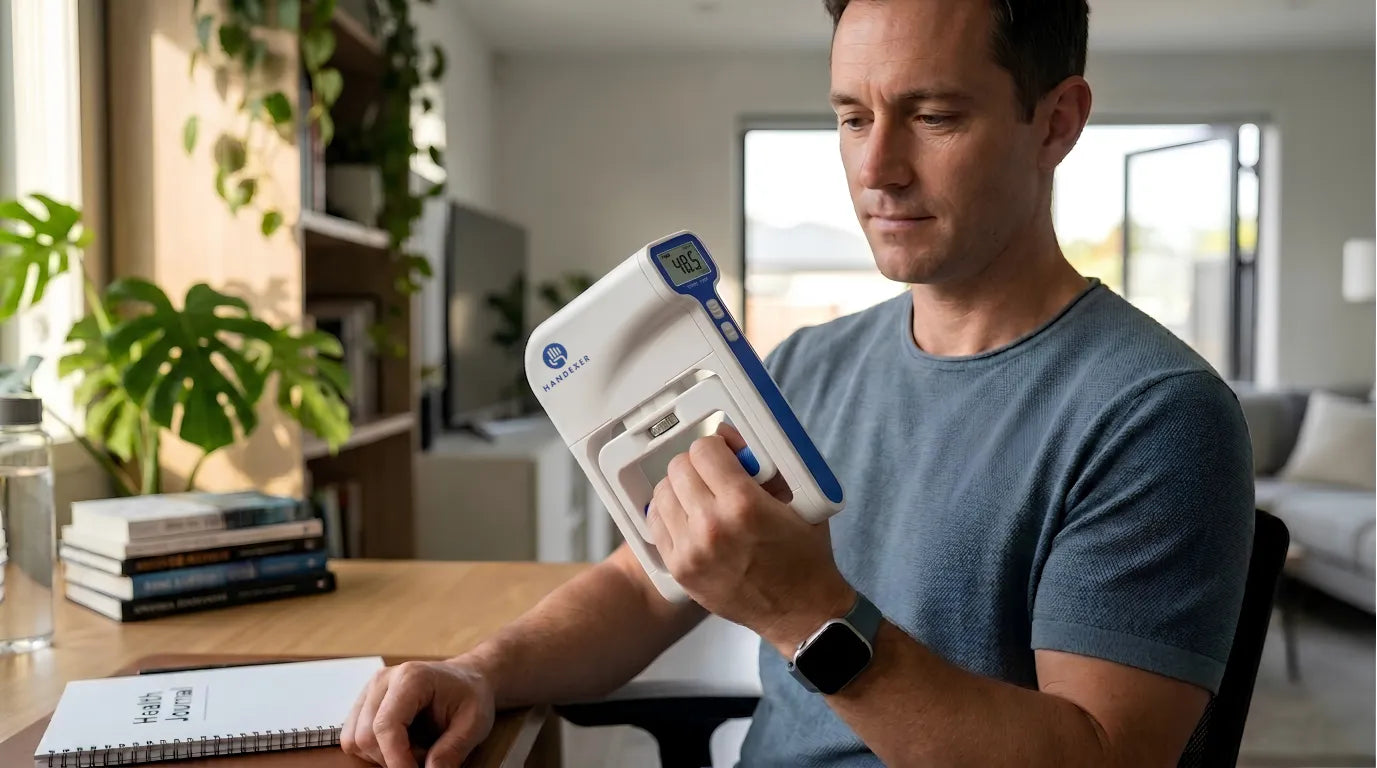
When we think about tracking health, we usually look at a few familiar numbers: the weight on the scale, the body fat percentage from a smart scale, or the results of an annual blood test.
But what if you could get a sneak peek at your metabolic health in just three seconds, without any needles or expensive scans?
You actually can—right from the palm of your hand.
A hand dynamometer (a digital grip tester) is often seen as a gym toy or something only used in rehab clinics. In reality, your maximum grip strength is a fantastic, simple window into how well your body is managing blood sugar, burning fat, and aging on the inside.
The Simple Math: Better Muscle Quality = A Faster Metabolism
To understand why your grip matters, we need to look at how the body burns energy.
Your muscles do a lot more than just help you lift heavy objects; they are your body’s main tool for managing food. When you eat carbohydrates, they turn into blood sugar. A healthy, active set of muscles acts like a giant sponge, safely absorbing up to 80% of that sugar to use for energy later.
The problem is that modern life involves a lot of sitting. When we sit all day and don’t challenge our muscles, a silent shift happens. We don't just lose muscle; the quality of our muscle drops. Fat can actually begin to build up inside the muscle tissue, very similarly to how dangerous visceral fat wraps around your stomach organs. This makes the muscle "sponge" stiff and less effective.
Why Grip Strength Predicts Your Diabetes Risk
Your grip strength isn't just about your hands and forearms. It acts as a quick snapshot of your body's overall muscle quality and how well your brain can signal your muscles to fire.
When your grip strength is low for your body weight, it is a warning sign that your muscles are losing their ability to process sugar efficiently.
This isn't just a theory—it is backed by major health studies:
- The Sugar Connection: Research published in The Journal of Clinical Endocrinology & Metabolism showed that people with weaker grip strength relative to their weight had a significantly higher risk of insulin resistance and Type 2 diabetes, even if they looked relatively thin on the outside.
- The Longevity Predictor: A massive global study of over 140,000 adults, published in The Lancet, found that grip strength was actually a more accurate predictor of a person's overall lifespan and heart health than standard blood pressure readings.
Breaking the Belly Fat Cycle
There is a direct loop between visceral fat (the stubborn, dangerous fat around your belly organs) and your grip strength.
Belly fat is highly active, and it constantly releases inflammatory chemicals into your bloodstream. A study in the journal Age and Ageing confirmed that this internal inflammation acts like a slow leak, actively wearing down your muscle quality over time.
When inflammation weakens your muscles, your grip strength goes down. As you lose muscle quality, your metabolism slows down, making it even easier for your body to store more belly fat. It’s a frustrating cycle, but one you can easily track and stop.
The 3-Second Body Audit
This is why a digital grip tester is such a hidden gem for your daily routine.
Unlike a regular weight scale—which goes up and down constantly based on how much water you drank, what you ate, or minor bloating—a grip test is incredibly honest. It requires your nervous system and your muscles to work together at 100% capacity for a brief moment. You cannot fake it.
If the number on your weight scale stays exactly the same month after month, but your grip strength numbers are steadily dropping, it’s an early warning. It tells you that you might be losing high-quality muscle and replacing it with inactive fat, meaning your internal metabolic age is creeping up.
📊 Audit Your Health at Home
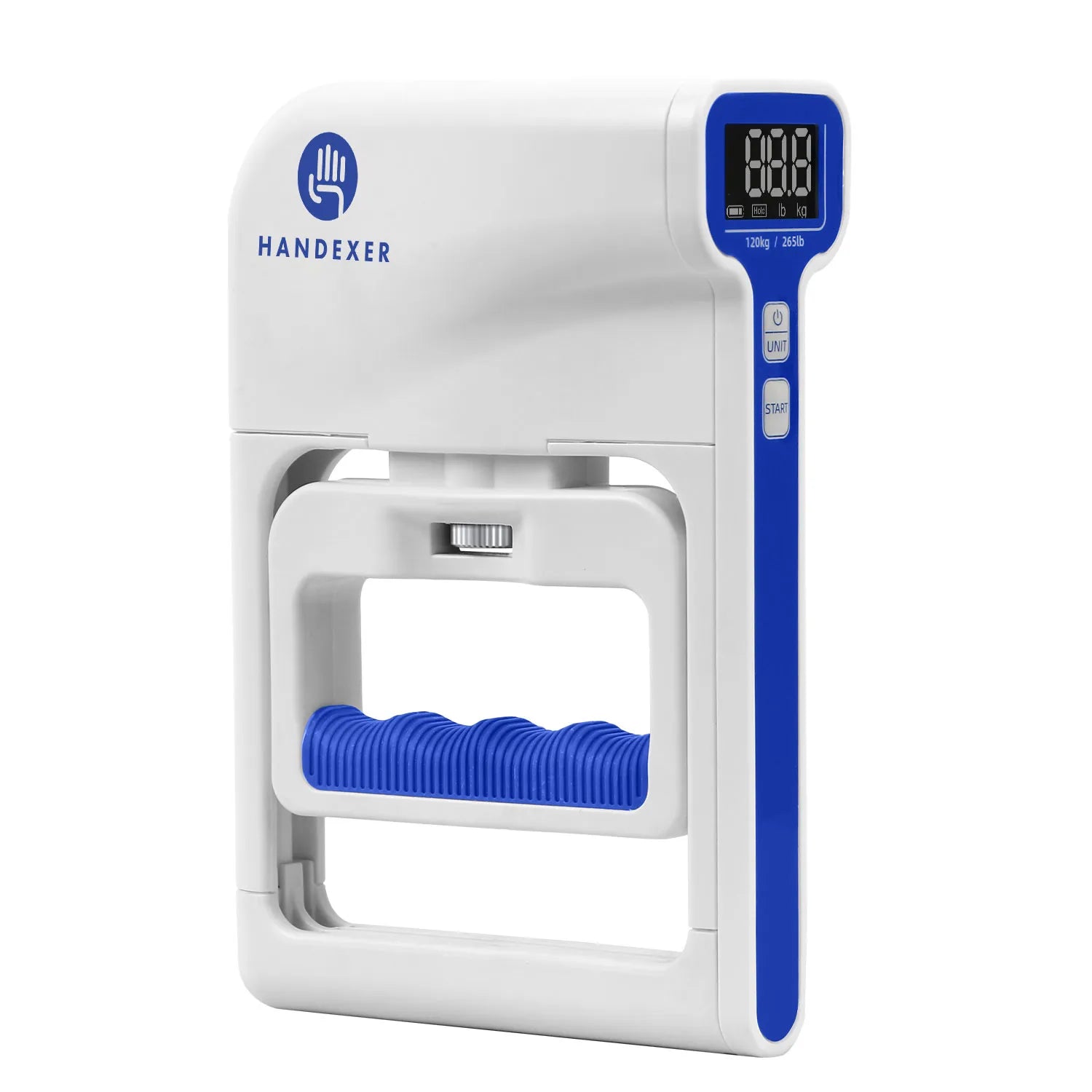
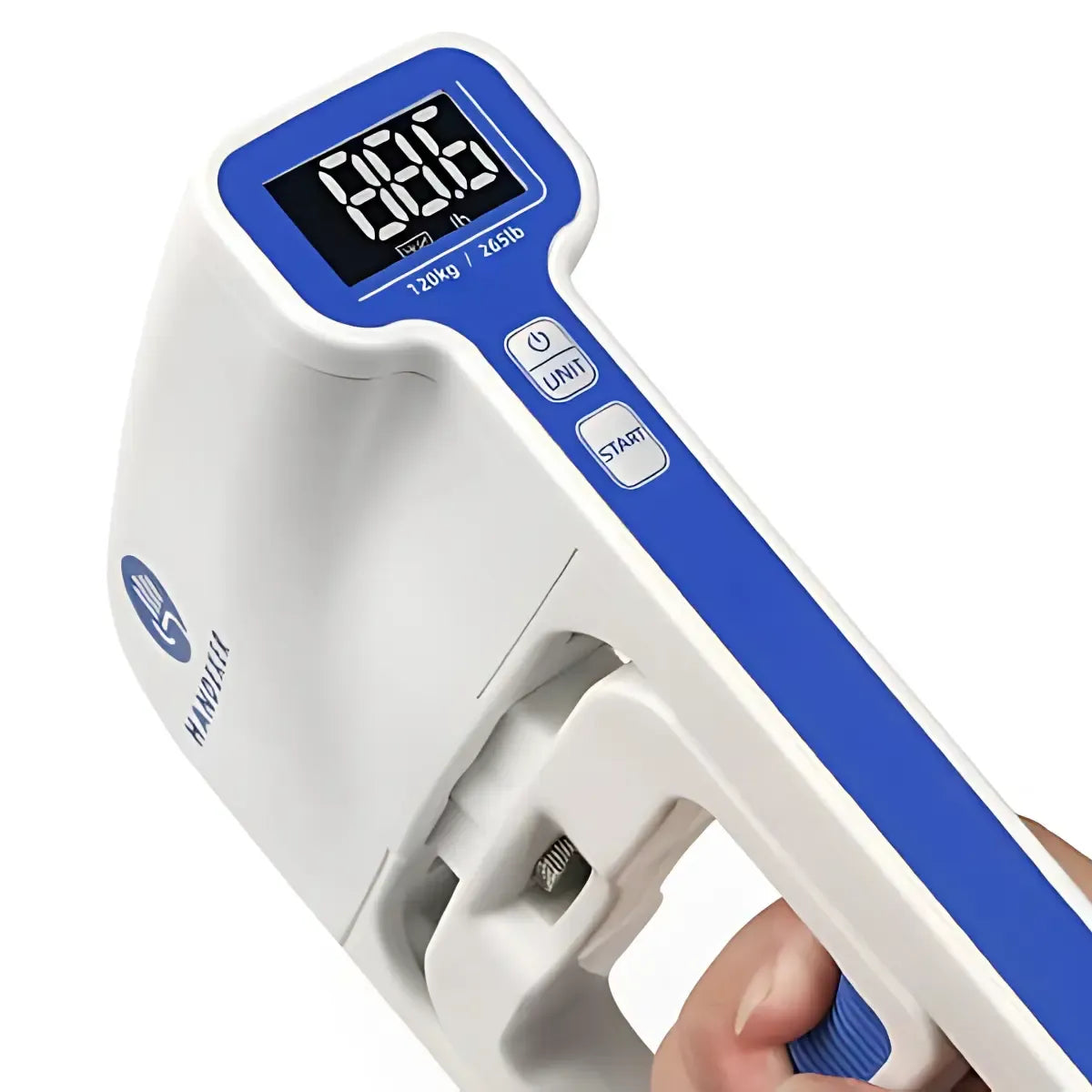
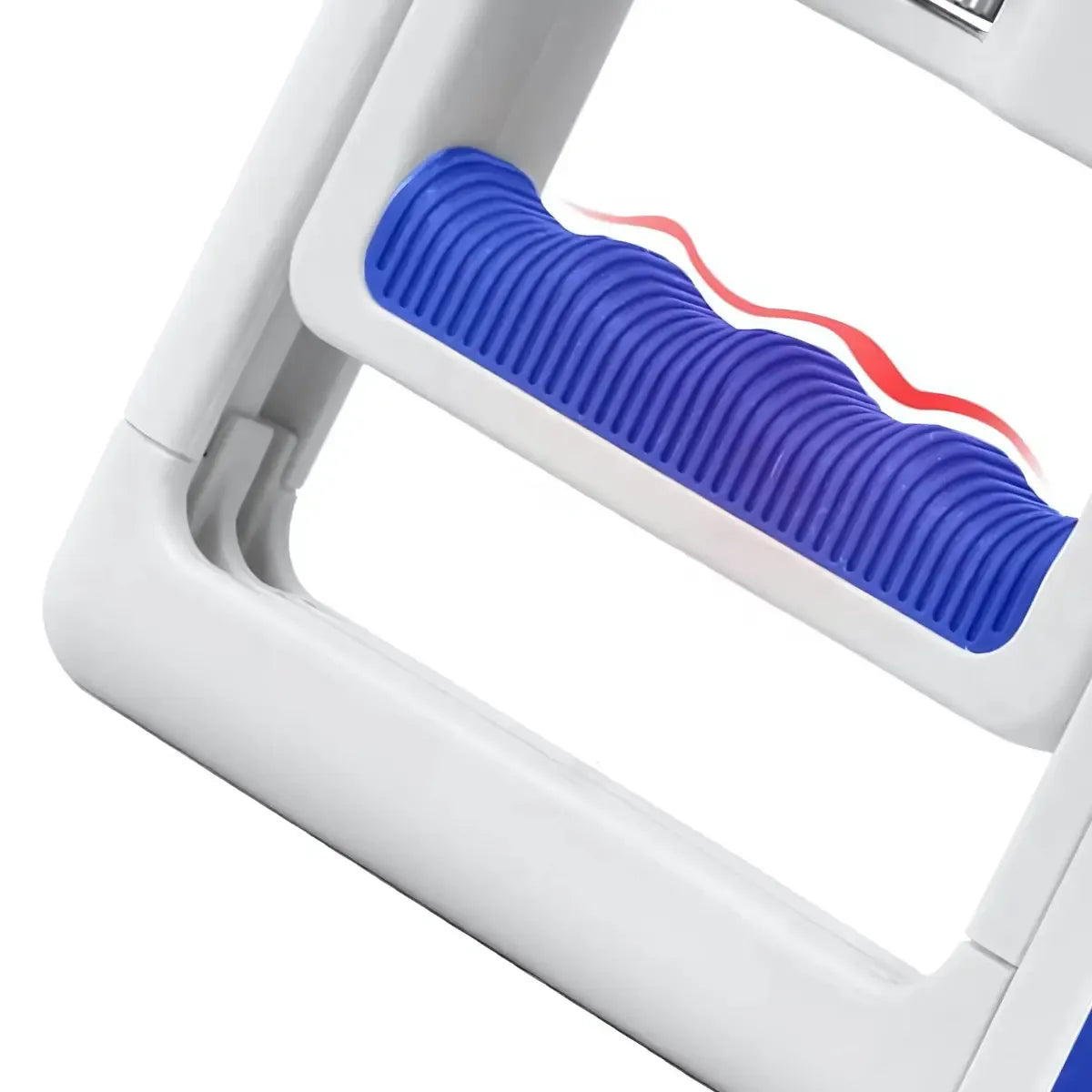
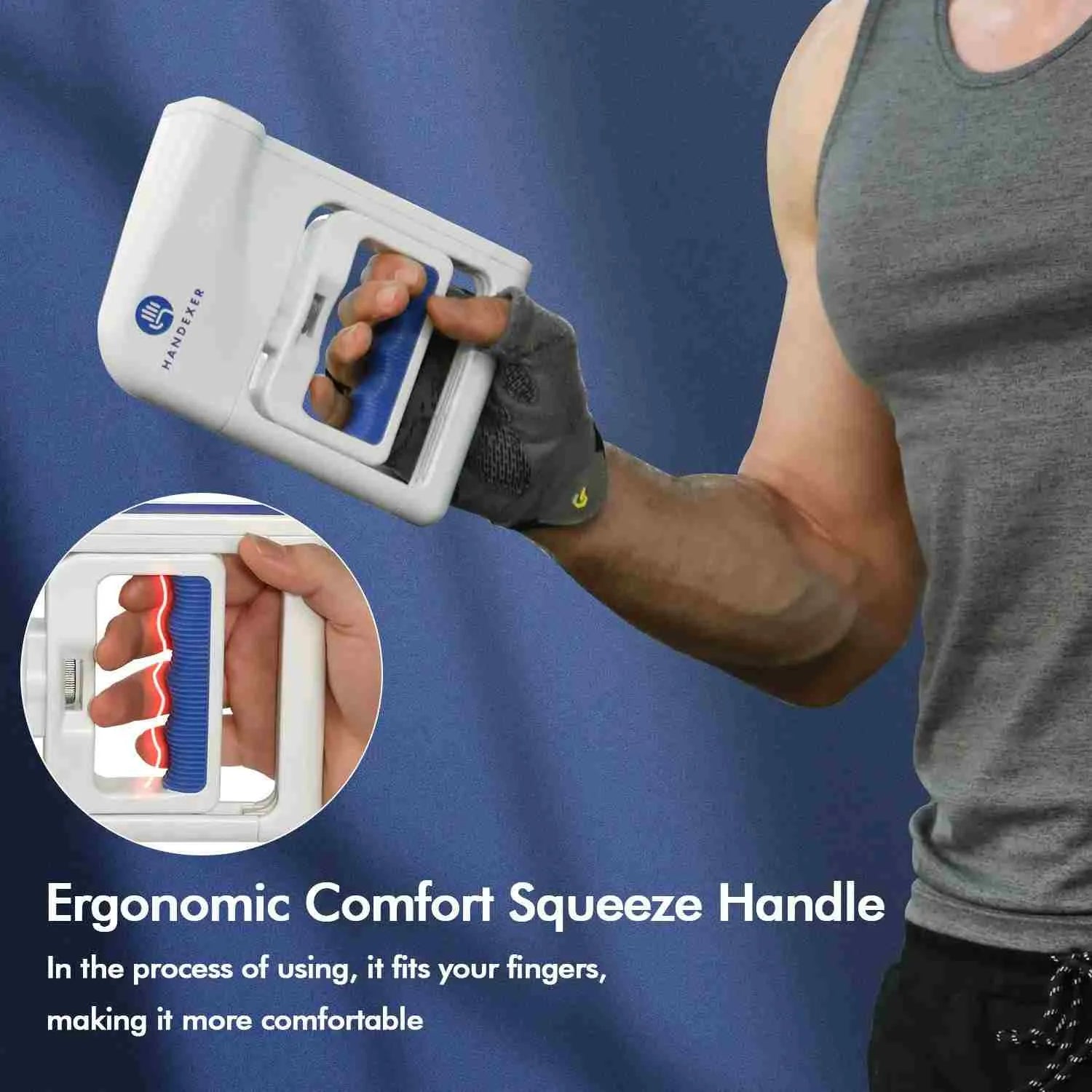
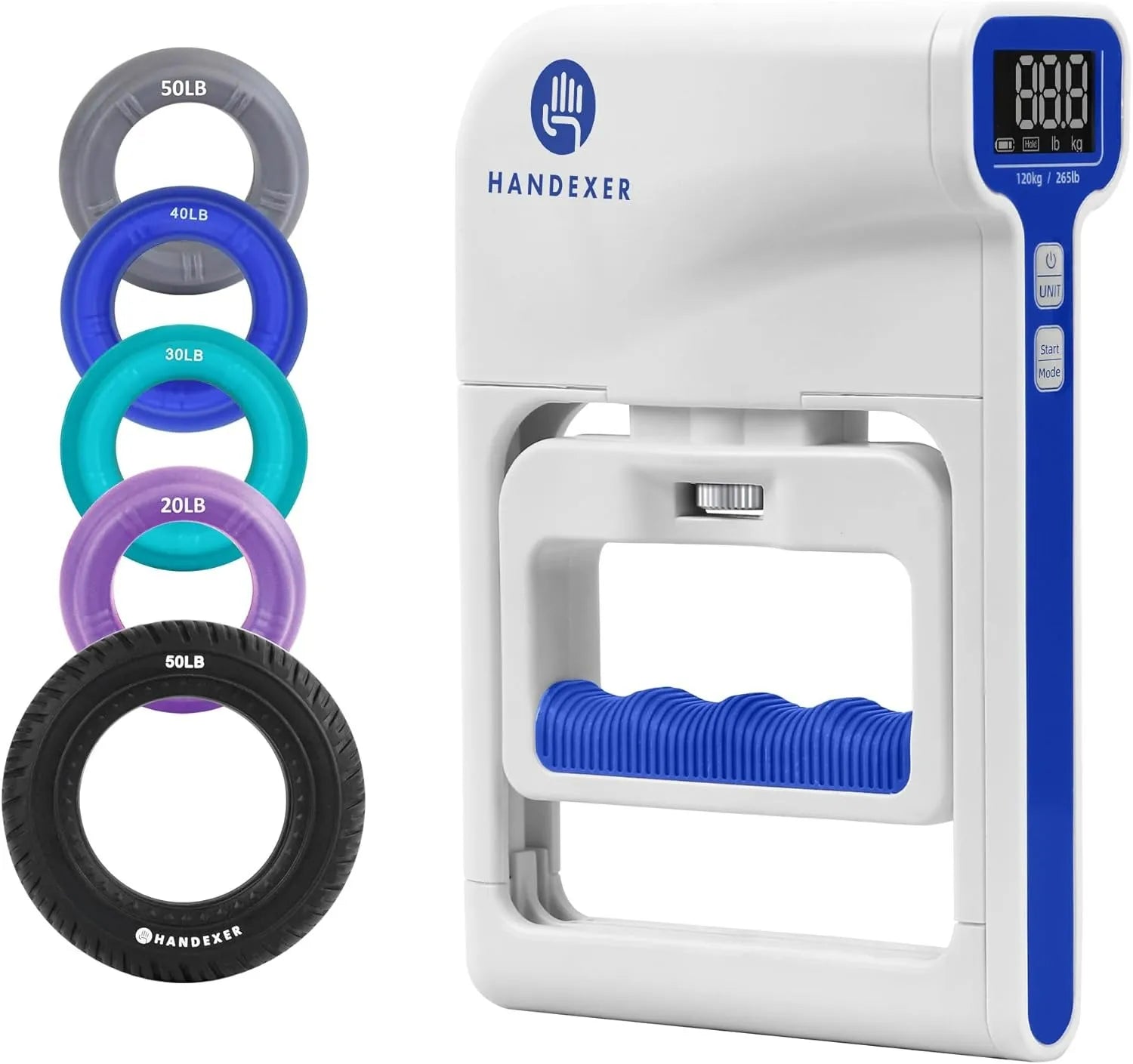
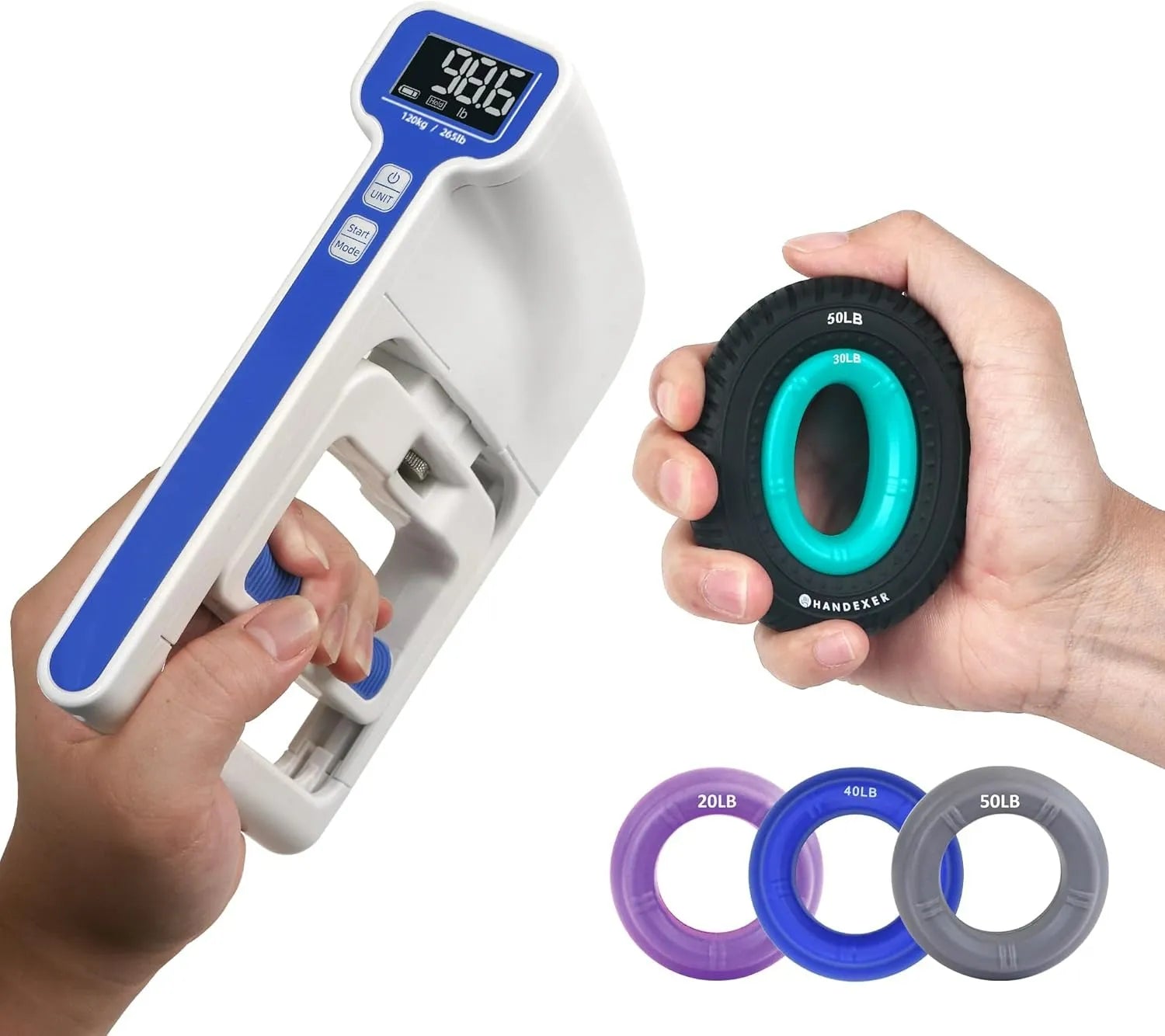
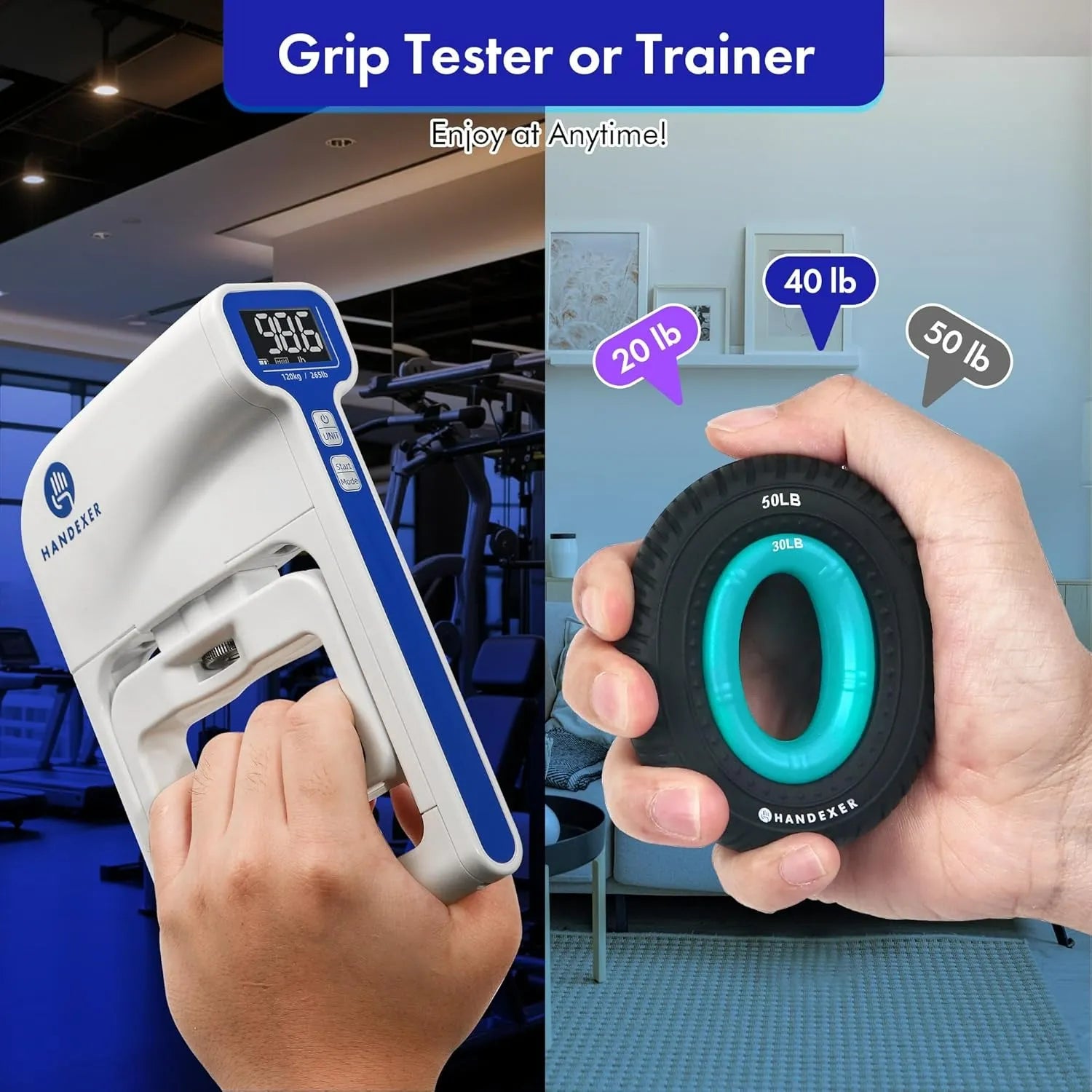
Ready to stop guessing about your muscle quality? The Handexer Digital Hand Dynamometer features a high-precision sensor that measures up to 265 lbs (120 kg) with scientific accuracy. It automatically saves your baseline and displays your progress instantly, giving you a crystal-clear look at your true functional health.
👉 Get Your Digital Grip Tester Today and Discover Your Real Numbers
How to Start Tracking (And Rebuilding) Your Numbers
Your body's muscle quality and metabolism can bounce back quickly with just a little bit of regular attention. You don't need a massive gym membership or hours of free time to start improving your internal numbers. Instead, you can build a consistent habit right at your desk with a simple, scalable training protocol.
1. Find Your Baseline
Squeeze your digital grip tester to find your current maximum number under rested conditions. This gives you an honest starting point to track over the coming weeks.
2. Implement Progressive Micro-Workouts
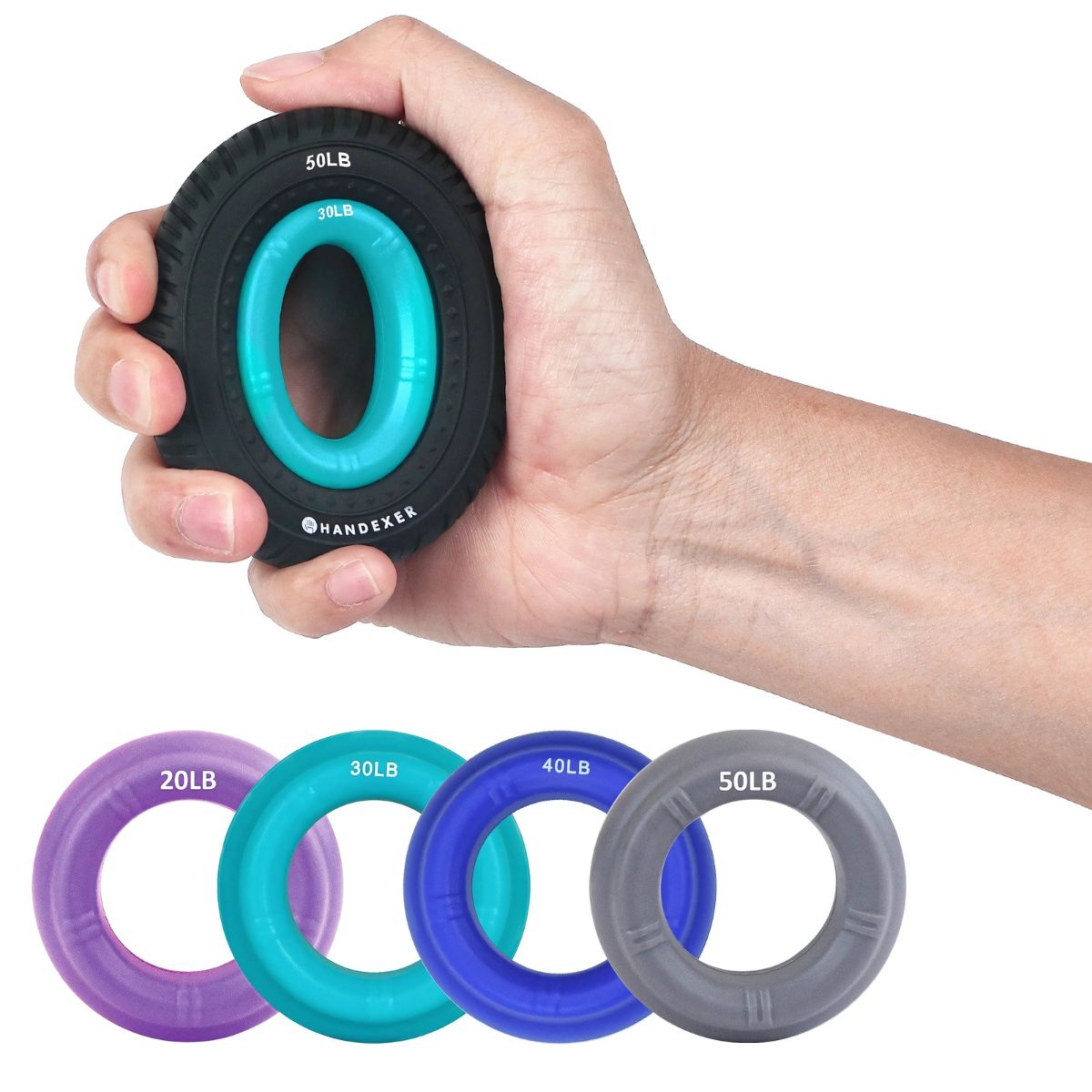
Once you know your numbers, it's time to build that muscle quality back up. The key is progressive resistance—slowly waking up those muscle fibers without overloading your joints. This is where a smart, adaptable tool like the Handexer Stackable Grip Ring Set comes into play.
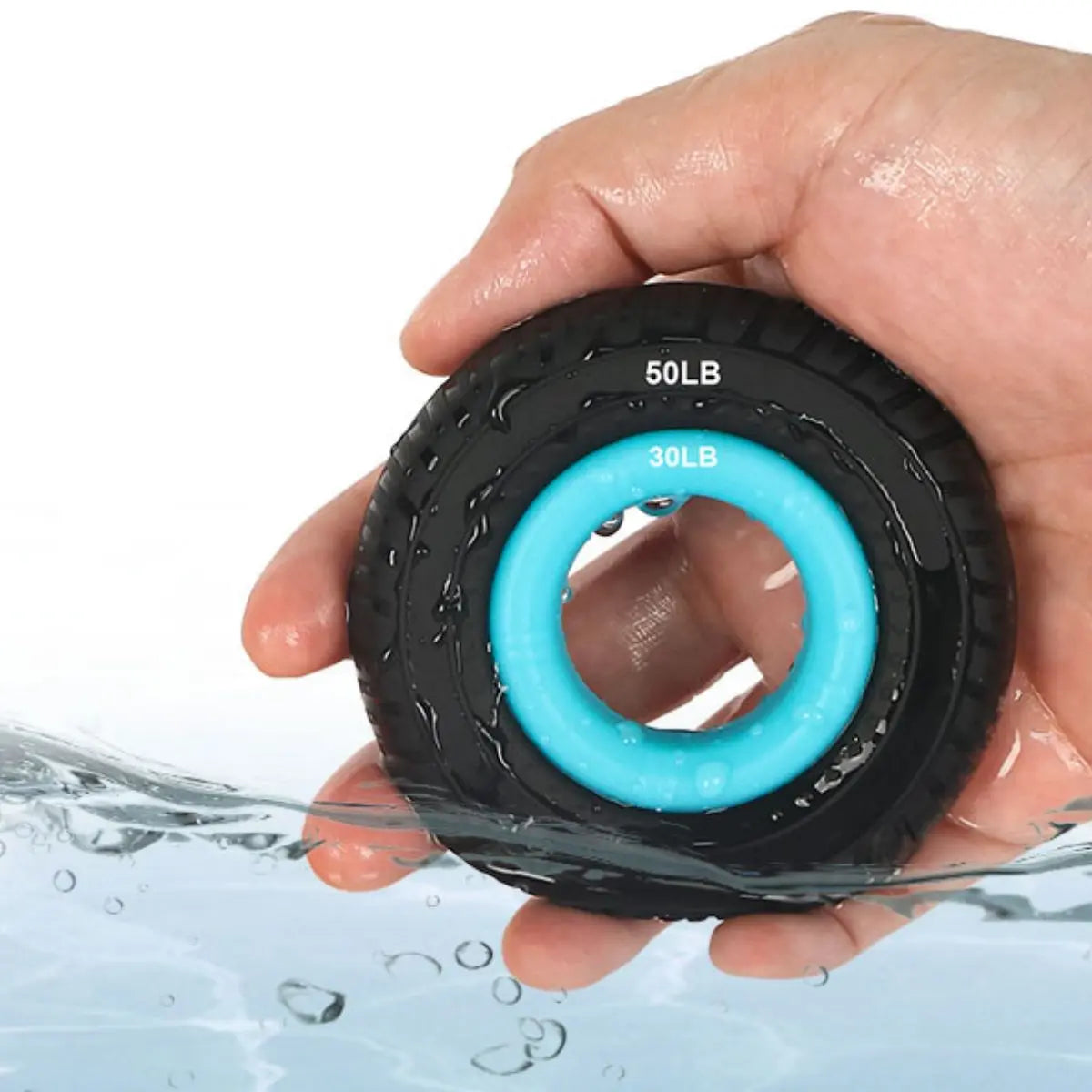
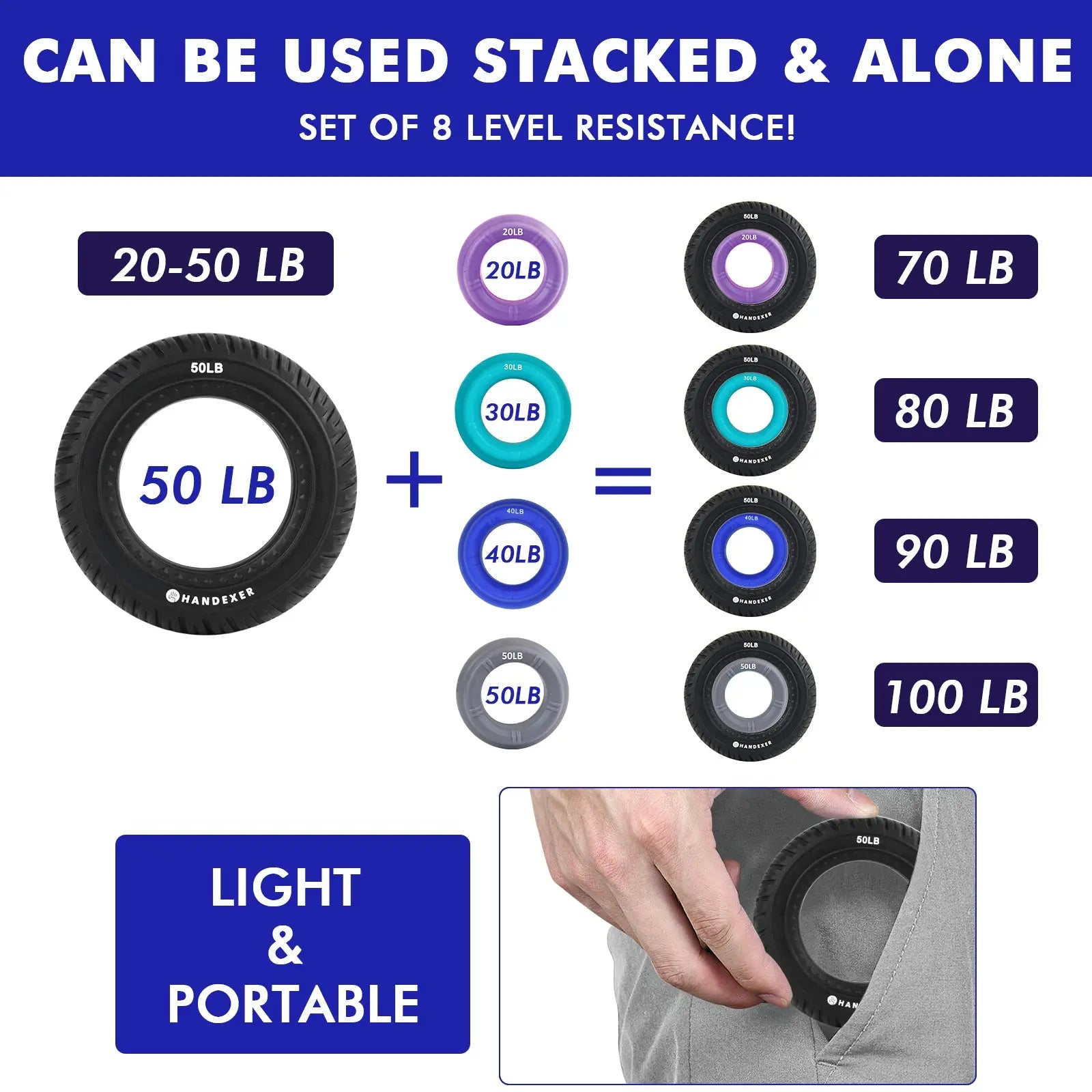
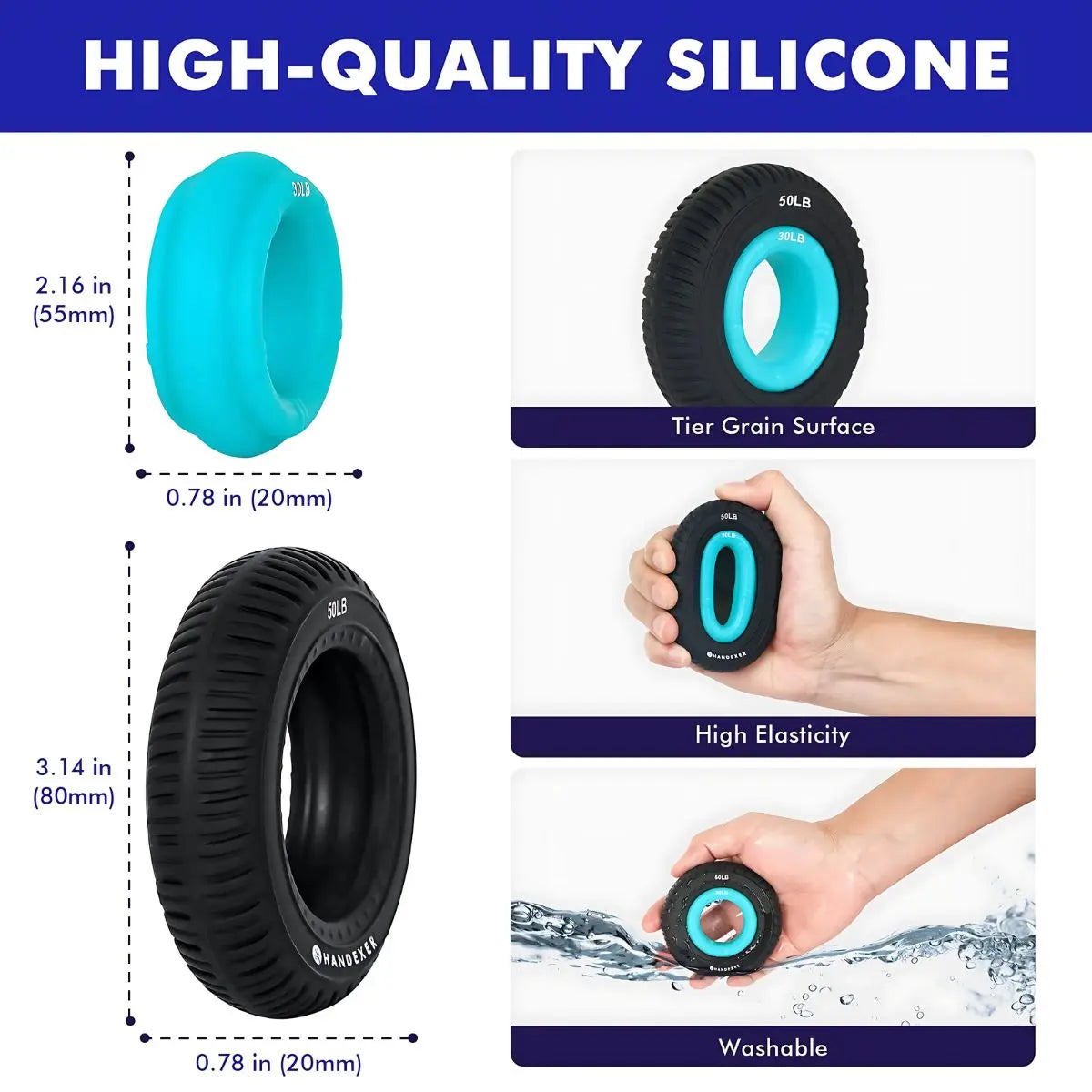
Instead of cluttering your workspace with bulky weights, this pocket-sized system uses an innovative, space-saving Smart 2-in-1 Stackable Design. The set includes 5 individual grip rings ranging from 20 to 50 lbs. As your neural drive sharpens and you need a higher resistance level, you simply stack the smaller ring inside the larger one. This simple combination instantly unlocks advanced resistance levels from 70 up to 100 lbs.
3. Share and Scale Across 8 Levels of Resistance
Because metabolic health matters at every stage of life, a one-size-fits-all workout doesn't cut it. With 8 distinct levels of resistance, this stackable set easily fits the entire household:
- 20–30 lbs: Ideal for absolute beginners, gentle morning neural activation, or light rehabilitation therapy.
- 40–50 lbs: Perfect for daily desk-side exercises to clear blood sugar and maintain high-quality muscle tissue.
- 70–100 lbs (Stacked): Tailored for stronger individuals and professional athletes looking to push their absolute physical limits.
4. Watch the Long-Term Trend
Don't worry about minor day-to-day jumps in your numbers. Look for a gradual, steady increase over a few weeks. Every extra pound of force you can squeeze on your test—and every higher ring combination you can comfortably master—is proof that your nervous system is sharpening up, your muscle quality is returning, and your metabolic health is moving in the right direction
FAQ
A: Think of testing your grip like checking the oil in a car—the dipstick tells you the health of the whole engine, not just that one spot.
When you use a grip device for exercise (like holding a firm squeeze for a set amount of time), it causes your blood vessels to relax and expand right after you let go. This improves overall circulation and helps your body clear blood sugar naturally without putting heavy stress on your joints. For the best metabolism boost, combine hand exercises with daily walks or bodyweight squats.
A: Your grip is heavily controlled by your brain and nervous system. When you first wake up, your nervous system is still waking up too, and your body temperature is low, which leads to lower numbers. Your strength naturally peaks in the late afternoon or early evening when you are fully alert. To get accurate data, always test yourself at the same time of day (like 10 minutes after waking up).
A: Yes! This is one of the best ways to use it. When you lose weight, a standard scale can't tell you if you are losing fat or losing valuable muscle. If your weight goes down but your grip strength stays strong, your diet is a success—you are burning fat. If your grip strength plummets, your diet is likely too restrictive, and your body is accidentally burning muscle for fuel.
💡 Start Your 90-Day Functional Vitality Journey
Tracking your metabolic health shouldn’t be a guessing game. Monitor your baseline with the Handexer Precision Dynamometer and activate your metabolism with the Handexer Grip Ring Set.
Shop the Complete Grip Test & Train Set Now






Share:
Weak Grip From Office Work? How to Prevent Mouse Hand and Build Stronger Forearms
Micro Grip Strength Workouts: 10-Minute Hand Grip Exercises for Busy People