

For musicians, the hands are more than muscles—they are instruments themselves.
Whether you play piano, guitar, violin, bass, drums, or another precision-heavy instrument, it’s natural to believe that stronger hands will automatically lead to better endurance, faster movement, and improved control.
That belief explains why many musicians eventually turn to grip trainers, hand strengthening exercises, or gym-style forearm workouts.But here’s the problem: Training your hands the wrong way can quietly hurt your playing.
In many cases, musicians don’t lose performance because they practice too little—they lose it because they unknowingly train against the way skilled hand movement actually works.
If your hands feel tighter, slower, more fatigued, or less responsive after strength training, you may be making one of the mistakes below.
Why Musicians Need a Different Approach to Hand Training
Before getting into the mistakes, it’s important to understand one thing: Musicians don’t use their hands the same way athletes or gym-goers do.
Most sports rely heavily on maximum force output. Musicians rely on:
- Fine motor control
- Finger independence
- Endurance under repetition
- Timing and coordination
- Tension control
In other words, musicians need precision more than power.That means traditional grip training advice doesn’t always translate well to musical performance.A stronger hand is only useful if it still moves efficiently.
Mistake 1: Training Grip Strength Like a Bodybuilder
One of the most common musician hand training mistakes is assuming that more resistance equals better results.
This often leads to:
- Heavy grippers
- Excessive squeezing exercises
- High-resistance finger workouts
- Daily max-effort training
While these methods may improve raw grip force, they can also increase stiffness and fatigue—especially when recovery is ignored.
For musicians, excessive tension is often the real enemy.A pianist with tight forearms may lose speed. A guitarist may feel reduced finger fluidity. Violinists often notice increased fatigue in the wrist and hand.
Instead of asking: “How strong can my hands become?” A better question is: “How strong do my hands need to be to perform consistently without tension?”
That shift in mindset changes everything.
Mistake 2: Ignoring Early Signs of Hand Fatigue
Most musicians only slow down once pain appears.The problem?Pain is usually the late-stage warning sign.
Long before discomfort begins, the body often gives smaller signals:
- Fingers feeling unusually heavy
- Reduced control during fast passages
- Loss of endurance during longer sessions
- Hand tightness after practice
- Small coordination mistakes appearing more often
These signs are easy to dismiss because they feel temporary.But over time, they can point to overuse or inefficient loading patterns.
This is especially common among musicians who combine intense practice schedules with additional hand strength training.Rather than pushing harder whenever performance drops, it helps to step back and evaluate what your hands are actually responding to.
Sometimes, recovery—not more training—is the smarter move.
Mistake 3: Training Without Objective Feedback
One of the biggest hidden issues in musician hand training is relying only on perception.
You feel stronger. You feel more stable. You think training is working.But hand performance is difficult to judge objectively.
Sometimes strength improves while dexterity declines. Sometimes endurance improves while tension increases.Without feedback, it becomes easy to mistake effort for progress.
This is one reason many musicians are beginning to approach hand training more systematically—tracking consistency, recovery, and grip performance over time rather than simply training harder.
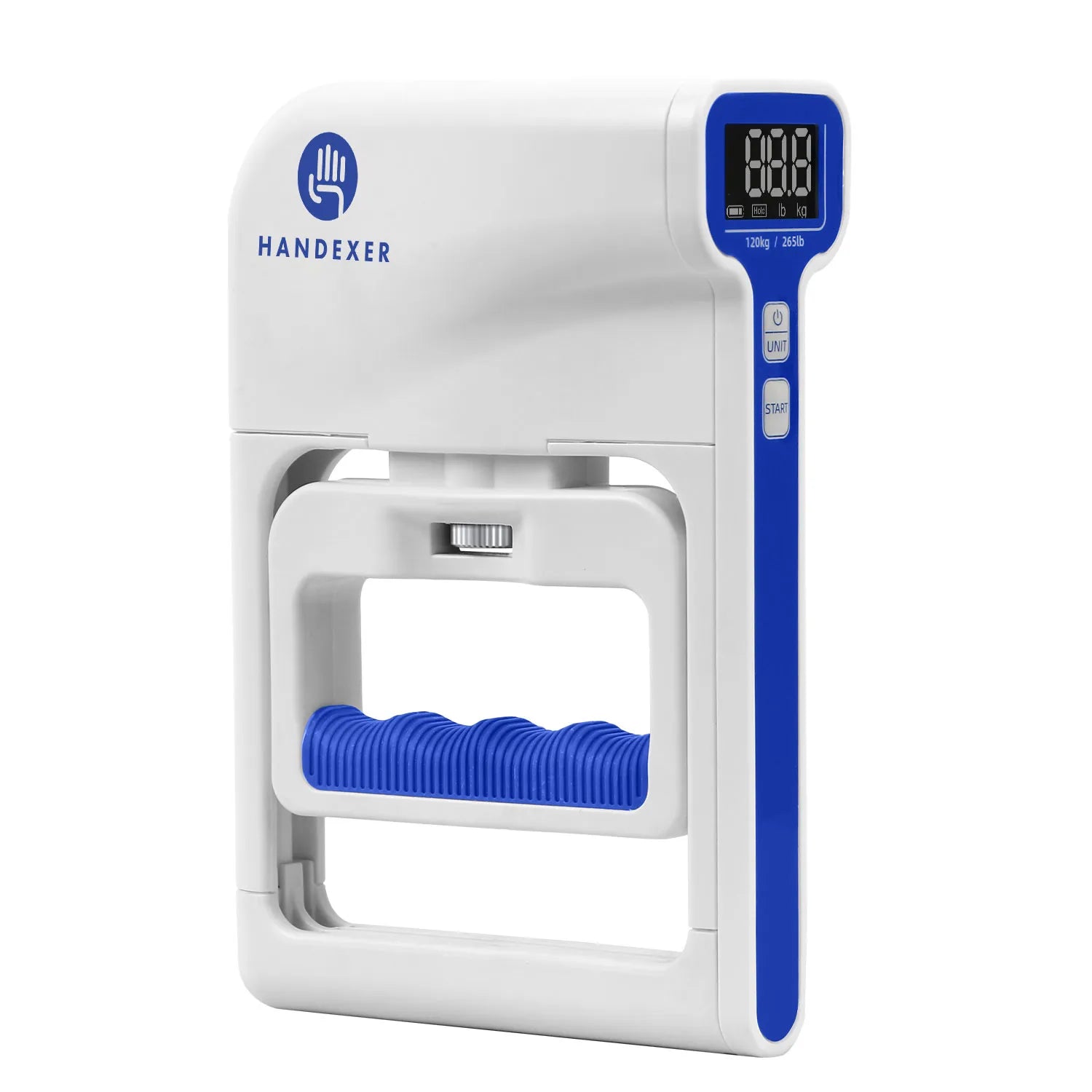
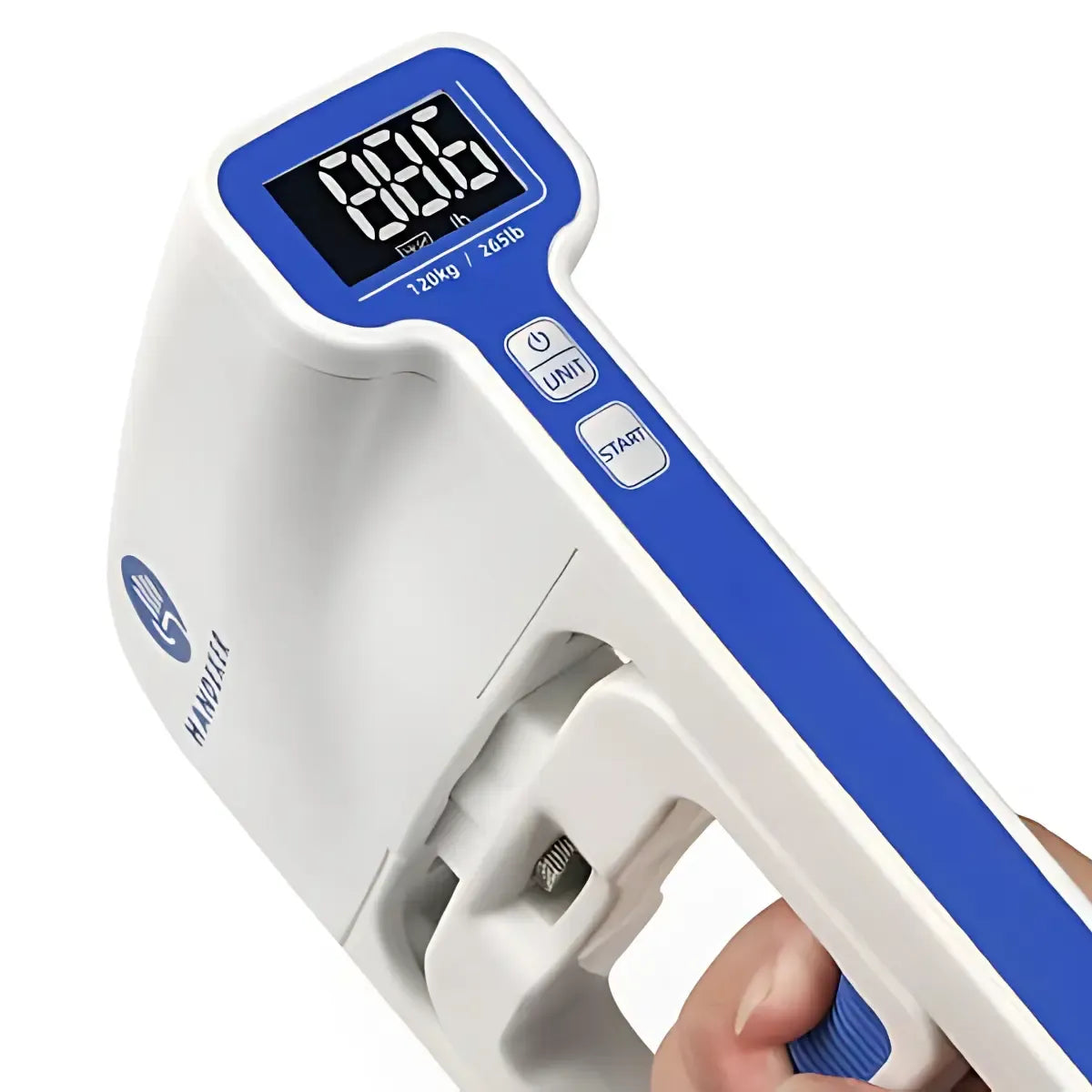
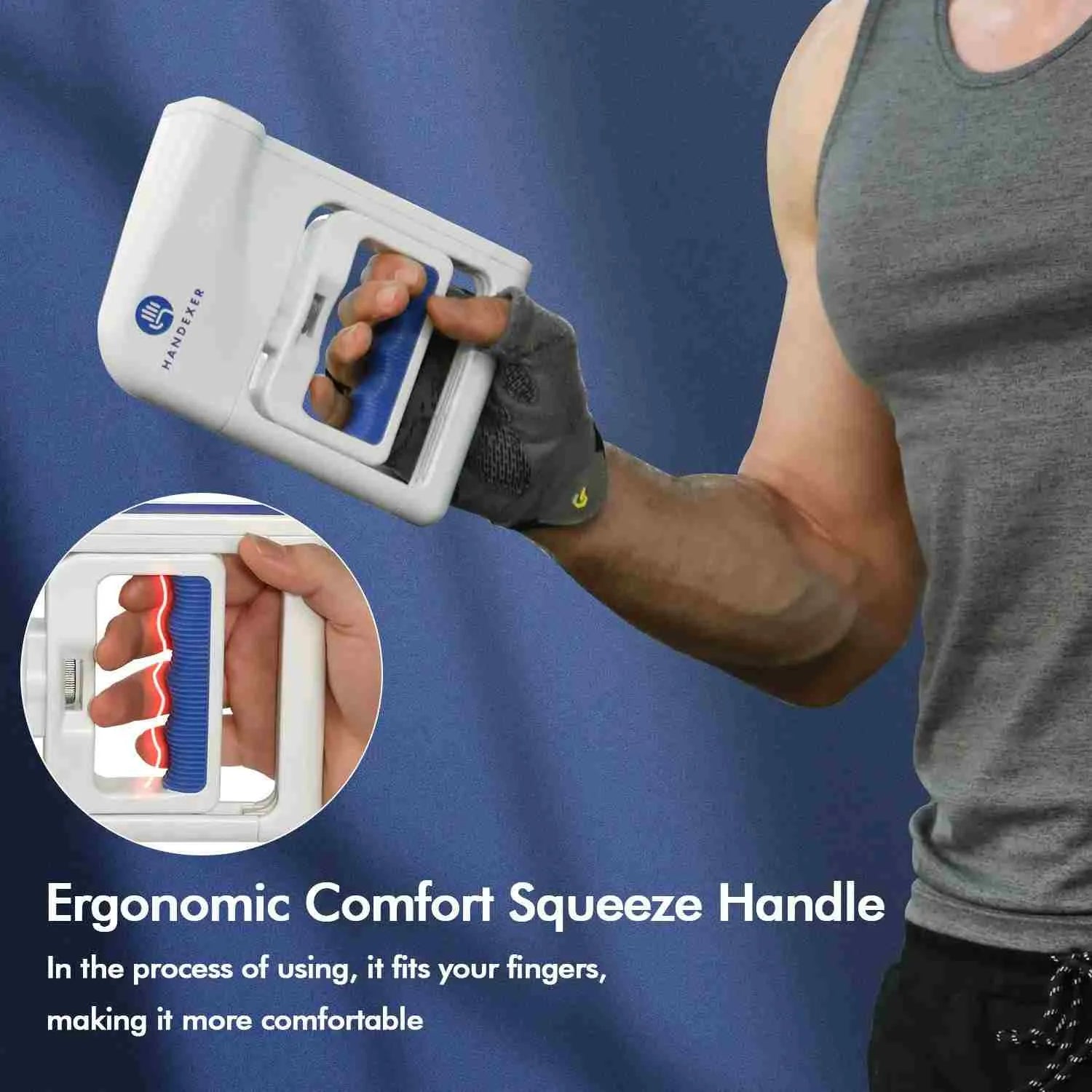
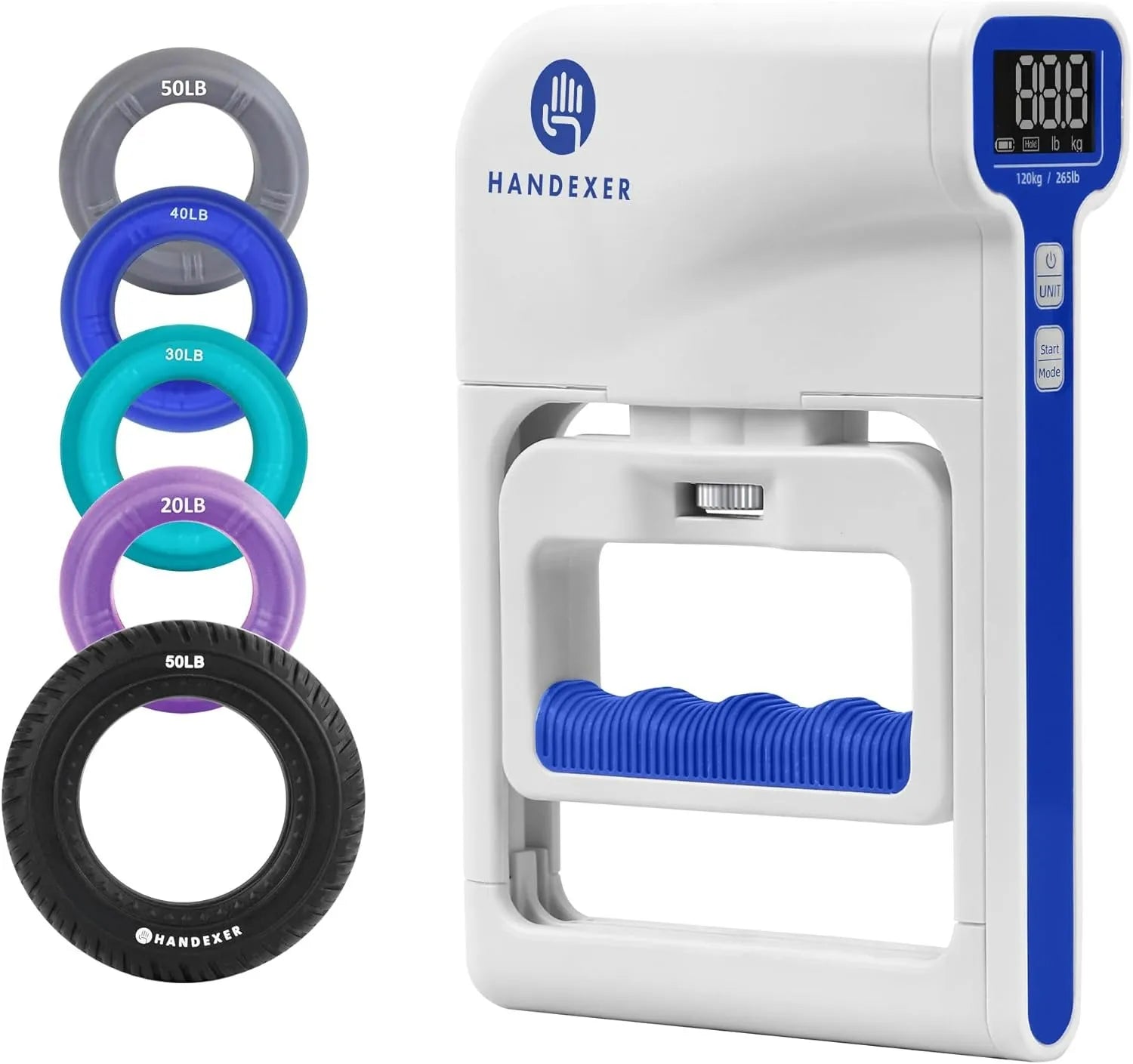
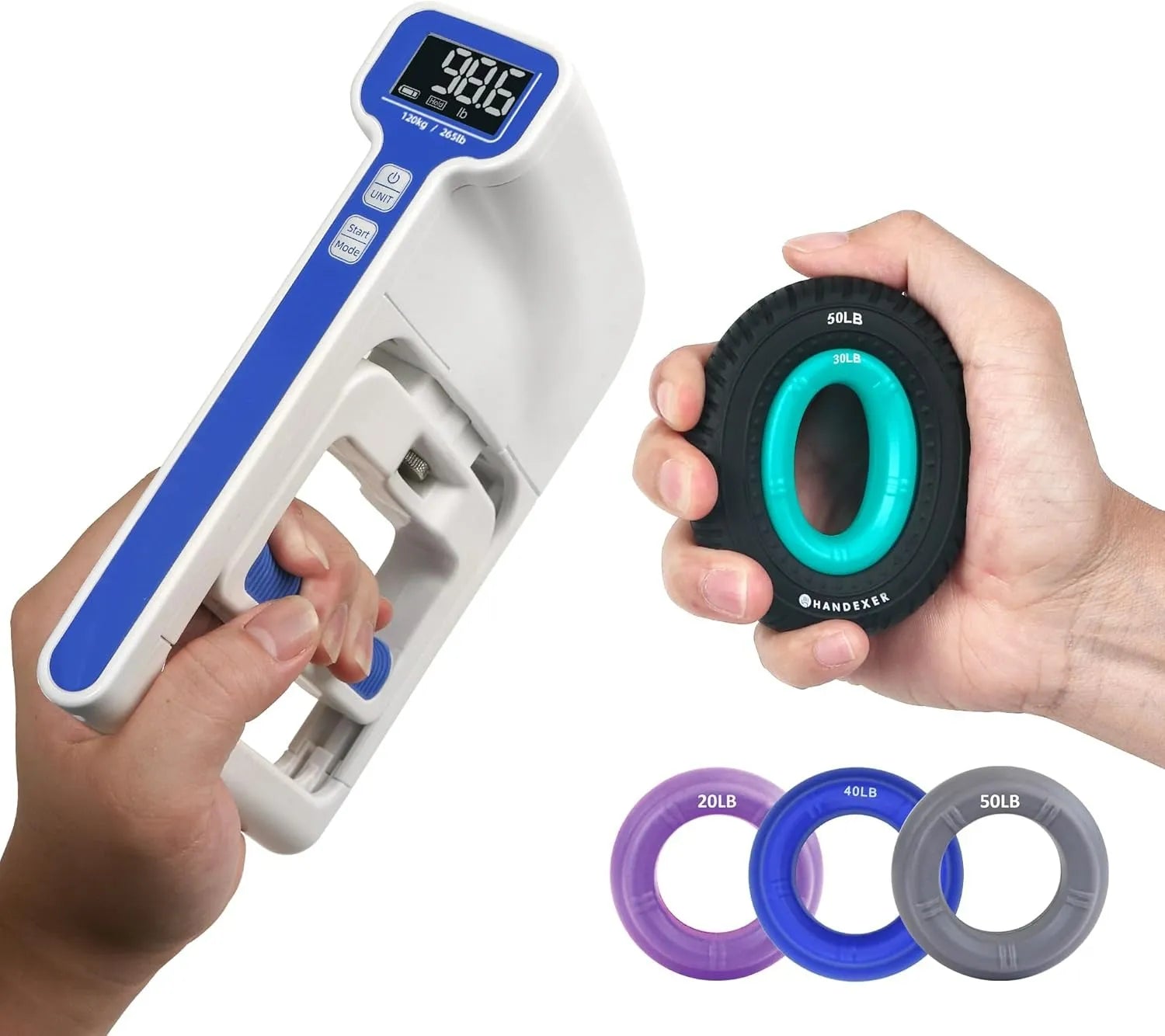
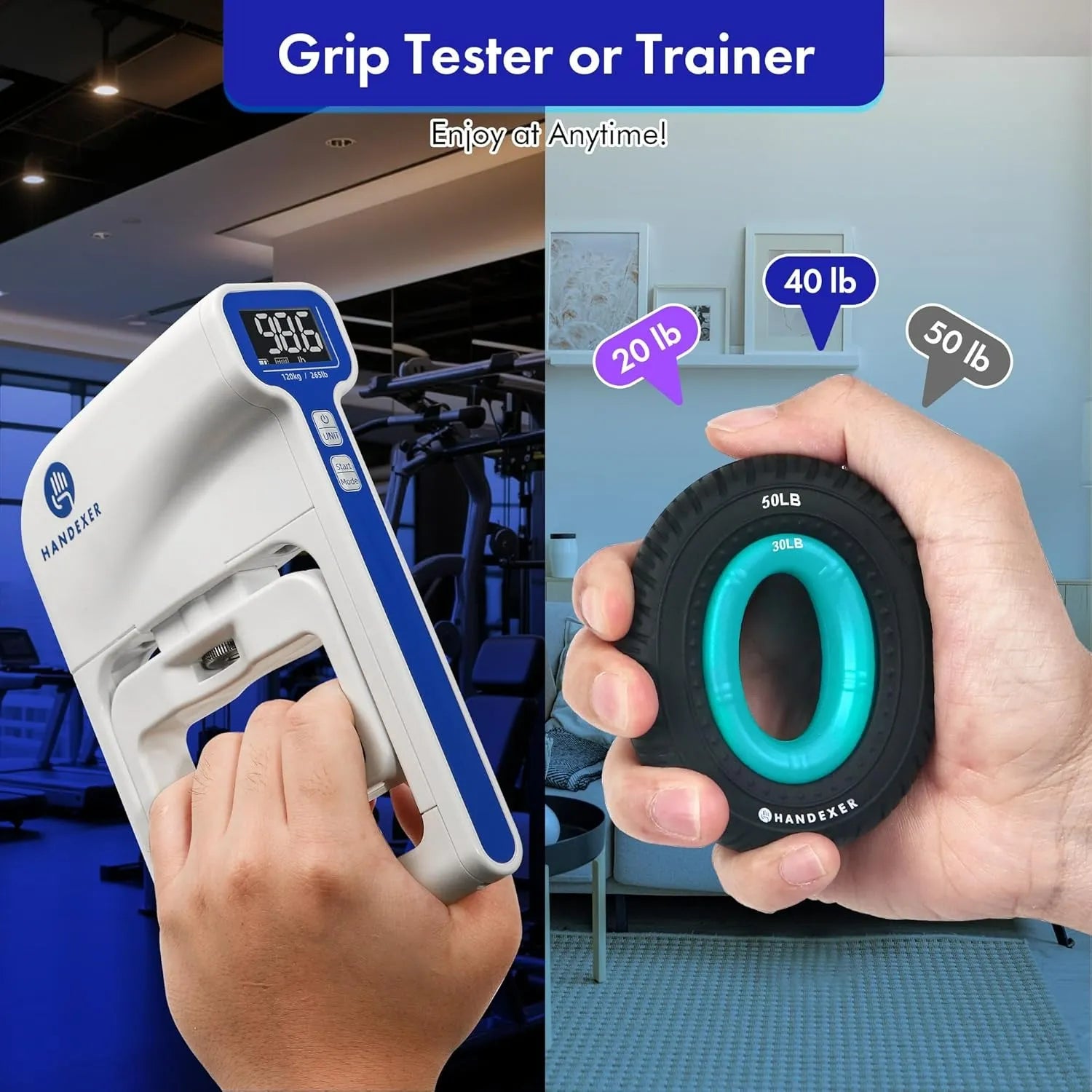
For those trying to better understand how their hands adapt to workload, using a grip measurement tool can offer a clearer picture than intuition alone.
At Handexer, we generally believe better hand training starts with better awareness.
Mistake 4: Treating Hand Endurance and Hand Strength as the Same Thing
Strength and endurance are related—but they are not identical.This misunderstanding causes many musicians to train inefficiently.
You might be able to squeeze hard once but struggle during a two-hour rehearsal.Or you may maintain strength but lose precision after repetition.
For musicians, endurance often matters more than peak force.That’s because performance depends on sustained precision under repeated movement.
A more useful training question becomes: “Can my hands stay relaxed and consistent over time?”Not:“Can I squeeze harder?”
This is why balanced training matters:
- Light resistance
- Controlled repetitions
- Recovery periods
- Mobility work
- Coordination exercises
Not just force production.
Mistake 5: Assuming More Training Means Faster Improvement
When musicians notice weakness or fatigue, the instinct is often: “I should train more.”
But hand performance doesn’t improve the same way larger muscle groups do.Hands are exposed to repetitive loading all day through playing.
Adding too much extra work too quickly can create overload instead of improvement.In many cases, less—but smarter—training produces better results.The goal isn’t exhausting the hand.The goal is helping it adapt while preserving precision.
That means paying attention to:
- Recovery
- Volume
- Fatigue signals
- Technique quality
- Consistency over intensity
How Musicians Can Train Their Hands More Safely
If you want to improve hand strength without negatively affecting performance, keep training simple:
1. Prioritize control over force
Musicians benefit more from precision than maximum strength.
2. Stop chasing fatigue
Feeling exhausted doesn’t automatically mean training was effective.
3. Respect recovery
Rest is part of adaptation.
4. Monitor changes over time
If your hands feel slower, tighter, or less coordinated, adjust training early.
5. Keep training specific
Your goal is better playing—not winning a grip strength contest.
Final Thoughts: Better Playing Starts With Smarter Training
For musicians, stronger hands are not always better hands.
The best-performing hands are usually:
- Strong enough
- Coordinated
- Relaxed
- Endurance-capable
- Resistant to unnecessary tension
If strength training makes your playing feel worse, that’s not failure—it’s feedback.The answer is rarely to push harder.
It’s to train more intentionally.And sometimes, the biggest improvement comes not from doing more—but from understanding what your hands actually need.
FAQ
1. Is using a hand gripper bad for musicians?
Not necessarily, but high-resistance grip trainers can create muscular imbalance and forearm tightness if used excessively. Most musicians benefit more from control and mobility training than from pure squeezing strength.
2. Can grip strength improve my playing speed or technique?
Grip strength has very limited transfer to musical performance. Speed and accuracy depend more on finger independence, coordination, and relaxation than on maximum force.
3. Why do my hands feel tight after practicing or training?
Tightness is often caused by muscular overuse or imbalance between flexor and extensor muscles in the forearm. It can also come from insufficient recovery or excessive tension during practice.
4. How do I know if my hand training is helping or hurting me?
Positive signs include smoother movement, better control, and reduced fatigue. Negative signs include stiffness, loss of coordination, pain after training, or declining performance despite more effort.
5. When should I stop training and seek professional help?
If you experience persistent pain, worsening symptoms, or loss of finger control that does not improve with rest, you should consult a medical or physical therapy professional experienced with repetitive strain injuries.







Share:
8 Best Hand Exercises for Stroke Recovery
How to Train Climbing Grip Strength Without a Gym (And Still Progress on the Wall)