
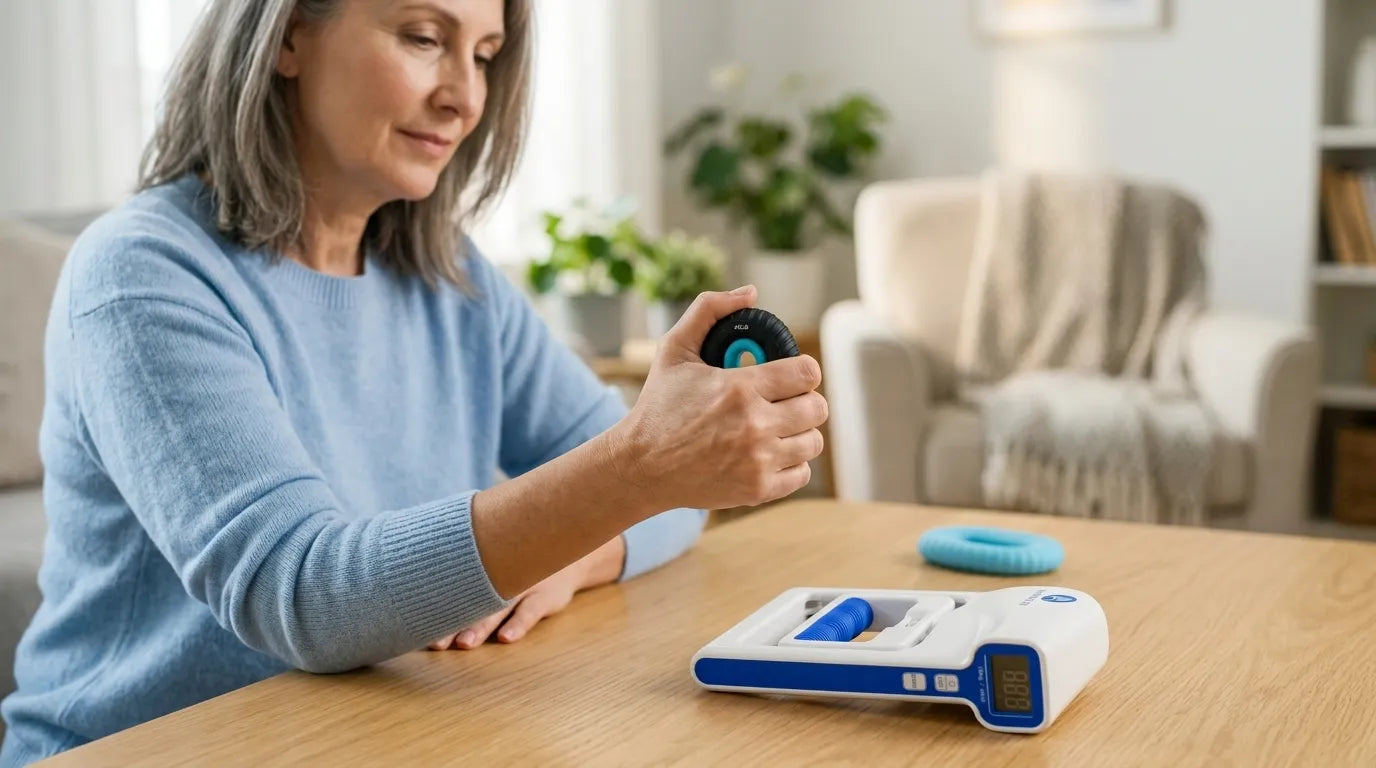
Regaining hand function after a stroke is one of the most challenging parts of neurological recovery. Simple daily tasks—holding utensils, buttoning clothing, or picking up objects—can suddenly feel difficult or impossible.
The good news is that the brain has an extraordinary ability to adapt. Through a process called neuroplasticity, repetitive, purposeful movement can help rebuild communication pathways between the brain and hand over time.
Research in stroke rehabilitation suggests that task-specific, repetitive training is one of the most effective ways to improve hand function after stroke when combined with consistent practice and proper progression.
At Handexer, we focus on restoring natural hand function through a method of Assessment → Training → Functional Recovery → Tracking, rather than simply increasing grip strength.
Below are 8 clinically-informed hand exercises for stroke recovery commonly used in rehabilitation programs to improve dexterity, coordination, flexibility, and functional independence at home.
⚠️ Note: Always consult your physical or occupational therapist before beginning any exercise program to ensure it matches your recovery stage.
Stroke Hand Recovery Exercises
These 8 exercises are commonly included in clinical rehabilitation programs and are designed to improve mobility, coordination, and functional independence.
Early Mobility & Flexibility Exercises
1. Passive-to-Active Finger Stretch
Start by gently using your unaffected hand to extend the fingers of your affected hand. Hold for 5–10 seconds, then attempt to maintain the position actively.
Why it works:
Helps maintain joint range of motion while stimulating early motor reactivation in the brain, supporting early-stage neuroplastic recovery.
2. Tendon Glides (For Hand Stiffness Relief)
Move slowly through a sequence: straight hand → hook fist → full fist → flat palm
Why it works:
Improves tendon mobility, reduces stiffness, and retrains coordinated finger movement patterns needed for functional grasping.
3. Assisted Finger Spreading
Place your hand flat and gently use your unaffected hand to spread fingers apart, then bring them back together slowly.
Why it works:
Improves inter-finger coordination and restores natural hand spacing often reduced after neurological injury.
Strength & Coordination Training
4. Controlled Palm-Up / Palm-Down Rotations
Rest your forearm on a table and slowly rotate your palm up and down.
Why it works:
Restores forearm rotation needed for daily activities such as eating, writing, and object handling.
5. Functional Squeeze and Release
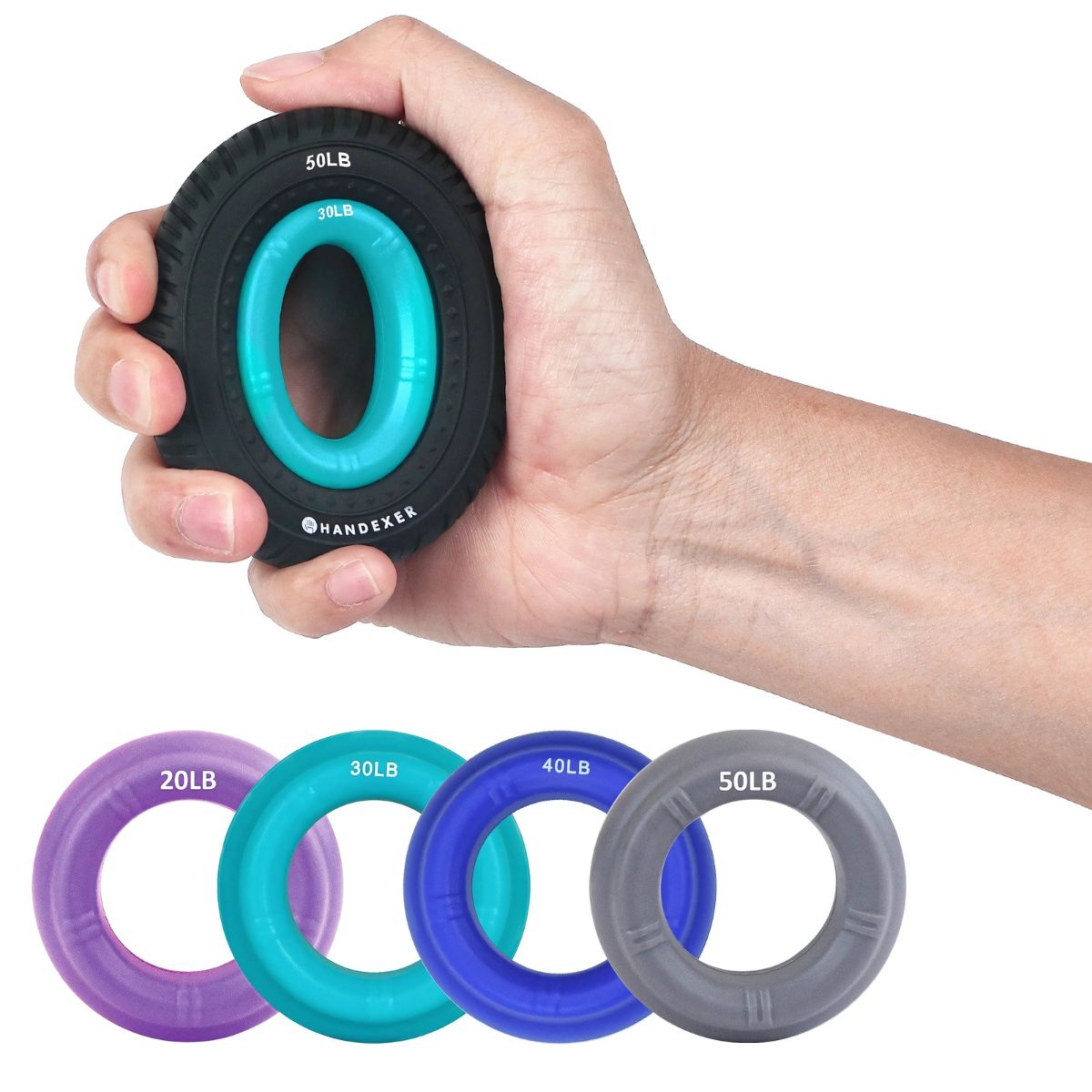
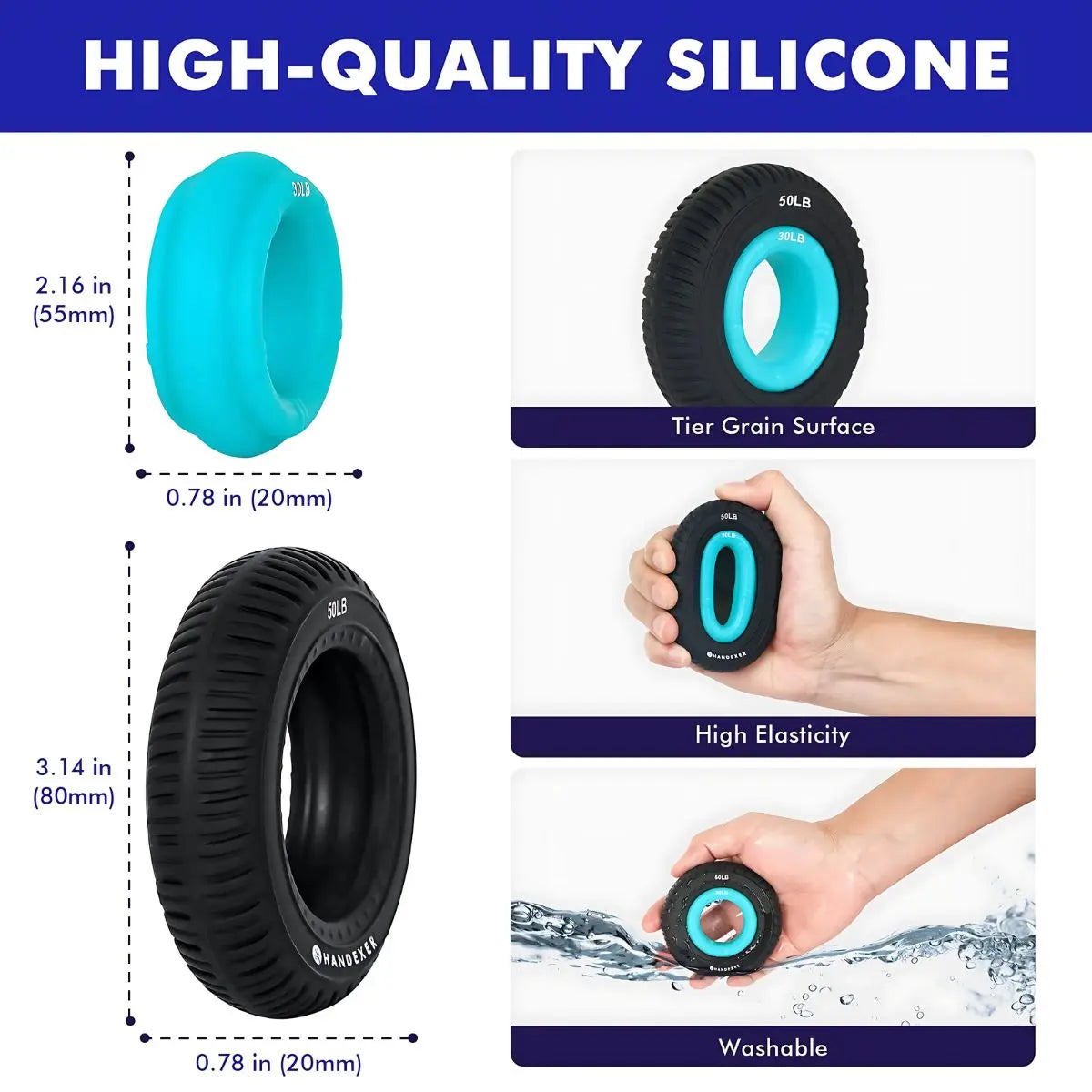
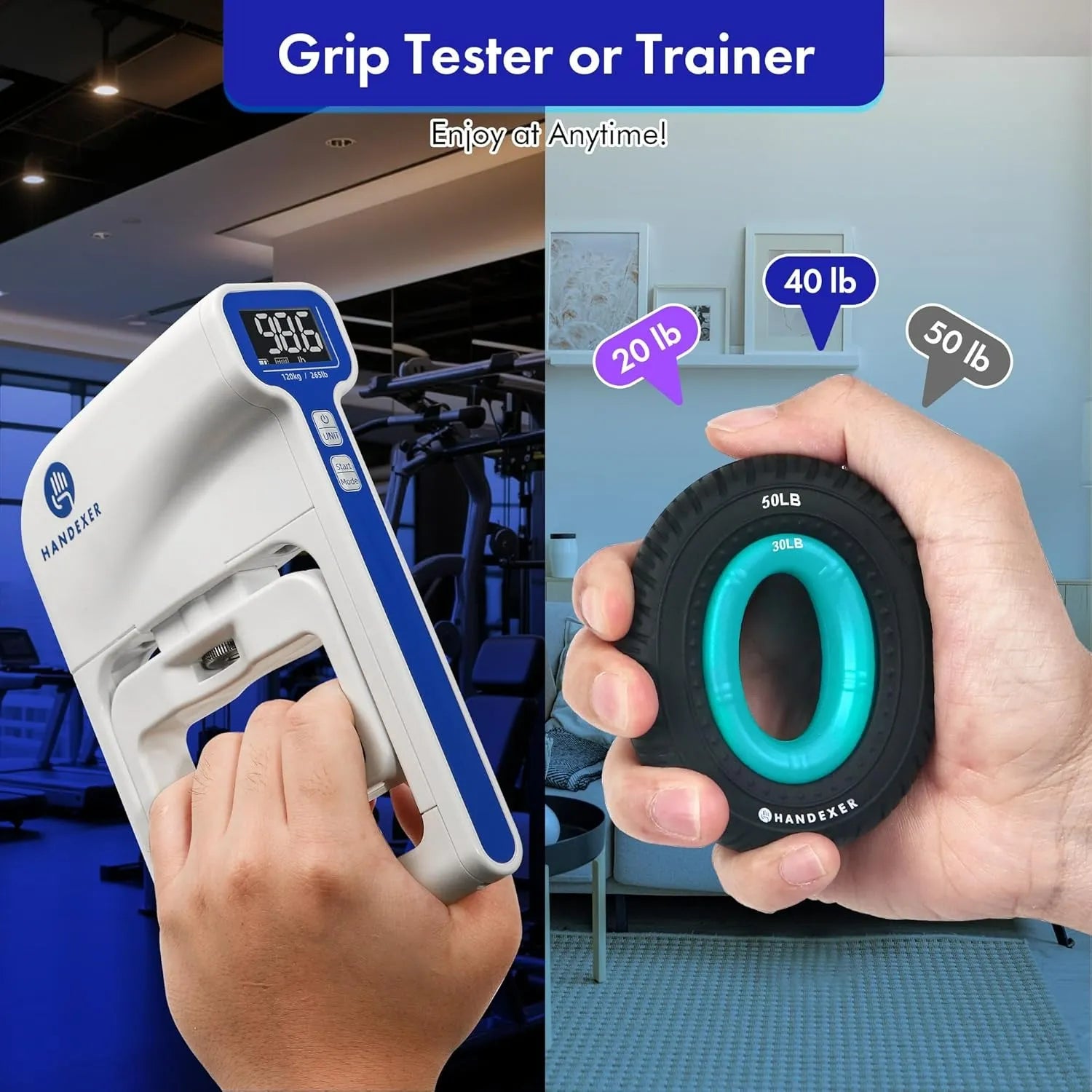
Use a low-resistance hand trainer and focus on both squeezing and slow, controlled release.
Why it works:
Releasing requires higher neurological control than squeezing and is essential for rebuilding fine motor coordination.
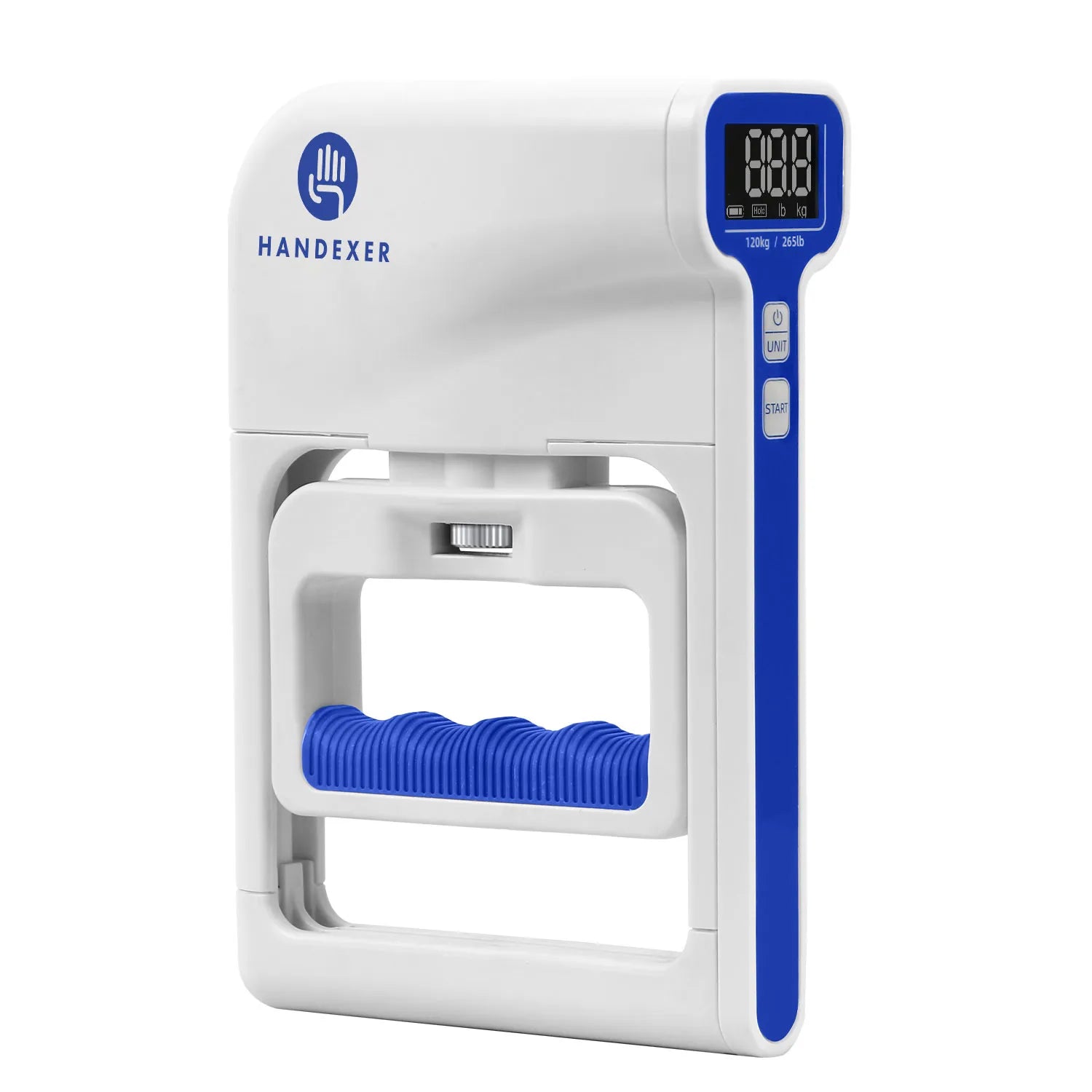
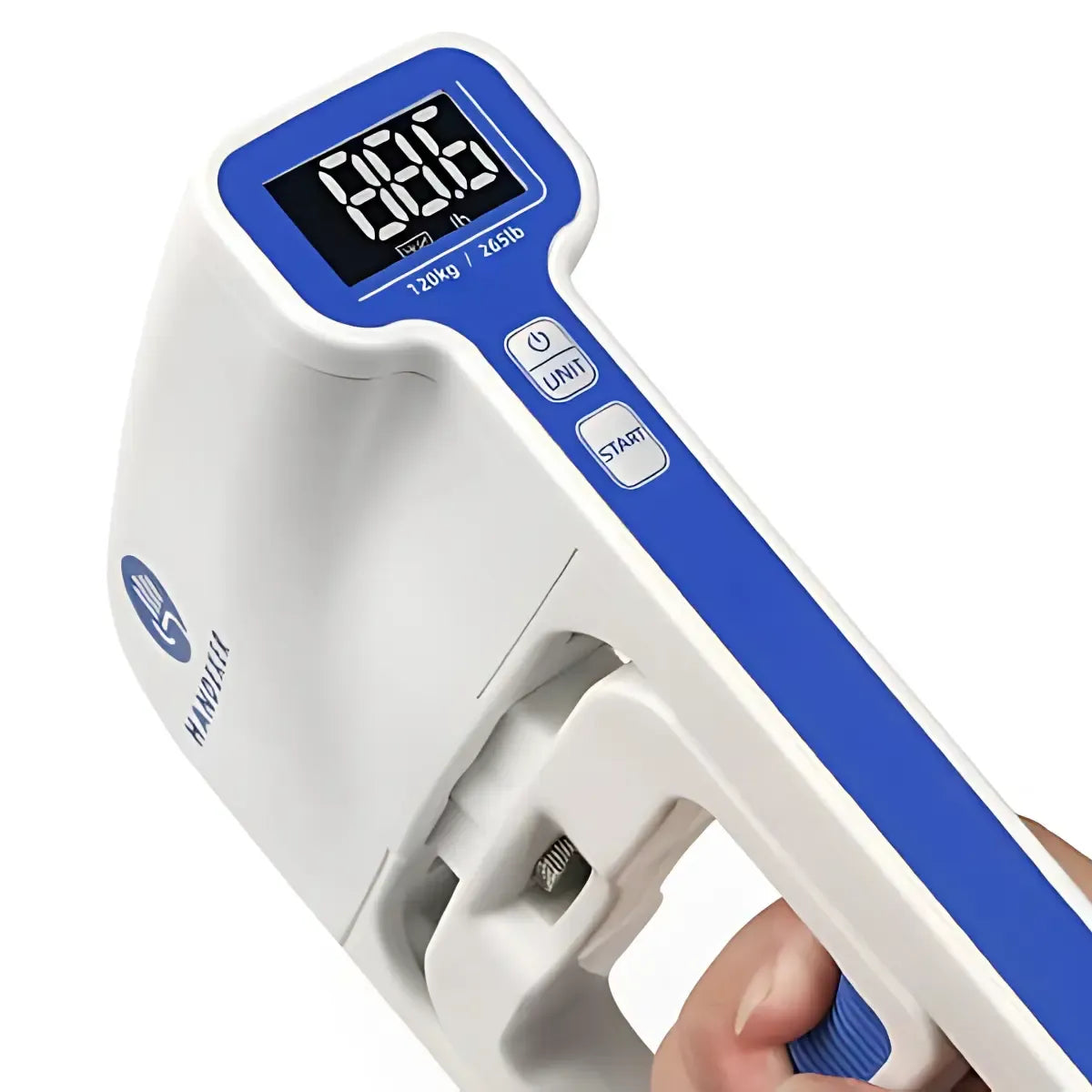
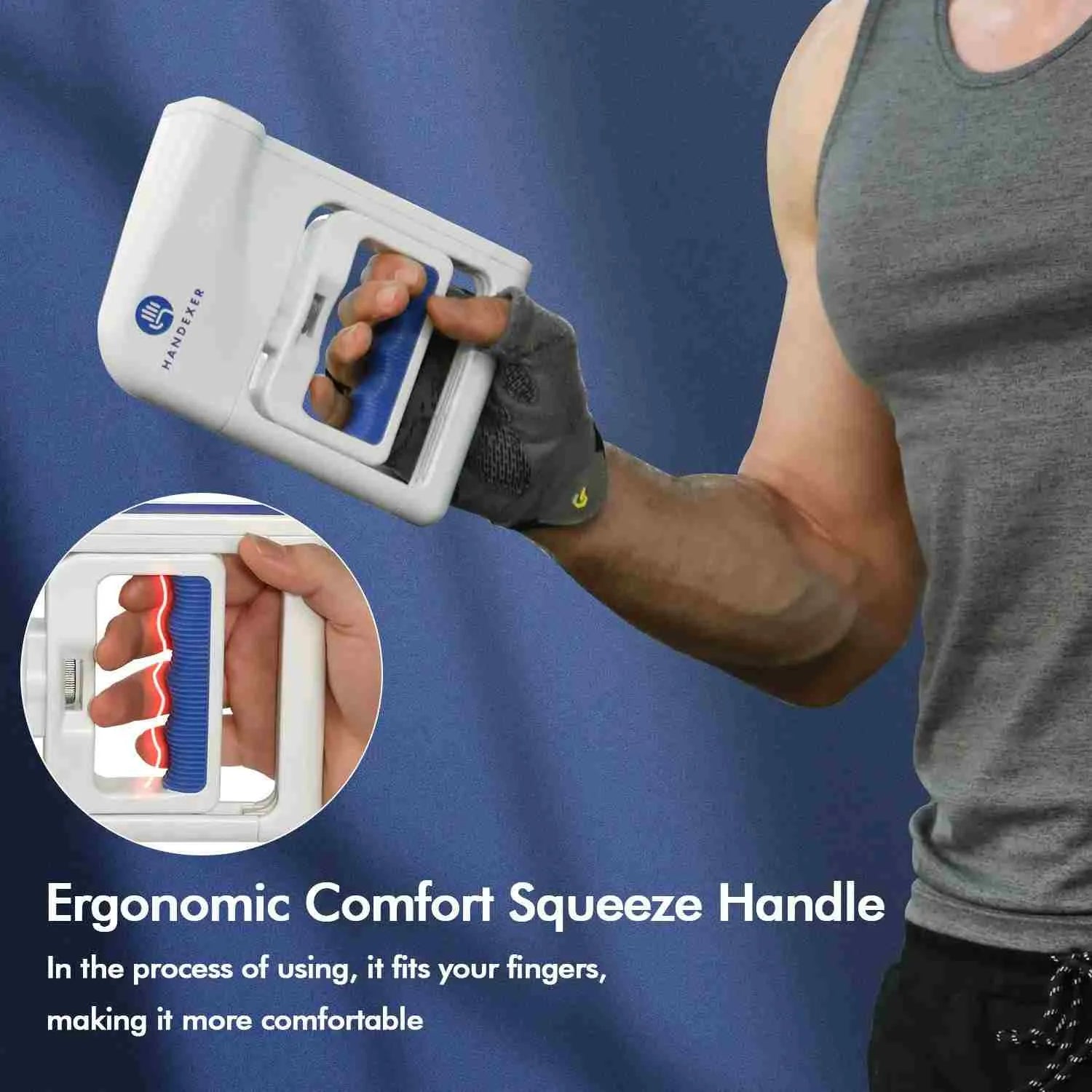
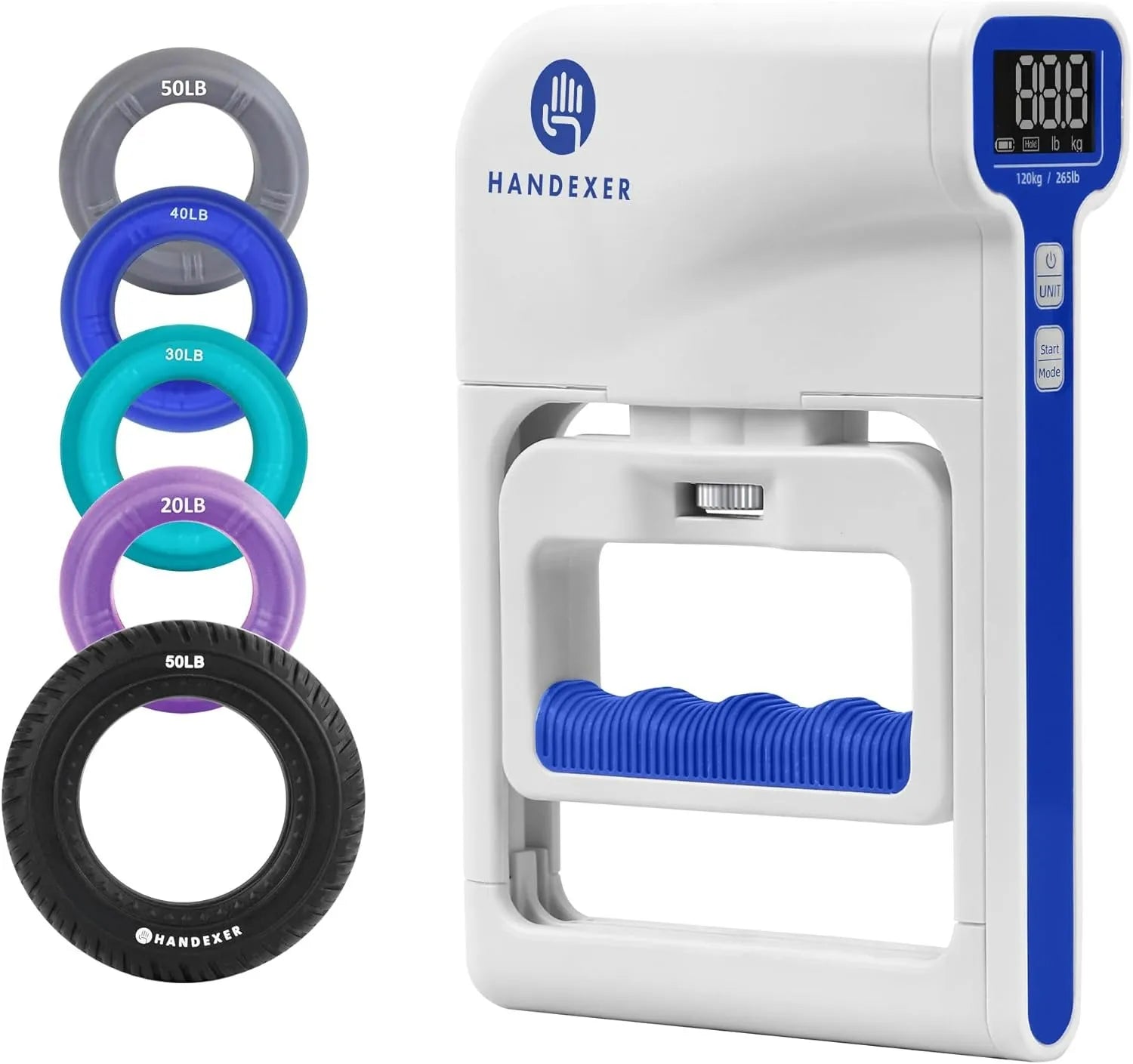
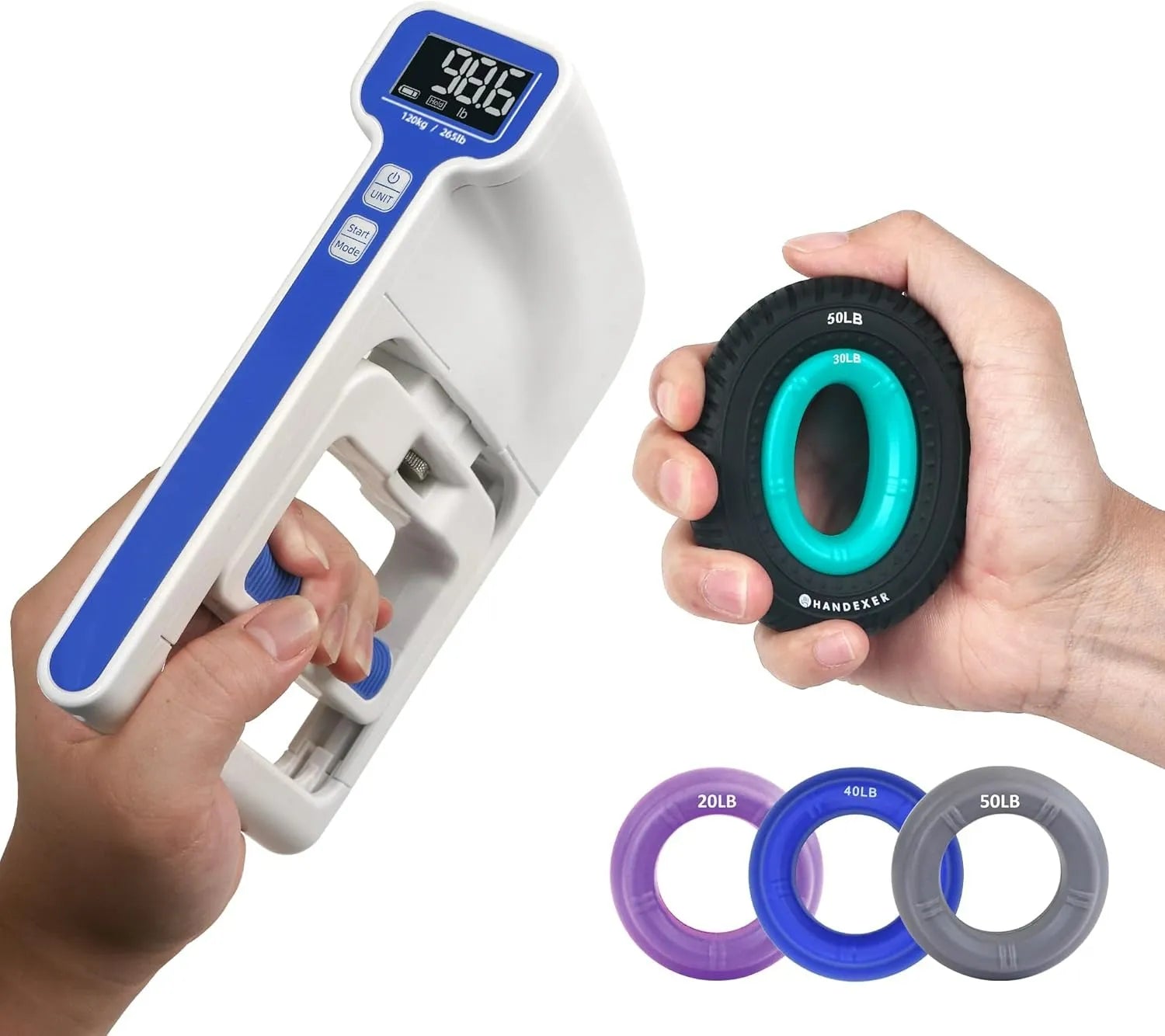
👉 For patients who struggle with consistent grip control, a low-resistance hand therapy tool can help provide structured resistance and make training more measurable.
6. Thumb Opposition Training
Touch the tip of your thumb to each fingertip one at a time in a slow and controlled motion.
Why it works:
Retrains precision grip patterns needed for buttoning, picking up small objects, and writing.
Functional Recovery Exercises
7. Wrist Extension and Flexion
Gently bend your wrist upward and downward within a pain-free range.
Why it works:
The wrist provides the functional base for all hand movements. Improving wrist stability enhances overall hand control.
8. Object Retrieval Practice
Practice picking up lightweight objects (foam blocks, paper cups, therapy tools) and placing them down carefully.
Why it works:
Transforms isolated movement into real-world functional ability, reinforcing brain-to-hand motor mapping.
The Importance of Tracking Your Recovery Progress
In stroke rehabilitation, progress is often slow and incremental. Without measurement, improvement is difficult to recognize and maintain.
Tracking transforms subjective effort into objective progress.
By recording:
- range of motion
- repetitions completed
- task success rate
👉 Patients who track recovery consistently are more likely to maintain long-term rehabilitation adherence and motivation.
How to Make Your Recovery More Effective
Instead of treating these exercises as isolated movements, combine them into a structured routine:
- Assess your current ability level
- Train with targeted movements
- Track progress consistently
- Adjust intensity based on improvement
This system-based approach helps ensure that recovery is both measurable and sustainable.
Your Recovery Journey Starts With Small, Measurable Steps
If you’re serious about improving hand function, the next step is not doing more exercises—it’s understanding your current level and tracking progress over time.
You can start by:
- using a simple recovery tracking sheet
- identifying weak movement patterns
- gradually building a structured home routine
From there, adding the right rehabilitation tools can help support more targeted and efficient recovery.
FAQ
Q1: Is it normal for my hand to feel very weak or “not respond” after a stroke?
Yes. Hand weakness after stroke is very common because the brain is relearning motor control. This is part of the stroke recovery process, not permanent muscle loss.
Q2: How often should stroke survivors do hand exercises?
Most therapists recommend practicing hand exercises consistently, often daily or several times per week depending on recovery stage and fatigue levels. Short, regular sessions are generally more effective than occasional intensive training.
Q3: Why is my hand stiff after stroke?
Post-stroke hand stiffness is often caused by spasticity and reduced movement. Regular hand rehabilitation exercises can help improve flexibility and reduce stiffness over time.
Q4: Can I fully recover hand function after a stroke?
Some patients regain full hand function after stroke, while others achieve partial recovery. Outcomes depend on stroke severity and consistency of rehabilitation.
Q5: Can hand exercises be done at home after stroke?
Yes. Many stroke recovery hand exercises can be safely practiced at home with therapist guidance. Structured home rehabilitation is often an important part of long-term recovery.






Share:
How to Use Grip Rings for Hand Strength Training
Musician Hand Training Mistakes: Why Strength Training Can Hurt Your Playing