
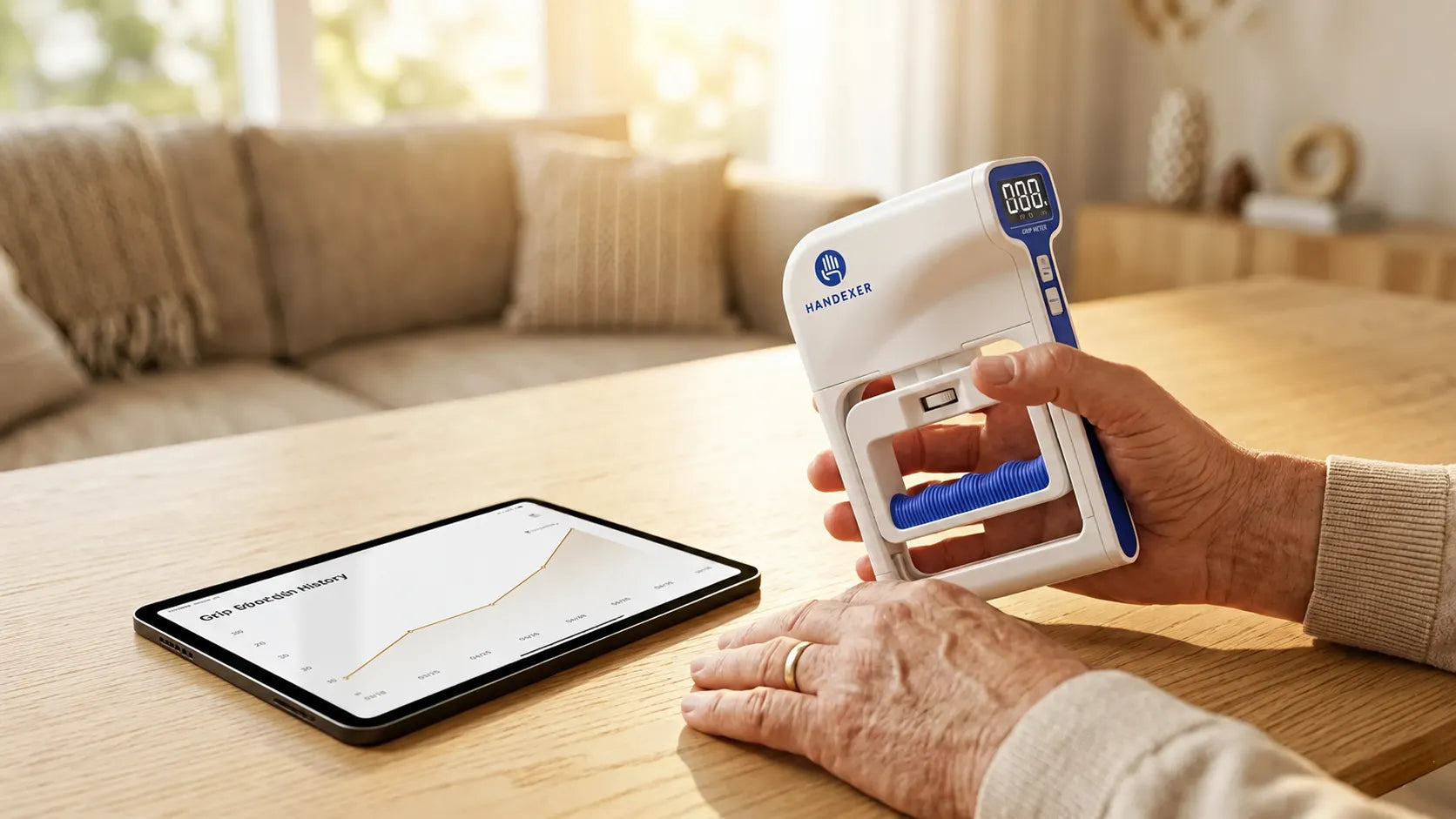
Recovering hand function after a stroke can feel slow, frustrating, and unpredictable. Some days you may notice small improvements, while other days progress seems to stall completely. This is normal—and it does not mean recovery has stopped.
The good news is that the brain is capable of rebuilding movement patterns through a process called neuroplasticity. With the right combination of repetitive training, structured progression, and consistent daily practice, meaningful improvement is possible even long after a stroke.
This guide will walk you through how hand recovery actually works, what exercises are effective at home, and how to structure your training for better results.
What Happens to Your Hand After a Stroke?
A stroke disrupts communication between the brain and the muscles in your hand. Depending on the area affected, this can lead to:
- Weak grip strength
- Difficulty opening or closing the hand
- Poor finger coordination
- Muscle stiffness or spasticity
- Reduced sensation or control
Importantly, the muscles themselves are often still functional. The main issue is that the brain has lost efficient control pathways.
Can Hand Function Really Come Back?
Yes—but not in the way many people expect.
Most People Can Improve — But Outcomes Vary
In most cases, with appropriate rehabilitation, hand function after stroke can improve significantly. However, full recovery depends on the severity of the stroke and the quality of rehabilitation training.
Even partial recovery can greatly improve independence in daily life.
The Core Mechanism: Neuroplasticity
Recovery after stroke is driven by neuroplasticity — the brain’s ability to reorganize and form new connections after injury.
In neurorehabilitation research, repetitive task-specific training has been shown to effectively stimulate this process and support functional recovery.
With consistent, purposeful movement:
- New neural pathways are strengthened
- Undamaged brain regions begin to compensate
- Motor control and coordination gradually improve
This is why effective recovery depends on structured, repetitive training, rather than irregular or unplanned practice.
Why Many People Plateau
Recovery often slows down—not because improvement is impossible, but because:
- training becomes inconsistent
- exercises lack progression
- there is no way to track improvement
Without structure, it becomes difficult to measure whether progress is actually happening.
What Actually Drives Long-Term Improvement
Because long-term clinical rehab is often limited, much of stroke recovery happens at home. Progress depends less on occasional effort and more on consistent, structured practice over time.
Regular, purposeful hand training helps the brain adapt through repetition and gradual challenge. With the right methods and steady effort, meaningful improvement can still occur—even in long-term recovery.
4 Proven Principles to Restore Hand Function
To build those new neural pathways and improve hand function, you need a strategy that goes beyond simply squeezing a cheap fitness gadget. True recovery requires a structured approach:
1. Assess Your Starting Point Clearly
You cannot manage what you do not measure. Before starting an exercise routine, you need to understand your current hand health baseline.
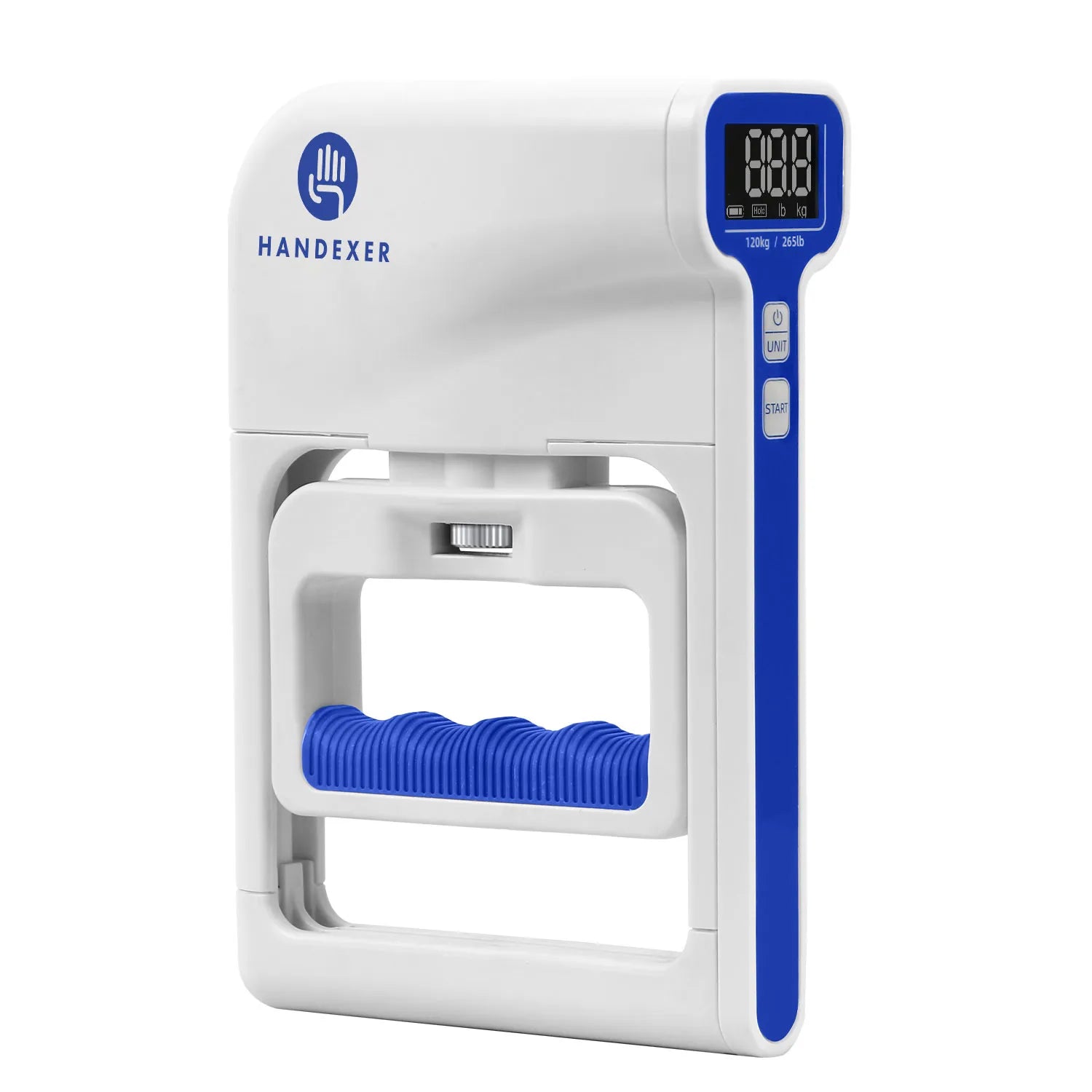
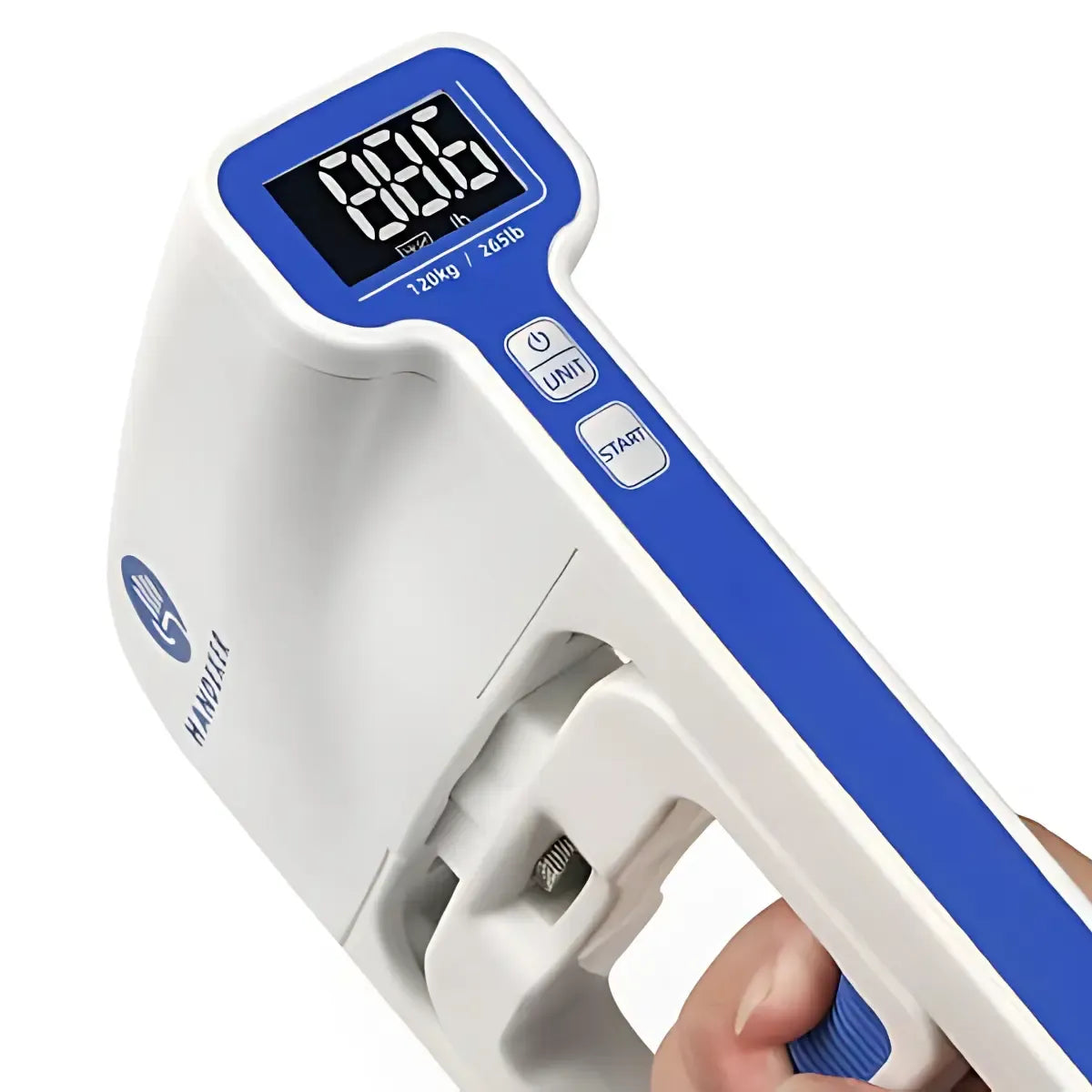
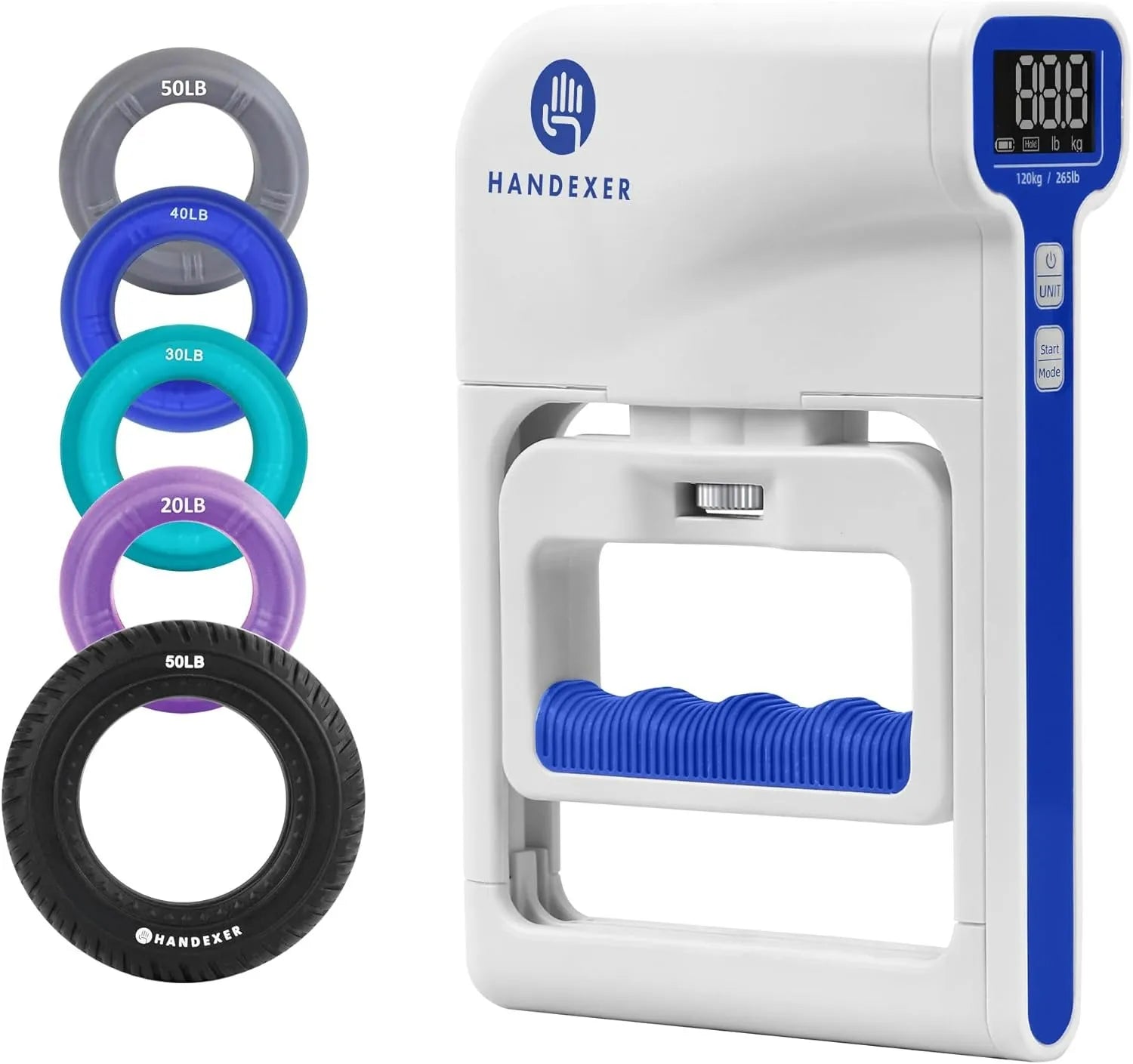
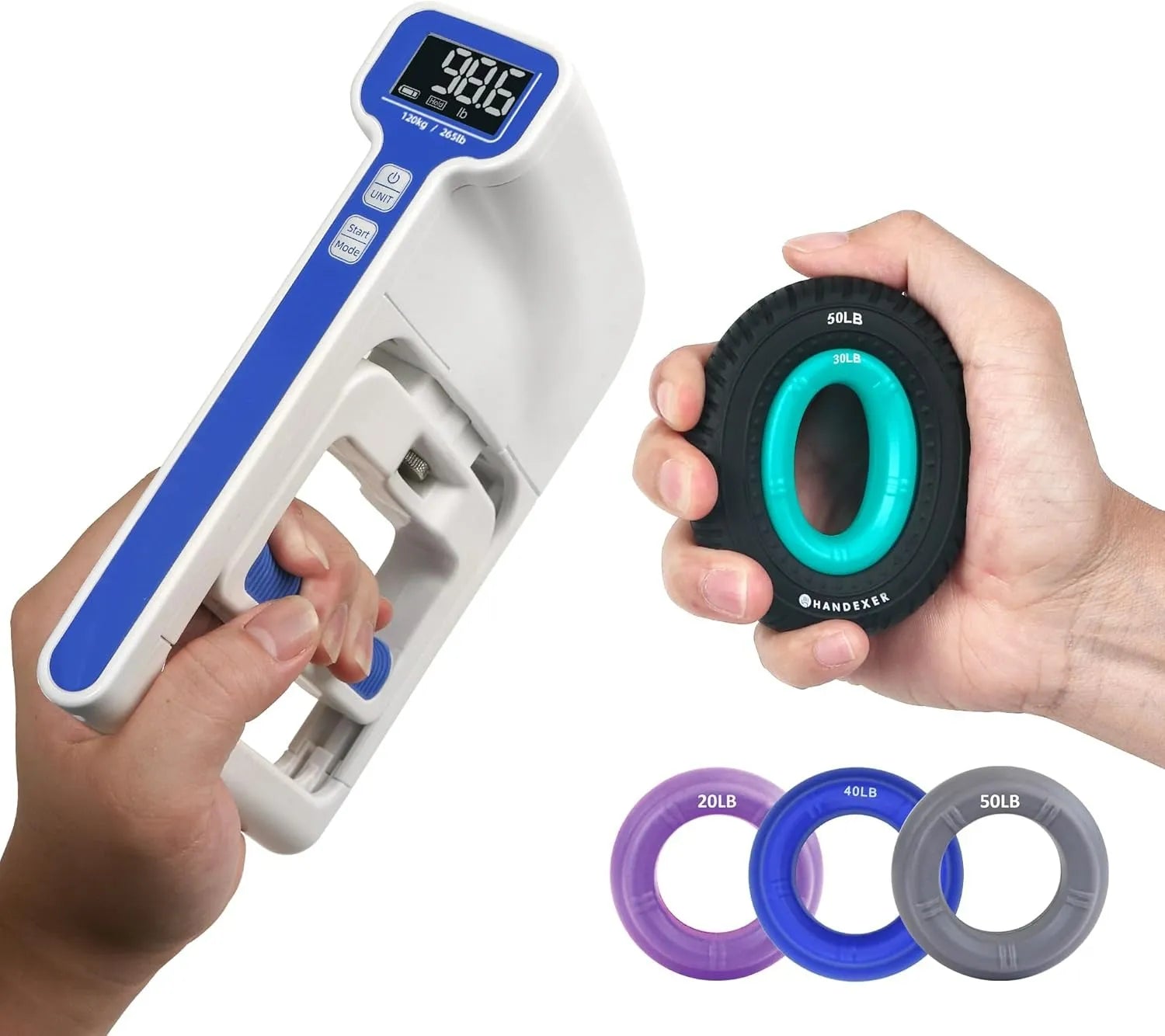
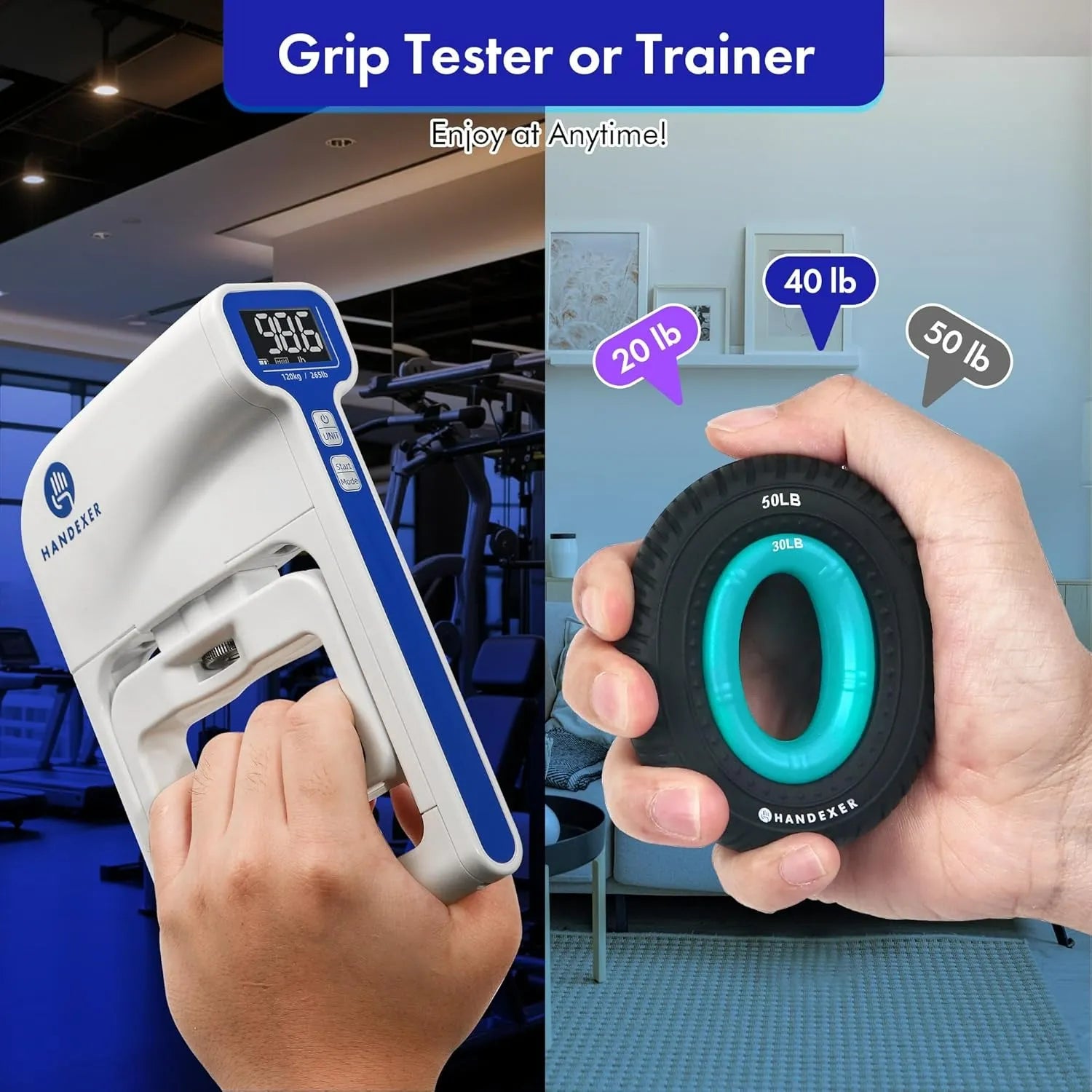
Using a professional digital hand dynamometer allows you to measure your grip strength precisely. Knowing your exact numbers gives you a clear, objective starting point, allowing you to set realistic goals rather than guessing your functional capacity.
2. Embrace High-Repetition Training
Neuroplasticity thrives on repetition. The brain learns through trial and error over time.
Whether you are practicing flipping over playing cards, stacking cups, or using a specialized hand exerciser, high-repetition movements lock in "motor memory".
Over time, this repetition makes the movement more automatic, reducing the mental fatigue associated with trying to move your weak hand.
This is why consistent hand exercises are recommended even months or years after a stroke.
3. Seek the "Progressive Challenge"
Repetition is essential, but if a task becomes too easy, the brain stops adapting.
To see continuous recovery, you must find the "sweet spot" of difficulty. A recognized rule among physical and occupational therapists is that once you can successfully complete a task 7 out of 10 times, it is time to make it harder.
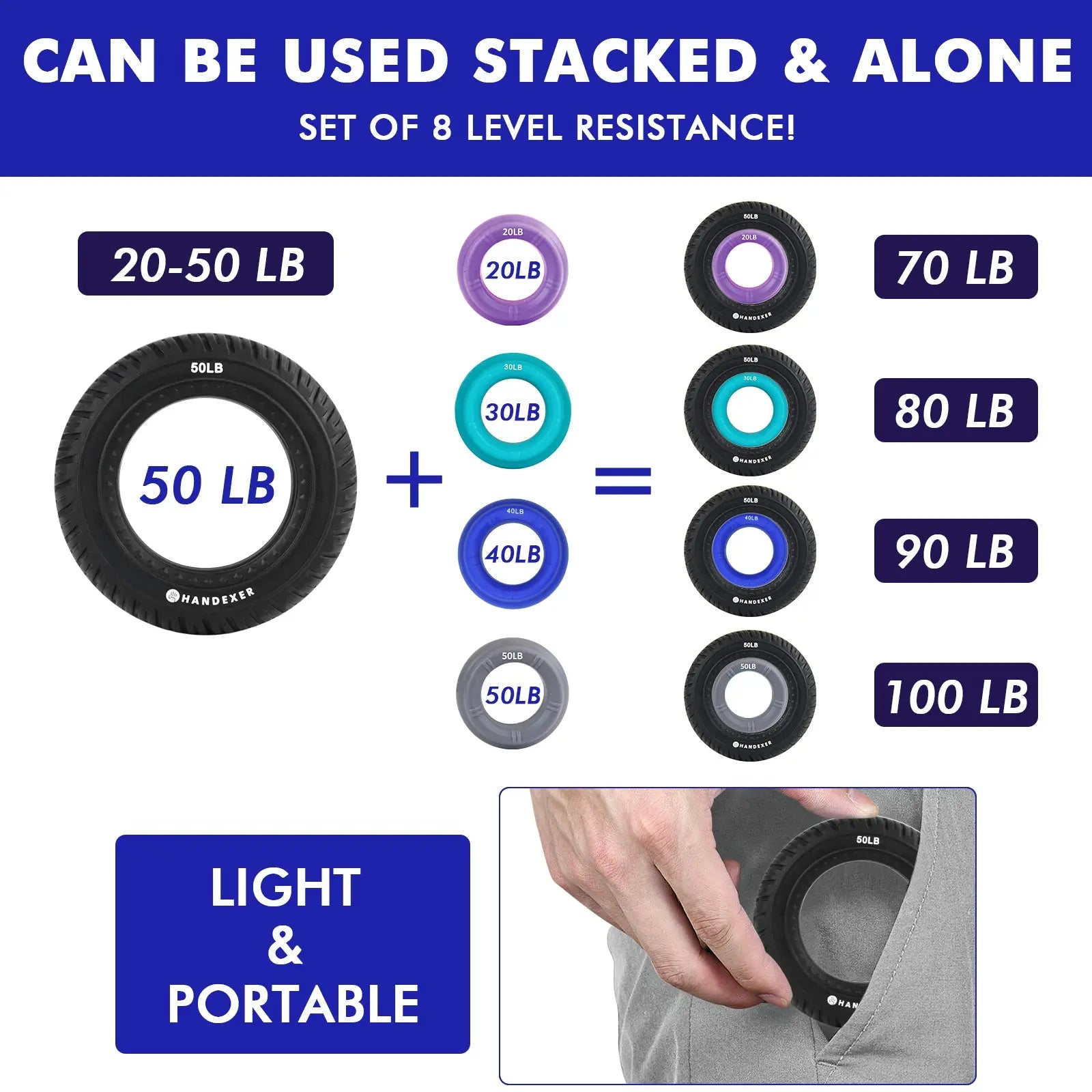
You can increase the challenge by doing the movement faster, using a heavier object, or systematically increasing the resistance on your hand training device.
4. Daily Tasks Matter More Than You Think
Recovery isn’t just about structured exercise. Everyday activities also play an important role in rebuilding hand function.Activities like:
- Holding a cup
- Folding clothes
- Stabilizing objects
may seem simple, but they help retrain the brain through real-life movement patterns.
👉 Combining daily activities with supportive hand training tools can improve consistency, increase safe training intensity, and make progress easier to track.
Why Tracking Your Progress is Crucial for Home Recovery
One of the biggest challenges in stroke recovery is lack of visible progress.
Because neuroplastic changes are slow, it is common to feel stuck—even when improvement is happening.That’s why tracking is essential.
Using measurement tools helps turn: subjective feeling → objective data
Even small improvements in grip strength create strong psychological motivation to continue training.
👉Track your hand health journey with precision. Explore our assessment tools.
Choosing the Right Tools for Your Recovery Journey
As you build your at-home therapy routine, look for tools designed for recovery, not just heavy fitness lifting. Your focus should be on home and light clinical use—equipment that is precise, trustworthy, and functional.
Instead of relying on a disorganized collection of random tools, look for a system that helps you:
-
Assess: Measure your exact grip strength safely.
-
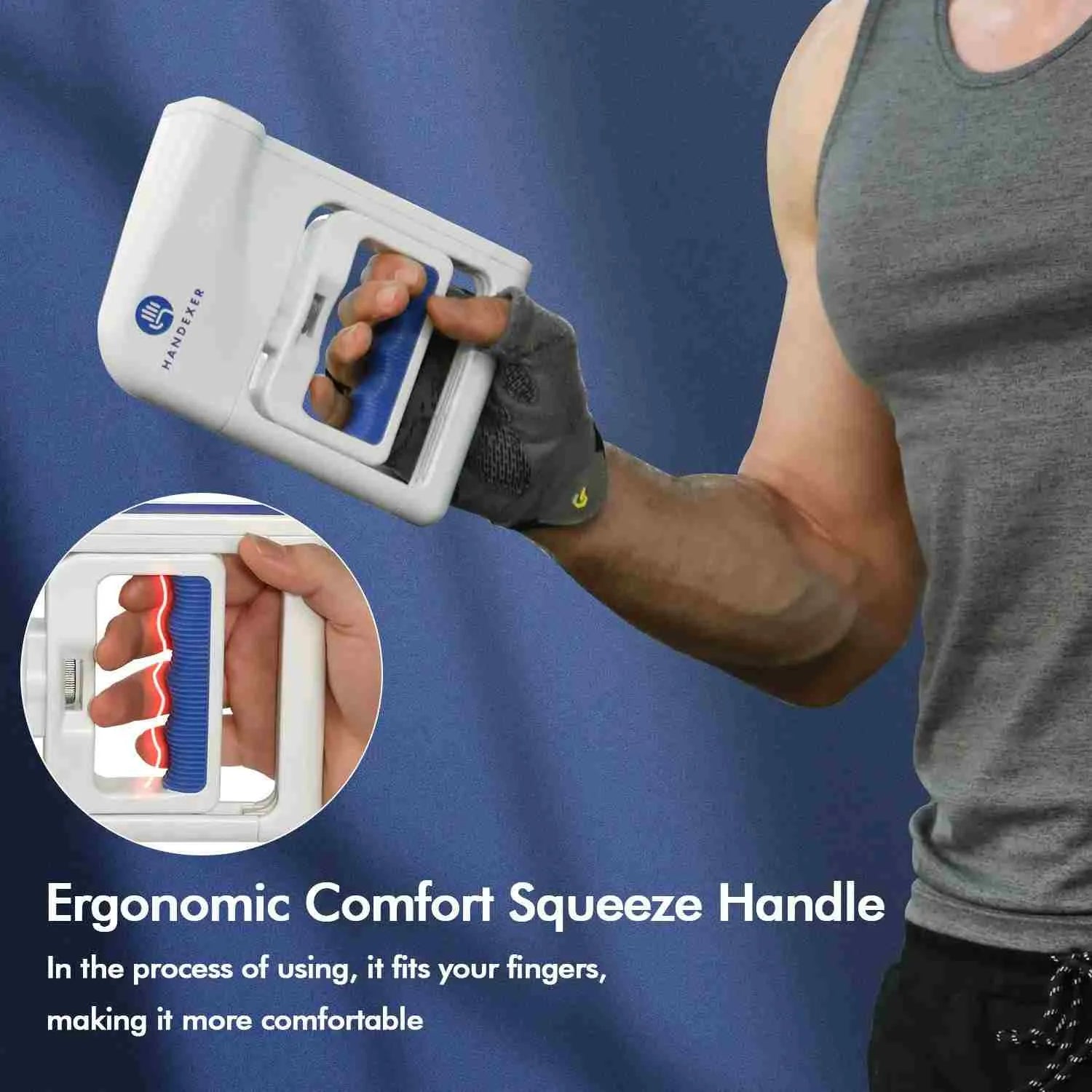
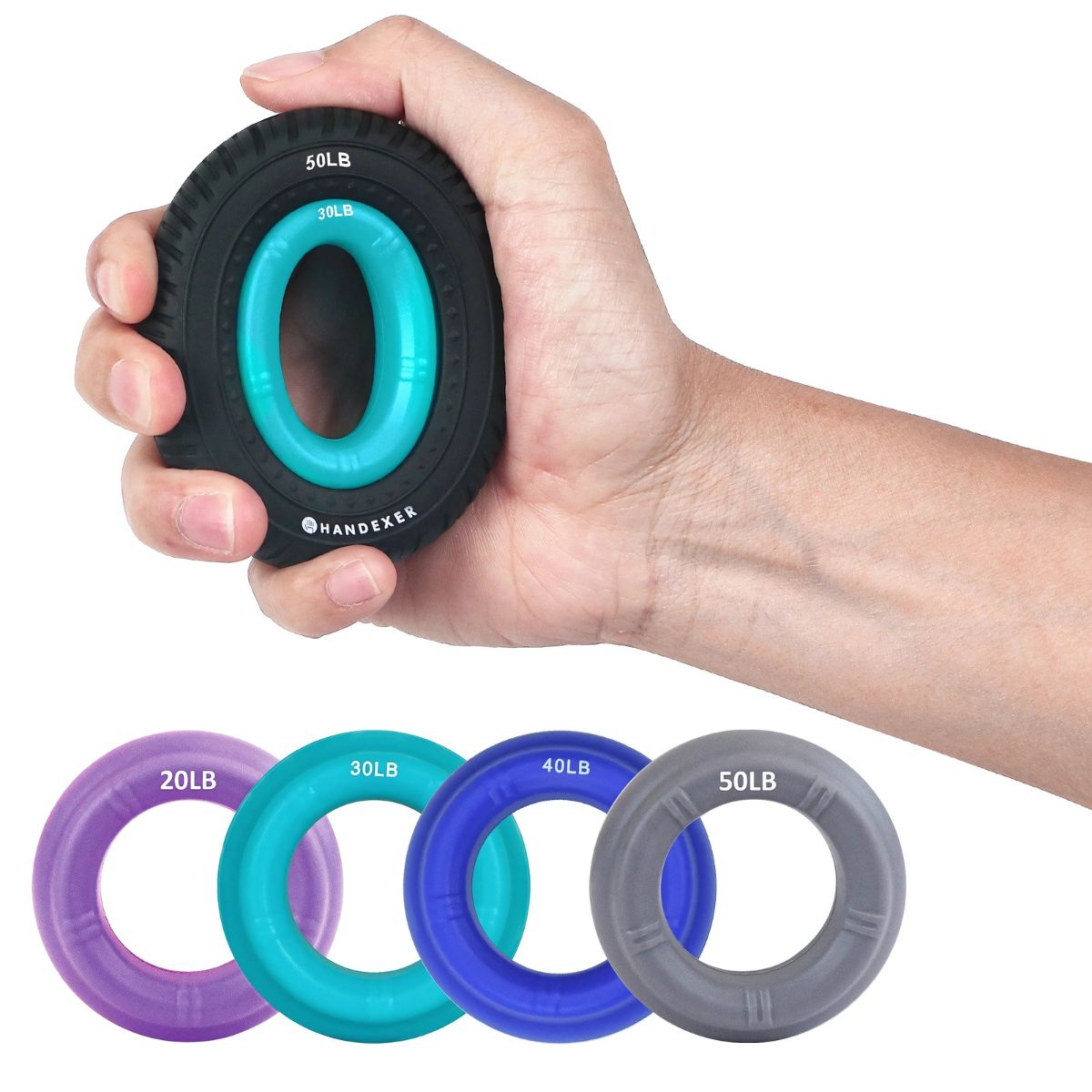
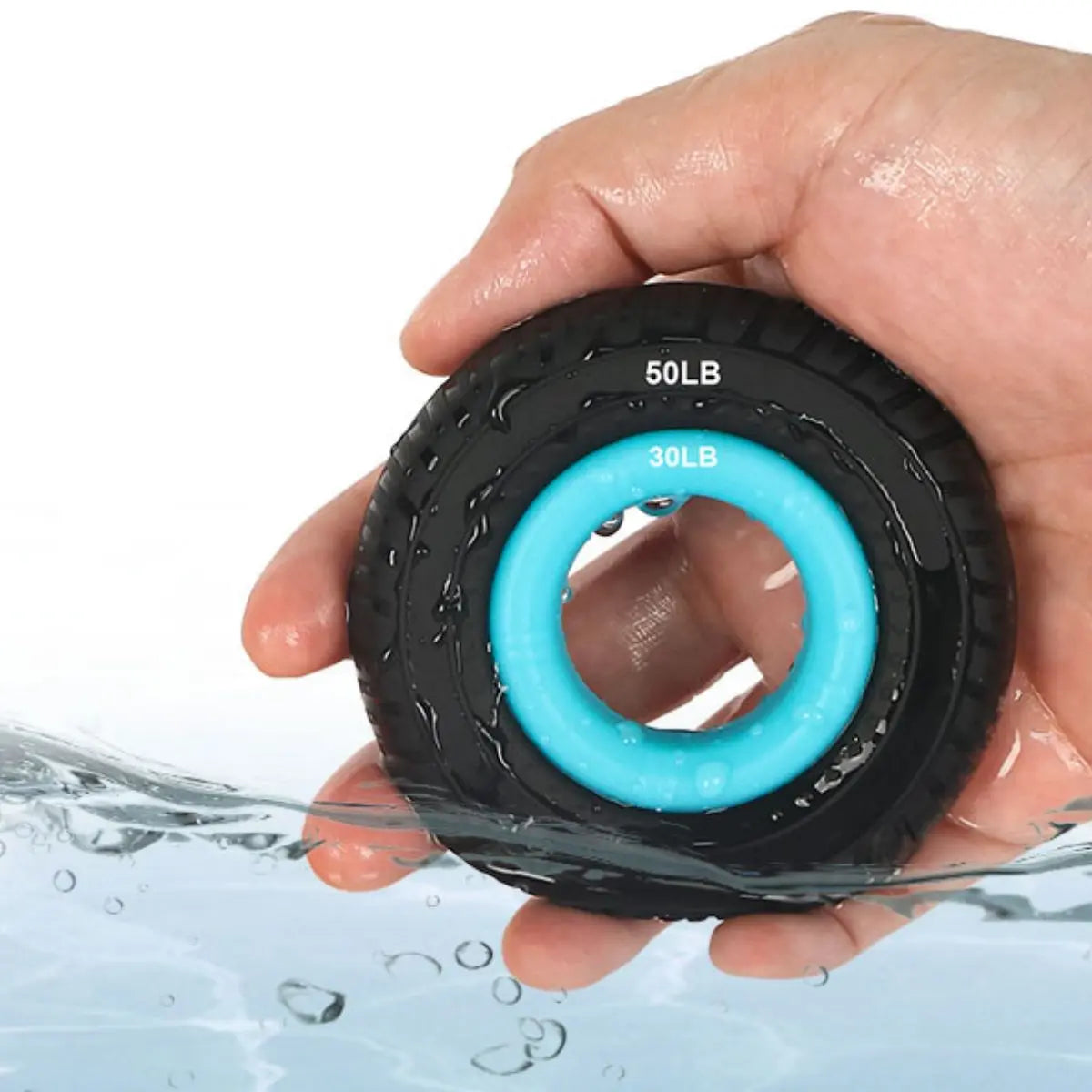
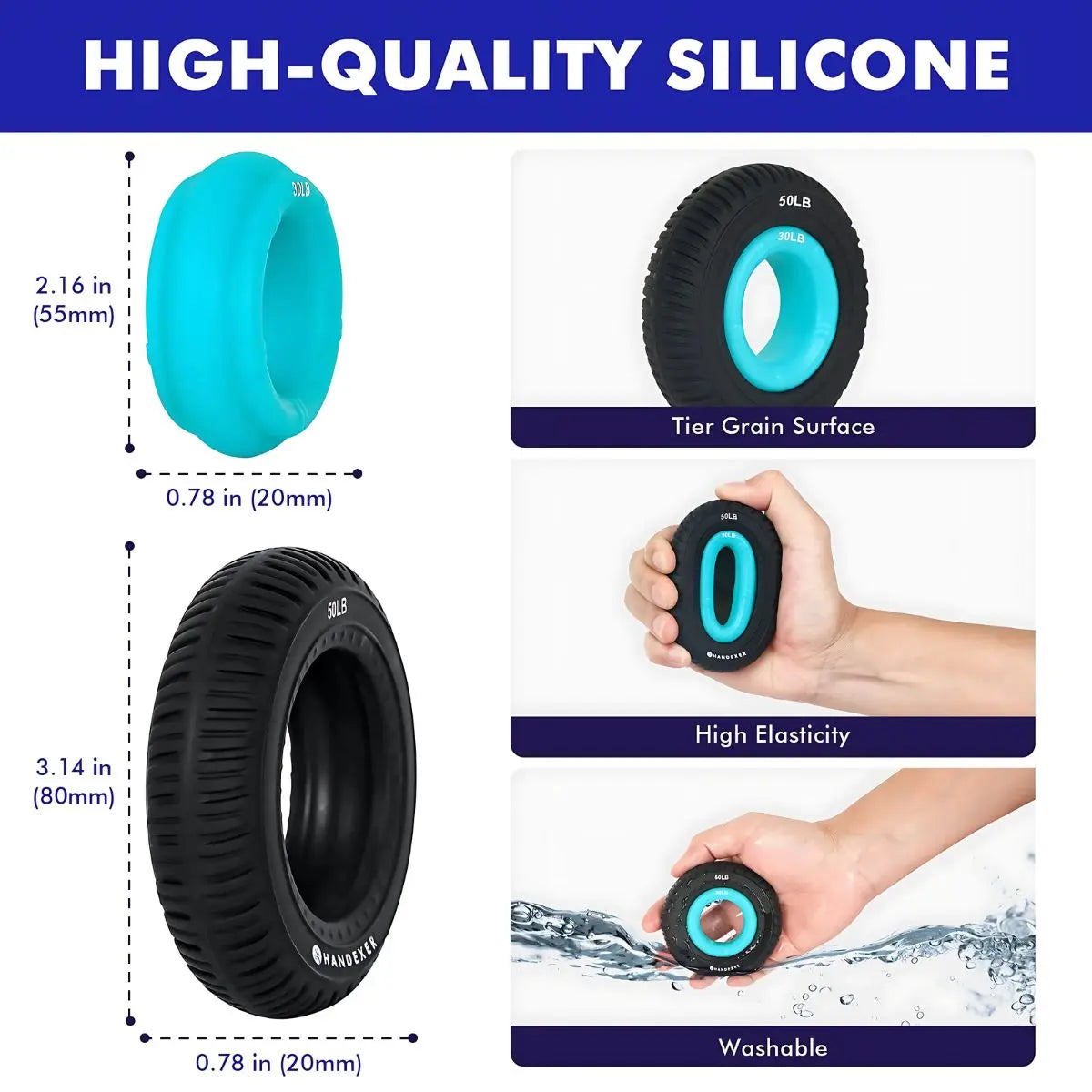
Train: Use adjustable, low-resistance hand exercisers and recovery sets that allow you to start gently and scale up.
-
Recover: Utilize hot/cold therapy or soft tissue massage to manage spasticity and muscle tightness.
-
Track: Record your numbers over time to visualize your improvement.
Every step you take, and every millimeter of movement you regain, is a victory. Measure clearly, train with purpose, and recover with confidence.
Measure clearly, train with purpose, and recover with confidence. Discover Handexer’s professional hand health system today.
FAQ
How long does it take to regain hand function after a stroke?
It varies. Some people see improvement within weeks, while others continue improving for years with consistent training.
What is the most important exercise for recovery?
No single exercise works best. Repetition, consistency, and real-life use are the most important factors.
Can I recover at home without therapy?
Yes, especially with structured routines. However, guidance from professionals can improve outcomes.
Why is my hand stiff after a stroke?
Stiffness is usually caused by spasticity, where muscles tighten due to disrupted brain signals.
Should I force my hand to move?
No. Movements should be safe and controlled—but regular use is essential for recovery.






Share:
Are Hand Grippers Effective?The Truth About Building Real Hand Function
Fix Tennis Elbow Fast: Exercises, Stages & Recovery Strategy Backed by Science