
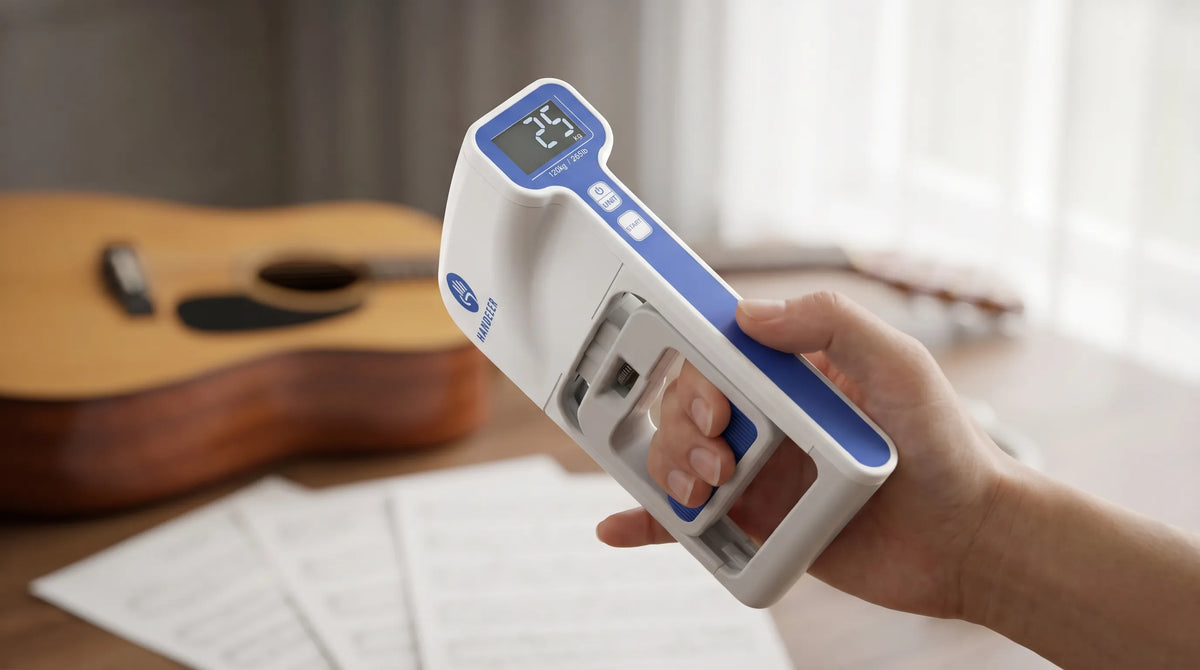
Managing musician RSI takes more than rest or heavy grippers. Performance relies on fine motor control, finger independence, and endurance—not maximum squeezing force.
Focus on modifying aggravating habits and following three practical phases: (1) Gentle tendon glides, (2) Low-resistance extension & isometric drills, and (3) Paced return to playing.
Why Musicians Need a Different Approach to Hand Strength
Unlike powerlifters or climbers who train for peak force, musical performance depends on four distinct qualities:
From a pianist's keystrokes and a guitarist's fretting to a violinist's sustained hold or a drummer's wrist control, generic heavy-grip routines rarely support instrument-specific mechanics.
Understanding Musician RSI: Why Discomfort Can Persist
Persistent discomfort does not always mean ongoing tissue damage. Prolonged overuse can sensitize the nervous system, causing familiar motions—like wide octaves, vibrato, or tremolo picking—to trigger protective tension.
Common signs include:
- Discomfort shifting between the hand and forearm
- Flare-ups during stressful rehearsals or performances
- Perceived weakness despite normal medical imaging
- Hand tightness while playing, even when daily tasks feel fine
Systematic reviews—including a 2026 overview—identify repetitive motion, intense practice schedules, and ergonomics as key contributors, highlighting individualized load management over one-size-fits-all workouts.
Four Common Musician Hand Training Mistakes
If your hands feel stiffer or slower after training, check whether you are making these mistakes:
Training Grip Strength Like a Bodybuilder
Heavy coil grippers fatigue already overworked forearms, reducing finger fluidity during rapid passages. Controlled endurance matters far more than peak crushing force.
Ignoring the Finger Extensors (The Opening Muscles)
Playing constantly loads finger flexors (pressing keys, strings, or sticks). Adding gentle finger-opening drills restores muscular balance and smooth release.
Skipping Warm-Ups Before High-Tension Repertoire
Jumping straight into demanding passages shocks stiff tendons. Ease in gradually:
Pushing Through Sharp Pain or Numbness
Mild fatigue is normal; sharp pain, tingling, numbness, or loss of control is not. Stop immediately and seek professional assessment rather than training through nerve irritation.
Learn to spot fatigue patterns early: How to Tell If You Are Overtraining (And How to Track Recovery).
The 3-Phase Musician Hand Conditioning Approach
Rebuild comfort and stamina gradually. Adjust all repetitions to your symptom tolerance (these starting ranges are illustrative examples, not a clinical protocol).
Gentle Tendon Glides
Move slowly through these five positions (5–8 reps per hand) to ease stiffness without adding resistance. Stop if sharp pain occurs.
Visual reference: NHS tendon gliding exercise guide. Consult a hand therapist if you have swelling or recent surgery.
Finger Extension & Isometric Control
Once mobility is comfortable, add light resistance—and check how your hands feel the next day before increasing load:
Antagonist Finger Extensions
Spread fingers slowly against a light silicone band, hold 2 seconds, and return smoothly. Start with 1 set of 8–10 reps.
Submaximal Isometric Holds
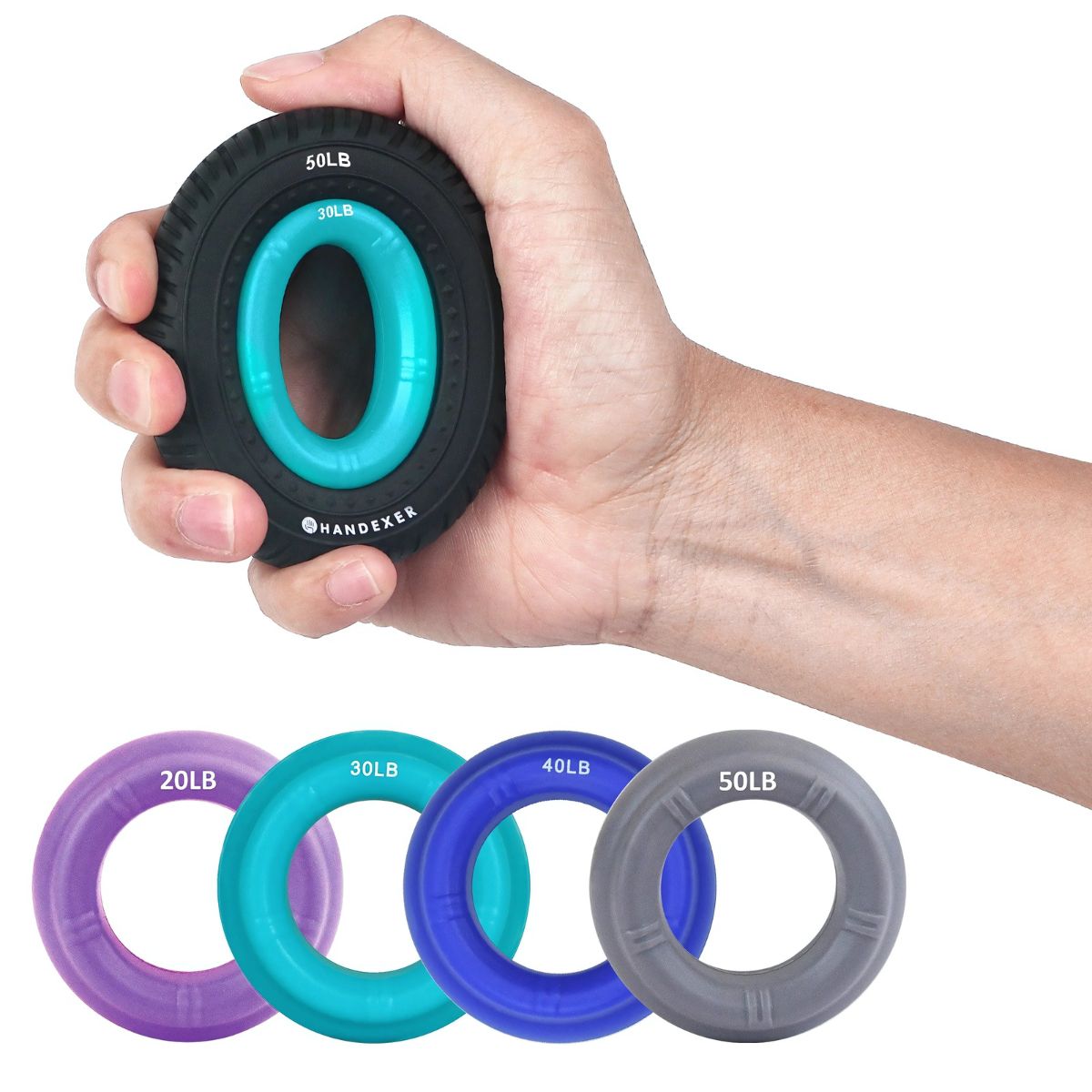
Press a soft silicone ring with light, comfortable tension for 5 seconds. Start with 3–5 reps focused on control, not max force.
Gradual Load Tolerance & Return to Playing
Rebuild playing stamina based on symptom tolerance rather than fixed deadlines:
The Handexer Approach: Measure, Train, and Track
Guesswork makes gradual changes in hand performance hard to spot. While grip strength alone cannot diagnose RSI or prove healing, pairing objective tracking with balanced conditioning helps you manage workload smarter:
1. Establish a Bilateral Baseline
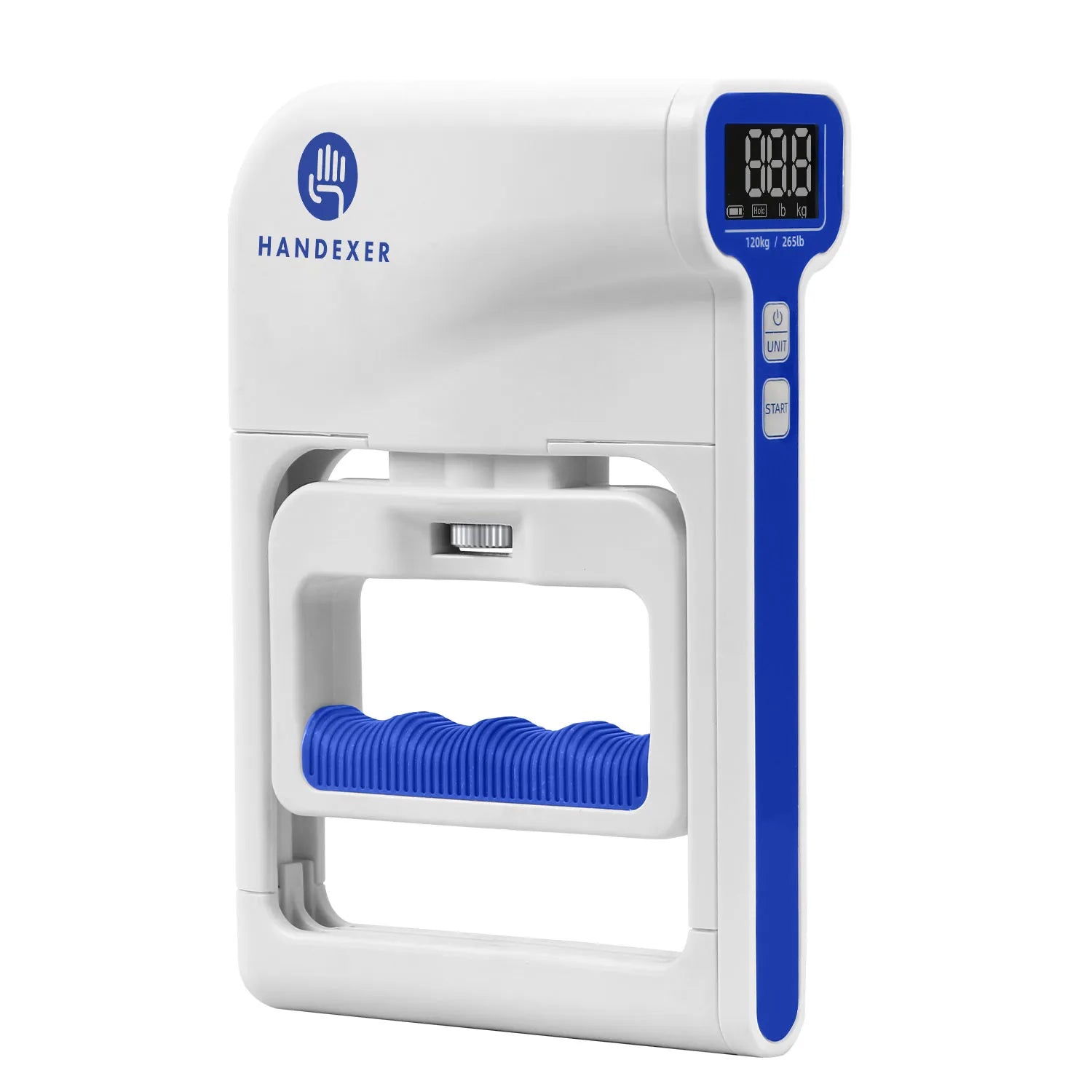
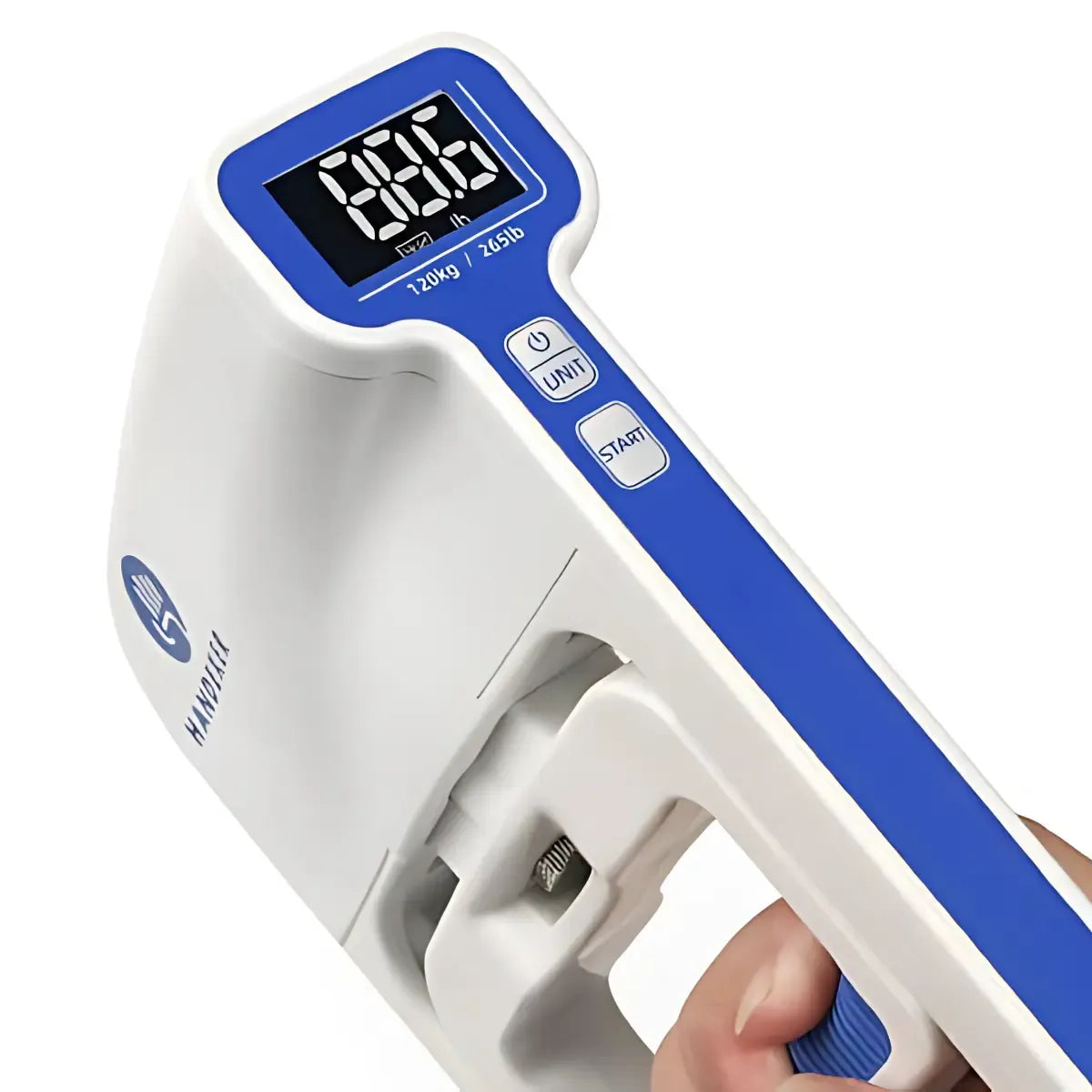
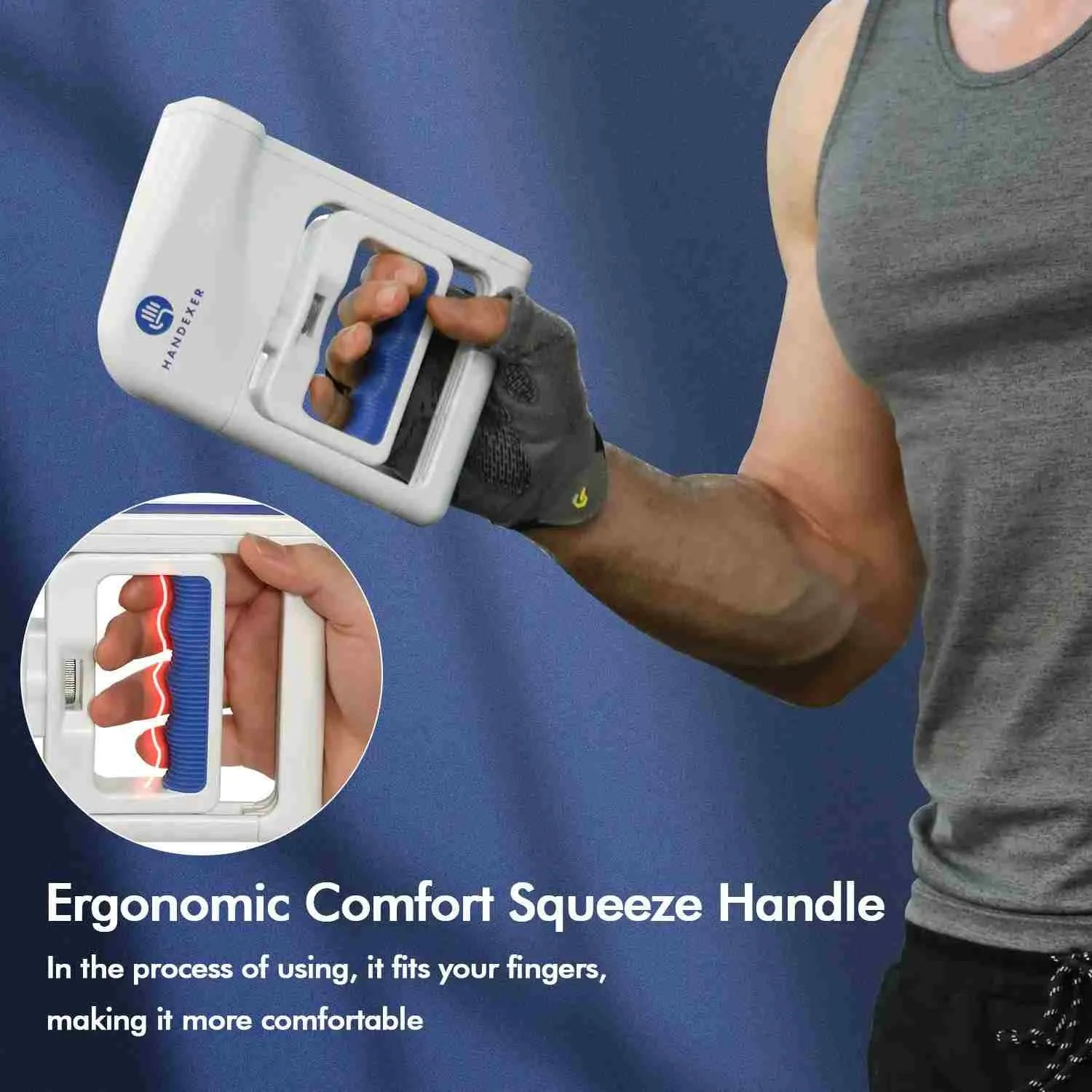
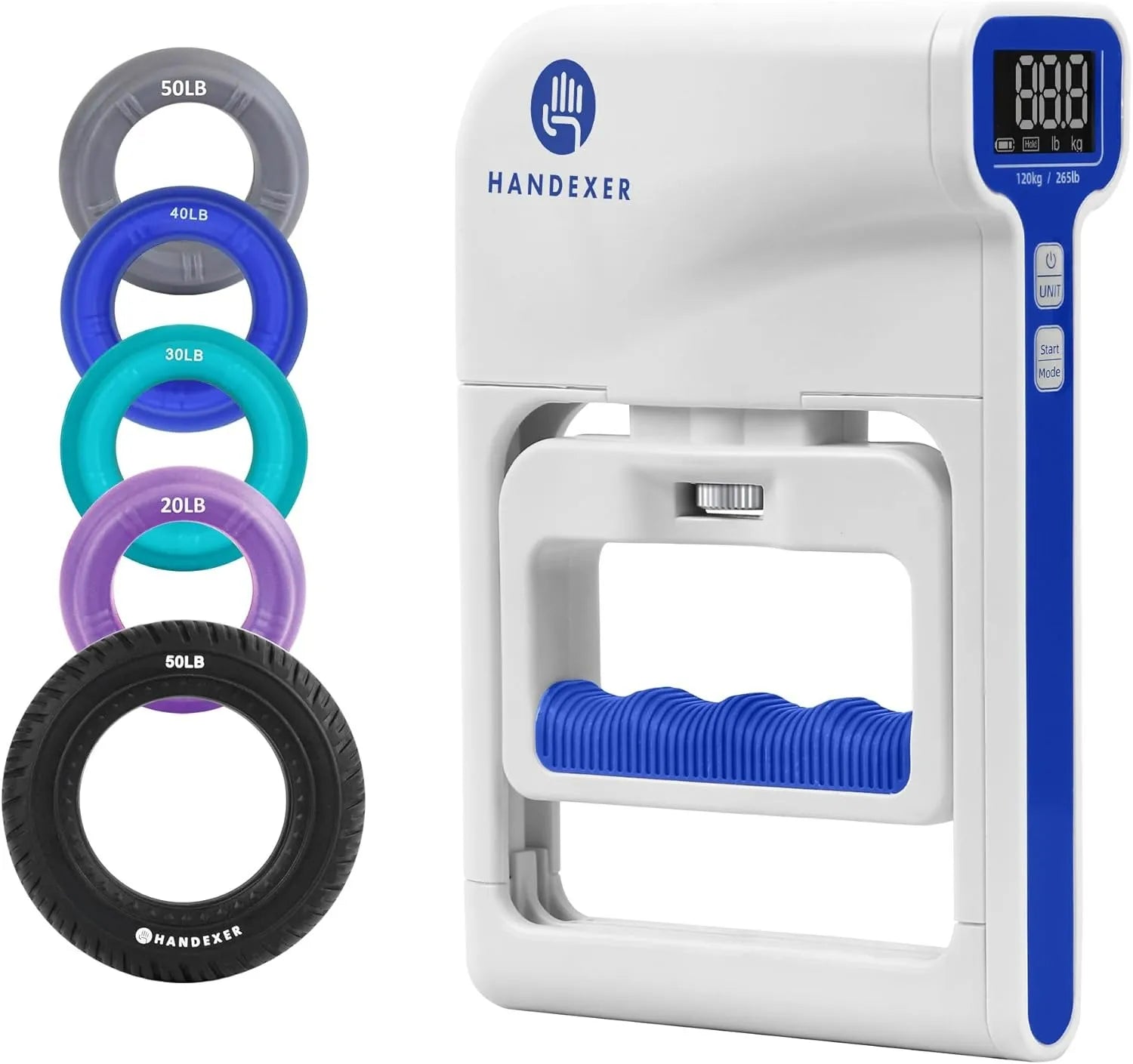
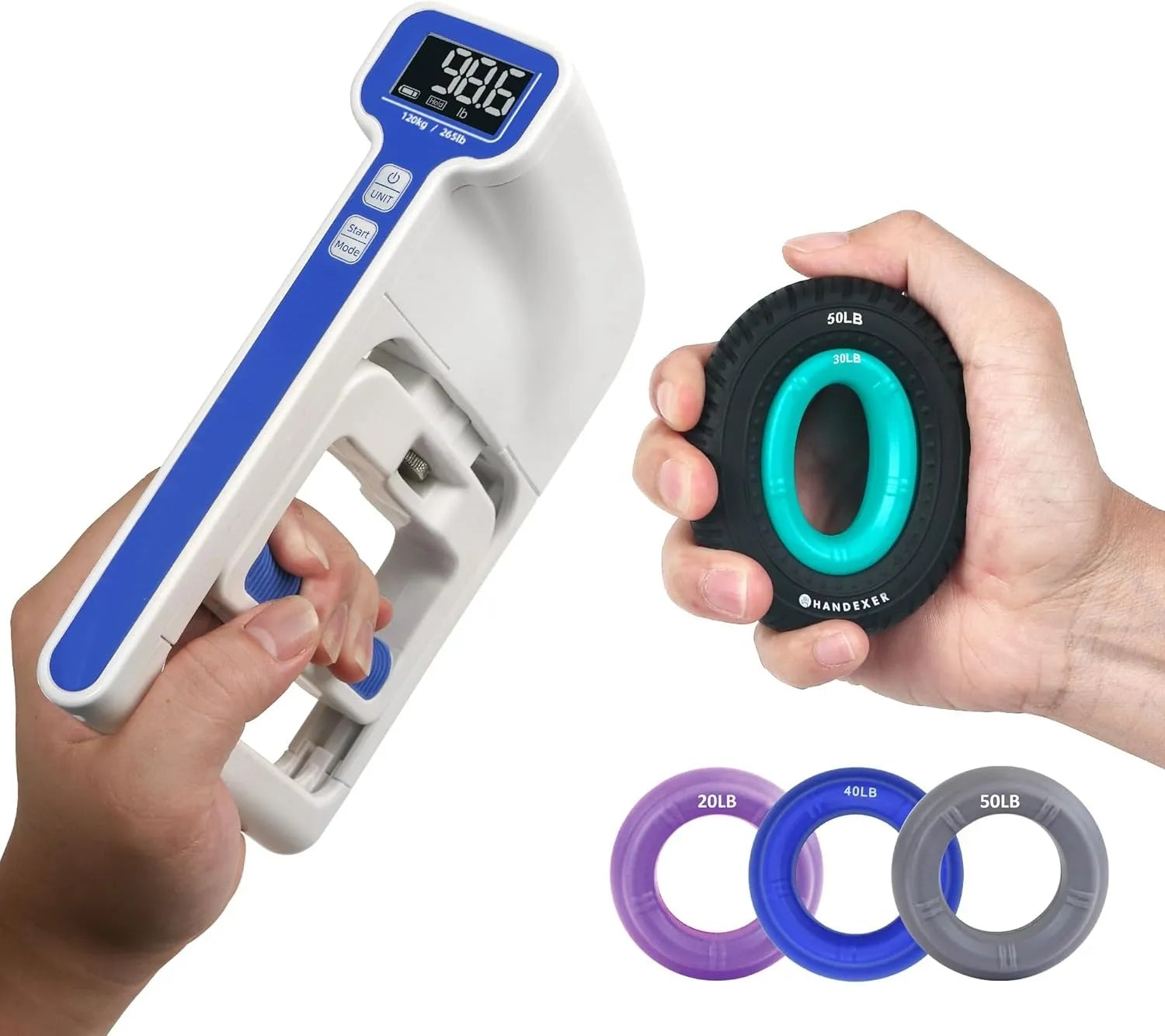
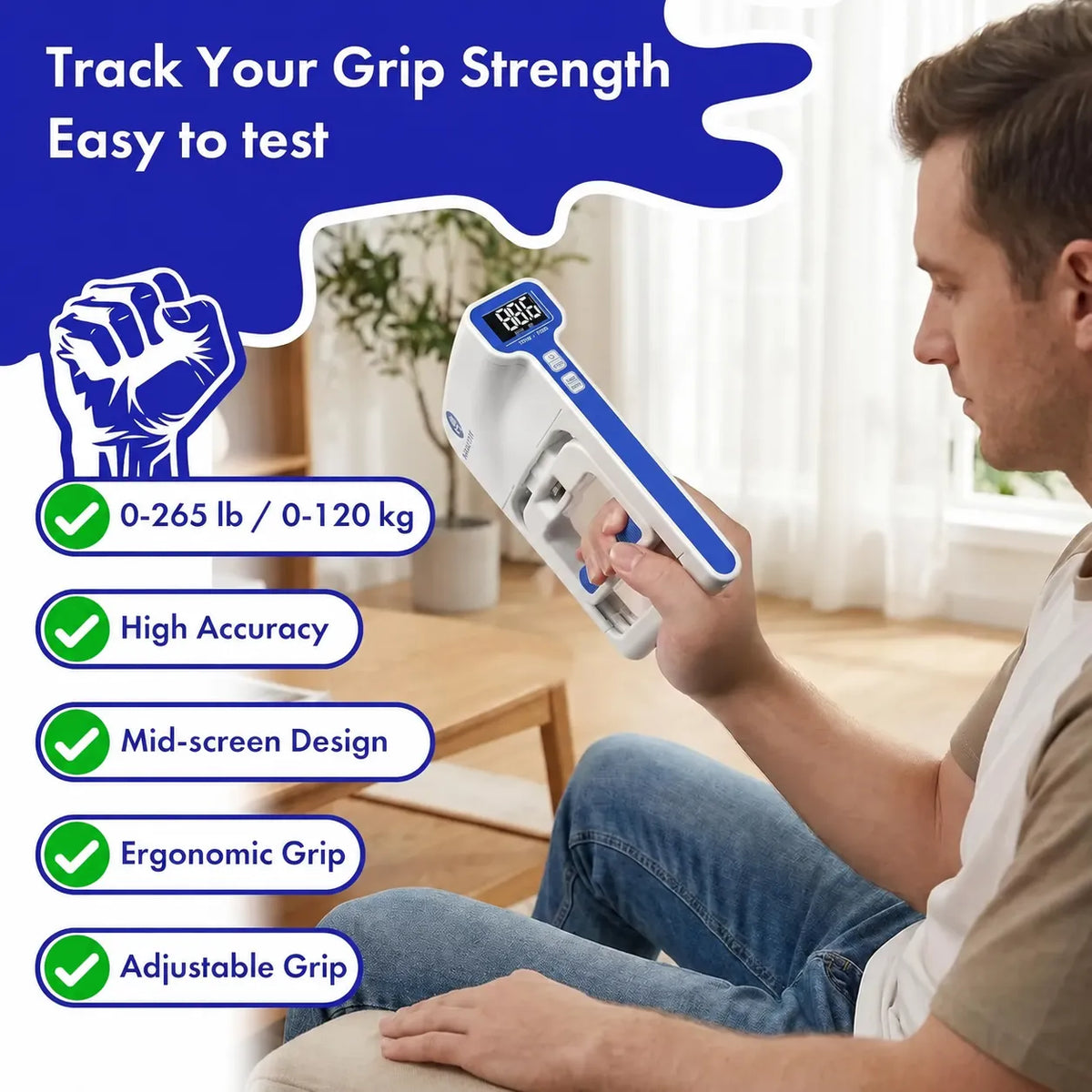
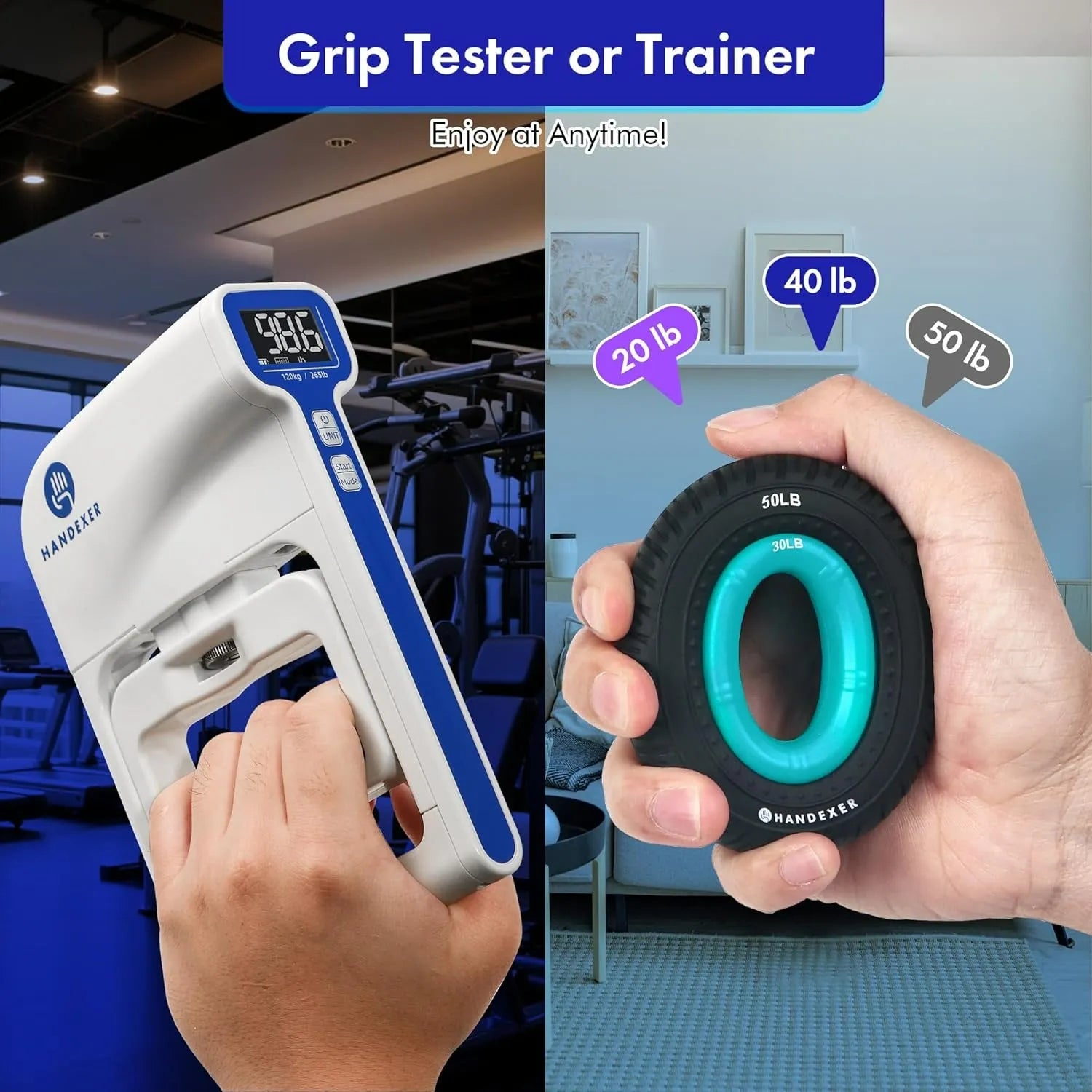
Use the Handexer™ Digital Hand Dynamometer under consistent posture and handle settings to compare both hands and record your personal baseline.
2. Train Both Flexors & Extensors Gently
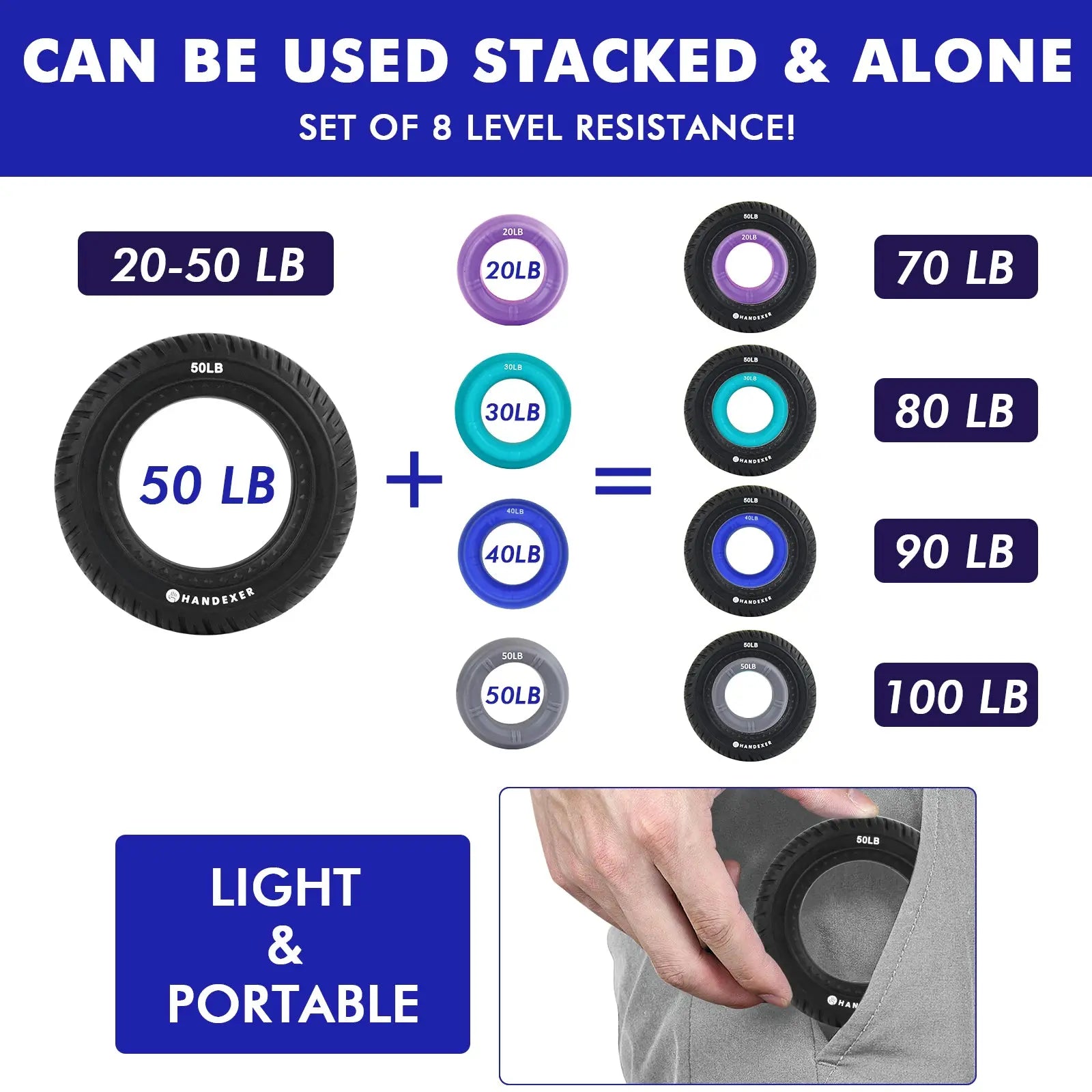
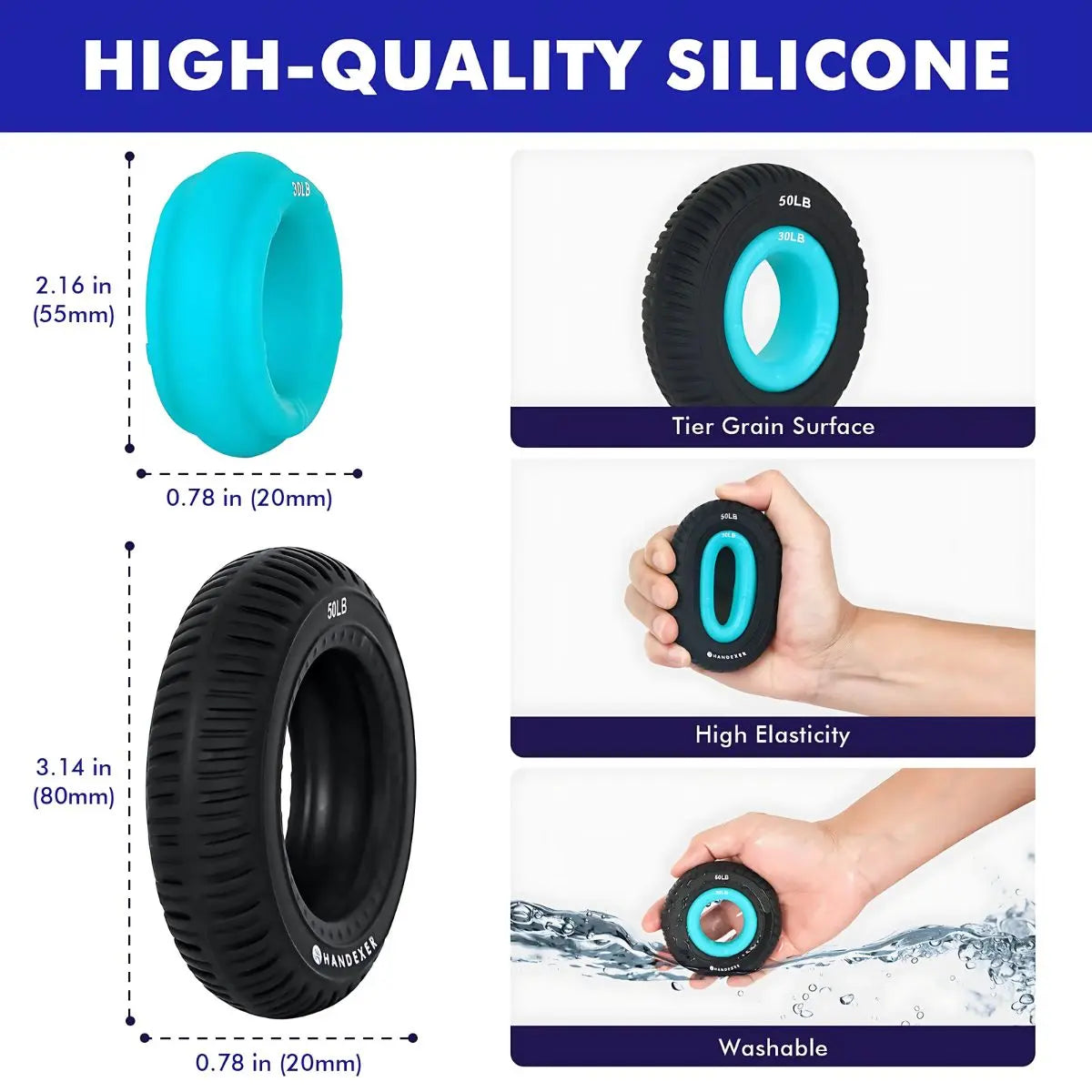
Complement practice with the Handexer™ Silicone Grip Rings & Finger Extensor Set for low-resistance isometric holds and finger-opening balance.
3. Monitor Weekly Performance Trends
Test once a week while rested (never right after heavy rehearsals). A noticeable drop from baseline signals fatigue—pair grip data with playing comfort, coordination, and post-rehearsal recovery.
Related reading: How to Tell If You Are Overtraining (And How to Track Recovery)
Explore Handexer Hand Strength Tools
Practical tools for measuring grip baselines and adding controlled, low-resistance conditioning.

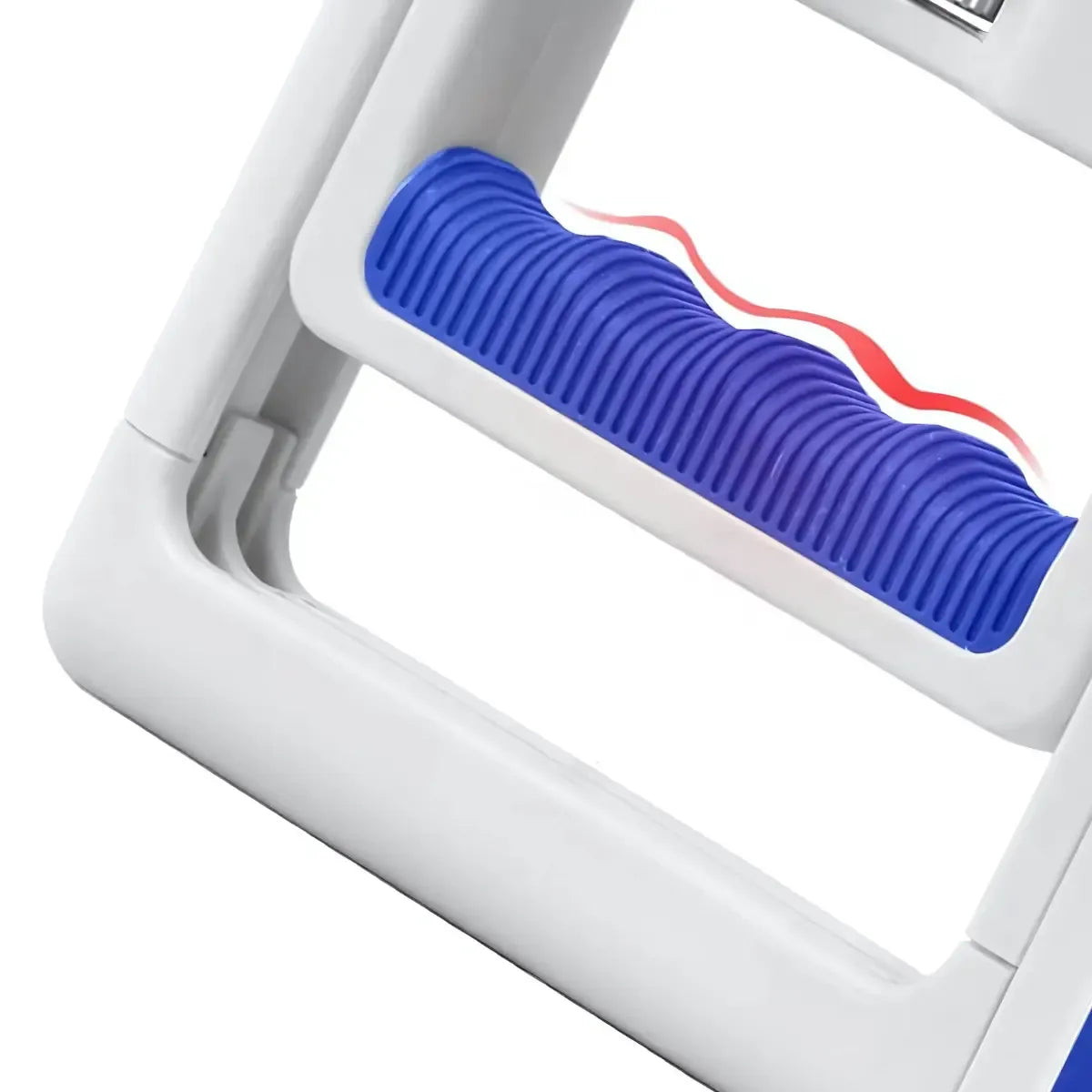
Handexer™ Digital Hand Dynamometer
High-precision digital readout with adjustable handle width to track weekly bilateral grip baselines and spot early fatigue.

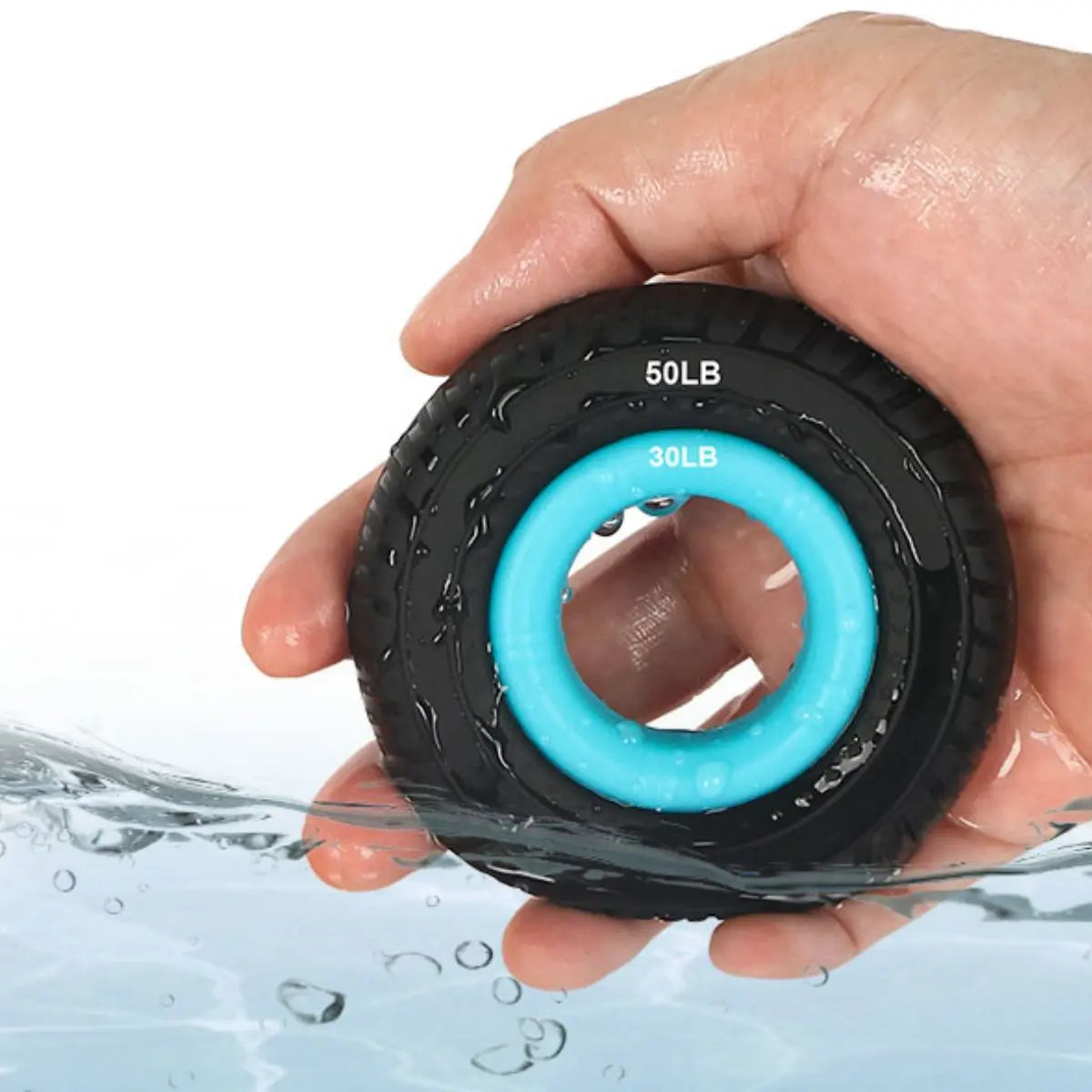
Handexer™ Silicone Grip Rings & Extensor Set
Graduated low-resistance silicone rings and finger extensor bands designed for balanced isometric holds and finger opening.





Share:
Grip Strength in the Workplace: The Hidden Role of Hand Strength in Manual Jobs