
Handexer Blogs
Grip Strength and Hand Health
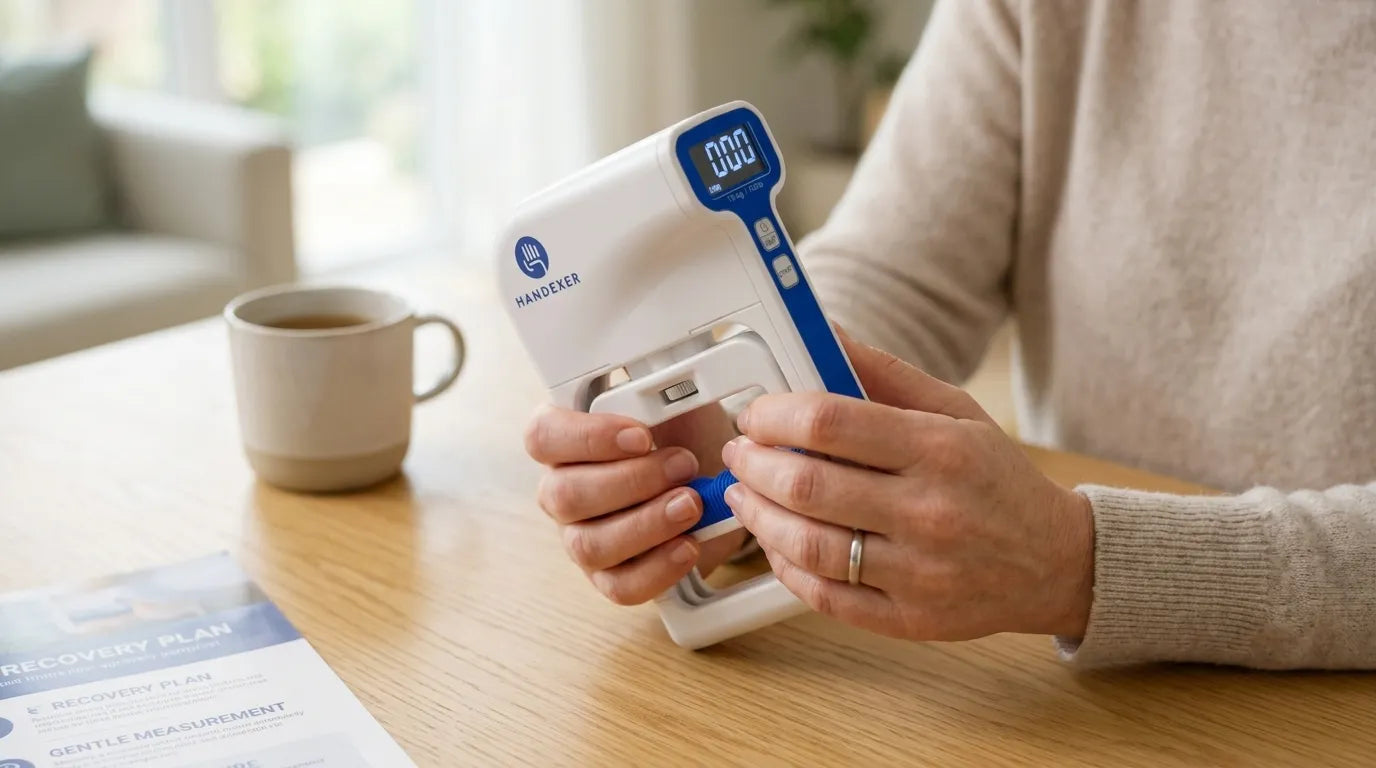
Isometric Hand Grip Exercises for Blood Pressure: Benefits, Protocol & How to Start
Could a simple hand grip exercise help support healthy blood pressure? Research suggests it may. Learn how isometric handgrip training works, why 30% MVIC matters, how to calculate your target force, and how a digital hand dynamometer can help you train with greater consistency and control.
Read moreabout Isometric Hand Grip Exercises for Blood Pressure: Benefits, Protocol & How to Start
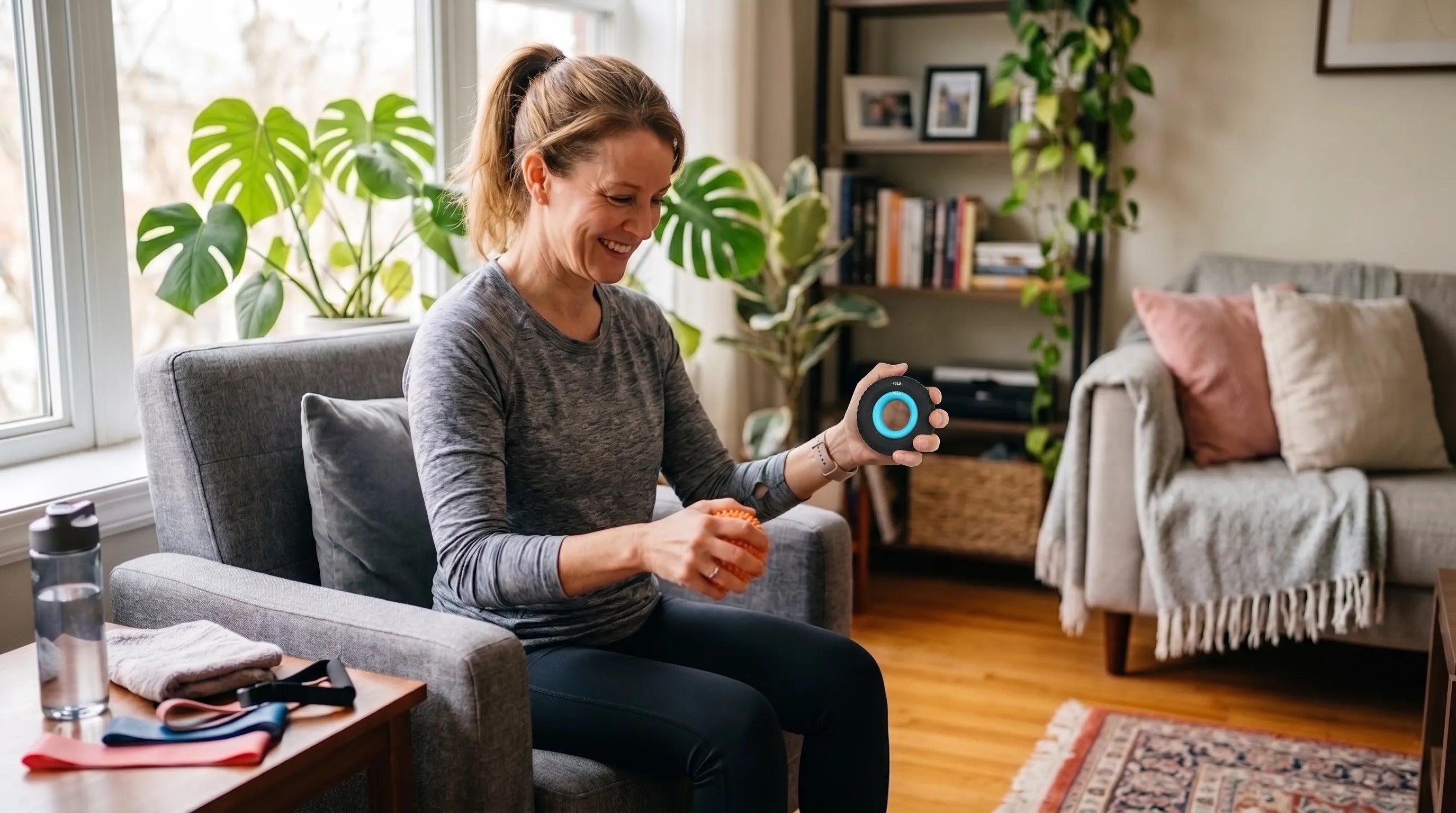
Hand Exercises for Stiff Fingers: 8 Simple Movements for Mobility & Grip Strength
Stiff fingers can make everyday tasks feel harder than they should. This practical guide shares 8 simple exercises to improve finger mobility, build grip strength, and develop better hand control. From gentle tendon glides to resistance training and grip measurement, you’ll learn how to move, strengthen, balance, and track your progress with a simple routine.
Read moreabout Hand Exercises for Stiff Fingers: 8 Simple Movements for Mobility & Grip Strength
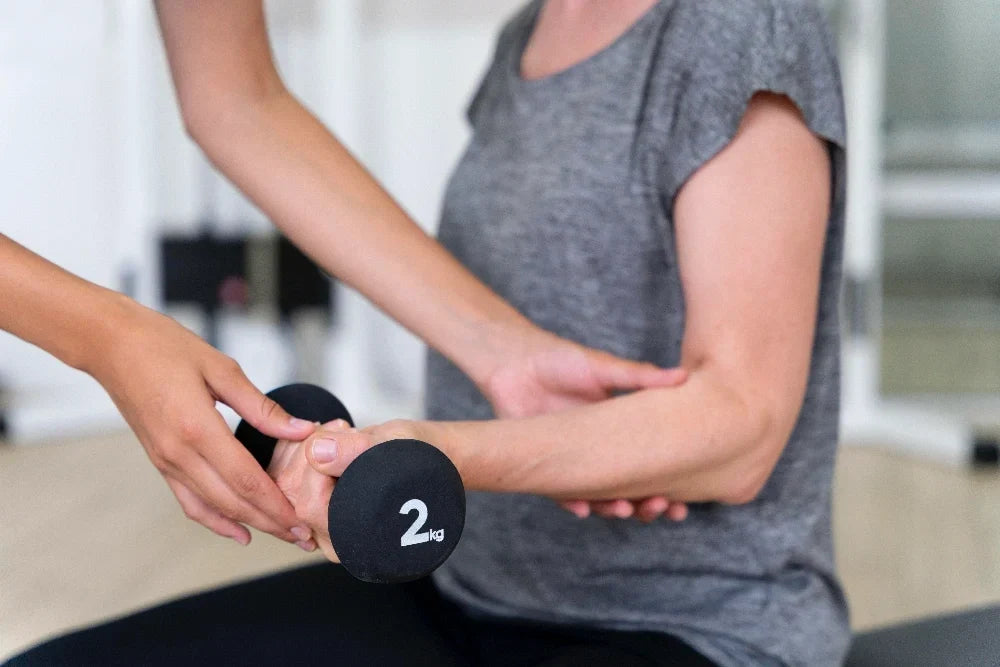
Isometric Grip Exercises: 3 Effective Exercises for Grip Strength
Tired of grip fatigue capping your performance? Isometric exercises build real-world holding power without aggravating your joints. By targeting three critical grip functions—wrist alignment, thumb opposition, and finger flexion—this guide reveals three practical exercises and a practical training framework to unlock maximum static strength, boost endurance, and objectively track your progress over time.
Read moreabout Isometric Grip Exercises: 3 Effective Exercises for Grip Strength
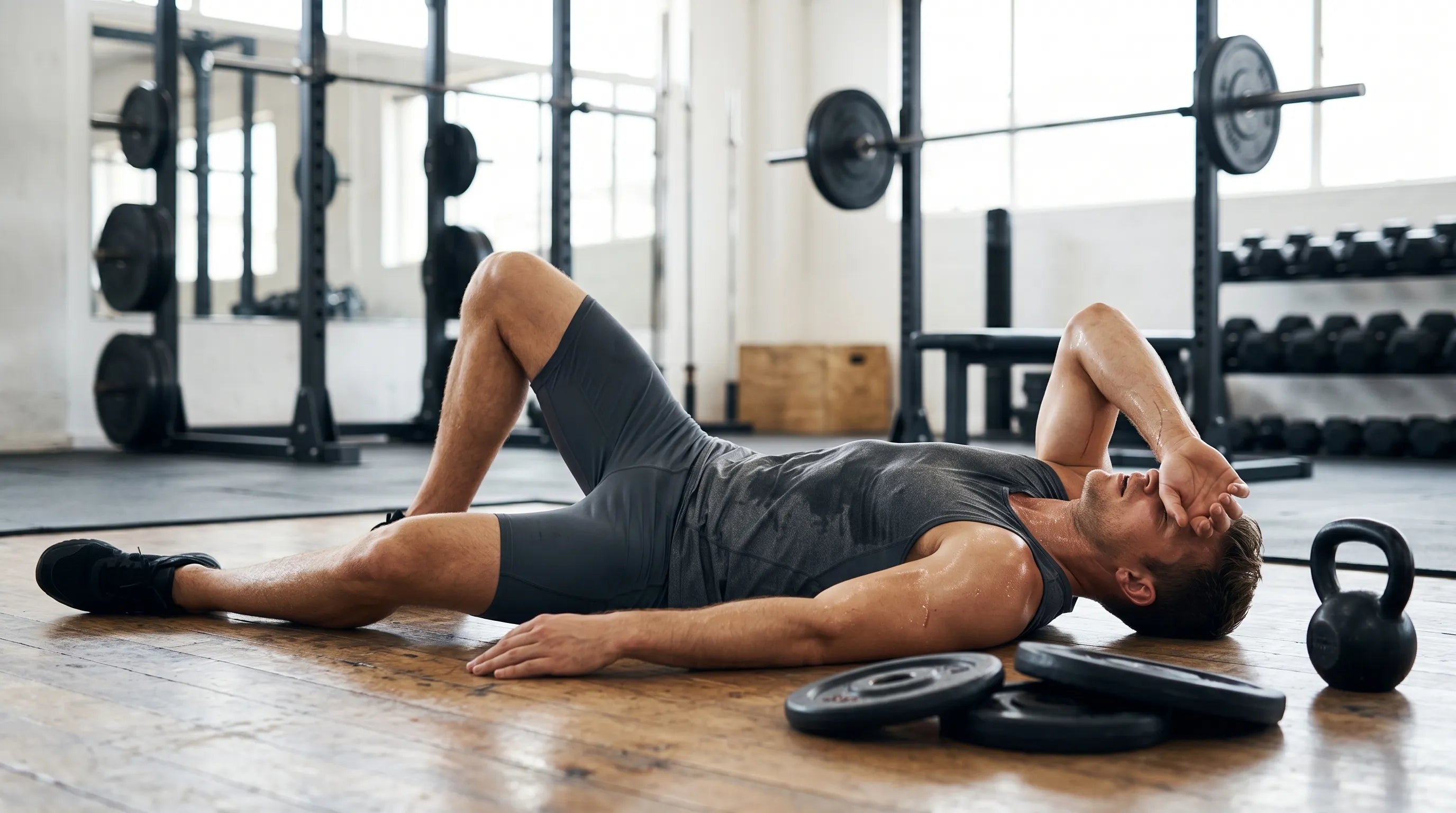
How to Tell If You Are Overtraining (And How to Track Recovery)
Recognizing overtraining requires balancing subjective signals like poor sleep and low motivation with objective physical metrics. By tracking daily recovery indicators alongside simple force tests, such as grip strength, active individuals can spot early fatigue trends, avoid performance burnout, and adjust their training loads safely.
Read moreabout How to Tell If You Are Overtraining (And How to Track Recovery)
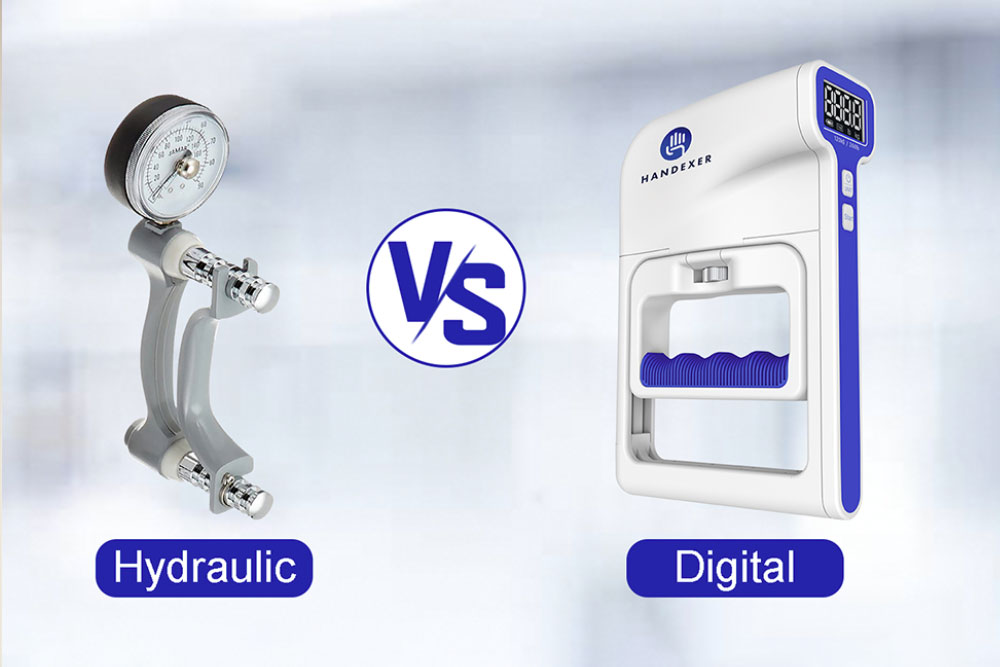
Digital vs. Hydraulic vs. Spring Hand Dynamometers: Comparison 2026 Buying Guide
Trying to pick a grip tester? Skip the leaky hydraulics and worn-out mechanical springs. Modern digital load-cell dynamometers give you fast, spot-on accuracy with zero calibration headaches. Whether you're tracking daily health, recovering from injury, or pushing athletic limits, this guide cuts through the noise so you can find the right tool and test your grip force with confidence.
Read moreabout Digital vs. Hydraulic vs. Spring Hand Dynamometers: Comparison 2026 Buying Guide
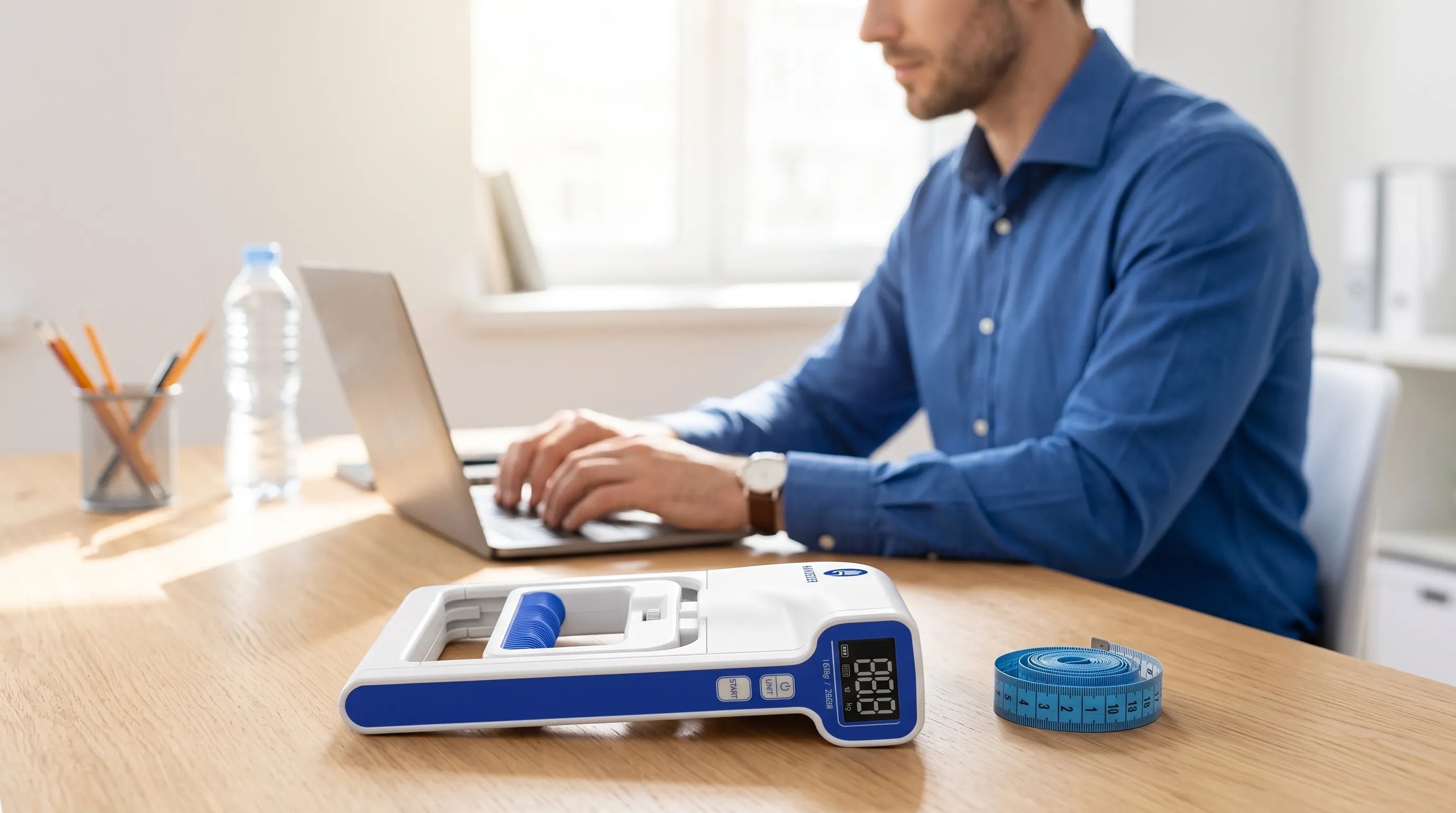
Are You Losing Muscle Mass? How to Screen Your Muscle Reserve at Home
Modern sedentary lifestyles often conceal silent muscle loss under a stable scale weight. As your body's vital metabolic engine, skeletal muscle supports blood sugar balance, brain health, and daily energy. Because muscle mass peaks before age 35, checking your baseline early helps protect long-term physical independence. Easily screen your muscle health at home using four simple markers: Age, BMI, Calf Size, and Digital Grip Strength.
Read moreabout Are You Losing Muscle Mass? How to Screen Your Muscle Reserve at Home

How to Test Grip Strength at Home Accurately: Step-by-Step Guide & Norms
Learn how to test your hand grip strength at home accurately using a digital dynamometer following ASHT protocols. Check official age norms (20–70+) and track your scores online.
Read moreabout How to Test Grip Strength at Home Accurately: Step-by-Step Guide & Norms
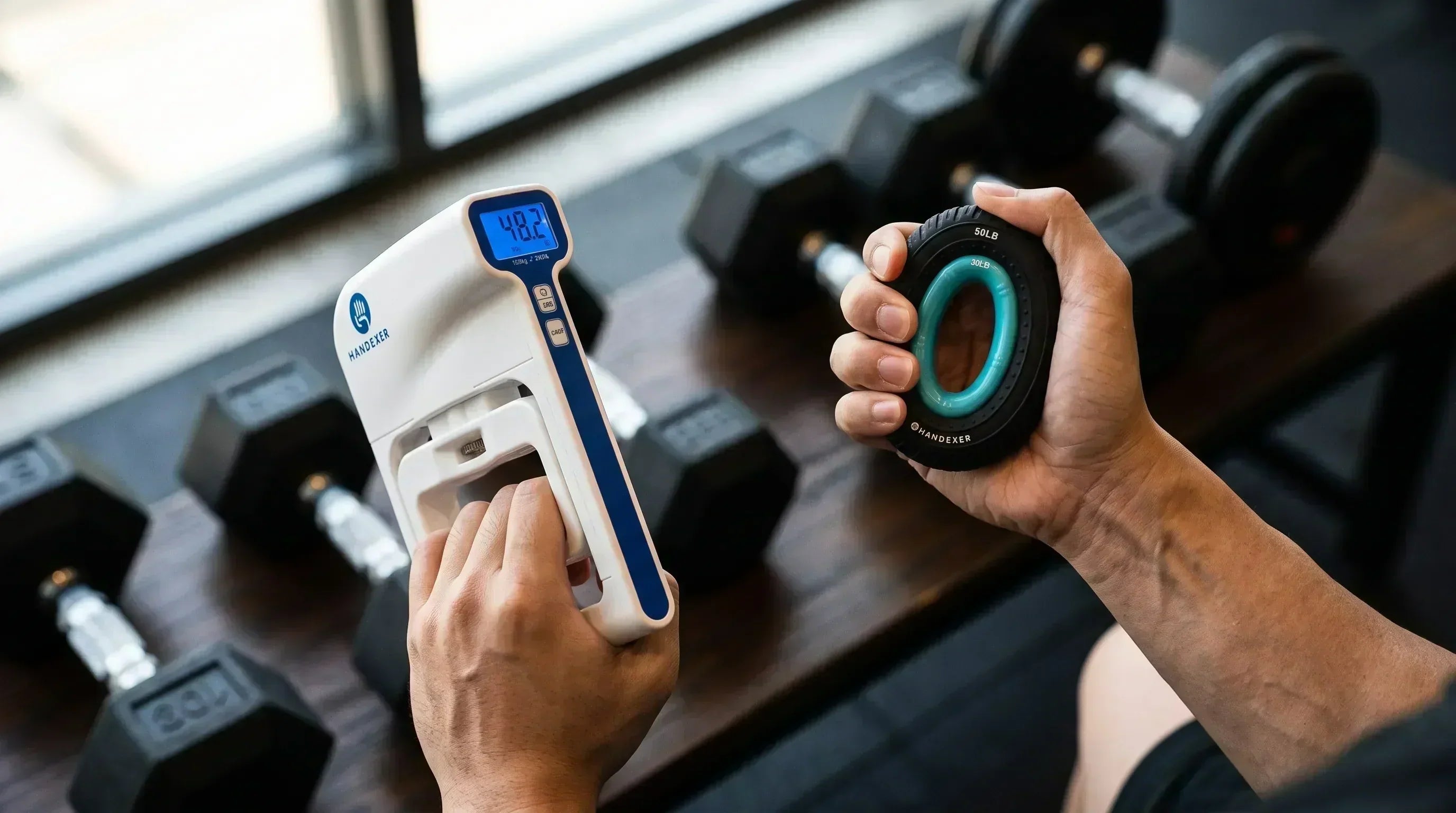
Crush, Pinch & Support Grip: Key Differences & How to Train
Grip strength is categorized into three biomechanical types: Crush (dynamic closure), Pinch (thumb-opposed precision), and Support (isometric holding endurance). Each grip relies on distinct hand and forearm muscle structures. Identifying your specific bottleneck through self-testing allows you to apply targeted training—such as hand squeezer exercises for Crush, wooden pinch blocks for Pinch, and heavy carries for Support. Tracking objective dynamometer output ensures consistent progress.
Read moreabout Crush, Pinch & Support Grip: Key Differences & How to Train
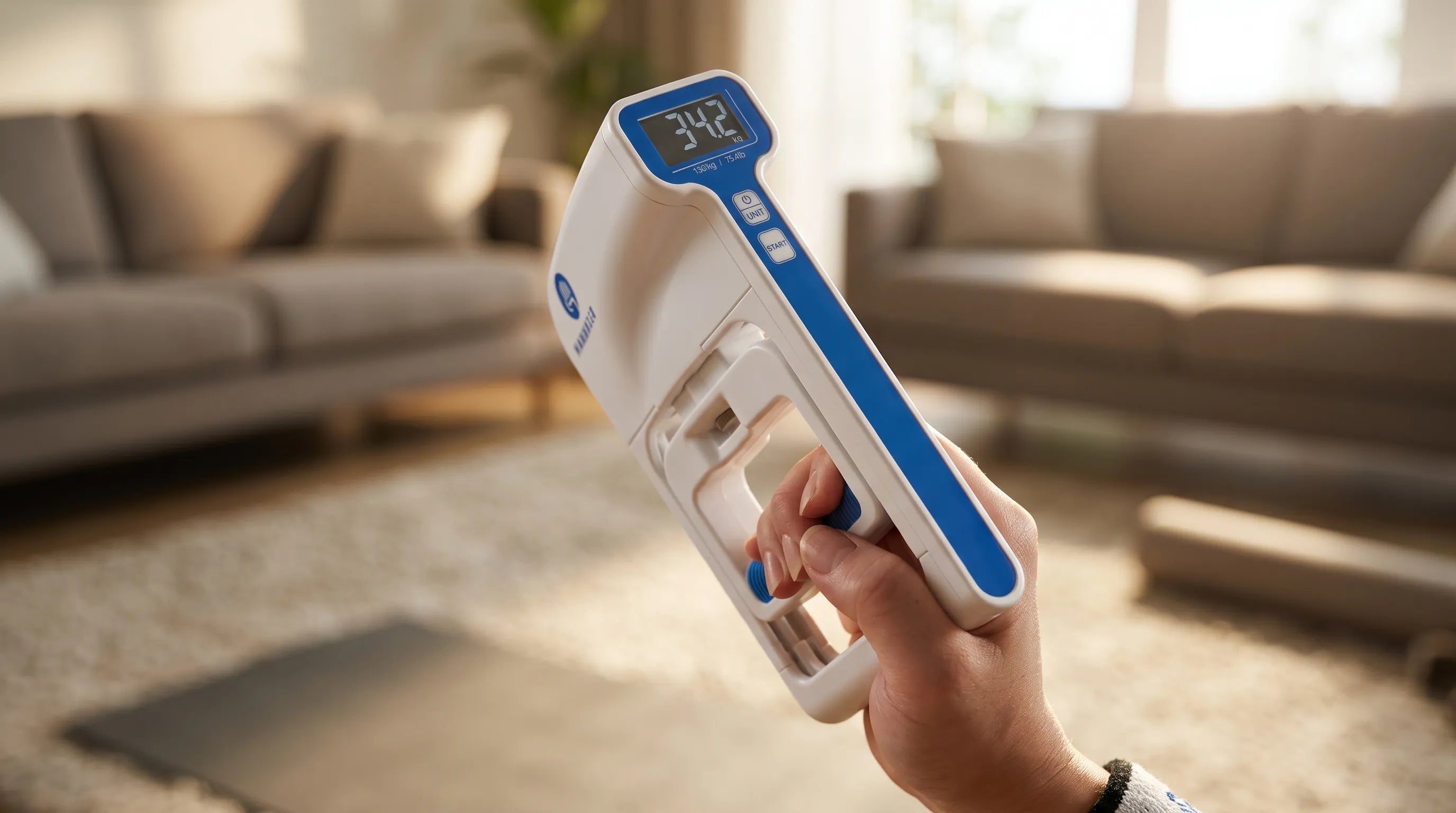
How to Build a Grip Strength Plan for Different Ages and Sexes
Grounded in NSCA exercise physiology, this guide analyzes grip strength development across youth, adult female, and senior populations. It highlights neural adaptations in youth, muscle quality in females, and power retention in seniors, providing a standardized protocol for baseline testing using the Handexer Digital Hand Dynamometer.
Read moreabout How to Build a Grip Strength Plan for Different Ages and Sexes