
Handexer Blogs
Grip Strength and Hand Health
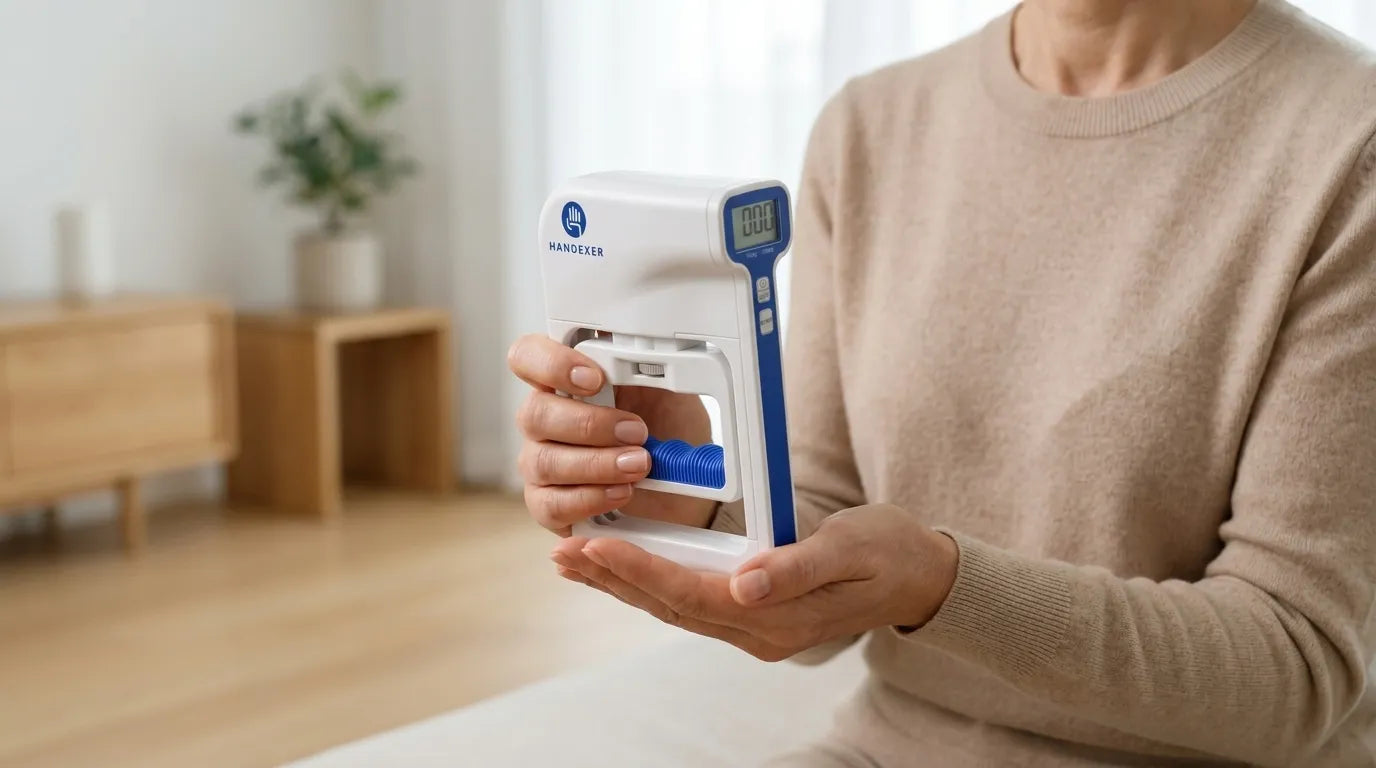
How to Rebuild Hand Strength After Injury (Step-by-Step Recovery Guide)
Recovering from an old hand injury can be frustrating, especially when lingering weakness holds you back from daily activities. This guide explains how to safely rebuild your hand strength by moving away from guesswork. Discover Handexer’s structured approach to hand health: get medical clearance, assess your current baseline, train with purpose using progressive resistance, and track your recovery. Reclaim your hand function safely and with confidence.
Read moreabout How to Rebuild Hand Strength After Injury (Step-by-Step Recovery Guide)

Why Grip Strength Matters for Healthy Aging: Measure, Improve, and Restore Hand Function
Recent discussions highlight grip strength as a crucial biomarker for longevity and overall health. Rather than just a measure of hand power, grip strength acts as an indicator for neuromuscular and cardiovascular wellness. By assessing and tracking hand function, individuals can gain valuable insights into their physical resilience as they age. This guide explores the science behind grip strength and how purposeful measurement leads to healthier aging.

Is Decreased Grip Strength an Early Sign of Arthritis? 5 Warning Signs You Need to Test at Home
Decreased grip strength may be an early sign of arthritis, especially when combined with symptoms like joint pain, stiffness, and swelling. It can also result from overuse or aging. Regular hand exercises and resistance training can help maintain and improve grip strength over time.
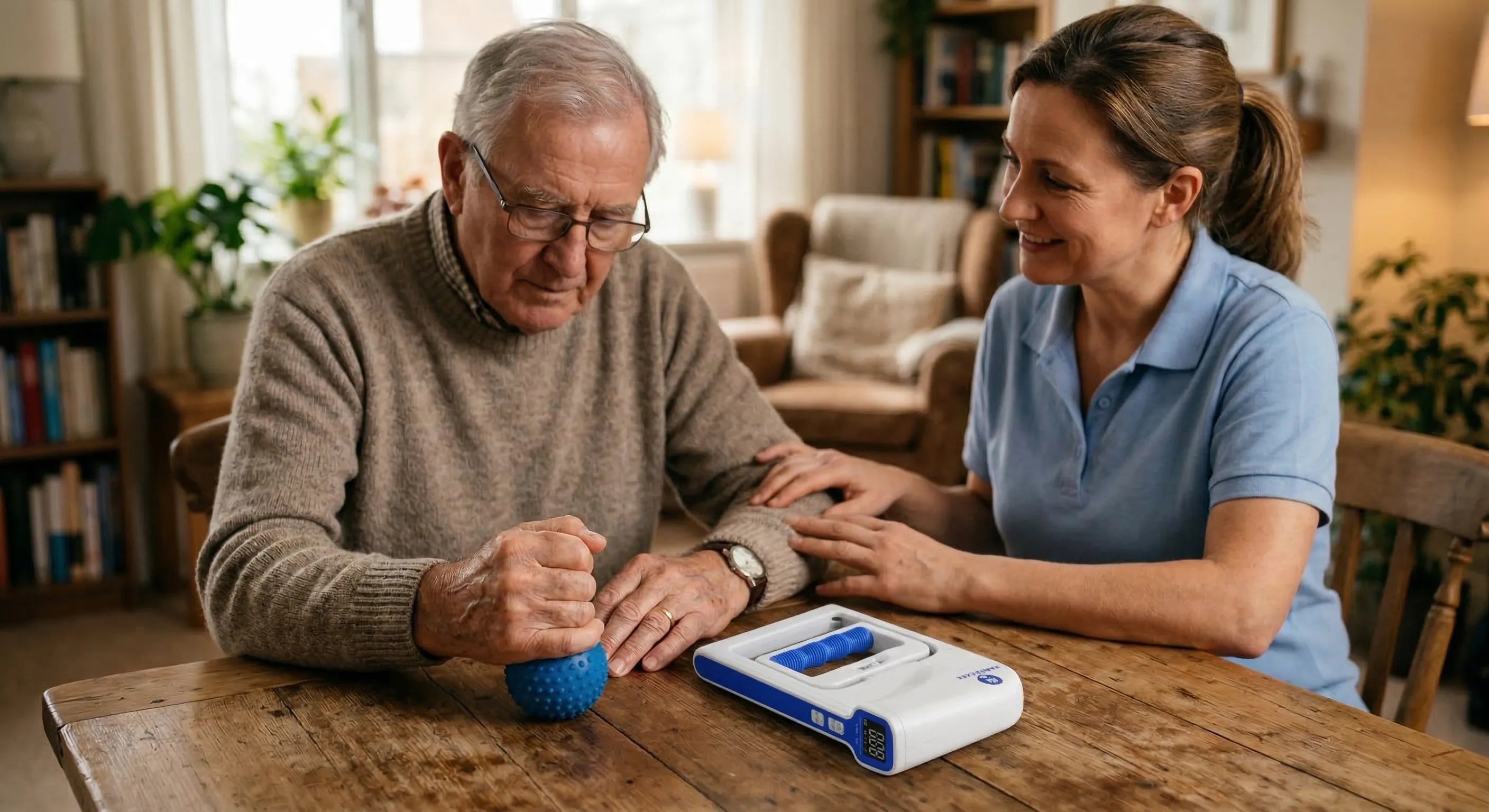
Grip Strength After Stroke: Safe Recovery Guide
Recovering grip strength after stroke is an important part of rebuilding hand function and daily independence. This guide covers the causes of post-stroke hand weakness, practical rehab exercises, and how consistent measurement can help patients monitor real progress over time.
Read moreabout Grip Strength After Stroke: Safe Recovery Guide

Average Grip Strength by Age and Gender: What’s Normal and How to Improve It
This article explains average grip strength by age and gender, how to interpret your score, and why regular tracking matters for fitness, recovery, and healthy aging.
Read moreabout Average Grip Strength by Age and Gender: What’s Normal and How to Improve It

Grip Strength by Age: What’s Normal After 50?
Grip strength declines with age, especially after 50, but regular tracking helps identify changes early. This article explains age-related grip strength patterns, how to measure it accurately at home, and why long-term trends matter more than a single result.
Read moreabout Grip Strength by Age: What’s Normal After 50?
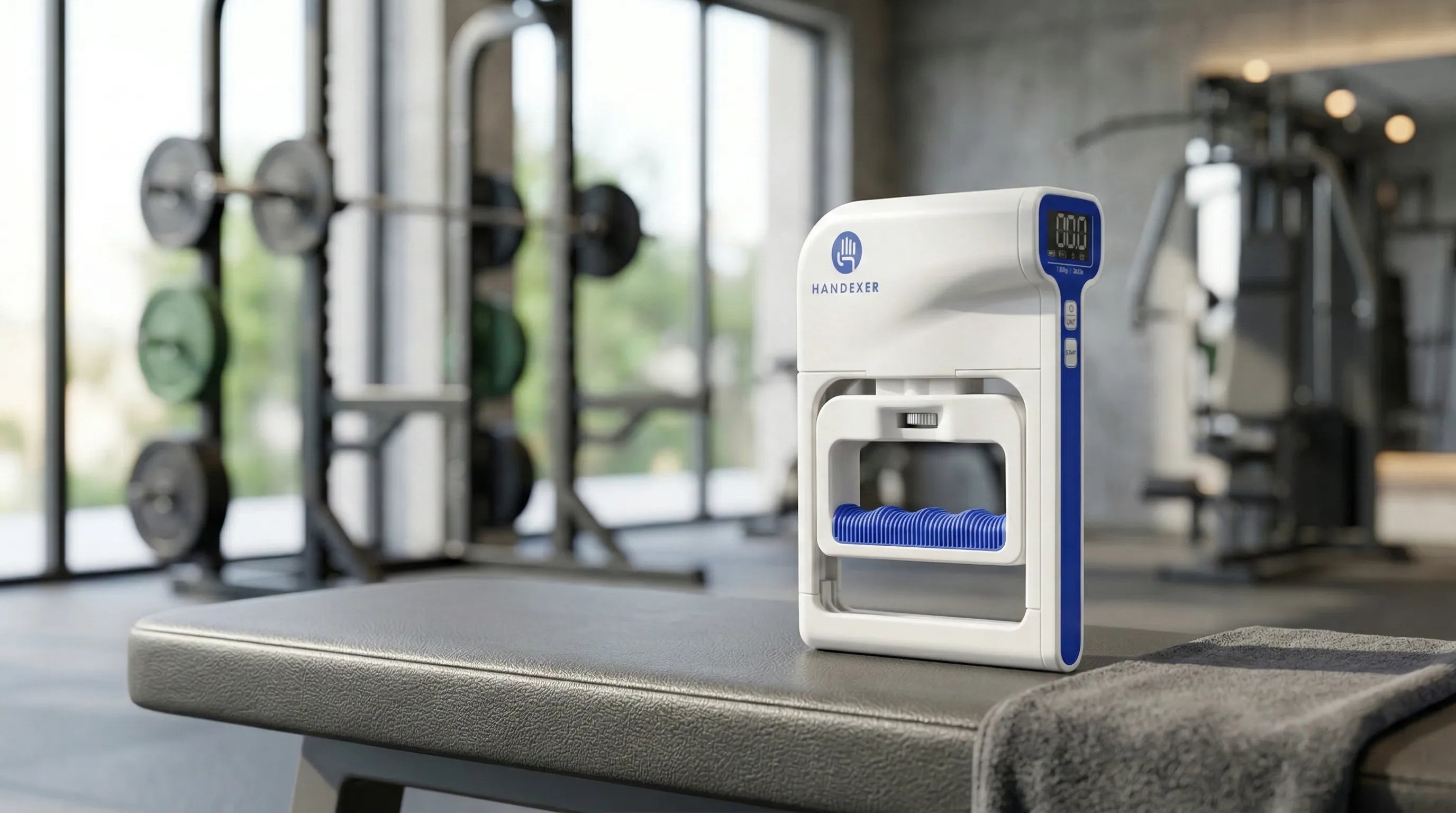
How to Interpret & Improve Your Grip Strength Score (2026 Action Guide)
Grip strength varies by age and gender, making context essential when evaluating your results. This article explains normal grip strength ranges, key factors that influence performance, and how to measure and track your strength accurately over time.
Read moreabout How to Interpret & Improve Your Grip Strength Score (2026 Action Guide)

Grip Strength After Carpal Tunnel Surgery: Recovery Guide
This article explains how grip strength changes after carpal tunnel surgery and how to track recovery safely and accurately at home.
Read moreabout Grip Strength After Carpal Tunnel Surgery: Recovery Guide

Strength Plateau? Your Grip Might Be the Problem
Weak grip can quietly limit your strength training progress. This article explains how grip strength affects key lifts, how to spot it as a bottleneck, and how to track it more accurately.
Read moreabout Strength Plateau? Your Grip Might Be the Problem